

Roskilde Harbour, Roskilde Travel Guide
Free Guide: Historic fjordside harbour where Viking heritage, a modern marina and relaxed waterfront life meet beneath the towers of Roskilde Cathedral.


A brief summary of Roskilde Harbour
Historic fjordside harbour where Viking heritage, a modern marina and relaxed waterfront life meet beneath the towers of Roskilde Cathedral.
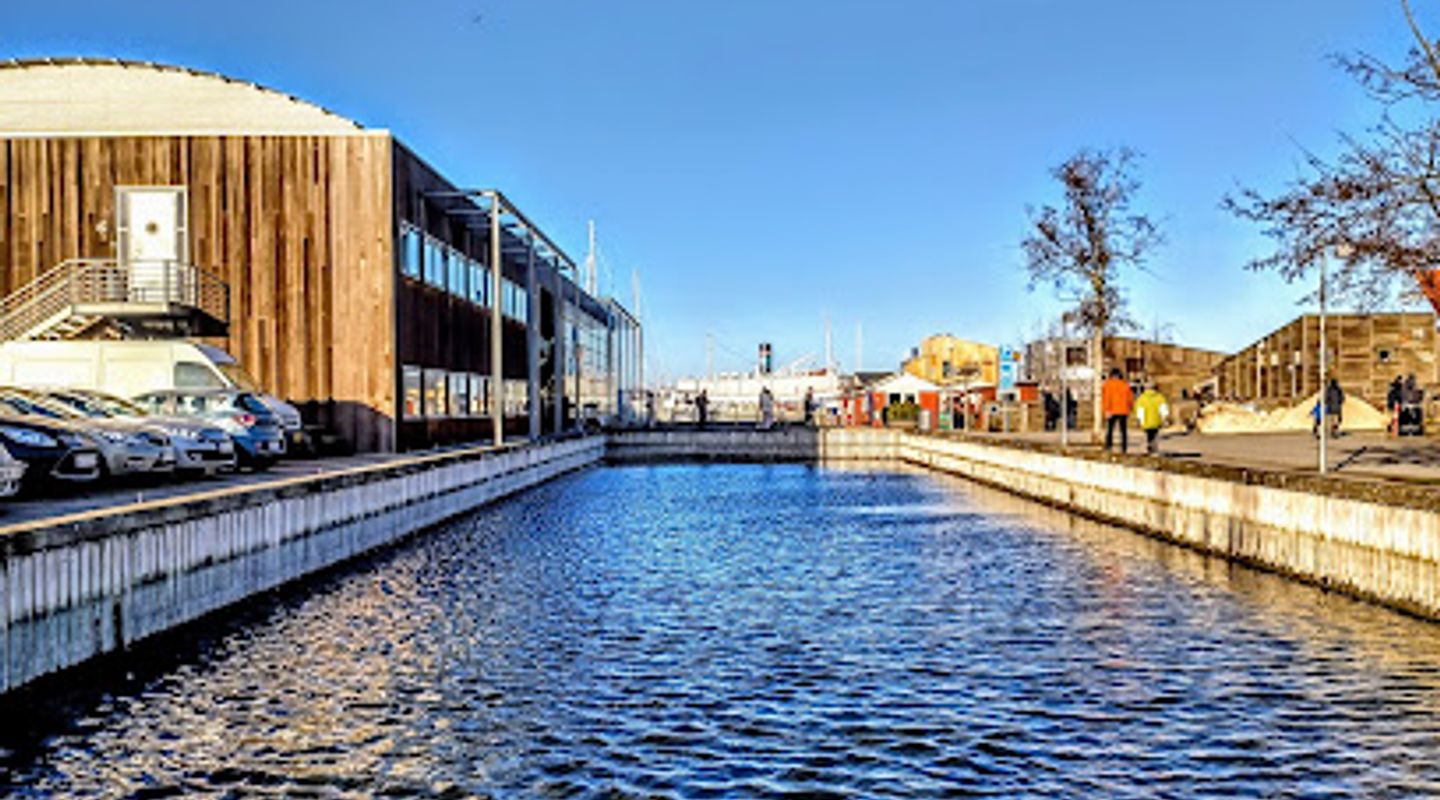
Roskilde Harbour sits at the sheltered end of Roskilde Fjord, where a modern marina, a historic museum harbour and wide-open water views meet just below the old town and cathedral. Sailors find well-equipped berths and practical facilities, while land-based visitors come for fjordside walks, sunsets, ice cream, and easy access to the nearby Viking Ship Museum. It is an atmospheric waterfront that blends everyday local life, maritime activity, and deep Viking-era history in one compact, walkable area.
On-site amenities
 Restrooms
 Drink options
 Drinking water
 Food options
 Seating areas
 Picnic areas
 Trash bins
 Information boards
 Visitor centre
- Address
- Vindeboder 18, 4000 Roskilde
- Phone
- Website
Getting there
Regional train and walk
Train and local bus
Car or camper from Copenhagen
Cycling within Fjordlandet
Discover more about Roskilde Harbour
Where the Town Meets the Fjord
Roskilde Harbour unfolds at the innermost end of Roskilde Fjord, a calm stretch of water that has shaped the town’s identity for more than a thousand years. Here the waterfront forms a natural extension of the city, with boats rocking gently against wooden pontoons and low, grassy banks framing the scene. The setting feels open yet intimate: the old town and cathedral sit on high ground behind you, while the fjord stretches out in a long, shallow tongue of water ahead.Despite its modest size compared to seaports on the Danish coasts, the harbour has a quietly busy character. Local sailing clubs, leisure craft and visiting yachts all share the same sheltered basin. In summer the quays are lined with cyclists, dog walkers and families, and the boardwalk becomes an easy promenade where people pause to watch the waterbirds or study the rigging of passing boats.
From Viking Anchorage to Modern Marina
Long before yacht masts defined the skyline, these shores served as a strategic Viking anchorage. Roskilde grew powerful in the late first millennium thanks to its position at the end of the fjord, protected from rough seas yet connected to key trade routes. The discovery of scuttled Viking ships in the fjord in the 20th century revealed how carefully the waterway was once controlled and defended.Today’s harbour reflects that layered story in a contemporary way. A modern marina with several hundred berths caters to pleasure craft, supported by facilities such as fuel, slipway, crane and rigging area that keep the working side of sailing visible. Nearby, a museum harbour preserves and operates traditional-style wooden boats, including reconstructed Viking vessels that still take to the fjord. The coexistence of sleek modern yachts and clinker-built longships gives the waterfront a distinctive maritime profile.
Life Along the Waterfront
For many visitors the main appeal of Roskilde Harbour lies in its relaxed daily rhythms. A waterside path traces the edge of the fjord, passing moored boats, small lawns, a playground and informal seating spots where you can sit with a coffee and look out over the masts. There is a small beach area suitable for paddling on warm days, and open lawns where children can run while adults linger over conversations.Cafés and seasonal kiosks cluster close to the water, making it easy to spend a leisurely afternoon here without straying far. On bright evenings the light over the fjord turns golden, and the harbour becomes a natural stage for sunsets, with silhouettes of boats and distant low islands completing the view. Even on cooler days the open sky and broad horizon give the place a sense of breathing space that contrasts with the denser streets uphill.
Gateway to the Viking Ship Museum
Just along the waterfront stands the Viking Ship Museum, whose buildings and outdoor boatyard effectively extend the harbour environment. From the quayside you can often glimpse long, slim hulls pulled up on the shore or afloat at the museum pier, connecting the living harbour with the archaeological story of Roskilde Fjord. The proximity between sailing today and seafaring a millennium ago is one of the area’s most striking qualities.Museum Island, with its workshops and reconstructed vessels, blends seamlessly with the marina and promenade. Paths link the museum harbour, the main marina and nearby parks into one broad waterfront zone, so you can easily move from looking at modern fiberglass cruisers to admiring tarred oak planks being worked by shipwrights. This mix of interpretation and everyday use keeps the fjord’s history present without turning the harbour into a static showpiece.
Practical Comforts in a Scenic Setting
Despite its historical resonance, Roskilde Harbour is first and foremost a practical, well-run marina. Visiting sailors find electricity and water on the pontoons, showers and toilets on shore, and a designated barbecue area where crews gather on summer evenings. A petrol station lies within easy reach, and car and camper parking are available close to the quays, making it straightforward to arrive by road and transfer kit to a boat.For day visitors the same infrastructure translates into convenience: clear information boards, accessible paths, and nearby services support longer strolls along the fjord. Green spaces and benches encourage unhurried pauses, while the open layout means you are rarely far from the water’s edge. With the cathedral towers visible on the skyline and the quiet slap of waves against the quay, Roskilde Harbour offers an appealing blend of functionality, gentle scenery and deep-rooted maritime character.
Evendo Review Centre
 Google
Guest reviews
Best time to go
Quietest: Jan, Feb & Mar · before 6am
Busy times are Evendo estimates for a typical year, to help you plan. Actual crowds vary with events, school holidays and the weather.
Explore Roskilde Harbour on the map
A handpicked selection of must-see spots near Roskilde Harbour, mapped for you.
Get your free copy of our complete guide to Roskilde Harbour, delivered straight to you.
Everything on this page, from opening hours and how to get there to Eve’s tips and the best time to go, in one PDF you can read offline, print or share.
Already have an account? Sign in
Your Roskilde Harbour guide is ready.
We'll send it to · Not you? Sign out

Getting your guide ready…
We are putting together a fresh copy of the Roskilde Harbour guide. This can take up to a minute.
This can take a few moments. If your browser asks, choose Allow so the download can start. You'll find the guide in your Downloads folder.
Nothing happened? Download it again
Sorry, the guide is taking longer than usual. Please try again in a minute, or get it by email instead.
Unlock the best of Roskilde Harbour
Skip-the-line tickets, guided tours with entry, and walking tours of the area, booked in a few clicks.

Other nearby places you may find interesting
The closest places of the same kind, if this one is not quite what you had in mind.
-
-
-

-
-


Swipe for more places
More to explore near Roskilde Harbour

 Best experiences near Roskilde Harbour
 Best hotels near Roskilde Harbour
 Best landmarks near Roskilde Harbour
 Best attractions near Roskilde Harbour
 Best shops near Roskilde Harbour
 Best restaurants near Roskilde Harbour
 Best bars near Roskilde Harbour
Do you manage this location?
Take control to get all the benefits, like improved information, better appearance, and stronger visibility across AI-powered discovery.
Explore more

Explore more of Roskilde
Discover Roskilde: A blend of rich history, Viking heritage, and vibrant music culture in the heart of Denmark, just a short journey from Copenhagen.
Explore Roskilde
Explore more of Denmark
Discover Denmark: A perfect blend of history, modern design, and the cozy concept of hygge. Explore vibrant cities, serene landscapes, and world-class cuisine.
Explore Denmark
