

Bredgade 18, Koge Travel Guide
A quiet, authentic townhouse facade on Copenhagen’s grand Bredgade, offering a subtle glimpse into the city’s historic Frederiksstaden streetscape.
Bredgade 18 sits on one of Copenhagen’s most prestigious streets, a short stroll from the royal quarter of Frederiksstaden. Behind its classically proportioned facade, the building mirrors the grand architectural rhythm that defines Bredgade, a boulevard lined with mansions, churches and cultural institutions. While not a headline attraction itself, Bredgade 18 offers a quiet, authentic glimpse of Copenhagen’s urban fabric, ideal for architecture fans exploring the street’s elegant streetscape on foot.
A brief summary to Bredgade 18
- Bredgade 18, Copenhagen, Indre By, 1260, DK
- Duration: 0.5 to 1 hours
- Free
-
 Outdoor
- Mobile reception: 5 out of 5

Know before you go
Hi, I'm Eve. Here are a few practical things to know before exploring Bredgade 18.
- Time your visit for early morning or late afternoon when the light grazes the facades along Bredgade, bringing out cornices, railings and window details at number 18.
- Combine a pause at Bredgade 18 with a wider walk linking Kongens Nytorv, the Marble Church and Amalienborg to appreciate Frederiksstaden’s planned street grid.
- Bring a camera or smartphone if you enjoy architectural photography; shoot from across the street to capture the full facade and its neighbours in one frame.
Do you manage this location?
Take control to get all the benefits, like improved information, better appearance, and stronger visibility across AI-powered discovery. Learn more about listing your business on Evendo
Activate your presenceOther nearby places you may find interesting
The closest places of the same kind, if this one is not quite what you had in mind.
Explore Bredgade 18 on the Map
A handpicked selection of must-see spots near Bredgade 18, mapped for you.
Getting There
-
Metro and short walk from central Copenhagen
From Kongens Nytorv station on the M1, M2 or M4 metro lines, allow 10–15 minutes on foot to reach Bredgade 18. The walk follows broad pavements through the historic centre and is generally step-free, though some older kerbs can be uneven. A standard single metro ticket within the city zones typically costs around 20–30 DKK. Services run frequently throughout the day, making this the most convenient option for most visitors.
-
City bus to the Frederiksstaden district
Several inner-city bus routes run along or close to Bredgade, with stops near Kongens Nytorv and the Marble Church. From central areas like the main station, journey times are usually 15–25 minutes depending on traffic. Expect to pay roughly 20–30 DKK for a single ride using a travel card or mobile ticket. Buses have low-floor access, but they can be crowded during rush hours and may be delayed in peak traffic.
-
Bicycle from inner Copenhagen
Cycling to Bredgade 18 from inner neighbourhoods such as Vesterbro, Nørrebro or Østerbro typically takes 10–20 minutes, using Copenhagen’s extensive network of segregated bike lanes. City bikes and rental shops offer hourly and daily rates, often starting around 30–50 DKK per hour. Be aware that Bredgade can be busy with other cyclists and taxis; follow local cycling rules and use the designated bike lanes where available.
For the on-the-go comforts that matter to you
-
 Restrooms
-
 Drink Options
-
 Drinking Water
-
 Food Options
-
 Seating Areas
-
 Trash Bins
-
 Information Boards
Discover more about Bredgade 18
A modest doorway on a grand Copenhagen boulevard
Bredgade 18 is one address in a long, straight avenue that has helped shape Copenhagen’s image for centuries. Step back from the kerb and you see how the facade slips neatly into the rhythm of neighbouring townhouses and palæer, with tall windows, restrained ornament and a solid masonry base that hints at cellar-level shops and workshops in earlier times. The building may not carry a famous nameplate, yet its proportions and details are very much part of the city’s architectural signature.Bredgade itself runs between the bustle of Kongens Nytorv and the green edge of Esplanaden, forming one of the defining axes of the Frederiksstaden district. Standing here, you are in the middle of a planned 18th‑century quarter conceived to celebrate royal power and confidence, with Amalienborg Palace and the Marble Church only a few blocks away. Bredgade 18 quietly participates in this grand urban composition.From cattle track to fashionable city address
The story of this stretch of street is older than its polished facades suggest. In medieval times, Bredgade was little more than a broad track outside the old Eastern City Gate, used to drive cattle in and out of Copenhagen. Over time gardens, pavilions and simple houses appeared along the road. When New Copenhagen was laid out in the 17th century and later when Frederiksstaden took shape around 1750, Bredgade evolved into one of the city’s most prestigious addresses.During the 18th century, master builders and court architects filled the street with stately mansions for nobles, merchants and officials. Even where the buildings were later rebuilt or remodelled, many plots, including the one at number 18, retained the classic narrow‑front, deep‑plot layout typical of Copenhagen townhouses. Today, the address reflects this layered history in its mix of older details and more recent adaptations.Architectural details in the everyday streetscape
Look closely at Bredgade 18 and you will notice the kind of details that reward slow urban wandering. A raised stone stair, cellar doors, iron railings and carefully framed shopfronts at street level speak of a long interaction between residential life and small‑scale commerce. Above, the regular grid of windows, cornice lines and dormers aligns with neighbouring buildings, creating the continuous, harmonious skyline that makes Bredgade so photogenic.The materials are typical of Copenhagen’s historic centre: rendered masonry, painted wood windows and discrete ornament around doors and eaves. These elements are easy to overlook when racing between major monuments, yet they are precisely what gives this part of the city its intimate scale and human feel. For photographers, oblique angles along the facade and glimpses into side courtyards can make quietly compelling images.Life along a corridor of galleries and design houses
While Bredgade 18 itself is a regular city building, the life around it is rich. This part of the street is known for art galleries, antique dealers, design showrooms and offices for architects, lawyers and creative firms. On weekdays, you may notice a steady flow of well‑dressed locals, cyclists and visitors moving between meetings, exhibitions and nearby cultural institutions.Just a short walk in either direction takes you to churches, museums and grand mansions that headline many walking tours of Copenhagen. Bredgade 18 acts as a convenient visual marker on this corridor: pause here to get your bearings, admire the alignment of facades towards the Marble Church, or simply sit on a nearby bench and watch the choreography of city life glide past.Planning a brief but rewarding pause
For most travellers, Bredgade 18 is best experienced as part of a wider stroll rather than as a stand‑alone destination. A short stop of half an hour fits naturally into an exploration of Frederiksstaden, pairing the grand formal spaces of palace squares and churches with the everyday fabric of townhouses and shopfronts. Morning and late afternoon light tend to flatter the pale walls and architectural details, especially if you enjoy street photography.Because this is primarily a working and residential address, there is no formal visitor infrastructure inside the building. The interest lies on the outside: the facade itself, its relationship to its neighbours and the sense of being embedded in one of Copenhagen’s most historic and refined streets. Taken together, these subtle elements make Bredgade 18 a small but telling piece of the city’s architectural puzzle.












Your all‑in‑one travel companion app
Explore expert travel guides, compare and book tours, experiences, hotels, and more—all from the palm of your hand. Download now for seamless trip planning wherever your wanderlust takes you.


Explore More of Koge
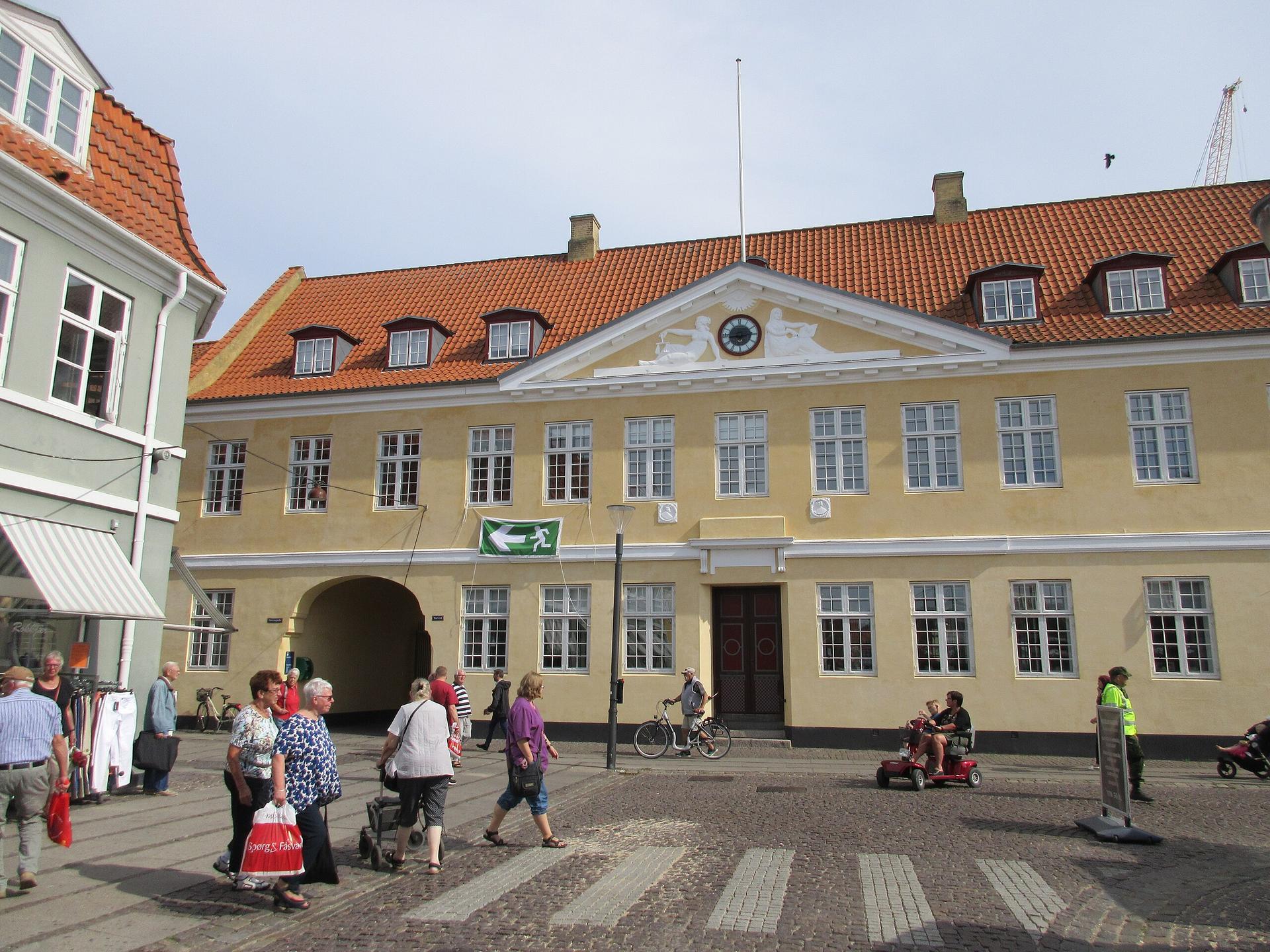
Looking beyond Bredgade 18? Discover Koge for broader travel guides, local hot-spots, and regional highlights.
Explore Koge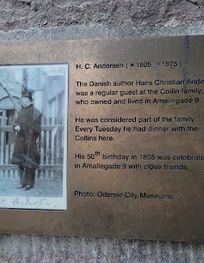
A modest plaque on elegant Amaliegade quietly marks Hans Christian Andersen’s presence amid the formal mansions and palace axis of Copenhagen’s Frederiksstaden.
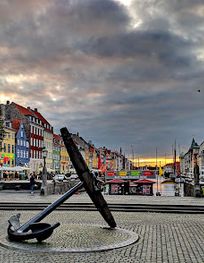
A historic anchor monument honoring Danish WWII sailors, set at the heart of scenic Nyhavn, blending maritime history with Copenhagen’s lively canal atmosphere.
