

Memorial Anchor Travel Guide
Free Guide: A massive frigate anchor turned national memorial, honouring Danish WWII sailors at the colourful gateway between Nyhavn’s canal and Copenhagen’s historic heart.


A brief summary of Memorial Anchor
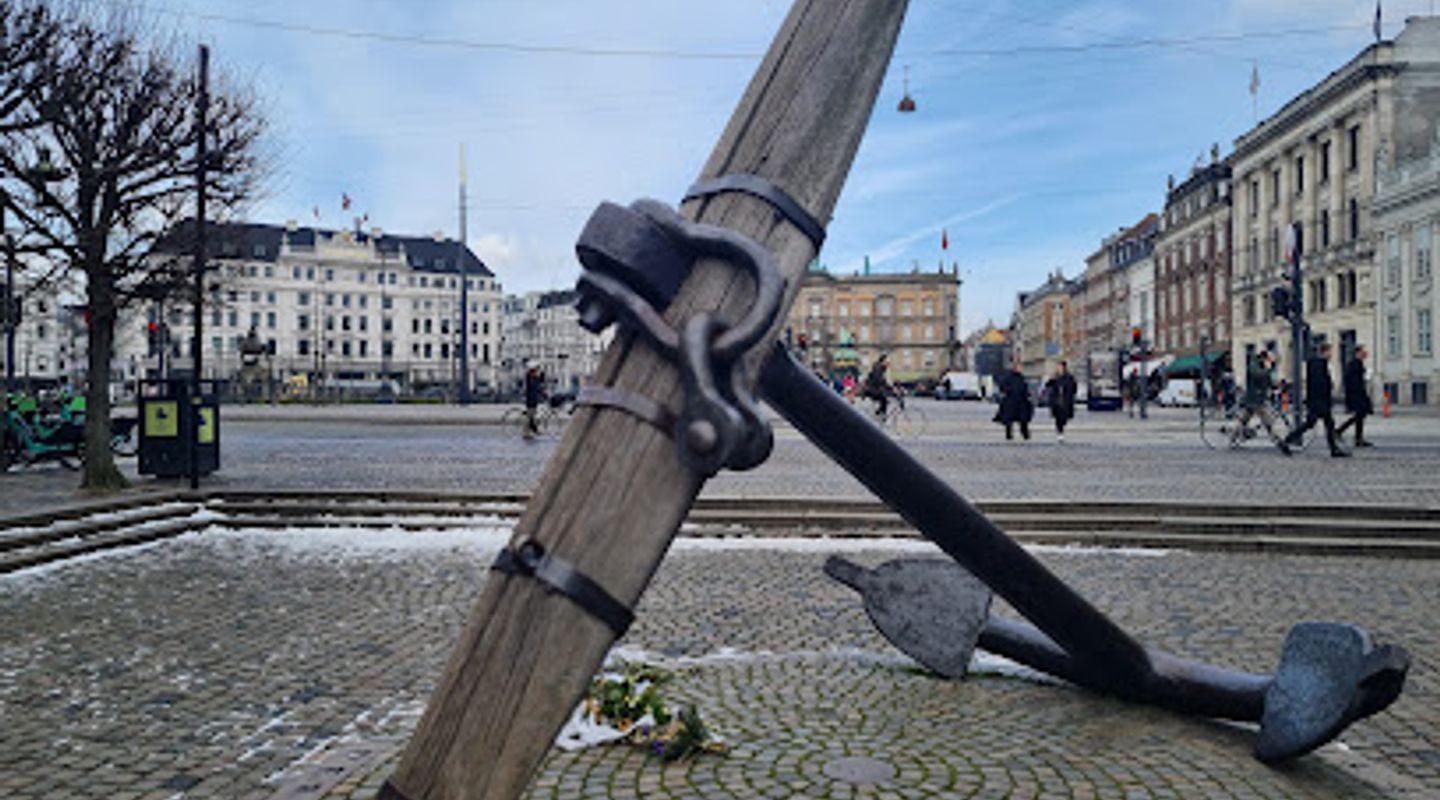
A massive frigate anchor turned national memorial, honouring Danish WWII sailors at the colourful gateway between Nyhavn’s canal and Copenhagen’s historic heart.
Set at the landward end of Copenhagen’s postcard‑perfect Nyhavn canal, the Memorial Anchor is a powerful open‑air monument to Danish civilian sailors who died at sea during the Second World War. The massive 19th‑century anchor from the frigate Fyn rests on a cobbled plinth with commemorative plaques and a buried capsule listing the names of the dead. Surrounded by colourful 17th‑century townhouses and historic wooden ships, it combines maritime history, quiet remembrance and one of the city’s most photogenic urban scenes.
On-site amenities
 Restrooms
 Drink options
 Drinking water
 Food options
 Seating areas
 Trash bins
 Information boards
Opening hours
- Every dayOpen 24 hours
Opening hours as listed on the venue’s Google Business Profile. Hours can change for services and special events, so check with the venue before you go.
- Address
- Nyhavn 1F, 1051 København
- Website
Getting there
Metro and short walk from central Copenhagen
City bus to Kongens Nytorv area
Bicycle from inner Copenhagen
Car or taxi within Copenhagen
Discover more about Memorial Anchor
A maritime monument in the heart of Nyhavn
The Memorial Anchor stands at the inland end of Nyhavn, the 17th‑century canal that forms one of Copenhagen’s most iconic vistas. Here, where sailors once entered the city from the sea, a single monumental anchor has been set on a raised cobbled platform, framed by the canal on one side and the broad square of Kongens Nytorv just behind. The setting is deliberately symbolic: this was the gateway for generations of merchant seafarers, and it is now where Denmark honours those who never came home.Walk around the anchor and you notice its sheer scale and weathered iron surface, the thick shank and flukes scarred by use. Low stone surrounds define the memorial area, and informative plaques provide a sober explanation of its purpose. Yet the backdrop is vivid and lively, with brightly painted facades, rigged masts and café terraces drawing the eye beyond the monument.
Remembering sailors lost in the Second World War
The site has been a place of remembrance since shortly after the end of the Second World War. In 1945 a tall wooden cross was first erected here, later replaced by a marble cross as a more durable marker to the merchant and civilian sailors who died between 1939 and 1945. Eventually it was decided that a maritime symbol would better capture their story. The present anchor was inaugurated in 1951, transforming the space into the memorial seen today.Beneath the anchor lies a sealed lead capsule containing the names of around 1,600 sailors, creating an invisible roll of honour under visitors’ feet. The memorial is dedicated to more than 2,000 Danish seafarers who died in Danish and Allied service, many in convoys and merchant ships far from home waters. Every year on 5 May, Denmark’s Liberation Day, wreaths, flowers and flags gather around the base during official ceremonies that temporarily turn this busy square into a solemn open‑air sanctuary.
An anchor with its own seagoing past
The anchor itself did not begin life as a monument. Cast in the 19th century, it once served on the Royal Danish Navy frigate Fyn, a ship that lay at Holmen Naval Base during the Second World War. When selected for Nyhavn, it was repurposed from a practical tool of seamanship into a sculptural object dense with symbolism: stability amid storms, the bond between ship and shore, and the weight of sacrifice.Its substantial size and traditional form contrast with the light timber hulls and slender masts of the historic vessels moored along the canal. Standing close, you can trace details such as old fixing points and join lines, reminders that this was a working piece of naval equipment before being anchored permanently on land.
The atmosphere of Nyhavn around the memorial
Part of the memorial’s power comes from the contrast between its theme and its surroundings. Nyhavn today is a pedestrian‑friendly waterfront of colourful 17th‑ and 18th‑century houses, restaurant terraces and vintage ships, once a rough‑and‑ready working harbour and now one of Copenhagen’s most recognisable streetscapes. From the anchor, the canal opens like a painted corridor of facades, while behind you the grand buildings of Kongens Nytorv frame the city’s historic core.Despite the constant flow of people, there are moments of quiet here. Early in the morning the cobbles can glisten with dew, the canal still and reflective; in winter the anchor may be dusted with frost or snow, surrounded by muted colours and low light. At other times the air hums with buskers, clinking cutlery and boat engines, emphasizing how remembrance is woven into everyday city life rather than kept apart from it.
Experiencing the memorial up close
Visiting the Memorial Anchor is an informal experience: there are no barriers, tickets or set visiting hours. You can step right up to the plinth, read the inscriptions and walk all the way around to view the harbour and square from different angles. The surrounding paving is broad and almost level, making it accessible for wheelchairs and strollers and providing space for groups during ceremonies.Photographers often use the anchor as a foreground motif, framing it against the canal, or capturing close‑up details of rust and rivets. For those interested in maritime or wartime history, nearby information boards and the wider Nyhavn harbour offer many layers of context, from historic ships to former sailors’ houses. Even a short stop rewards a few minutes of stillness: facing the water, it is easy to imagine the convoys, oceans and hard decisions behind this deceptively simple monument.
Evendo Review Centre
 Google
Guest reviews
Best time to go
Quietest: Jan, Feb & Mar · before 6am
Busy times are Evendo estimates for a typical year, to help you plan. Actual crowds vary with events, school holidays and the weather.
Explore Memorial Anchor on the map
A handpicked selection of must-see spots near Memorial Anchor, mapped for you.
Get your free copy of our complete guide to Memorial Anchor, delivered straight to you.
Everything on this page, from opening hours and how to get there to Eve’s tips and the best time to go, in one PDF you can read offline, print or share.
Already have an account? Sign in
Your Memorial Anchor guide is ready.
We'll send it to · Not you? Sign out

Getting your guide ready…
We are putting together a fresh copy of the Memorial Anchor guide. This can take up to a minute.
This can take a few moments. If your browser asks, choose Allow so the download can start. You'll find the guide in your Downloads folder.
Nothing happened? Download it again
Sorry, the guide is taking longer than usual. Please try again in a minute, or get it by email instead.
Unlock the best of Memorial Anchor
Skip-the-line tickets, guided tours with entry, and walking tours of the area, booked in a few clicks.



Other nearby places you may find interesting
The closest places of the same kind, if this one is not quite what you had in mind.
-

-
-
-
-


Swipe for more places
More to explore near Memorial Anchor

 Best experiences near Memorial Anchor
 Best hotels near Memorial Anchor
 Best landmarks near Memorial Anchor
 Best attractions near Memorial Anchor
 Best shops near Memorial Anchor
 Best restaurants near Memorial Anchor
 Best bars near Memorial Anchor
Do you manage this location?
Take control to get all the benefits, like improved information, better appearance, and stronger visibility across AI-powered discovery.
Explore more
Explore more of Copenhagen Region
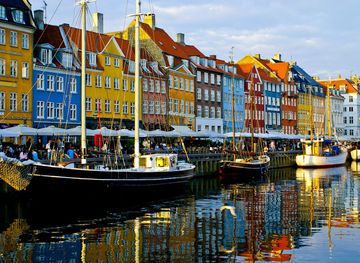
Discover the Copenhagen Region: A perfect mix of historic charm and modern vibrancy, offering scenic beauty, cultural landmarks, and a high quality of life.
Explore Copenhagen Region
Explore more of Denmark
Discover Denmark: A perfect blend of history, modern design, and the cozy concept of hygge. Explore vibrant cities, serene landscapes, and world-class cuisine.
Explore Denmark
