

Mindeparken, Lolland Falster Travel Guide
A sweeping memorial park below Marselisborg Palace, where World War I remembrance, cherry blossoms and bay views create Aarhus’s most contemplative green escape.
Mindeparken is Aarhus’s great green memorial park, spreading out below Marselisborg Palace with sweeping views over Aarhus Bay. Created in the 1920s as both a national gathering place and a World War I memorial, it combines wide lawns, cherry groves, sculpture gardens and a powerful limestone monument bearing thousands of names. Today it’s a calm, contemplative escape for walks, picnics and quiet reflection just south of the city centre.
A brief summary to Mindeparken
- Aarhus, Aarhus C, 8000, DK
- Duration: 1 to 3 hours
- Free
-
 Outdoor
- Mobile reception: 5 out of 5

Know before you go
Hi, I'm Eve. Here are a few practical things to know before exploring Mindeparken.
- Plan extra time to explore both the World War I memorial interior and the quieter tree collection and sculpture garden areas beyond the main lawns.
- Visit in May or early June to catch the cherry grove in full bloom; early mornings offer softer light and fewer people on the main paths.
- Bring a blanket and layers; the open lawns near the bay can feel cooler and breezier than the city streets, especially in spring and autumn.
- If you are sensitive to solemn spaces, visit the memorial earlier in your walk, then decompress with a gentle circuit through the gardens and waterfront edges.
- Combine your time in the park with observing the exterior of Marselisborg Palace and its grounds when they are accessible outside royal residence periods.
Do you manage this location?
Take control to get all the benefits, like improved information, better appearance, and stronger visibility across AI-powered discovery. Learn more about listing your business on Evendo
Activate your presenceOther nearby places you may find interesting
The closest places of the same kind, if this one is not quite what you had in mind.

Explore Mindeparken on the Map
A handpicked selection of must-see spots near Mindeparken, mapped for you.
Getting There
-
City bus from Aarhus C
From central Aarhus, use one of the city buses serving the Marselisborg or Strandvejen corridor; the ride typically takes 10–20 minutes depending on traffic. Expect standard city fares in the range of 20–30 DKK for a single adult ticket, valid across zones within the urban area. Buses run frequently during the day but less often in late evening and on weekends, and most stops around the park involve a short, gently sloping walk on paved surfaces.
-
Bicycle from inner Aarhus
Cycling from the city centre to Mindeparken usually takes 10–20 minutes, following established bike lanes through residential districts towards the coast. The route includes a gradual uphill section near Marselisborg Palace but no major climbs, and is suitable for most confident cyclists. You can use personal bikes or short-term rental schemes, with typical rental costs starting around 100–200 DKK per day depending on provider and season.
-
On foot from central districts
If you enjoy walking, allow 25–40 minutes to reach Mindeparken from the central shopping streets or waterfront areas. The walk is on urban pavements and park paths, with a gentle slope near the palace but no stairs if you choose step-free crossings. Surfaces are largely even, though some paths within the park itself are gravel; comfortable footwear is recommended, especially in wet or icy weather.
-
Car or taxi within Aarhus
Driving from most central neighbourhoods takes about 10–15 minutes outside rush hour, longer in peak traffic. Limited public parking is available on nearby residential streets and dedicated bays, some with time restrictions or hourly charges typically in the 15–30 DKK per hour range, so always check local signs. Taxis are widely available; expect a one-way fare of roughly 100–200 DKK depending on distance, time of day and traffic, and note that drop-off is on public roads bordering the park rather than inside it.
For the on-the-go comforts that matter to you
-
 Restrooms
-
 Seating Areas
-
 Picnic Areas
-
 Trash Bins
-
 Information Boards
Discover more about Mindeparken
A Bayfront Park Beneath the Royal Palace
Mindeparken, also known as Marselisborg Memorial Park, unfolds on a gentle slope between Marselisborg Palace and the waters of Aarhus Bay. Broad lawns flow down towards the shoreline, framed by avenues of mature trees and long sightlines to the sea. Despite being only a short distance from the centre of Aarhus, the park feels open and airy, with the palace’s white facades and manicured grounds forming an elegant backdrop on the hill above.Paths criss-cross the grass, inviting unhurried strolls, runs and bike rides. On clear days, the horizon is dotted with ships entering and leaving the harbour, and the light over the bay shifts constantly, from steely blues to soft gold at sunset. The park’s generous scale makes it easy to find your own corner, whether you prefer a sunny patch near the main lawns or a quieter bench tucked beneath the trees.A Place of Memory and National Reflection
At the heart of Mindeparken stands its defining feature: a large World War I memorial complex in pale limestone. Erected in the 1930s, it commemorates more than 4,000 Danes from South Jutland who died serving in the German army before the region was reunited with Denmark. Inside the memorial walls, every surface seems to carry names, dates and regiment details, turning the space into a solemn roll call of lives lost.The design is simple but deeply symbolic. The stone was quarried in northeastern France, close to major battlefields where many of the fallen met their end, tying the monument physically to the landscapes where the war was fought. Ceremonies are still held here on 11 November, when wreaths, flags and moments of silence reaffirm the park’s role as a living place of remembrance rather than a historic relic.Gardens, Groves and Seasonal Colour
Beyond the memorial itself, Mindeparken is divided into several distinct areas, each with its own atmosphere. To one side lies Træsamlingen, a curated collection of trees showcasing different species and growth forms. Wandering these paths feels a little like walking through an outdoor arboretum, especially in spring and autumn when fresh leaves or changing colours pick out each variety.Nearby, Rømerhaven blends sculpture and horticulture. Bronze figures are positioned beside lawns, flower beds and mirror-like ponds, adding an artistic layer to the botanical setting. Water and light play off the sculptures, particularly in early morning or late afternoon. Another highlight is the cherry grove, where rows of trees froth with blossom in May and early June. For a brief window each year, the park’s greens are overlaid with clouds of pale pink, and fallen petals scatter the paths like confetti.Everyday Life in a Monumental Setting
Despite its solemn core, Mindeparken functions very much as a local everyday space. The wide lawns host everything from quiet picnics and reading sessions to informal football games, yoga classes and fitness training. A playground offers climbing frames and swings for children, while simple outdoor exercise equipment attracts runners and calisthenics enthusiasts. The openness of the terrain makes it easy to keep an eye on children while still enjoying the setting.On warm days you will see blankets spread out under the trees, small barbecues in designated areas, and groups gathering for celebrations or community events. The constant backdrop is the bay: the sound of waves reaching the nearby shoreline and the sight of sailboats moving slowly across the water. Even when the park feels busy, its size ensures there is room to breathe and space for quieter contemplation near the memorial.Historic Buildings and Quiet Corners
In the southern reaches of the park stand the Donbæk Houses, modest brick dwellings dating from the 19th century. Once used by workers attached to the old Marselisborg estate and the surrounding forests, they now add a rural, almost village-like note at the park’s edge. Their gardens and low roofs contrast with the more formal palace grounds above, hinting at the area’s earlier, agricultural past.Elsewhere, narrower paths thread through stands of trees and pockets of denser planting, offering more secluded places to sit or walk. These less formal corners are ideal if you want a break from open lawns and prefer a feeling of being partially enclosed by foliage. Together, the historic structures, curated gardens and casual green spaces make Mindeparken a layered landscape where national memory, royal presence and everyday city life overlap in a single, expansive park.












Your all‑in‑one travel companion app
Explore expert travel guides, compare and book tours, experiences, hotels, and more—all from the palm of your hand. Download now for seamless trip planning wherever your wanderlust takes you.


Explore More of Lolland Falster
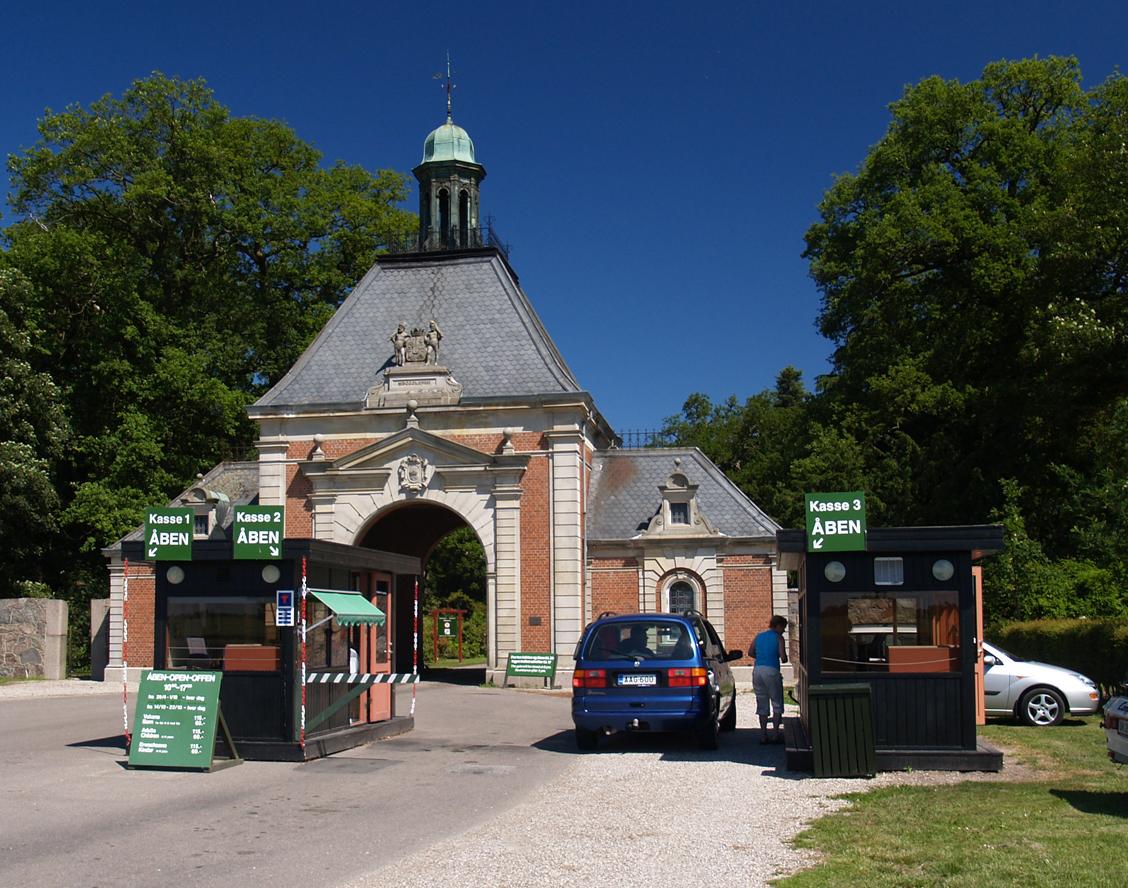
Looking beyond Mindeparken? Discover Lolland Falster for broader travel guides, local hot-spots, and regional highlights.
Explore Lolland Falster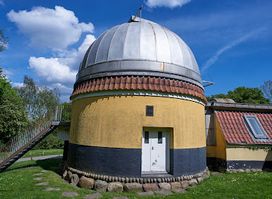
Historic hilltop observatory in Aarhus where Art Nouveau architecture, Denmark’s largest telescope and a leafy science park bring the starry sky within easy reach.

A quiet flower garden in Aarhus’ Mindeparken, where a long mirror pool and the bronze Solhesten sculpture create a tranquil, reflective retreat near Marselisborg Palace.
