

Free Lolland-Falster Travel Guide & Mobile App
Explore Lolland-Falster with free travel guides. Discover regional history, expert tips, proposed trips, and audio guides on web or mobile app.


Discover Lolland-Falster for Danish island landscapes, medieval towns, coastal cycling, art, wildlife parks and fresh local produce.
Read more about Lolland-Falster
When is the best time to visit Lolland-Falster?
Best: June–August · 20–22°C| Month | High (°C) | Rainfall (mm) |
|---|---|---|
| January | 4 | 50 |
| February | 4 | 40 |
| March | 8 | 45 |
| April | 11 | 40 |
| May | 16 | 50 |
| June (best) | 20 | 55 |
| July (best) | 22 | 60 |
| August (best) | 22 | 60 |
| September | 18 | 55 |
| October | 14 | 60 |
| November | 8 | 55 |
| December | 5 | 60 |
Getting to and around Lolland-Falster
How to get there
Transportation
Top city travel guides in Lolland-Falster
The cities of Lolland-Falster, and the easiest places to base yourself.

Swipe for more cities
Destinations in Lolland-Falster
Resorts, valleys and scenic spots worth a trip of their own.

Swipe for more destinations
Best attractions in Lolland-Falster
Lolland-Falster’s attractions range from wildlife and open-air history to art, lakes and coastal landscapes. Knuthenborg Safari Park on Lolland combines large landscaped grounds with animal habitats and family-oriented activities, while the Middelaldercentret near Nykøbing Falster interprets fourteenth-century life through reconstructed buildings, crafts and demonstrations. Maribo’s lakes provide opportunities for walking, boating and birdwatching, with the town’s cathedral and museum adding cultural depth. The Fuglsang Art Museum presents Danish art in an estate landscape on eastern Lolland, and the Dodekalitten offers monumental contemporary sculpture with wide rural views. Nakskov and its fjord are suited to harbour walks, local history and excursions around a distinctive western coastline. Beaches and small ports become more prominent on Falster’s southern and eastern shores, while the countryside between towns is marked by manor estates, villages, farm shops and quiet cycle routes. The result is an attraction landscape best experienced through a mixture of planned visits and slower exploration rather than a single concentrated sightseeing circuit.
-
Tourist attraction
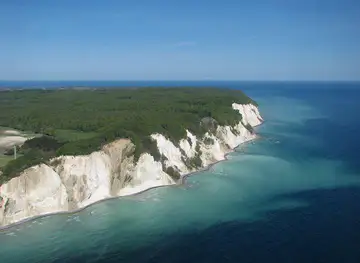
Møns Klint
Denmark's most spectacular chalk cliffs rise 130 metres above the Baltic Sea, revealing 70 million years of geological history.
-
Amusement park
Limpopoland Knuthenborg
High‑energy rides, giant playgrounds and water‑soaked thrills at the vibrant heart of Knuthenborg Safari Park on Lolland.
-
Tourist attraction
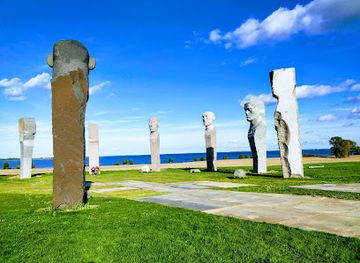
Dodekalitten
Monumental stone circle above the Småland Sea, where towering granite figures, evolving electronic music and ancient burial mounds merge into one open‑air artwork.
-
Zoo
Crocodile Zoo, Falster
Europe's largest crocodile and interactive reptile encounters in Denmark's premier wildlife zoo.
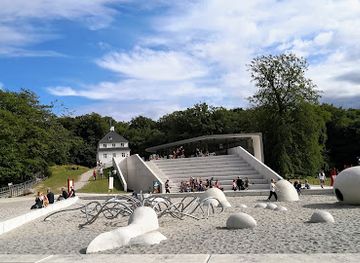
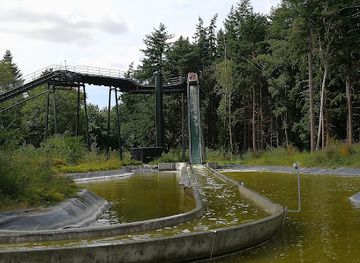
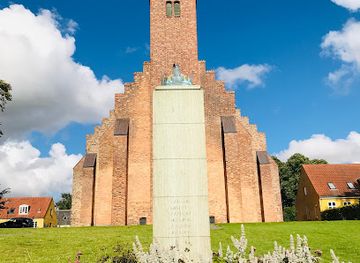

Best landmarks in Lolland-Falster
Maribo Cathedral is one of Lolland-Falster’s most prominent historic buildings, standing in a town closely associated with the medieval religious foundation that shaped its development. The Maribo Lakes form a contrasting natural landmark, their broad waters and reed-fringed edges creating one of the region’s most recognisable landscapes. Nakskov’s historic town and harbour express Lolland’s maritime past, while the long inlet of Nakskov Fjord gives the western part of the island a distinctive geography. On Falster, Nykøbing’s historic centre and the skyline of its church reflect the island’s principal urban history. Gedser, at the southern end of Falster, is a significant geographical landmark as Denmark’s southernmost town and a longstanding gateway towards Germany. Manor landscapes at places such as Fuglsang and Knuthenborg add avenues, parks and historic estate architecture to the rural scene. The Dodekalitten’s monumental stone forms provide a more contemporary landmark, set in the open countryside where art, sound and agricultural landscape meet.
-
Tourist attraction
Dodekalitten
Twelve granite sentinels and electronic music create a meditative monument where ancient legend meets contemporary art.
-
 Hotel
HotelBandholm Badehotel
Historic seaside hotel on Lolland’s quiet north coast, blending classic beach-house charm, refined local dining and a Nordic spa overlooking the calm waters of Smålandshavet.
-
Hotel
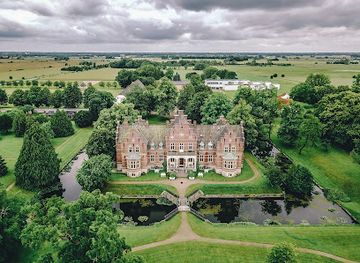
Fuglsang Herregaard - Hotel + Events + Conference
Historic manor‑house hideaway on Lolland, where art, gardens and shoreline landscapes meet for slow, quietly romantic escapes.
-
Tourist attraction
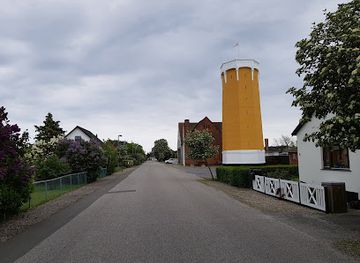
Gedser Vandtårn
Denmark's southernmost water tower offering panoramic Baltic views from its historic 18.5-metre perch.
Explore Lolland-Falster on the map
Plan your trip on one map. See where the top cities, national parks and sights are, and book hotels and experiences in a few clicks.
Best hotels in Lolland-Falster
Best restaurants in Lolland-Falster
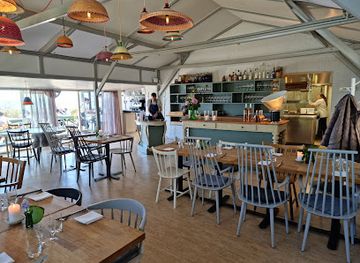
Dining in Lolland-Falster reflects the islands’ farms, harbours and productive lowlands. Restaurants, inns and cafés make use of seasonal vegetables, potatoes, dairy produce, meat and fruit, while coastal towns add fish and seafood to the regional table. Nakskov, Maribo and Nykøbing Falster offer the broadest choice of cafés, bakeries and contemporary restaurants, whereas rural areas are more associated with traditional inns, farm shops and small food producers. Local markets and direct-sale stalls are useful for discovering island-grown produce, pastries and preserves, and the agricultural landscape has a strong association with sugar-beet cultivation and food processing. Menus often reflect wider Danish cooking rather than a single dish exclusive to Lolland-Falster, but the setting and ingredients give meals a clear regional character. In summer, harbour dining and outdoor tables are particularly appealing; outside the main season, check opening arrangements before making a special journey to a rural establishment.
-
Restaurant
Larsens Plads
Big-hearted beachside restaurant and inn in central Marielyst, blending a 1930s kro lounge, generous buffets, playground courtyard and laid-back live music nights.
-
Restaurant
3kanten
Waterfront dining with modern European cuisine and sunset views over Guldborgsund.
-
Chinese
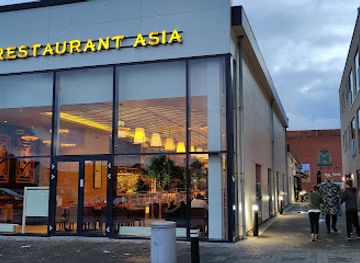
Restaurant Asia
Large, family-oriented Asian buffet in central Nykøbing Falster, serving sushi, wok and classic Chinese dishes with a playful dessert bar and casual atmosphere.
-
Restaurant
Pomle Nakke Traktørsted
Classic Danish coastal restaurant on a wooded cliff where Falster’s beech forest meets the Baltic, serving seasonal local dishes with sweeping sea views.

Best bars in Lolland-Falster
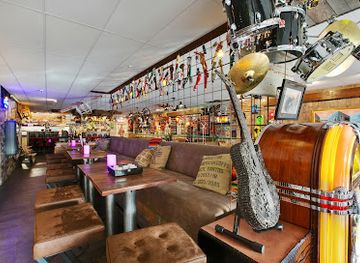
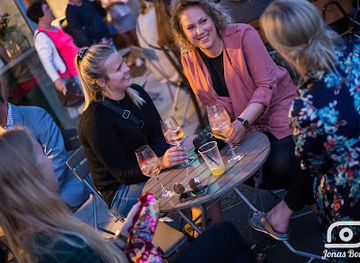
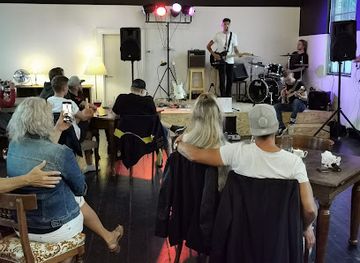
Evening life in Lolland-Falster is centred on traditional pubs, hotel bars, cafés and restaurants rather than a large club scene. Nykøbing Falster has the widest choice of late-opening venues and occasional live entertainment, while Maribo and Nakskov provide relaxed evenings around their town centres and harbours. Smaller communities tend to rely on local pubs, seasonal events and community venues, with activity often quieter outside summer. Breweries and drinks producers contribute to the region’s food-and-drink culture, but visitors should check current opening arrangements because rural venues may operate limited hours. The coastal towns can feel busier during the holiday season, whereas the islands’ inland nightlife is generally low-key and suited to conversation, local music and an unhurried meal rather than all-night clubbing.
-
Bar
City Rock
Lively bar, brasserie and arcade in central Maribo, serving hearty comfort food, drinks and retro-style games in a cosy, small-town Danish nightlife setting.
-
Bar
FUND BAR
Contemporary waterfront bar on Nykøbing Falster’s Slotsbryggen marina, pairing Danish design and creative cocktails with intimate harbor views and cozy evening vibes.
-
Live music bar
Den Sorte Engel
Moody lights, live riffs and local voices make Den Sorte Engel the intimate heart of Nykøbing Falster’s nightlife on atmospheric Skolegade.
-
Bar
Marinestuen
A snug 1930s sailors’ bar in Nykøbing Falster’s old town, mixing maritime decor, friendly locals and well-priced beers in a tucked-away side street.

Best nightclubs in Lolland-Falster
Evening life in Lolland-Falster is centred on traditional pubs, hotel bars, cafés and restaurants rather than a large club scene. Nykøbing Falster has the widest choice of late-opening venues and occasional live entertainment, while Maribo and Nakskov provide relaxed evenings around their town centres and harbours. Smaller communities tend to rely on local pubs, seasonal events and community venues, with activity often quieter outside summer. Breweries and drinks producers contribute to the region’s food-and-drink culture, but visitors should check current opening arrangements because rural venues may operate limited hours. The coastal towns can feel busier during the holiday season, whereas the islands’ inland nightlife is generally low-key and suited to conversation, local music and an unhurried meal rather than all-night clubbing.
-
Disco club
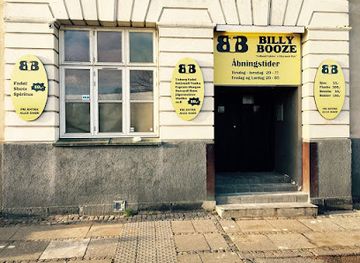
Billy Booze
Compact late-night disco in Nykøbing Falster with inexpensive drinks, loud hits and a casual dance floor vibe from Thursday to Saturday.
-
Night club
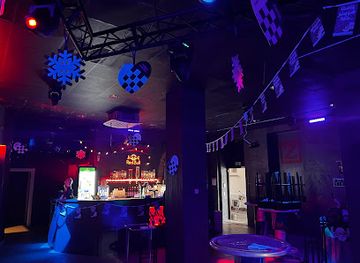
N.Y.K. Event
Compact late-night nightclub and bar in a historic Brovejen building, offering straightforward drinks, loud beats and a down-to-earth local party vibe.
-
Night club
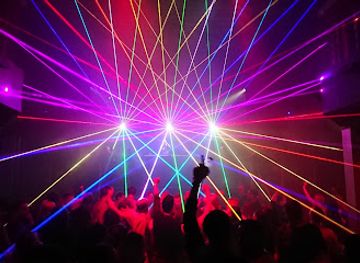
CLUB ZANZI
High‑energy waterfront nightclub bringing big‑city beats, flashing lights and late‑night dancing to the heart of coastal Nakskov.
-
Night club
Første sted
Compact late-night club on historic Slotsgade, offering straightforward drinks, DJ-led beats and an intimate glimpse of small-town nightlife in Nykøbing Falster.

Best shops in Lolland-Falster
Shopping in Lolland-Falster is concentrated in the market towns, with Nykøbing Falster offering the broadest everyday choice and Maribo and Nakskov providing independent shops, cafés, galleries and local services. Smaller towns such as Sakskøbing and Nysted are suited to browsing rather than extensive retail trips, with antiques, books, crafts and seasonal goods appearing alongside practical shops. Farm shops and roadside producers are valuable for local vegetables, fruit, preserves, honey, baked goods and other food gifts, though opening times can be seasonal. Galleries and craft outlets offer ceramics, textiles, jewellery and artwork inspired by the islands’ landscapes, while museum shops provide more curated historical and cultural souvenirs. Supermarkets are useful for provisions when travelling between rural attractions, but visitors seeking a more local shopping experience should look beyond chain stores and explore town-centre bakeries, markets and direct-from-producer stalls.
-
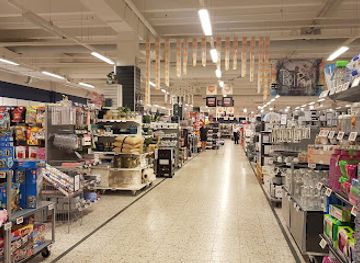
Supermarket
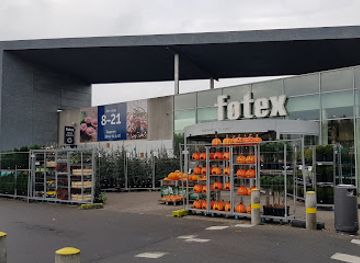
føtex
A busy hypermarket anchor in Guldborgsundcentret, blending fresh Danish groceries, everyday essentials and practical services in the heart of Nykøbing Falster.
-
Home goods store
Kvickly Nykøbing F
Central Nykøbing Falster’s all-in-one Kvickly supermarket, bakery and home goods store, ideal for stocking up on Danish staples, snacks and practical everyday essentials.
-
Flea market
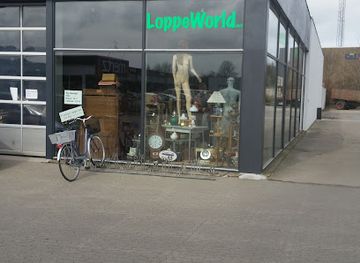
Loppeworld
A sprawling indoor flea market in Nykøbing Falster, where vintage furniture, Danish curiosities and everyday bargains fill a colourful maze of second‑hand stalls.
-
Shopping mall
Lollands Centret
Maribo's modern shopping destination with diverse retailers, dining, and services in the heart of the cathedral town.
Get your free copy of our complete guide to Lolland-Falster, delivered straight to you.
Everything on this page, from attractions and restaurants to essentials and local phrases, in one PDF you can read offline, print or share.
Already have an account? Sign in
Your Lolland-Falster guide is ready.
We'll send it to · Not you? Sign out

Getting your guide ready…
We are putting together a fresh copy of the Lolland-Falster guide. This can take up to a minute.
This can take a few moments. If your browser asks, choose Allow so the download can start. You'll find the guide in your Downloads folder.
Nothing happened? Download it again
Sorry, the guide is taking longer than usual. Please try again in a minute, or get it by email instead.
Lolland-Falster essentials
Currency and Payment
Safety
Emergency Situations
Do's and Don'ts
Local Tips
From Eve
Local phrases worth knowing
You don't need to get them perfect. A few words go a long way, and locals appreciate the effort.
Basics
| English | Local | Say it |
|---|---|---|
| Hello | Hej | [hay] |
| Goodbye | Farvel | [far-vel] |
| Yes | Ja | [yah] |
| No | Nej | [nay] |
| Please/You're welcome | Vær så venlig | [vair so ven-lee] |
| Thank you | Tak | [tahk] |
| Excuse me/Sorry | Undskyld | [oon-skuld] |
| How are you? | Hvordan har du det? | [vor-den har do deh] |
| Fine. And you? | Fint. Og dig? | [feent. oh dai] |
| Do you speak English? | Taler du engelsk? | [tay-ler do eng-elsk] |
| I don't understand | Jeg forstår ikke | [yai for-stor ig-keh] |
Eating & Drinking
| English | Local | Say it |
|---|---|---|
| I'd like to see the menu, please | Jeg vil gerne se menuen, tak | [yai vil gair-neh say me-nu-en, tahk] |
| I don't eat meat | Jeg spiser ikke kød | [yai spee-ser ig-keh kød] |
| Cheers! | Skål! | [skawl] |
| I would like to pay, please | Jeg vil gerne betale, tak | [yai vil gair-neh beh-tah-leh, tahk] |
Emergencies
| English | Local | Say it |
|---|---|---|
| Help! | Hjælp! | [yelp] |
| Go away! | Gå væk! | [gaw vek] |
| Call the Police! | Ring til politiet! | [ring til po-li-ti-et] |
| Call a doctor! | Ring efter en læge! | [ring ef-ter en lay-eh] |
| I'm lost | Jeg er faret vild | [yai air far-et vil] |
| I'm ill | Jeg er syg | [yai air soo-ee] |
Shopping
| English | Local | Say it |
|---|---|---|
| I'd like to buy... | Jeg vil gerne købe... | [yai vil gair-neh ky-beh...] |
| I'm just looking | Jeg kigger bare | [yai kee-ger bar-eh] |
| How much is it? | Hvor meget koster det? | [vor mai-hed kos-ter deh] |
| That's too expensive | Det er for dyrt | [deh air for dyurt] |
| Can you lower the price? | Kan du sænke prisen? | [kan do sen-keh pree-sen] |
Time & Numbers
| English | Local | Say it |
|---|---|---|
| What time is it? | Hvad tid er det? | [vahd tid air deh] |
| It's one o'clock | Klokken er et | [klok-ken air et] |
| Half past (10) | Halv (10) | [halv (10)] |
| Morning | Morgen | [mor-en] |
| Afternoon | Eftermiddag | [ef-ter-mi-dag] |
| Evening | Aften | [af-ten] |
| Yesterday | I går | [ee gor] |
| Today | I dag | [ee day] |
| Tomorrow | I morgen | [ee mor-en] |
| 1 | 1 | [1] |
| 2 | 2 | [2] |
| 3 | 3 | [3] |
| 4 | 4 | [4] |
| 5 | 5 | [5] |
| 6 | 6 | [6] |
| 7 | 7 | [7] |
| 8 | 8 | [8] |
| 9 | 9 | [9] |
| 10 | 10 | [10] |
Transport & Directions
| English | Local | Say it |
|---|---|---|
| Where's a/the...? | Hvor er en...? | [vor air en...?] |
| What's the address? | Hvad er adressen? | [vahd air ad-res-sen] |
| Can you show me (on the map)? | Kan du vise mig (på kortet)? | [kan do vee-seh mai (po kort-et)?] |
| When's the next (bus)? | Hvornår er den næste (bus)? | [vor-nor air den nes-te (bus)?] |
| A ticket (to ....) | En billet (til ....) | [en bi-let (til ....)] |
History of Lolland-Falster
Early settlement and prehistoric landscapes
Lolland and Falster have been occupied since the Stone Age, when communities used the coasts, wetlands and fertile lowlands for fishing, hunting and farming. Neolithic monuments, burial sites and archaeological finds across the islands show that the landscape was already being shaped by organised settlement thousands of years ago. Later Iron Age communities maintained links across the Baltic, and the islands’ position between Zealand, southern Scandinavia and the German coast helped make them part of wider networks of exchange. Much of this early heritage survives as field archaeology rather than dramatic ruins, but it explains the long continuity of settlement in the region.
Medieval churches, towns and monasteries
During the Middle Ages, Lolland-Falster became a settled agricultural region with market towns, fortified estates and numerous stone churches. Maribo grew around a late medieval religious foundation, while Nakskov developed as an important western port. Churches in villages across the islands preserve Romanesque and Gothic features, reflecting the resources invested in religious buildings by local communities and landowners. The region’s waterways and coastal position also made it strategically significant during periods of conflict between Danish rulers and neighbouring powers. Medieval town plans, manor landscapes and surviving church architecture remain among the clearest historical features encountered by travellers.
Noble estates and agricultural society
From the late medieval period into the early modern era, large estates played a major role in Lolland-Falster’s economy and social structure. Manor houses, parks, tenant farms and carefully managed woodlands developed around landholding families and royal or aristocratic interests. Estates such as Fuglsang and Knuthenborg illustrate the architectural and cultural ambitions of this period, although the surrounding countryside was sustained by generations of agricultural workers and smallholders. The low, fertile land encouraged cereal growing, livestock farming and later specialised crops, leaving a landscape of villages, avenues, fields and estate boundaries that remains recognisable today.
Ports, shipping and Baltic connections
The islands’ harbours connected local producers with markets around the Baltic and supported fishing, coastal trade and passenger movement. Nakskov became an important industrial and maritime centre on the Nakskov Fjord, while Nysted, Stubbekøbing, Gedser and other coastal settlements developed through smaller-scale shipping and ferry activity. Guldborgsund created a natural route between Lolland and Falster, linking their economies as well as separating them geographically. Maritime trade brought both opportunity and vulnerability: storms, changing shipping patterns and competition from larger ports repeatedly altered the fortunes of individual towns.
Sugar beet and industrial transformation
The introduction and expansion of sugar-beet cultivation in the nineteenth century transformed Lolland-Falster’s agriculture and industry. The islands’ fertile soils and relatively mild climate suited the crop, while processing plants and associated transport networks created seasonal and permanent employment. Sugar production became one of the defining industries of southern Denmark, shaping farm organisation, railway connections and local commercial life. Although agriculture and food processing have modernised considerably, the region’s broad fields, farm buildings and continuing cultivation of sugar beet preserve the physical legacy of this economic transformation.
Railways, ferries and the southern gateway
Nineteenth- and twentieth-century railway and ferry development strengthened Lolland-Falster’s role as a gateway between Denmark and continental Europe. Connections through the islands linked Copenhagen and Zealand with crossings towards Germany, while Gedser became particularly associated with international ferry traffic. Railways also connected inland market towns with ports and agricultural districts, making it easier to move crops, livestock and manufactured goods. Some historic routes and services have changed, but the region’s transport geography still reflects this period, with roads, bridges and ferry links continuing to shape how visitors explore the islands.
Modern cultural and landscape renewal
In recent decades, Lolland-Falster has combined its agricultural and maritime inheritance with new cultural, environmental and visitor projects. Museums, art institutions, open-air historical interpretation and wildlife attractions have broadened the region’s appeal beyond traditional seaside tourism. The Fuglsang Art Museum and Dodekalitten demonstrate different approaches to presenting art in the countryside, while wetland, lake and coastal areas support conservation and outdoor recreation. These initiatives sit alongside continuing debates about rural change, transport infrastructure and economic renewal, giving the islands a contemporary identity grounded in both heritage and adaptation.
Lolland-Falster in Photos
Browse through our photo collection highlighting the charm and character of the destination.
Neighbouring regions of Lolland-Falster
The closest regions to Lolland-Falster, if you have time for more than one.
-

-

-
-
-


Swipe for more regions
Explore more

Explore more of Denmark
Discover Denmark: A perfect blend of history, modern design, and the cozy concept of hygge. Explore vibrant cities, serene landscapes, and world-class cuisine.
Explore Denmark