
Background

Gedesby Møllelaug: A Step Back in Time

Discover Denmark's southernmost Dutch windmill in Gedesby, a beautifully restored landmark offering a glimpse into the region's milling history and vibrant community spirit.

4.3

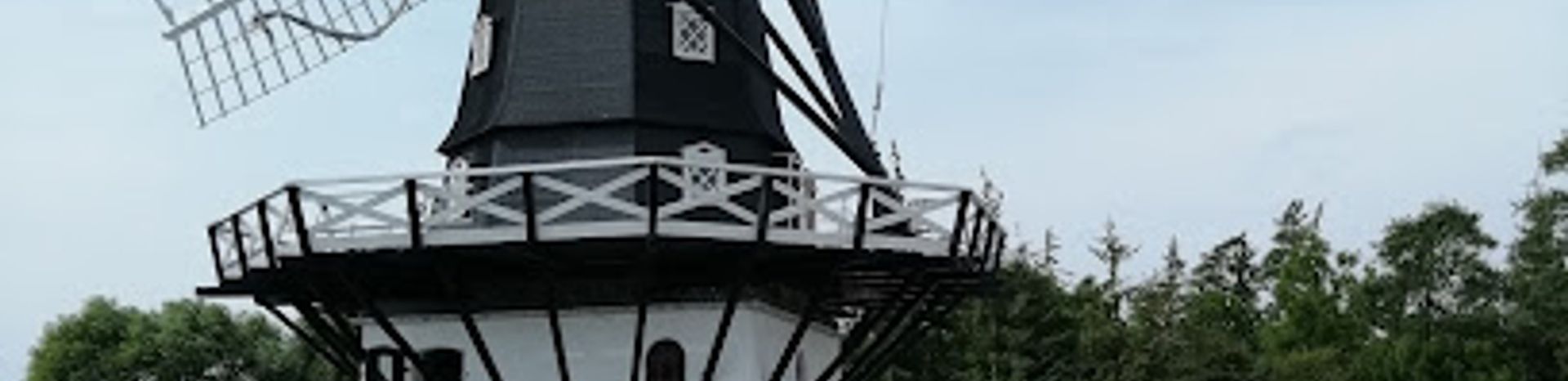
Gedesby Møllelaug, nestled in the tranquil village of Gedesby near Gedser, is a captivating museum housed within a beautifully restored Dutch windmill. Dating back to 1911, this southernmost windmill in Denmark offers visitors a unique glimpse into the region's agricultural heritage and milling traditions. Explore the inner workings of the mill, discover historical artifacts, and learn about the mill's fascinating journey from its operational days to its dedicated preservation by local enthusiasts. The surrounding area boasts picturesque landscapes, inviting gardens, and a serene atmosphere perfect for a leisurely stroll. With its blend of history, culture, and natural beauty, Gedesby Møllelaug promises an enriching and memorable experience for all ages. Don't miss the opportunity to explore the adjacent flea market, held every summer weekend and during holidays, offering unique finds and supporting the mill's preservation.

A brief summary to Gedesby Møllelaug

Local tips

  • Visit during the summer weekends or holidays to experience the lively flea market and find unique souvenirs while supporting the mill's preservation.
  • Check the official website for special events and workshops, offering hands-on experiences with traditional milling techniques and local culinary delights.
  • Take a leisurely stroll through the surrounding gardens and enjoy a picnic amidst the picturesque landscapes.
  • Explore the nearby beaches of Gedesby and Gedser for swimming, sunbathing, and stunning coastal views.
  • Combine your visit with a tour of the charming village of Gedesby, admiring its thatched-roof houses and tranquil atmosphere.
widget icon

Getting There

  • Public Transport

    From Gedser Ferry Terminal or Gedser town center, the easiest way to reach Gedesby Møllelaug is by local bus. Take the line 740 bus towards Nykøbing Falster and alight at a stop near Gedesby. From there, it's a short walk of approximately 10-15 minutes along Kobbelsøvej to the mill. A single bus fare costs approximately 20 DKK. Alternatively, from Nykøbing Falster Station, take the line 740 bus to Gedser, and alight near Gedesby Møllelaug, followed by a short walk.

  • Taxi/Ride-Share

    From Gedser Ferry Terminal or anywhere in Gedser, a taxi or ride-share service offers a convenient and direct way to reach Gedesby Møllelaug. The journey is short, typically taking around 5-10 minutes. Expect to pay approximately 80-120 DKK for the ride, depending on the starting point and traffic conditions.

  • Driving

    If driving from Gedser, follow the main road (Gedser Landevej) north towards Gedesby. Turn onto Kobbelsøvej, and Gedesby Møllelaug will be located on your right. Free parking is available near the mill. From Nykøbing Falster, head southwest on Route 9 towards Gedser. As you approach Gedser, turn right onto Kobbelsøvej. There is free parking available nearby.

  • Walking

    For those arriving at Gedser Station, it is possible to walk to Gedesby Møllelaug, although it is a longer walk of approximately 30 minutes. Head southwest on Stationsvej, continue on the main road, and turn right onto Kobbelsøvej. Gedesby Møllelaug is located at Kobbelsøvej 1.

Unlock the Best of Gedesby Møllelaug

Buy tickets

    No tickets available

Book tours with entry

    No tours available

Book tours without entry

    No tours available

q

Discover more about Gedesby Møllelaug

Gedesby Møllelaug stands as a proud testament to Denmark's rich agricultural past, offering visitors an immersive journey into the world of traditional milling and the cultural heritage of the Falster region. Located just a few kilometers northeast of Gedser, this meticulously restored Dutch windmill is not only a historical landmark but also a vibrant community hub. The mill's story began in 1911 when it replaced an older, less efficient stub mill. Kristian Hansen, recognizing the need for a modern milling solution, commissioned the construction of the current Dutch windmill. However, financial difficulties led to a change in ownership just a few years later. The mill operated successfully until 1947, grinding grain and serving as a vital economic engine for the local community. As the years passed, the windmill gradually fell into disrepair. A severe hailstorm in 1957 damaged its sails, and in 1958, the main axle broke, rendering the mill inoperable. For many years, the structure stood silent, a poignant reminder of a bygone era. In 1970, the building was repurposed as a lumberyard, a far cry from its original purpose. However, the spirit of Gedesby Mølle was far from extinguished. In 1985, two local enthusiasts spearheaded a remarkable restoration project, driven by a deep passion for preserving their heritage. Despite initial setbacks, including a lack of support from the local municipality, the community rallied together, raising funds and securing the necessary permissions to begin the arduous task of bringing the windmill back to life. After years of dedicated effort, Gedesby Mølle was fully restored and operational in 1995. The restored mill stands as a symbol of community pride and perseverance. Today, Gedesby Møllelaug welcomes visitors from near and far, offering guided tours, historical exhibits, and a chance to witness the inner workings of a traditional Dutch windmill. Knowledgeable guides share captivating stories about the mill's history, the milling process, and the lives of the people who depended on it. The windmill itself is a marvel of engineering, constructed primarily of wood and covered with roofing felt. Its relatively small wingspan of 15 meters makes it one of the smallest Dutch windmills in Denmark. Visitors can climb the internal stairs to explore the various levels of the mill, marveling at the intricate machinery and the ingenuity of its design. Beyond its historical significance, Gedesby Møllelaug also serves as a vibrant community center. The adjacent buildings and grounds host a variety of events throughout the year, including flea markets, craft fairs, and cultural celebrations. These events not only provide entertainment and opportunities for local artisans but also contribute to the ongoing preservation of the mill. One of the most popular attractions is the gigantic flea market held every Saturday and Sunday during the summer months, as well as during holidays like Easter and Christmas. This bustling market draws visitors from across Lolland and Falster, offering a treasure trove of unique finds, antiques, and local crafts. The proceeds from the flea market directly support the mill's maintenance and operations. Visitors can also enjoy the picturesque surroundings of Gedesby Møllelaug. The adjacent gardens and open spaces provide a tranquil setting for a leisurely stroll, offering stunning views of the surrounding countryside. Picnic tables and benches are available for those who wish to relax and enjoy a meal amidst the natural beauty. Gedesby itself is a charming village, characterized by its quaint streets, thatched-roof houses, and well-tended gardens. The village church and duck pond add to the idyllic atmosphere, creating a sense of timelessness and tranquility. For those seeking to explore the natural beauty of the region, Gedesby Møllelaug serves as an excellent starting point. The nearby beaches of Gedesby, Gedser, and Birkemose offer pristine sands and clear waters, perfect for swimming, sunbathing, and watersports. The varied coastline also provides excellent fishing opportunities and stunning views of the Baltic Sea. Whether you are a history buff, a culture enthusiast, or simply seeking a peaceful escape, Gedesby Møllelaug offers a unique and rewarding experience. Its blend of historical significance, community spirit, and natural beauty makes it a must-see destination in southern Denmark.

Popular Experiences near Gedesby Møllelaug

Popular Hotels near Gedesby Møllelaug

Select Currency