

Glentehøj Travel Guide
Free Guide: A 5,000-year-old passage grave offering an immersive journey into Neolithic Scandinavia and ancient burial practices.


A brief summary of Glentehøj
A 5,000-year-old passage grave offering an immersive journey into Neolithic Scandinavia and ancient burial practices.
Glentehøj is a remarkably well-preserved passage grave dating to approximately 3200 BC, nestled in the rural countryside near Torrig on Lolland-Falster. This 5,000-year-old megalithic tomb stands as one of Denmark's most significant Neolithic archaeological sites, featuring a distinctive earthen mound approximately 5 meters high and 30 meters wide. Visitors can explore the narrow 4-meter passage lined with upright stone supports and venture into the burial chamber, offering an immersive journey into prehistoric Scandinavian culture. The site is open year-round and free to visit, making it an accessible destination for history enthusiasts and nature lovers alike.
On-site amenities
 Parking
 Information boards
 Picnic areas
 Seating areas
Opening hours
- Every dayOpen 24 hours
Opening hours as listed on the venue’s Google Business Profile. Hours can change for services and special events, so check with the venue before you go.
- Address
- 4943 Torrig
- Website
Getting there
By Car from Nakskov
By Car from Kragenæs
Walking from Kragenæs
Bicycle from Kragenæs
Discover more about Glentehøj
A Window into Neolithic Denmark
Glentehøj stands as a testament to the ingenuity and cultural sophistication of Neolithic societies that flourished in Scandinavia over five millennia ago. Dating to approximately 3200 BC, this passage grave represents one of Denmark's most significant archaeological monuments, offering visitors a tangible connection to the distant past. The site's construction reflects the considerable effort and organizational capacity of Stone Age communities, who moved massive megalithic stones to create a lasting burial structure for their dead.The passage grave itself is architecturally impressive, with a 4-meter-long passage featuring five upright megalithic support stones on each side and four cover stones. The burial chamber extends 9 meters in length and tapers from 3 meters in width at one end to 1.5 meters at the other, accommodating multiple burials across generations. Seven support stones line each side of the chamber, topped by five massive cover stones that have endured millennia of weather and time. This engineering demonstrates the sophisticated understanding these ancient peoples possessed regarding stone construction and load-bearing principles.
Preservation and Historical Significance
Glentehøj's journey through history includes periods of neglect and restoration. The site originally belonged to the Halsted Convent before being excavated in 1826 by E.C. Kamla, a private tutor to Count Reventlow, who recognized its archaeological importance. Following centuries of exposure to the elements, the monument underwent comprehensive restoration in 1925, ensuring its structural integrity for future generations. On January 1, 1983, stewardship of the mound was formally transferred to Storstrøm County, solidifying its status as a protected historical site and guaranteeing its preservation as a public cultural resource.
The Physical Experience of Exploration
Approaching Glentehøj, visitors encounter an imposing earthen mound rising prominently from the surrounding landscape. A footpath leads from the parking area at Glentehøjvej to the tomb entrance, where an information board provides historical context. The experience of entering the passage grave is both intimate and adventurous; the narrow passage requires visitors to crouch or crawl, creating a visceral connection to the ancient burial practice. The uneven terrain inside demands sturdy footwear, and bringing a torch or candle is essential for safely navigating the dim interior chamber. This hands-on exploration transforms the site from a distant historical abstraction into a memorable, embodied experience.
Landscape and Seasonal Character
The surrounding countryside contributes significantly to Glentehøj's appeal and atmosphere. Rolling hills and open fields characterize the landscape, providing a sense of tranquility and connection to the natural world that has remained largely unchanged since Neolithic times. The site offers different perspectives throughout the year: summer brings lush, verdant fields that frame the ancient mound, while winter transforms the landscape with snow-covered terrain that emphasizes the monument's stark, timeless presence. The area is ideal for hiking and picnicking, with tables and benches available for visitors to pause and absorb the scenery. This integration of archaeology with natural beauty creates a holistic experience that engages both intellectual curiosity and sensory appreciation.
Cultural Context and Nearby Attractions
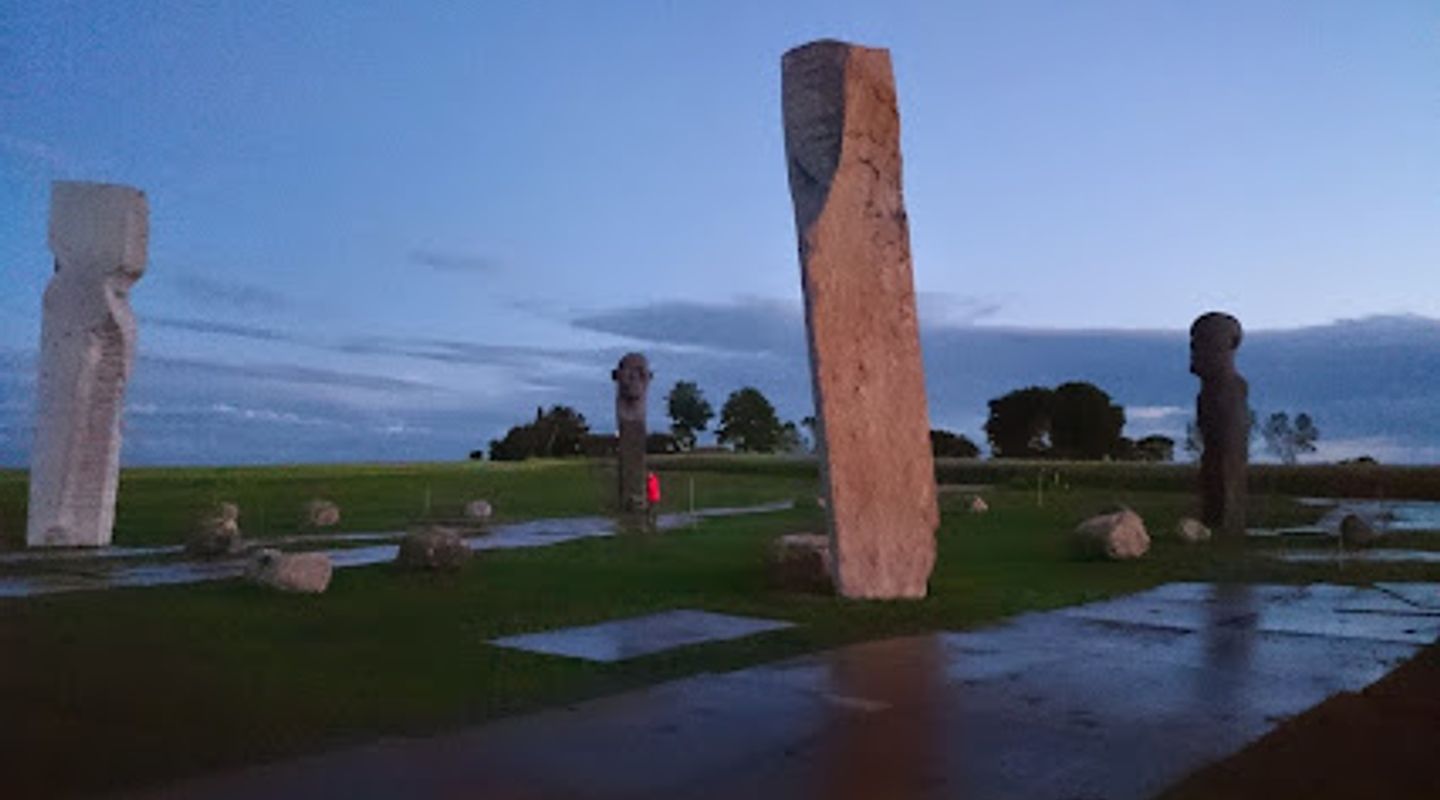
Glentehøj's location on Lolland-Falster positions it within a landscape rich in Bronze Age burial mounds and archaeological significance. Just a short distance away stands Dodekalitten, a striking contemporary art installation featuring twelve towering granite sculptures, each 7 to 9 meters tall. This juxtaposition of ancient megalithic architecture with modern monumental sculpture creates a unique cultural dialogue, allowing visitors to contemplate how different eras have expressed their understanding of permanence, community, and human significance. The contrast between the intimate, earthen passage grave and the soaring stone figures of Dodekalitten offers a compelling meditation on how societies across millennia have sought to leave their mark on the landscape.
Evendo Review Centre
 Google
Guest reviews
Best time to go
Quietest: Jan, Feb & Dec · before 7am or at 7pm
Busy times are Evendo estimates for a typical year, to help you plan. Actual crowds vary with events, school holidays and the weather.
Explore Glentehøj on the map
A handpicked selection of must-see spots near Glentehøj, mapped for you.
Get your free copy of our complete guide to Glentehøj, delivered straight to you.
Everything on this page, from opening hours and how to get there to Eve’s tips and the best time to go, in one PDF you can read offline, print or share.
Already have an account? Sign in
Your Glentehøj guide is ready.
We'll send it to · Not you? Sign out

Getting your guide ready…
We are putting together a fresh copy of the Glentehøj guide. This can take up to a minute.
This can take a few moments. If your browser asks, choose Allow so the download can start. You'll find the guide in your Downloads folder.
Nothing happened? Download it again
Sorry, the guide is taking longer than usual. Please try again in a minute, or get it by email instead.
Other nearby places you may find interesting
The closest places of the same kind, if this one is not quite what you had in mind.
-
-
-
-
-


Swipe for more places
More to explore near Glentehøj

 Best experiences near Glentehøj
 Best hotels near Glentehøj
 Best landmarks near Glentehøj
 Best attractions near Glentehøj
 Best shops near Glentehøj
 Best restaurants near Glentehøj
 Best bars near Glentehøj
Do you manage this location?
Take control to get all the benefits, like improved information, better appearance, and stronger visibility across AI-powered discovery.
Explore more

Explore more of Lolland-Falster
Discover Lolland-Falster: Denmark's serene southern islands with stunning beaches, historic castles, and charming coastal towns offering a perfect blend of nature and culture.
Explore Lolland-Falster
Explore more of Denmark
Discover Denmark: A perfect blend of history, modern design, and the cozy concept of hygge. Explore vibrant cities, serene landscapes, and world-class cuisine.
Explore Denmark
