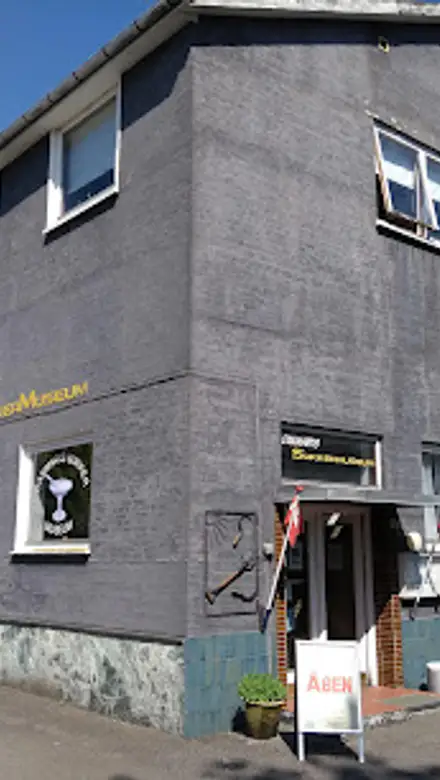
Danmarks Sukkermuseum Travel Guide
Free Guide: Discover how humble sugar beet turned Lolland’s rich soil and Nakskov’s factories into Denmark’s ‘white gold’ in this compact, story-filled industrial museum.


A brief summary of Danmarks Sukkermuseum
Discover how humble sugar beet turned Lolland’s rich soil and Nakskov’s factories into Denmark’s ‘white gold’ in this compact, story-filled industrial museum.
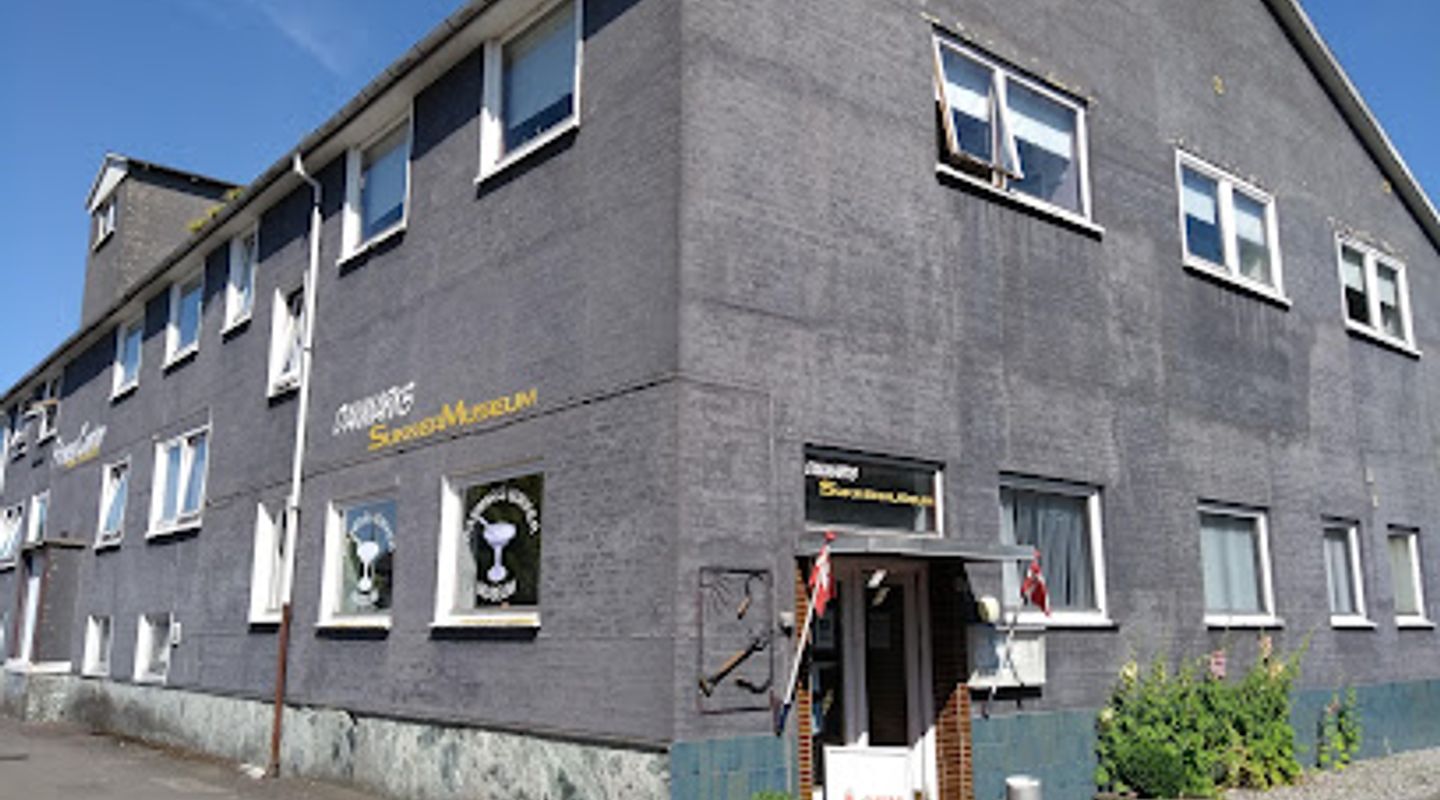
Tucked beside the working sugar factory in Nakskov, Danmarks Sukkermuseum unwraps the story of Denmark’s ‘white gold’. In former industrial premises, you explore tools from the sugar beet fields, machinery, photos, films and documents from the nine Danish sugar factories that once powered a major export industry. Exhibits trace the journey from Caribbean cane to Lolland-Falster’s beet fields, weaving technology, labour history and local life into a surprisingly rich, sugar-sweet narrative.
On-site amenities
 Restrooms
 Seating areas
 Trash bins
 Information boards
Opening hours
- MonClosed
- Tue1 pm–4 pm
- Wed1 pm–4 pm
- Thu1 pm–4 pm
- Fri1 pm–4 pm
- Sat1 pm–4 pm
- Sun1 pm–4 pm
Opening hours as listed on the venue’s Google Business Profile. Hours can change for services and special events, so check with the venue before you go.
- Address
- Løjtoftevej 22, 4900 Nakskov
- Phone
- Website
Getting there
Regional train and local bus from larger Zealand cities
Car from within Lolland-Falster and south Zealand
Local bus within Nakskov and nearby villages
Discover more about Danmarks Sukkermuseum
From Caribbean Cane to Lolland Beet
Danmarks Sukkermuseum sits on Lolland, an island whose fertile soil helped transform sugar from a colonial luxury into a cornerstone of Danish industry. Inside, the story begins far from Nakskov, with sugar cane plantations in the former Danish West Indies and the trade networks that brought raw sugar to Europe. The narrative then shifts to 1917, when Denmark sold its Caribbean islands and had to rethink how to sweeten the nation.Here you learn how sugar beet, perfectly suited to Lolland-Falster’s rich earth and cool climate, became the solution. Displays explain why beet thrived where cane could not, and how this agricultural pivot reshaped daily life for farmers, seasonal labourers and factory workers. Large maps, archival images and concise texts connect global politics, trade and technology to the fields just outside.
Machines, ‘White Gold’ and Nine Factories
The core of the museum is its detailed look at the nine sugar factories that once operated across Denmark. Photographs, models and salvaged machinery show how raw beets were washed, sliced, cooked and crystallised into sugar. You can trace the process step by step, from arrival at the factory yard to gleaming sacks of refined “white gold”.Panels describe how these factories grew into one of the country’s most important export ventures, fueling jobs, infrastructure and entire company towns. At Nakskov, Denmark’s largest sugar factory still looms nearby, and the museum uses this proximity to illustrate the link between past and present production. Old control panels, tools and safety equipment offer a tangible sense of how it felt to work in a noisy, hot, tightly choreographed industrial world.
Life in the Beet Fields
Beyond machines and output, the museum delves into the human side of beet cultivation. A substantial part of the exhibition focuses on the labour-intensive work in the fields, where weeding, thinning and harvesting were once done largely by hand. Tools with worn handles, work clothes and simple household items sketch the everyday reality of those who depended on seasonal beet work.One particularly compelling thread follows the so-called Polish beet girls, migrant workers who travelled to Lolland-Falster for the harvest. Photographs and texts recount their journeys, contracts and living conditions, placing local agriculture within a wider European migration story. This social history adds depth, showing how sugar bound together people from different regions and backgrounds.
Images, Film Reels and Sweet Artefacts
Visual material plays a major role in bringing the story to life. Historic films show the clatter of conveyor belts, steam rising from chimneys and the rhythm of factory shifts. Enlarged black-and-white photographs capture beet-laden wagons, proud factory facades and workers posing in their Sunday best. Together they create a vivid sense of a community defined by sugar.Scattered among the industrial relics are smaller, unexpected objects: branded tins, packaging, and even intricate pieces carved from sugar itself. These details highlight sugar’s place not only in heavy industry but also in everyday kitchens, festive tables and gift culture. The contrast between hard, greasy machinery and delicate sugar sculptures underlines just how many forms this commodity can take.
A Compact, Accessible Visit in Industrial Surroundings
The museum occupies a modest indoor space close to the active factory, so the visit feels focused rather than overwhelming. It is easy to move at your own pace, pausing at displays that catch your interest or following the process from field to factory in order. Clear explanations and bilingual material make the technical aspects understandable even if you lack an engineering background.Accessible facilities and a stair lift help visitors with reduced mobility, and the scale of the exhibition means you can explore thoroughly in a single afternoon. Outside, the surrounding industrial landscape and the smell of the nearby factory during campaign season reinforce what you have just learned. By the time you step back out, a teaspoon of sugar in your coffee will feel like the end of a much longer, more complicated journey.
Linking Local Stories to the Wider World
Danmarks Sukkermuseum ultimately functions as both local and national history. For Nakskov and Lolland-Falster, beet and sugar factories shaped employment, housing and identity for generations. For Denmark as a whole, the shift from colonial cane to domestic beet mirrors broader changes in trade, agriculture and technology.The museum’s strength lies in showing how all these layers fit together: geography and soil conditions, global politics, industrial innovation and the lives of ordinary workers. It is a place where heavy machines, fragile photographs and simple hand tools collectively explain how something as familiar as sugar could play such a decisive role in shaping a region and a country.
Evendo Review Centre
 Google
Guest reviews
Best time to go
Quietest: Jan, Mar & Dec · before 11am
Busy times are Evendo estimates for a typical year, to help you plan. Actual crowds vary with events, school holidays and the weather.
Explore Danmarks Sukkermuseum on the map
A handpicked selection of must-see spots near Danmarks Sukkermuseum, mapped for you.
Get your free copy of our complete guide to Danmarks Sukkermuseum, delivered straight to you.
Everything on this page, from opening hours and how to get there to Eve’s tips and the best time to go, in one PDF you can read offline, print or share.
Already have an account? Sign in
Your Danmarks Sukkermuseum guide is ready.
We'll send it to · Not you? Sign out

Getting your guide ready…
We are putting together a fresh copy of the Danmarks Sukkermuseum guide. This can take up to a minute.
This can take a few moments. If your browser asks, choose Allow so the download can start. You'll find the guide in your Downloads folder.
Nothing happened? Download it again
Sorry, the guide is taking longer than usual. Please try again in a minute, or get it by email instead.
Other nearby places you may find interesting
The closest places of the same kind, if this one is not quite what you had in mind.
-
-
-
-
-


Swipe for more places
More to explore near Danmarks Sukkermuseum

 Best experiences near Danmarks Sukkermuseum
 Best hotels near Danmarks Sukkermuseum
 Best landmarks near Danmarks Sukkermuseum
 Best attractions near Danmarks Sukkermuseum
 Best shops near Danmarks Sukkermuseum
 Best restaurants near Danmarks Sukkermuseum
 Best bars near Danmarks Sukkermuseum
Do you manage this location?
Take control to get all the benefits, like improved information, better appearance, and stronger visibility across AI-powered discovery.
Explore more
Explore more of Lolland
Discover Lolland, Denmark's tranquil island retreat, offering lush landscapes, historic sites, and delightful local cuisine for an unforgettable escape.
Explore Lolland
Explore more of Denmark
Discover Denmark: A perfect blend of history, modern design, and the cozy concept of hygge. Explore vibrant cities, serene landscapes, and world-class cuisine.
Explore Denmark