

Free Lolland Travel Guide & Mobile App
Explore Lolland with free travel guides. Discover regional history, expert tips, proposed trips, and audio guides on web or mobile app.


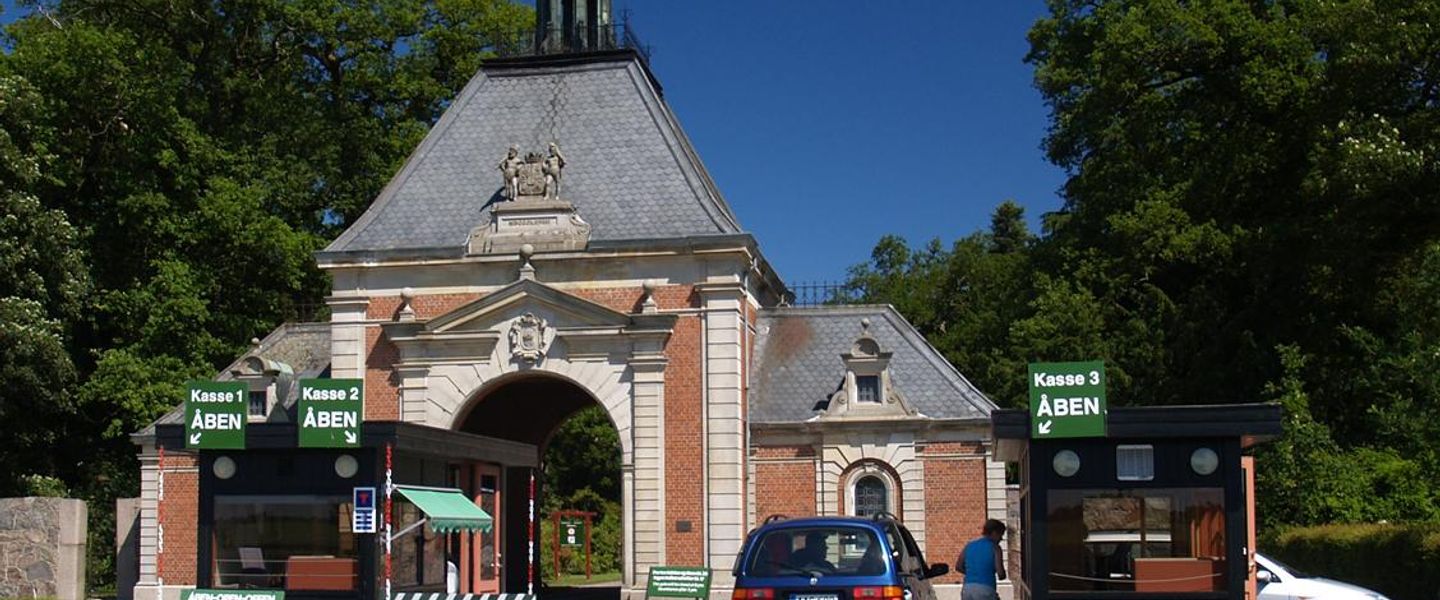


Explore Lolland’s historic market towns, Baltic coast, manor estates, wetlands, cycle routes and agricultural landscapes in southern Denmark.
Read more about Lolland
When is the best time to visit Lolland?
Best: June–August · 20–21°C| Month | High (°C) | Rainfall (mm) |
|---|---|---|
| January | 4 | 40 |
| February | 4 | 32 |
| March | 7 | 35 |
| April | 11 | 40 |
| May | 16 | 45 |
| June (best) | 20 | 50 |
| July (best) | 21 | 55 |
| August (best) | 21 | 55 |
| September | 18 | 50 |
| October | 14 | 45 |
| November | 8 | 45 |
| December | 5 | 50 |
Getting to and around Lolland
How to get there
Transportation
Best attractions in Lolland
Lolland’s attractions combine historic towns, agricultural landscapes, wetlands, coastal scenery and large-scale family experiences. Maribo is the natural starting point for the Maribo Lakes, where walking, boating and birdwatching complement a visit to the cathedral and surrounding town. Nakskov offers a contrasting maritime setting, with its historic centre, harbour and access to Nakskov Fjord. Near Bandholm, Knuthenborg Safaripark occupies the grounds of a historic estate and provides a substantial family attraction, while Pederstrup presents the cultural and landscape heritage of the Reventlow estate. The Fuglsang area brings together art, music, gardens and open countryside in a rural setting. At Kragenæs, Dodekalitten introduces monumental contemporary sculpture to a landscape of fields, water and ancient monuments. Along the southern and western edges, dikes, beaches and nature areas provide space for cycling, walking and seasonal birdwatching. Lolland is less about a dense sequence of headline sights than about the relationship between working farmland, engineered coastlines, small towns and spacious Baltic landscapes.
-
Amusement park
BonBon-Land
Outrageous candy-themed coasters, water rides and green picnic lawns combine at BonBon-Land, Denmark’s cheeky countryside amusement park for all ages.
-
Amusement park
Limpopoland Knuthenborg
High-energy rides, giant nature playgrounds and splash-filled fun bring extra excitement to Knuthenborg Safari Park’s family-friendly Limpopoland zone.
-
Tourist attraction
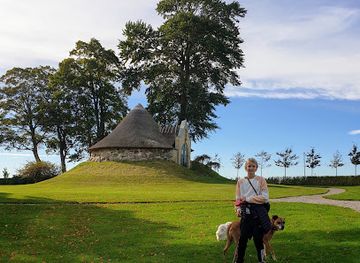
Dodekalitten
A monumental circle of twelve granite giants overlooking sea, fields and ancient burial mounds, where ever‑changing music turns a Lolland hilltop into a living, outdoor artwork.
-
Zoo
Crocodile Zoo, Falster
Denmark's only crocodile zoo featuring all living species in tropical jungle settings with Europe's largest crocodile.

Best landmarks in Lolland
Maribo Cathedral is Lolland’s most recognisable historic building, its red-brick form preserving the importance of the medieval Bridgettine monastery that once stood beside it. In Nakskov, the historic town centre and harbour express the island’s long relationship with Baltic commerce, shipbuilding and maritime transport. The dikes of southern and western Lolland are landmarks on a regional scale: practical coastal defences that also define the island’s horizon and provide routes through reclaimed land. Pederstrup manor and its surrounding estate landscape represent the influence of the Reventlow family and the agricultural order of the landed countryside. Fuglsang’s manor setting and cultural institutions add a later layer of architectural and artistic significance. Near Kragenæs, the Dodekalitten’s tall stone figures form a highly visible contemporary intervention in the rural landscape, while the Maribo Lakes provide a natural counterpoint of open water, wooded shores and lowland views. Rødbyhavn’s ferry infrastructure is another important modern landmark, reflecting Lolland’s role as a link between Denmark and northern Germany.
-
Tourist attraction
Dodekalitten
Twelve colossal granite faces overlooking the Småland waters, singing in electronic harmony—Denmark's monumental fusion of sculpture, sound, and ancient memory.
-
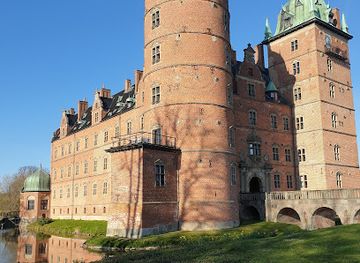
Castle
Vallø Castle
Historic red-brick Renaissance castle and landscaped parkland south of Køge, where royal patronage, noble tradition and tranquil protected countryside meet.
-
Zoo
Guldborgsund Zoo & Botanisk Have
Formerly a vibrant zoo and botanical garden in Nykøbing Falster, now transitioning to Pangea Park Falster.
-
Tourist attraction
Corselitze
Denmark's grandest Neoclassical manor, set within romantic gardens and ancient forests.


Explore Lolland on the map
Plan your trip on one map. See where the top cities, national parks and sights are, and book hotels and experiences in a few clicks.
Best hotels in Lolland
Best restaurants in Lolland
Lolland’s food culture is rooted in its productive farmland, coastal waters and small-town communities. Apples, berries, vegetables, cereals, dairy products and sugar beet are important parts of the island’s agricultural identity, and farm shops or seasonal stalls can be good places to look for locally grown produce. Restaurants and cafés in Maribo, Nakskov, Bandholm and other towns range from straightforward Danish cooking and bakery fare to contemporary menus using regional ingredients. Nakskov and the other harbour communities provide opportunities for fish and seafood, while rural inns and cafés often connect dining with estate, village or countryside settings. Traditional open sandwiches, pastries and other foods associated with Denmark are widely available, but Lolland’s distinctive character lies more in the provenance of its ingredients than in a single signature dish. Seasonal availability matters, particularly for fruit and vegetables, so menus may change during the year.
-
Restaurant
3kanten
Relaxed harbourfront café-restaurant on Nykøbing Falster’s Slotsbryggen, serving brunch, burgers and drinks with wide views over the scenic Guldborgsund.
-
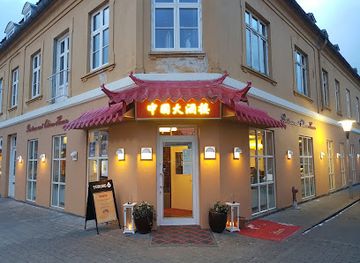
Buffet
Restaurant China House
Casual Chinese and sushi buffet in central Maribo, offering inexpensive, all‑you‑can‑eat comfort food in a relaxed, family‑friendly setting close to the town’s main sights.
-
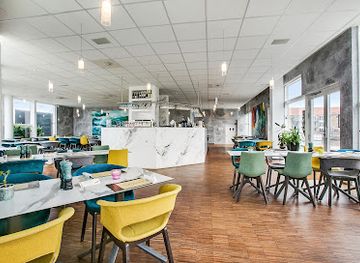
Restaurant
Cafe Victoria
Maribo's friendly gathering place for quality café fare and warm hospitality in a spacious, welcoming setting.
-
 Restaurant
Bandholm Badehotel
Historic beachfront luxury where 19th-century charm meets contemporary refinement on Denmark's Smålandshavet coast.
Best bars in Lolland
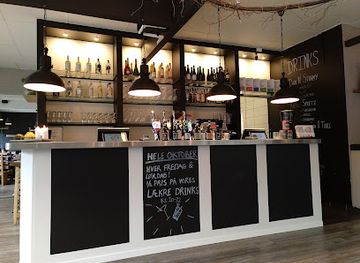
Lolland’s evening life is concentrated in its principal towns rather than spread across a large clubbing circuit. Maribo and Nakskov have the broadest choice of traditional pubs, cafés, restaurants and places for a relaxed drink, while smaller towns and harbour communities tend to centre their social life on local pubs, inns and community venues. Live music and cultural events may appear at established arts, festival or heritage venues, but schedules are seasonal and should be checked before travelling. Rødbyhavn has an evening economy influenced by ferry traffic and visitors, though it is not a major nightlife destination. In rural Lolland, evenings are generally quieter, with dining, walks, estate or cultural events providing the main alternatives to pub-going. Visitors should not assume late opening hours outside the larger towns and should plan transport home in advance.
-
Restaurant
City Rock
Maribo's lively brasserie and arcade bar where locals gather for craft drinks, pub classics, and vintage gaming.
-
Bar
Slap A'
Unpretentious local bar in Nykøbing Falster with pool tables, inexpensive drinks and a relaxed neighborhood vibe from daytime quiet to late-night chatter.
-
Bar
Billie Jean Bar
Authentic Danish smørrebrød and cocktails in the heart of Nykøbing Falster
-
Bar
FUND BAR
Waterfront cocktails, Nordic design and a smoke-free, sociable atmosphere on Nykøbing Falster’s marina-facing Slotsbryggen promenade.
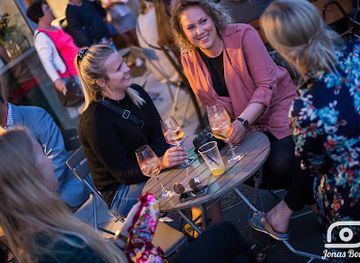
Best nightclubs in Lolland
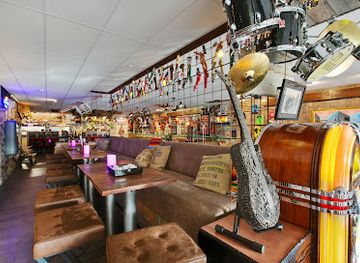
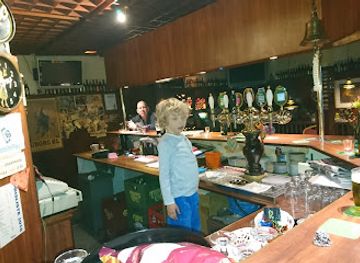
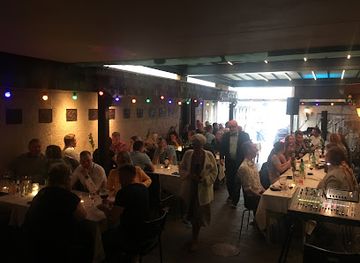
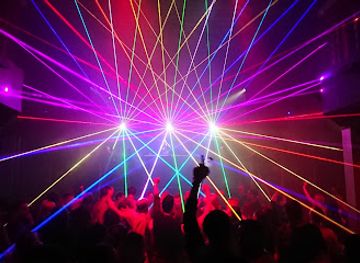
Lolland’s evening life is concentrated in its principal towns rather than spread across a large clubbing circuit. Maribo and Nakskov have the broadest choice of traditional pubs, cafés, restaurants and places for a relaxed drink, while smaller towns and harbour communities tend to centre their social life on local pubs, inns and community venues. Live music and cultural events may appear at established arts, festival or heritage venues, but schedules are seasonal and should be checked before travelling. Rødbyhavn has an evening economy influenced by ferry traffic and visitors, though it is not a major nightlife destination. In rural Lolland, evenings are generally quieter, with dining, walks, estate or cultural events providing the main alternatives to pub-going. Visitors should not assume late opening hours outside the larger towns and should plan transport home in advance.
-
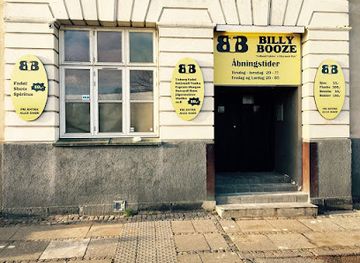
Disco club
Billy Booze
Compact, loud and late: a no-frills disco bar where Nykøbing Falster keeps dancing long after the rest of town goes quiet.
-
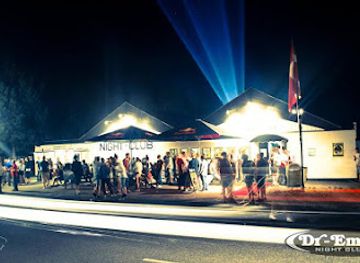
Night club
Dr. Emil Laboratory, Marielyst
High‑energy summer nightclub on Marielyst’s main beach strip, blending live music, DJs and bar culture just a short stroll from the Baltic Sea.
-
Night club
N.Y.K. Event
Historic nightclub where Nykøbing Falster's evening energy comes alive.
-
Jazz
Riverside Jazz Club
Intimate riverside jazz nest in Nykøbing Falster, where volunteer passion, live bands and Danish hygge turn winter evenings into warm, swinging nights.

Best shops in Lolland
Shopping on Lolland is primarily local and practical, centred on the high streets of Nakskov, Maribo, Sakskøbing, Nysted and other market towns rather than large-scale luxury retail. Visitors will find independent shops, bakeries, cafés, galleries, bookshops and everyday services, with each town offering a slightly different atmosphere. Nakskov provides the broadest urban selection, while Maribo combines shopping with access to its historic centre and lakes. Farm shops and seasonal stalls are useful for apples, berries, vegetables, honey and other regional produce, although opening arrangements can vary. Craft outlets and galleries connected with rural estates or cultural venues may offer ceramics, prints, textiles and locally made gifts. Danish design and food products are also available, but Lolland is best suited to visitors looking for regional produce, small independent retailers, antiques and practical souvenirs rather than an extensive designer-shopping itinerary.
-
Shopping mall
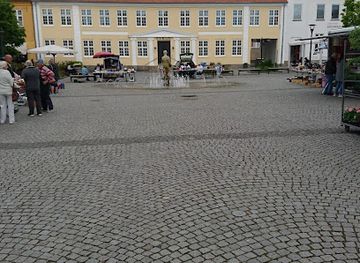
Lollands Centret
Compact, convenient and central, Lollands Centret is Maribo’s modern indoor hub for groceries, everyday shopping and a sheltered pause between lake and old town.
-
Flea market
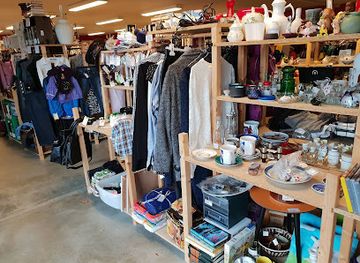
Kirppu Nykøbing Falster
Bright, weatherproof flea “supermarket” in Guldborgsundcentret, where ever-changing private stands turn everyday browsing into a relaxed hunt for vintage and second-hand treasures.
-
Furniture store
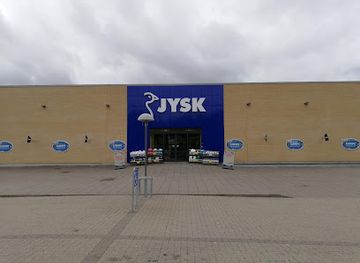
JYSK
Scandinavian home furnishings and interior design in a bright, welcoming retail environment.
-
Second hand store
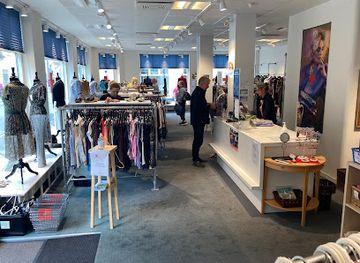
Red Cross Op Shop
Community-driven Red Cross thrift shop in central Maribo, where sustainable bargains, friendly volunteers and humanitarian purpose meet on a cosy Danish high street.
Get your free copy of our complete guide to Lolland, delivered straight to you.
Everything on this page, from attractions and restaurants to essentials and local phrases, in one PDF you can read offline, print or share.
Already have an account? Sign in
Your Lolland guide is ready.
We'll send it to · Not you? Sign out

Getting your guide ready…
We are putting together a fresh copy of the Lolland guide. This can take up to a minute.
This can take a few moments. If your browser asks, choose Allow so the download can start. You'll find the guide in your Downloads folder.
Nothing happened? Download it again
Sorry, the guide is taking longer than usual. Please try again in a minute, or get it by email instead.
Lolland essentials
Currency and Payment
Safety
Emergency Situations
Do's and Don'ts
Local Tips
From Eve
Local phrases worth knowing
You don't need to get them perfect. A few words go a long way, and locals appreciate the effort.
Basics
| English | Local | Say it |
|---|---|---|
| Hello | Hej | [hey] |
| Goodbye | Farvel | [far-vel] |
| Yes | Ja | [yah] |
| No | Nej | [nay] |
| Please/You're welcome | Venligst | [ven-list] |
| Thank you | Tak | [tahk] |
| Excuse me/Sorry | Undskyld | [oon-skyl] |
| How are you? | Hvordan har du det? | [vor-den har do deh] |
| Fine. And you? | Fint. Og dig? | [feent. o dahy?] |
| Do you speak English? | Taler du engelsk? | [tay-ler doo eng-elsk] |
| I don't understand | Jeg forstår ikke | [yay for-stor ik-ke] |
Eating & Drinking
| English | Local | Say it |
|---|---|---|
| I'd like to see the menu, please | Jeg vil gerne se menuen, venligst | [yay vil gær-ne say meh-nuen, ven-list] |
| I don't eat meat | Jeg spiser ikke kød | [yay spee-ser ik-ke kød] |
| Cheers! | Skål! | [skol] |
| I would like to pay, please | Jeg vil gerne betale, venligst | [yay vil gær-ne be-ta-le, ven-list] |
Emergencies
| English | Local | Say it |
|---|---|---|
| Help! | Hjælp! | [yelp] |
| Go away! | Gå væk! | [gaw vek] |
| Call the Police! | Ring til politiet! | [ring til po-li-teet] |
| Call a doctor! | Ring efter en læge! | [ring ef-ter en lay-eh] |
| I'm lost | Jeg er faret vild | [yay air far-et vil] |
| I'm ill | Jeg er syg | [yay air syug] |
Shopping
| English | Local | Say it |
|---|---|---|
| I'd like to buy... | Jeg vil gerne købe... | [yay vil gær-ne kø-be] |
| I'm just looking | Jeg kigger bare | [yay kee-ger bar-e] |
| How much is it? | Hvor meget koster det? | [vor mai-hed koster deh] |
| That's too expensive | Det er for dyrt | [deh air for dyurt] |
| Can you lower the price? | Kan du sænke prisen? | [kan doo sen-ke pree-sen] |
Time & Numbers
| English | Local | Say it |
|---|---|---|
| What time is it? | Hvad tid er det? | [vadh teed air deh] |
| It's one o'clock | Det er et klokke | [deh air et klok-ke] |
| Half past (10) | Halv (10) | [halv (ten)] |
| Morning | Morgen | [mor-ren] |
| Afternoon | Eftermiddag | [ef-ter-mi-dahg] |
| Evening | Aften | [af-ten] |
| Yesterday | I går | [ee gaw] |
| Today | I dag | [ee day] |
| Tomorrow | I morgen | [ee mor-ren] |
| 1 | 1 | [1] |
| 2 | 2 | [2] |
| 3 | 3 | [3] |
| 4 | 4 | [4] |
| 5 | 5 | [5] |
| 6 | 6 | [6] |
| 7 | 7 | [7] |
| 8 | 8 | [8] |
| 9 | 9 | [9] |
| 10 | 10 | [10] |
Transport & Directions
| English | Local | Say it |
|---|---|---|
| Where's a/the...? | Hvor er en...? | [vor air en...?] |
| What's the address? | Hvad er adressen? | [vadh air ad-res-sen] |
| Can you show me (on the map)? | Kan du vise mig (på kortet)? | [kan doo vee-se my (poh kort-et)?] |
| When's the next (bus)? | Hvornår er den næste (bus)? | [vor-nor air den næ-sté (bus)?] |
| A ticket (to ....) | En billet (til ....) | [en bee-let (til ....)] |
History of Lolland
Prehistoric Lolland and the Stone Age
Lolland has been occupied since prehistoric times, and its flat soils and coastal waters supported both settlement and movement long before written records. Neolithic monuments, including the passage grave known as Kong Svends Høj near Kragenæs, indicate the organisation and ritual life of farming communities several thousand years ago. Other archaeological evidence has been revealed by agriculture, road building and major infrastructure projects. The island’s many waterways and sheltered fjords also made fishing, transport and contact with neighbouring islands important from early periods.
Medieval Monastic and Market Life
During the Middle Ages, Lolland developed a network of churches, villages, estates and market settlements connected to agriculture and Baltic trade. Maribo became an important religious centre after the establishment of its Bridgettine monastery in the fifteenth century; the surviving Maribo Cathedral belongs to this legacy. Nakskov grew as a fortified and commercial port, while town privileges and ecclesiastical institutions helped organise local trade. Medieval churches across the island preserve evidence of the wealth and social structures created by farming communities.
Ports, Estates and Baltic Trade
From the early modern period onwards, Lolland’s position between the Danish islands, the Baltic and northern Germany encouraged maritime commerce. Nakskov served as the principal port, while smaller harbours such as Bandholm and Nysted handled agricultural goods, fishing and regional transport. Large estates shaped the countryside, concentrating landholding and influencing local employment, architecture and cultural life. Manor houses and landscaped estates, including Pederstrup and Fuglsang, remain visible reminders of the relationship between agricultural production, landed power and artistic patronage.
Agriculture and the Sugar-Beet Economy
Lolland’s fertile, relatively level land became closely associated with intensive agriculture, particularly sugar beet cultivation from the nineteenth century. The crop supported processing, transport and seasonal labour, linking farms with factories and ports. Although the industrial structure of the sector has changed, sugar beet remains an important symbol of the island’s economic identity. The agricultural landscape visible today—large fields, farm settlements, drainage channels and wind-exposed roads—reflects generations of cultivation and the continuing importance of food production.
Railways, Ferries and Modern Mobility
Railways and ferry services transformed Lolland’s relationship with the rest of Denmark and with Germany. Railway lines connected Nakskov, Maribo, Rødby and other towns, while the Rødby–Puttgarden ferry became a major link across the Fehmarn Strait. The route brought international travellers, freight and employment to Rødbyhavn and reinforced Lolland’s position as a European transit island. Transport infrastructure continues to influence the region, including the long-term development associated with the Fehmarnbelt Fixed Link, whose construction is changing parts of the island’s modern landscape.
Land Reclamation and Coastal Engineering
Much of southern and western Lolland has been shaped by dikes, drainage and land-reclamation schemes. Communities have repeatedly managed the risks posed by storms and rising water in a low-lying environment, converting marshy or periodically flooded land into fields and settlements. The dikes are therefore not merely scenic paths but working elements of the island’s protection and agricultural system. Their presence, together with reclaimed coastal areas and drainage channels, explains why Lolland’s landscape looks highly ordered even where it borders open Baltic water.
Cultural Renewal and the Contemporary Island
In recent decades, Lolland has combined its farming and transport traditions with renewed interest in art, heritage, ecological landscapes and cultural tourism. Fuglsang’s art and music activities, the Dodekalitten sculpture project near Kragenæs and the restoration or interpretation of historic estates illustrate different approaches to contemporary cultural life. At the same time, demographic change, renewable energy, tourism and major infrastructure projects have shaped public debate. Modern Lolland is consequently both a working agricultural region and a place in transition, rather than simply a preserved rural landscape.
Lolland in Photos
Browse through our photo collection highlighting the charm and character of the destination.
Neighbouring regions of Lolland
The closest regions to Lolland, if you have time for more than one.
-

-

-

-
-


Swipe for more regions

