The Old Print Shop Travel Guide
Free Guide: A compact working print museum in central Nakskov where clattering presses, metal type and local traditions keep the craft of letterpress alive.


A brief summary of The Old Print Shop
A compact working print museum in central Nakskov where clattering presses, metal type and local traditions keep the craft of letterpress alive.
Det Gamle Trykkeri in Nakskov is a small, working print museum where clattering presses, trays of metal type and the smell of ink bring the craft of letterpress back to life. Housed in an atmospheric former print shop on Jernbanegade, it preserves traditional techniques used to produce local newspapers, pamphlets and the beloved Danish Christmas almond-gift certificate. Demonstrations, original machinery and locally inspired printed pieces offer a hands-on glimpse into the town’s graphic heritage.
On-site amenities
 Restrooms
 Trash bins
 Information boards
 Seating areas
Opening hours
- Mon10 am–12 pm
- TueClosed
- Wed10 am–2 pm
- ThuClosed
- FriClosed
- SatClosed
- SunClosed
Opening hours as listed on the venue’s Google Business Profile. Hours can change for services and special events, so check with the venue before you go.
- Address
- Jernbanegade 8, 4900 Nakskov
- Phone
- Website
Getting there
Regional train and short walk
Car from within Lolland-Falster
Local bus within Nakskov area
Discover more about The Old Print Shop
A living workshop of ink and type in central Nakskov
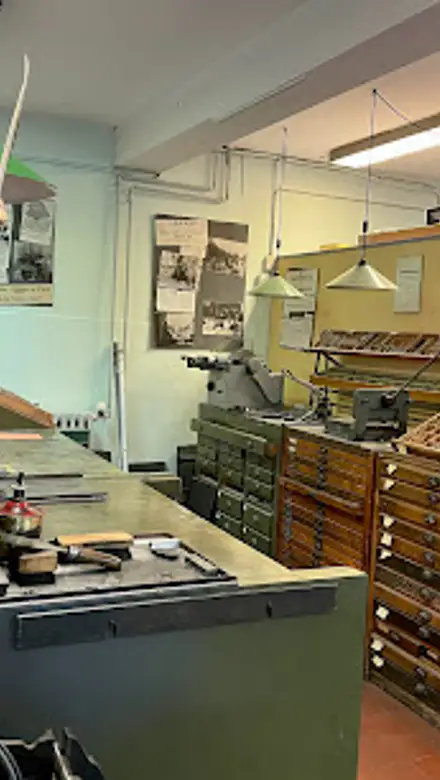
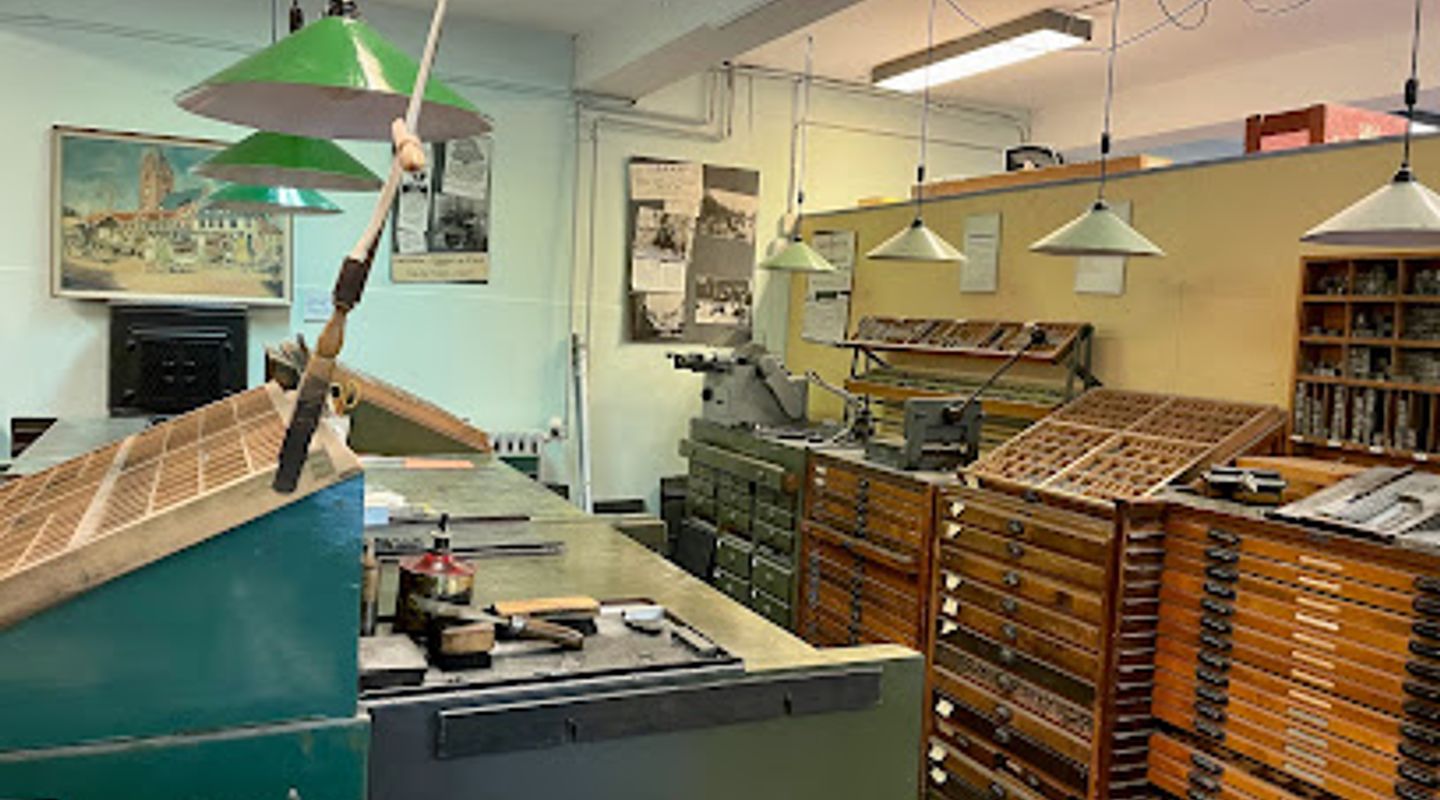
Det Gamle Trykkeri sits on a quiet street in Nakskov’s center, yet stepping through the door feels like entering a different era of communication. The compact rooms are packed with hulking printing presses, wooden cases of lead type and well-worn tools, all arranged as if the printers have just stepped out for a quick break. Rather than a static display, the space functions as a working shop where traditional methods are still used to produce small runs of printed items.The museum grew out of a desire to preserve the town’s printing heritage, and many of the machines on show once served local businesses and associations. Today, visitors can trace the journey from handset type to finished sheet, gaining a close-up look at a craft that shaped everything from posters and business cards to local notices.
From metal letters to finished pages
One of the most engaging aspects of Det Gamle Trykkeri is how clearly it explains the step-by-step process behind letterpress printing. Drawers slide open to reveal neatly sorted metal letters, punctuation and special characters, each tiny piece designed to be assembled by hand into lines of text. Composing sticks, inking rollers and composing tables show how painstaking that task once was.Nearby, large printing presses stand ready to be operated, their levers, wheels and heavy platens demonstrating the sheer mechanical force needed to transfer ink to paper. When the machines run, the rhythmic clank and whir fill the room, giving a vivid sense of the physical effort behind every sheet that left the shop over the decades.
Local stories on every printed sheet
Beyond the machinery, the museum highlights how printing helped knit together everyday life in Nakskov. Displays of posters, letterheads and pamphlets reveal familiar place names, businesses and events, offering small windows into the town’s social history. Particularly charming are the locally inspired publications and seasonal pieces that are still produced here on the old presses.A well-loved tradition is the printing of the classic Christmas almond-gift certificate, used in connection with the Danish holiday dessert risalamande. These small, beautifully set cards show how the historic equipment continues to serve a modern purpose, bridging generations through both craft and custom.
Close-up encounters with craft and technique
The intimate scale of Det Gamle Trykkeri invites slow exploration. Visitors can study the detailed engineering of each press, compare different typefaces and see how layout and spacing influence the look of a page. With everything at arm’s length, it becomes easy to understand why the printer’s trade demanded accuracy, patience and a good eye for design.Knowledgeable staff and volunteers often demonstrate the machines, answering questions about how long it took to set a page, how color was managed and how errors were corrected. Their explanations turn what might seem like obscure technology into a surprisingly accessible and tactile story.
A compact museum with deep appeal for the curious
Although the museum occupies only a modest footprint, it can absorb attention for far longer than its size suggests. History enthusiasts find links to broader themes of industrialization and communication, while designers and typography fans are drawn to the physicality of type and print. Children are often fascinated by the moving parts and the clear cause-and-effect between the operator’s actions and the printed page.Det Gamle Trykkeri is also part of a small network of working museums in Nakskov that preserve traditional crafts, making it a natural stop on a cultural wander through town. Its central location on Jernbanegade and clearly defined opening hours mean it fits easily into a half-day of exploration, whether as a focused visit or a rewarding detour between other sights.
Planning your visit to this working museum
Opening hours vary across the week and are typically limited to specific mornings, so it is worth checking current times in advance, especially outside the main season. Visits are usually short and flexible, allowing time to watch demonstrations, ask questions and study the details that most interest you.The atmosphere is informal and welcoming, with an emphasis on direct encounters with heritage rather than large-scale exhibitions. With its combination of historic machinery, local stories and a still-active workshop, Det Gamle Trykkeri offers a distinctive glimpse of how words and images were once brought to life on paper in this corner of Denmark.
Evendo Review Centre
 Google
Guest reviews
Best time to go
Quietest: Jan, Feb & Nov · before 8am or at 4pm
Busy times are Evendo estimates for a typical year, to help you plan. Actual crowds vary with events, school holidays and the weather.
Explore The Old Print Shop on the map
A handpicked selection of must-see spots near The Old Print Shop, mapped for you.
Get your free copy of our complete guide to The Old Print Shop, delivered straight to you.
Everything on this page, from opening hours and how to get there to Eve’s tips and the best time to go, in one PDF you can read offline, print or share.
Already have an account? Sign in
Your The Old Print Shop guide is ready.
We'll send it to · Not you? Sign out

Getting your guide ready…
We are putting together a fresh copy of the The Old Print Shop guide. This can take up to a minute.
This can take a few moments. If your browser asks, choose Allow so the download can start. You'll find the guide in your Downloads folder.
Nothing happened? Download it again
Sorry, the guide is taking longer than usual. Please try again in a minute, or get it by email instead.
Other nearby places you may find interesting
The closest places of the same kind, if this one is not quite what you had in mind.
-
Labyrint Lolland-Falster Lose yourself in a leafy forest maze where quiz clues, gentle trails and fresh Lolland-Falster air turn getting lost into an easygoing family adventure.
-
Evolution Museet World-class real dinosaur fossils and a 300-million-year journey through evolution, set inside Denmark’s Knuthenborg Safaripark on the island of Lolland.
-
Lupinmark A seasonal sea of lupins turning the Lolland farmland into a vivid carpet of color, perfect for a peaceful countryside pause and striking photographs.
-
Skelsnæs-pavillionen A restored 1822 forest pavilion on a lakeside promontory in Naturpark Maribosøerne, offering peaceful picnic shelter amid historic woods and bird‑rich waters.
-
Relic of the Castle Revshale Subtle grassy earthworks on Borgø Island where a forgotten royal fortress, fierce 13th‑century battles and the serene Maribo Lakes Nature Park meet.
Swipe for more places
More to explore near The Old Print Shop

 Best experiences near The Old Print Shop
 Best hotels near The Old Print Shop
 Best landmarks near The Old Print Shop
 Best attractions near The Old Print Shop
 Best shops near The Old Print Shop
 Best restaurants near The Old Print Shop
 Best bars near The Old Print Shop
Do you manage this location?
Take control to get all the benefits, like improved information, better appearance, and stronger visibility across AI-powered discovery.
Explore more
Explore more of Lolland
Discover Lolland, Denmark's tranquil island retreat, offering lush landscapes, historic sites, and delightful local cuisine for an unforgettable escape.
Explore Lolland
Explore more of Denmark
Discover Denmark: A perfect blend of history, modern design, and the cozy concept of hygge. Explore vibrant cities, serene landscapes, and world-class cuisine.
Explore Denmark