Dynæs Voldsted
Medieval fortress ruin commanding Juulsø lake, where 14th-century power and water strategy converge.
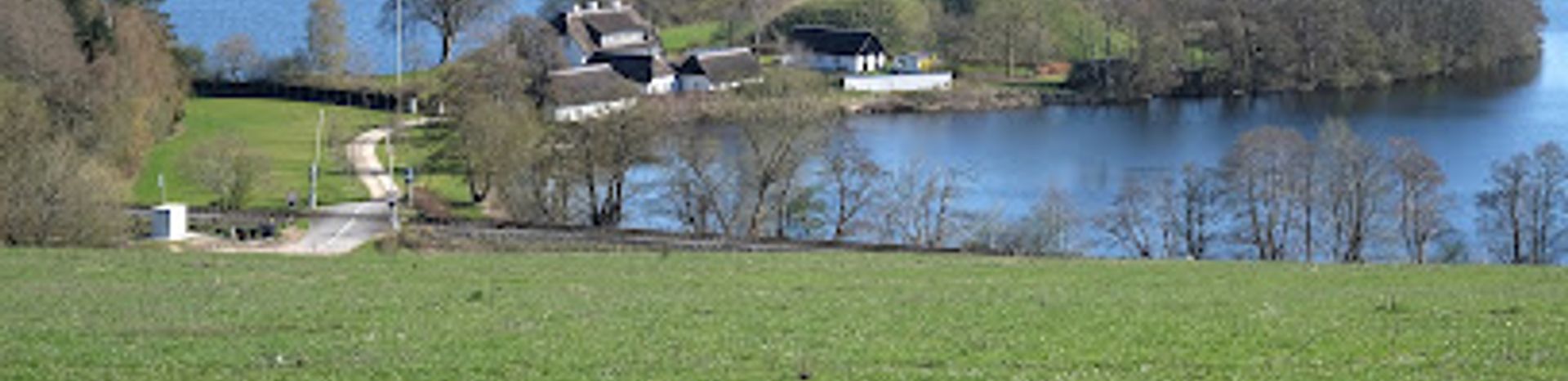
A striking medieval fortress ruin on a peninsula jutting into Juulsø lake near Silkeborg, Denmark. The site features a 12-meter-high rampart bank surrounded by defensive ditches, remnants of a fortified structure that once controlled waterway traffic along the Gudenå river system. Dating to the 14th–15th centuries, Dynæs exemplifies medieval military strategy in Denmark's turbulent post-Valdemar era. Public access via footpath; no facilities nearby.
A brief summary to Dynæs voldsted
- Silkeborg, 8600, DK
- Click to display
- Duration: 0.75 to 2 hours
- Free
-
 Outdoor
- Mobile reception: 3 out of 5

Know before you go
Hi, I'm Eve. Here are a few practical things to know before exploring Dynæs voldsted.
- Visit in late spring or early autumn when weather is mild and vegetation is manageable; winter can be muddy and slippery on the approach path.
- Bring sturdy walking shoes and allow extra time for the steep climb up the rampart; the 12-meter ascent is steep but manageable for most visitors.
- There are no facilities on-site; bring water and snacks, and plan to visit as part of a larger Silkeborg exploration since parking is not available nearby.
- The site offers excellent views across Juulsø lake; bring a camera or binoculars to appreciate the landscape that medieval defenders once monitored.
- Combine your visit with nearby Silkeborg Castle and the Gudenå river trail to understand the broader medieval defensive network of the region.
Do you manage this location?
Take control to get all the benefits, like improved information, better appearance, and stronger visibility across AI-powered discovery. Learn more
Activate your presenceOther nearby places you may find interesting
Getting There
-
Bus from Silkeborg Town Centre
Local buses serve the Silkeborg area with connections to nearby stops; journey time approximately 10–15 minutes depending on route. Service frequency varies seasonally; check local transport schedules. No direct stop at the site; final approach requires a 10–15 minute walk from the nearest bus stop along residential streets and a footpath between buildings to reach the peninsula entrance.
-
Bicycle from Silkeborg Town Centre
Silkeborg is well-connected by cycling routes; the journey from town centre to Dynæs is approximately 3–4 kilometers and takes 15–20 minutes on flat terrain. Follow local cycle paths toward the lake shore. No dedicated parking for bicycles at the site, but the approach is accessible year-round. Terrain is easy to moderate.
-
Walking from Silkeborg Town Centre
A scenic walk of approximately 1.5–2 kilometers takes 25–35 minutes from Silkeborg town centre. Follow paths toward the lake shore and Juulsø; the final approach is via a footpath between residential buildings and along the lake edge. Terrain is flat to gently rolling; the site itself requires climbing a steep 12-meter rampart.
-
Car via Regional Roads
Dynæs is accessible by car from Silkeborg via local roads; journey time approximately 5–10 minutes depending on starting point. However, there is no dedicated parking area in immediate proximity to the site. Visitors must park in nearby residential areas or Silkeborg town and walk the final distance. The narrow peninsula approach is not suitable for vehicle access.
For the on-the-go comforts that matter to you
-
 Information Boards
Discover more about Dynæs voldsted
A Fortress Born from Medieval Conflict
Dynæs Voldsted stands as a tangible reminder of Denmark's tumultuous 14th century, when royal authority fractured and regional strongholds became essential instruments of power. The site's name first appears in written records in 1360, though its construction likely predates this documentation. By the early 1400s, the fortress had come under the control of Silkeborg Castle, and by 1435 it passed to the Bishop of Aarhus. The fortress belonged to King Valdemar Atterdag during his reign (1320–1375), a period marked by internal strife and political instability that followed the death of Valdemar the Conqueror in 1241. The construction of defensive installations along the Gudenå river system must be understood within this broader context of political upheaval, economic decline, and the struggle to maintain territorial control.Strategic Mastery of Water and Terrain
The location of Dynæs demonstrates sophisticated medieval military thinking. A narrow peninsula extends into Juulsø lake, and upon this natural strongpoint, builders constructed a fortress that was surrounded by water on nearly all sides—a formidable defensive advantage. The main rampart bank measures approximately 60 by 68 meters and rises steeply to a height of 12 meters above the lake's surface. A cross-rampart with an adjoining ditch guarded the vulnerable land approach, while the entire structure was originally encircled by defensive ditches, still visible today as depressions in the landscape. From this elevated position, defenders could monitor and control all water traffic along the Gudenå and its connected waterways, which served as vital transportation routes through the region's marshy, difficult terrain.Architectural Evidence and Defensive Purpose
Archaeological investigation of the rampart's summit has uncovered both stone and brick fragments, indicating that a substantial masonry structure once stood here—likely a heavily fortified tower. This tower would have served dual purposes: it provided a secure stronghold from which defenders could repel attackers, and it offered commanding views across Juulsø and the surrounding waterways, enabling surveillance and control of navigation. The fortress's design reflects the medieval understanding that water barriers and elevated positions created nearly impregnable defenses when combined with proper fortification. The Gudenå's extensive wetlands and water systems created natural obstacles that made the terrain difficult to traverse and nearly impossible to assault directly.The Broader Context of Gudenå Fortifications
Dynæs is one of several medieval defensive installations constructed along the Gudenå river system during the 13th and 14th centuries. These fortresses served a critical function during a period when Denmark lacked centralized authority—the country had no king at all from 1332 to 1340. The political fragmentation that followed Valdemar the Conqueror's death created conditions in which local nobles and ecclesiastical authorities needed to defend their territories and interests. The Gudenå's geography, with its numerous wetlands and water barriers, made it an ideal location for establishing strategic control points. By positioning fortresses at key locations like Dynæs, rulers could monitor trade, collect tolls, and prevent unauthorized movement through their domains.Later History and Cultural Significance
After its military importance declined, Dynæs retained cultural significance for the region. The poet Johan Skjoldborg (1861–1936) held public gatherings at the site from 1907 to 1914, transforming the ancient fortress into a venue for civic discourse and cultural exchange. This repurposing of the medieval ruin reflects how such sites evolved from military installations into symbols of national heritage and community identity. Today, the rampart remains one of the most impressive and well-preserved medieval fortress sites in the Silkeborg region, offering visitors a direct connection to Denmark's medieval past.Explore the best of what Dynæs voldsted has to offer













More about Central Jutland
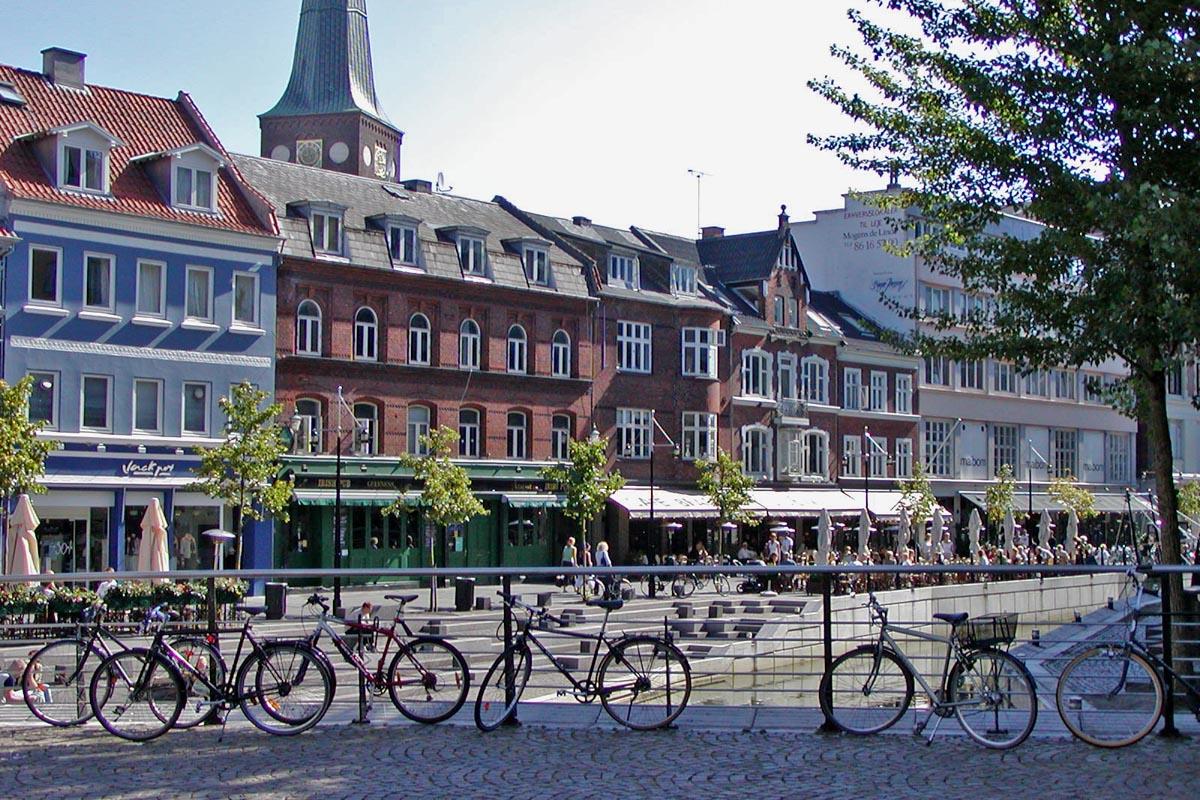
Explore Central Jutland in Denmark: A perfect blend of natural beauty, cultural heritage, and family-friendly attractions.
Tell me more about Central Jutland