
Mols, Mols Bjerge National Park Travel Guide
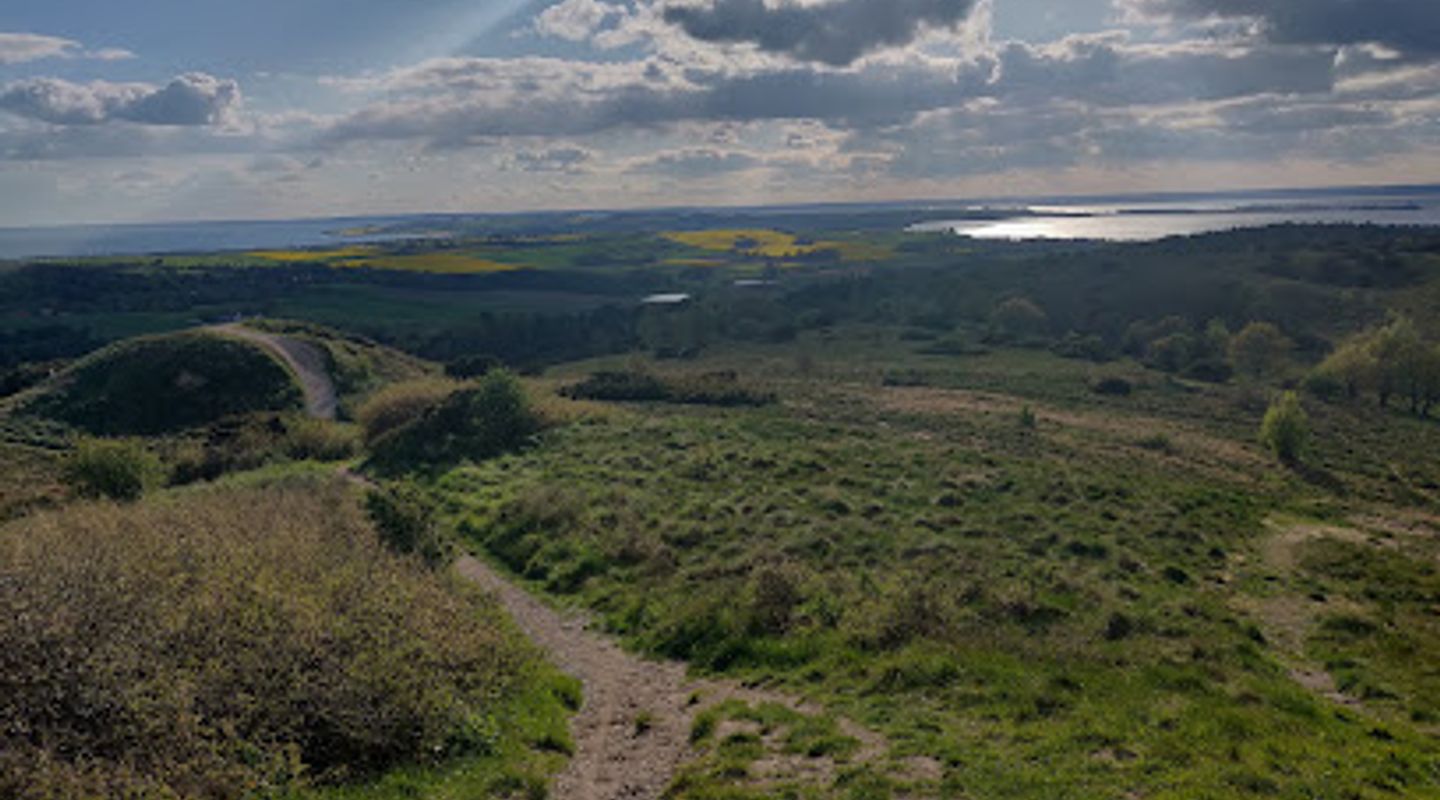
Mols boasts dramatic hills, wild heaths, ancient sites, and sweeping sea views—an essential destination for nature lovers in Mols Bjerge National Park.
Mols is a celebrated peninsula within Mols Bjerge National Park, known for its rolling hills, heathlands, and sweeping coastal views. With a history shaped by glacial movement, stone age settlements, and centuries of farming, today it attracts hikers, cyclists, and nature lovers seeking serene Nordic landscapes and rich biodiversity.
A brief summary to Mols
- Knebel, DK

Know before you go
Hi, I'm Eve. Here are a few practical things to know before exploring Mols.
- Bring layers and sturdy shoes—weather can change rapidly on the open hills, and many trails are wild and uneven.
- Keep an eye out for local wildlife—early mornings are best for spotting deer, rare butterflies, and birds of prey.
- Traditional Danish inns (kroer) in the area make cozy resting spots after a day on the trails.
- Parking is free in most rural lots, but can fill quickly during summer—arrive early for the best spots.
- Many trails cross grazing land—close gates after passing and respect the wildlife and farm animals.
Do you manage this location?
Take control to get all the benefits, like improved information, better appearance, and stronger visibility across AI-powered discovery. Learn more about listing your business on Evendo
Activate your presenceOther nearby places you may find interesting
The closest places of the same kind, if this one is not quite what you had in mind.
Explore Mols on the Map
A handpicked selection of must-see spots near Mols, mapped for you.
Getting There
-
Walking
From Mols Bjerge National Park’s central visitor hub, most main walking trails fan out toward the peninsula’s signature hills. The journey to key sites such as Agri Bavnehøj or the coastal slopes typically takes 20–45 minutes on well-marked but occasionally steep natural paths. Visitors pass meadows and grazing lands, with panoramic sea views opening on higher ground. Admission is free; expect varied terrain—good shoes are recommended.
-
Cycling
Cyclists can follow the designated regional bike routes from the main park information point toward Mols village and the peninsula’s heart, enjoying scenic byways past farmland and ancient tumuli. The distance is roughly 5–10 km depending on the destination, usually 25–40 minutes. There are no bike charges, and ample bike stands are available at most popular viewing points.
-
Private Car
Driving from the park’s core zone toward Mols is a straightforward journey by rural roads via Knebel village. Expect a relaxed drive of about 10–20 minutes depending on entry point. Parking is free at most trailheads and sites, but some lots fill quickly on summer weekends. No tolls apply. Be aware that road signage will guide you toward major attractions, with larger parking areas near the most visited hills.
-
Taxi
Taxis from the visitor center area in the park typically reach Mols peninsula’s main sites in 10–15 minutes. Fares are generally 130–180 DKK one way, depending on distance and time of day.
-
Public Transport
Regional buses run from Knebel and central park villages toward Mols, stopping at major trailheads and Knebel’s harbor. The ride takes around 10–25 minutes, with a single ticket costing 24–34 DKK. Services may be limited on weekends or late evenings, so check timetables in advance.
Discover more about Mols
More to explore near Mols









Your all‑in‑one travel companion app
Explore expert travel guides, compare and book tours, experiences, hotels, and more—all from the palm of your hand. Download now for seamless trip planning wherever your wanderlust takes you.


Explore More of Mols Bjerge National Park
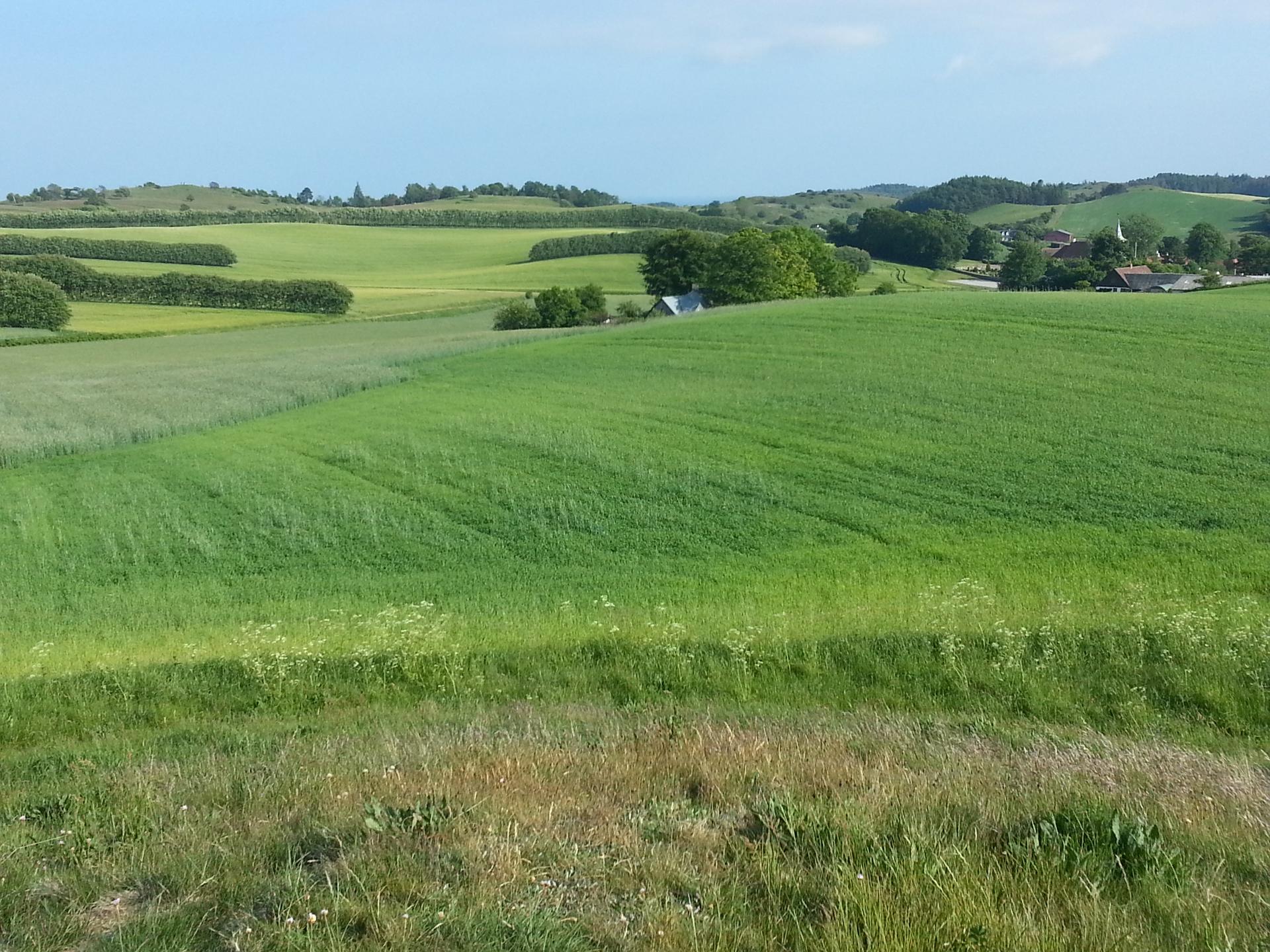
Looking beyond Mols? Discover Mols Bjerge National Park for broader travel guides, local hot-spots, and regional highlights.
Explore Mols Bjerge National Park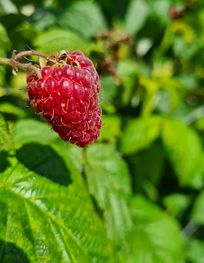
A cosy countryside fruit and vegetable store in Knebel, offering seasonal Danish produce and a friendly village welcome on the doorstep of Mols Bjerge.
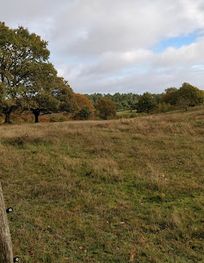
P-plads Tinghulen is the perfect starting point for exploring Mols Bjerge National Park’s highest peaks, scenic hikes, and spectacular natural vistas near Knebel.
