
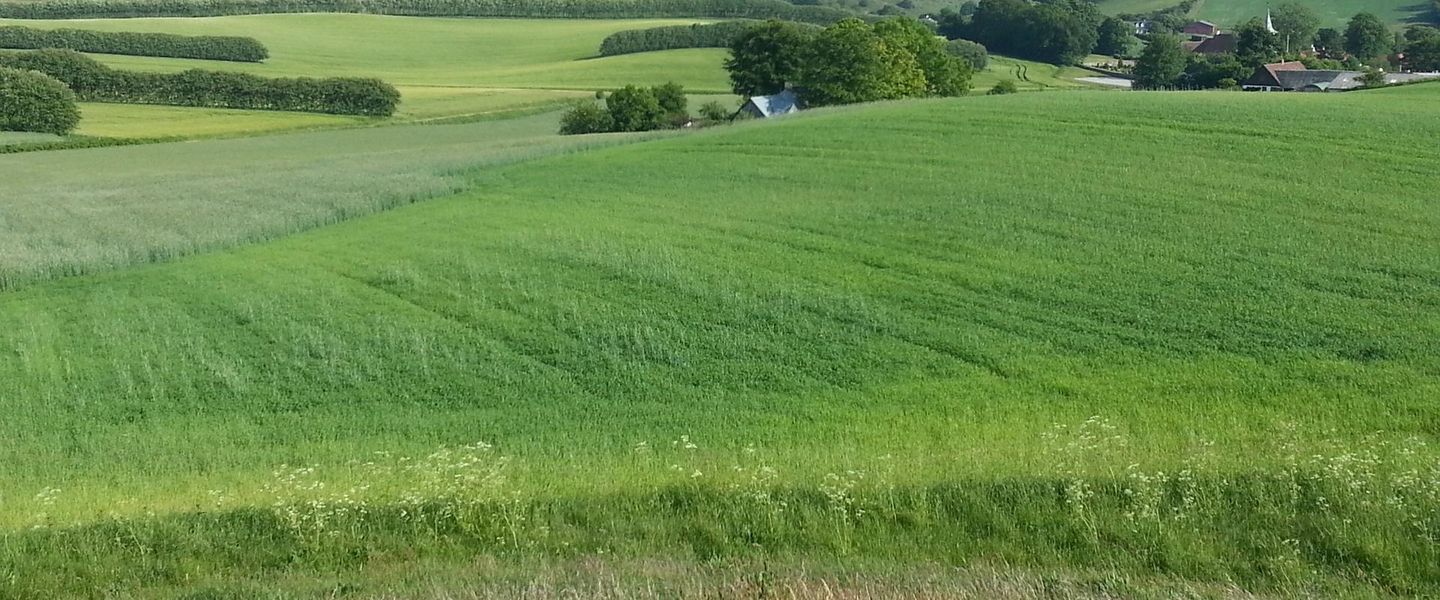
Mols Bjerge National Park, Denmark Travel Guide
Discover the natural beauty and historical charm of Mols Bjerge National Park, where rolling hills, ancient woodlands, and serene lakes create a perfect outdoor escape.
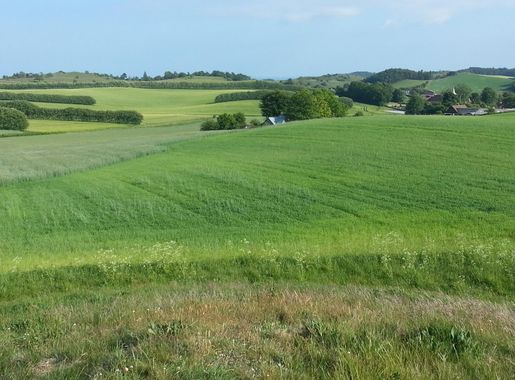
Mols Bjerge National Park, located in the heart of Denmark, is a natural treasure waiting to be explored. Spanning over 180 square kilometers, this park offers a diverse landscape of rolling hills, ancient woodlands, and serene lakes. The park is named after the Mols Bjerge hills, which provide stunning panoramic views of the surrounding countryside. Visitors to Mols Bjerge can enjoy a variety of outdoor activities such as hiking, cycling, and horseback riding. The park is also home to a rich array of wildlife, including deer, foxes, and numerous bird species. The flora is equally impressive, with rare plants and colorful wildflowers dotting the landscape. In addition to its natural beauty, Mols Bjerge National Park is steeped in history. The area is dotted with ancient burial mounds and medieval ruins, offering a glimpse into Denmark's past. The park's visitor centers provide educational exhibits and guided tours, making it easy for tourists to learn about the region's cultural heritage and natural environment.

Know before you go
Hi, I'm Eve. Here are a few practical things to know before exploring Mols Bjerge National Park.
- Wear comfortable hiking shoes to fully explore the park's varied terrain.
- Visit the park in late spring or early summer to see the wildflowers in full bloom.
- Stop by one of the visitor centers to pick up maps and learn about guided tours.
- Bring binoculars for birdwatching, as the park is home to many rare species.
- Pack a picnic and enjoy a meal at one of the scenic spots within the park.
Explore Mols Bjerge National Park: Things to Do, Places to Eat, Hotels & More
Handpicked recommendations for top attractions, local dining, accommodations, and more

Best attractions in Mols Bjerge National Park
Top-rated picks
Best Attractions
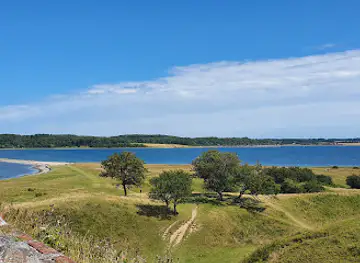
Mols Bjerge
Rolling Ice Age hills, wide sea views and ancient burial mounds combine in one of Denmark’s most varied national parks on the Djursland peninsula.

ARoS Aarhus Art Museum
Ten floors of Danish and international art crowned by Olafur Eliasson’s luminous rainbow rooftop, ARoS is Aarhus’ bold cultural beacon and a full‑day museum experience.

Fregatten Jylland
Step aboard one of the world’s longest wooden warships in Ebeltoft and explore decks, cannons and cabins that bring 19th‑century Danish naval history vividly to life.

Mols bjerge
Ice Age hills, Bronze Age mounds and bright Danish bays converge in this varied national park, where open grassland, forest and coastline invite slow exploration.

Best landmarks in Mols Bjerge National Park
Top-rated picks
Best Landmarks

Himmelbjerget
Denmark's iconic sky mountain: where democracy was born and panoramic lake views stretch endlessly.
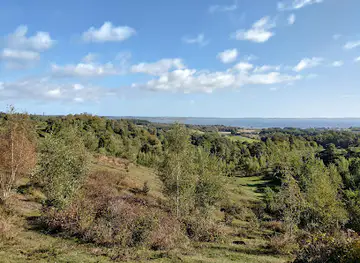
Mols Bjerge
Denmark's rugged glacial wilderness where rolling hills meet pristine beaches and ancient forests.

Poskær Stenhus
Denmark's largest Stone Age burial chamber, a 5,300-year-old megalithic marvel of granite and mystery.

Trehøje Mols
Three ancient Bronze Age mounds offering panoramic coastal views across Denmark's pristine heathland landscape.

Best restaurants in Mols Bjerge National Park
Top-rated picks
Best Restaurants

Molskroen Strandhotel og Molskroens Brasserie
Charmerende strandhotel og brasserie i Ebeltoft med havudsigt, gourmetmad og historisk sjæl – perfekt til romantik, afslapning og lokale smage ved Djurslands kyst.

Restaurant Mols Bjerge
Authentic Sicilian cuisine and wood-fired pizzas in the heart of Danish countryside, near Mols Bjerge.

Restaurant Moment
Radically green fine dining in a timber-clad restaurant at Friland, where Nordic tasting menus grow out of the surrounding permaculture gardens and seasons.
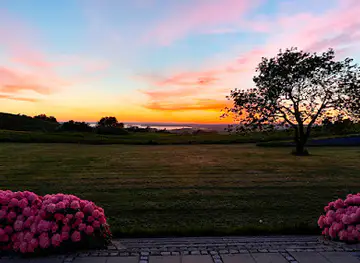
MolsCafeen
Rural cafe and cozy bed and breakfast on Kølbakken, pairing homely Danish cooking with wide countryside views toward the Mols Bjerge landscape near Ebeltoft.

Best bars in Mols Bjerge National Park
Top-rated picks
Best Bars

S'vinbar
Intimate Aarhus wine bar and shop with more than 300 bottles, expert yet relaxed service, sunny Klostergade seating and ever-changing flights by the glass.

Ørsted Ølbar
Cozy basement craft-beer bar opposite Ørstedsparken, mixing candlelit pub charm, expert pours and an impressive Danish microbrew lineup in central Copenhagen.

Best nightclubs in Mols Bjerge National Park
Top-rated picks
Best Nightclubs

Cafe Paradis - Den Sidste
Aarhus's iconic late-night destination where cinema, cocktails, and dancing converge until dawn.

Tucan Swinger & wellness Club
Discreet countryside swinger and wellness club near Kolding, blending spa comforts, themed erotic spaces and a strongly hosted, consent-focused adult atmosphere.

Arch
Late‑night dance floor, strong drinks and high‑energy club vibes in the heart of Copenhagen’s historic Inner City.

Chateau Motel
Four stacked floors of music, neon and cocktails turn this central Copenhagen townhouse into a late‑night playground for dancing, mingling and staying out until dawn.


Explore Mols Bjerge National Park on the Map
A handpicked selection of must-see spots in Mols Bjerge National Park, mapped for you.
Mols Bjerge National Park Essentials
-
Mols Bjerge National Park is located on the Djursland peninsula in Denmark. The nearest international airport is Aarhus Airport, approximately 30 kilometers away. From Aarhus, you can take a taxi, rent a car, or use public transport to reach the park. Alternatively, you can drive from Copenhagen, which is about a three-hour journey by car.
-
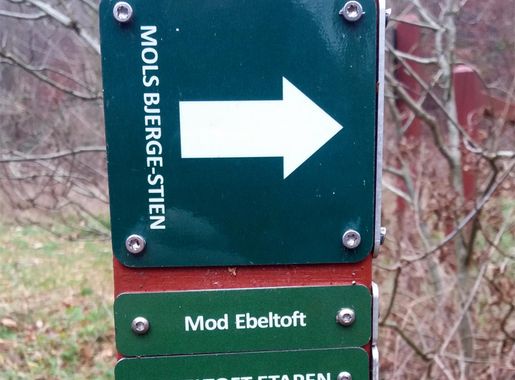
Within Mols Bjerge National Park, the most convenient way to explore is by car or bicycle. Public buses operate in the area, connecting major towns like Ebeltoft and Rønde to the park. There are also several hiking trails that allow you to explore the park on foot. Car rentals are available in nearby towns, and cycling is a popular option for those who enjoy outdoor activities.
-
The official currency in Denmark is the Danish Krone (DKK). Credit cards are widely accepted throughout the park, especially in larger establishments like hotels, restaurants, and shops. However, it is advisable to carry some cash for smaller vendors and rural areas. ATMs are available in nearby towns such as Ebeltoft.
-
Mols Bjerge National Park is generally a safe destination for tourists. However, it is always wise to take standard precautions. Keep an eye on your belongings, especially in crowded areas, and avoid leaving valuables unattended. There are no specific high-crime areas targeting tourists, but it's best to stay vigilant and aware of your surroundings.
-
In case of emergency, dial 112 for immediate assistance. The nearest medical facilities are located in Ebeltoft and Aarhus. It is recommended to have travel insurance that covers medical emergencies. For minor health issues, there are pharmacies in nearby towns where you can purchase over-the-counter medications.
-
Fashion: Do dress comfortably and in layers, as the weather can change quickly. Avoid wearing high heels or open-toed shoes when hiking. Religion: Do respect local customs and traditions, though the park is primarily secular. Public Transport: Do be respectful and give up your seat to elderly passengers. Don't eat or drink on public transport. Greetings: Do greet people with a smile and a handshake. A simple 'Hej' (Hi) is also a friendly way to greet locals. Eating & Drinking: Do try local delicacies and accept food offerings graciously. Don't refuse hospitality, as it is considered impolite.
-
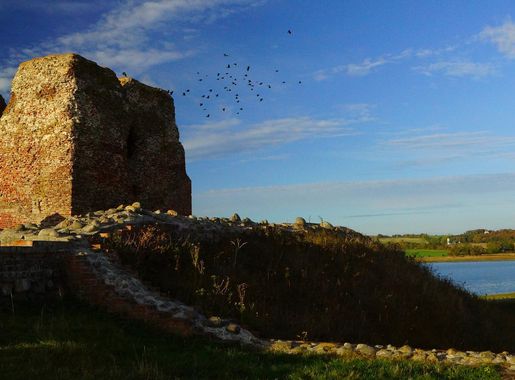
To experience Mols Bjerge National Park like a local, take the time to visit smaller, lesser-known trails and natural landmarks. Engage with local residents, who are often willing to share stories about the park's history and natural features. Don't miss visiting the Kalø Castle ruins and the charming town of Ebeltoft, which offers a glimpse into traditional Danish life. For a unique experience, try horseback riding through the park's scenic landscapes.
When is the best time to visit Mols Bjerge National Park?
Useful Local Phrases for Mols Bjerge National Park
You don't need to speak the language perfectly. Even learning a few simple words can make conversations warmer—and locals usually appreciate the effort.
— Eve

Here are the phrases I use most often in Mols Bjerge National Park. Try a few—you'll be surprised how far they go! 😊
❤️
-
- HelloHej
[hey] - GoodbyeFarvel
[far-vel] - YesJa
[ya] - NoNej
[nay] - Please/You're welcomeVær så god
[ver so good] - Thank youTak
[tak] - Excuse me/SorryUndskyld
[un-skyld] - How are you?Hvordan har du det?
[vohr-dan har doo deh] - Fine. And you?Godt. Og du?
[goht. oh doo] - Do you speak English?Taler du engelsk?
[tah-ler doo eng-elsk] - I don't understandJeg forstår ikke
[yay for-stor ee-keh]
- HelloHej
-
- I'd like to see the menu, pleaseJeg vil gerne se menuen, tak
[yay veal gehrn-eh seh men-yoo-en, tak] - I don't eat meatJeg spiser ikke kød
[yay spee-ser ee-keh kerth] - Cheers!Skål!
[skawl] - I would like to pay, pleaseJeg vil gerne betale, tak
[yay veal gehrn-eh beh-tah-leh, tak]
- I'd like to see the menu, pleaseJeg vil gerne se menuen, tak
-
- Help!Hjælp!
[hyelp] - Go away!Gå væk!
[goh vehk] - Call the Police!Ring til politiet!
[ring teel po-lee-tee-eh] - Call a doctor!Ring efter en læge!
[ring ef-ter en lay-eh] - I'm lostJeg er faret vild
[yay ehr fah-ret veel] - I'm illJeg er syg
[yay ehr soog]
- Help!Hjælp!
-
- I'd like to buy...Jeg vil gerne købe...
[yay veal gehrn-eh ker-beh] - I'm just lookingJeg kigger bare
[yay kee-gur bah-reh] - How much is it?Hvor meget koster det?
[vor me-eh koh-stehr deh] - That's too expensiveDet er for dyrt
[deh ehr for deert] - Can you lower the price?Kan du sænke prisen?
[kahn doo sen-keh pree-sen]
- I'd like to buy...Jeg vil gerne købe...
-
- What time is it?Hvad er klokken?
[vahd ehr kloh-ken] - It's one o'clockKlokken er et
[kloh-ken ehr et] - Half past (10)Halv ti
[halv tee] - MorningMorgen
[mohr-gen] - AfternoonEftermiddag
[eh-ter-mee-thah] - EveningAften
[ahf-ten] - YesterdayI går
[ee gohr] - TodayI dag
[ee dah] - TomorrowI morgen
[ee mohr-gen] - 1Et
[et] - 2To
[toh] - 3Tre
[treh] - 4Fire
[fee-reh] - 5Fem
[fem] - 6Seks
[sehks] - 7Syv
[soov] - 8Otto
[ot-toh] - 9Ni
[nee] - 10Ti
[tee]
- What time is it?Hvad er klokken?
-
- Where's a/the...?Hvor er en/den...?
[vor ehr en/dehn] - What's the address?Hvad er adressen?
[vahd ehr ah-dras-sehn] - Can you show me (on the map)?Kan du vise mig (på kortet)?
[kahn doo vee-seh meeh (poh kohr-teh)] - When's the next (bus)?Hvornår er næste (bus)?
[vor-nar ehr nay-steh (boos)] - A ticket (to ....)En billet (til ....)
[en bee-leht (teel)]
- Where's a/the...?Hvor er en/den...?
History of Mols Bjerge National Park
-
Mols Bjerge National Park is steeped in history, with evidence of human habitation dating back to the Stone Age. Archaeological sites within the park reveal ancient settlements, burial mounds, and artifacts that demonstrate the area's significance over thousands of years. These finds offer a glimpse into the lives of early inhabitants who thrived in this rugged landscape.
-
During the Viking Age, Mols Bjerge was an important region for trade and travel. The park's strategic location along the coast made it a hub for Viking activity. Several artifacts, including tools, jewelry, and remnants of ships, have been uncovered, providing insights into the Viking lifestyle and their interactions with other cultures.
-
In the medieval period, Mols Bjerge was dotted with fortifications, including the prominent Kalø Castle. Built in the early 14th century by King Erik Menved, the castle served as a stronghold and a prison. Today, its ruins are a testament to Denmark's tumultuous medieval history and offer visitors a chance to explore the past through its well-preserved remains.
-
The landscape of Mols Bjerge has been shaped by centuries of agricultural practices. From the Iron Age to modern times, farming has played a crucial role in the region's economy and way of life. Traditional farming methods and ancient field systems can still be observed in the park, reflecting the enduring relationship between the land and its people.
-
Mols Bjerge played a significant role during World War II, serving as a base for the Danish resistance movement. The park's dense forests and rugged terrain provided ideal cover for resistance fighters conducting operations against German occupation forces. Remnants of wartime activities, including hidden bunkers and supply caches, remain scattered throughout the area.
-
The establishment of Mols Bjerge National Park in 2009 marked a significant milestone in the conservation of Denmark's natural and cultural heritage. The park was created to protect the unique landscapes, biodiversity, and historical sites of the region, ensuring that future generations can enjoy and learn from this remarkable area. The park's designation has helped to promote sustainable tourism and foster a deeper appreciation for the region's rich history and natural beauty.
Cities in Mols Bjerge National Park
Browse our curated selection of top destinations, scenic points, and must-visit spots in the area.

Neighbouring destination travel guides
Browse our curated selection of top destinations, scenic points, and must-visit spots in the area.


Your all‑in‑one travel companion app
Explore expert travel guides, compare and book tours, experiences, hotels, and more—all from the palm of your hand. Download now for seamless trip planning wherever your wanderlust takes you.


Explore More of East Jutland

Looking beyond Mols Bjerge National Park? Discover East Jutland for broader travel guides, local hot-spots, and regional highlights.
Explore East JutlandExplore More of Denmark

Looking beyond Mols Bjerge National Park? Discover Denmark for broader travel guides, local hot-spots, and regional highlights.
Explore DenmarkMols Bjerge National Park in Photos
Browse through our photo collection highlighting the charm and character of the destination.





The Enchanting Mols Bjerge National Park
Mols Bjerge National Park, located in the heart of Denmark, is a natural treasure waiting to be explored. Spanning over 180 square kilometers, this park offers a diverse landscape of rolling hills, ancient woodlands, and serene lakes. The park is named after the Mols Bjerge hills, which provide stunning panoramic views of the surrounding countryside. Visitors to Mols Bjerge can enjoy a variety of outdoor activities such as hiking, cycling, and horseback riding. The park is also home to a rich array of wildlife, including deer, foxes, and numerous bird species. The flora is equally impressive, with rare plants and colorful wildflowers dotting the landscape. In addition to its natural beauty, Mols Bjerge National Park is steeped in history. The area is dotted with ancient burial mounds and medieval ruins, offering a glimpse into Denmark's past. The park's visitor centers provide educational exhibits and guided tours, making it easy for tourists to learn about the region's cultural heritage and natural environment.