

Nyord Travel Guide
Free Guide: Tiny Baltic island of meadows, marshes and dark skies, where a preserved village, abundant birdlife and star-filled nights offer a quietly magical escape from mainland pace.


A brief summary of Nyord
Tiny Baltic island of meadows, marshes and dark skies, where a preserved village, abundant birdlife and star-filled nights offer a quietly magical escape from mainland pace.
Nyord is a small, car-light Danish island north of Møn, where a single village, wide salt meadows and big Baltic skies create a rare sense of quiet. Reached by a narrow bridge, it feels a world away: thatched houses cluster around an octagonal church, while surrounding wetlands form one of Denmark’s key bird sanctuaries. As part of the Møn & Nyord Dark Sky area and a UNESCO biosphere reserve, the island offers star-filled nights, slow country walks and a glimpse of traditional island life carefully preserved.
On-site amenities
 Restrooms
 Drink options
 Drinking water
 Food options
 Seating areas
 Sheltered areas
 Trash bins
 Information boards
 Visitor centre
- Address
- 4780 Stege
Getting there
Car from Stege on Møn
Bus and short walk from Stege
Cycling from Ulvshale and northern Møn
Discover more about Nyord
An island on the edge of sea and sky
Nyord is a low, wind-brushed island set between Møn and Zealand, framed by shallow Baltic waters and wide horizons. Covering around 5 km², much of its surface is open salt meadow, seasonally flooded and patterned with grazing paths and tidal pools. Approached via a narrow causeway and bridge from Møn, the island reveals itself gradually: first the flat marshes, then the slightly higher ground where the village sits, sheltered by trees.The setting feels spacious yet intimate. Tractors and bicycles outnumber cars, the air smells faintly of salt and hay, and distant bird calls carry easily across the meadows. In winter storms the sea can creep into the lowest fields, while in summer the grasslands glow gold under long northern evenings.
A village frozen in its own rhythm
Nyord By, the island’s only village, retains a strikingly traditional layout. Narrow lanes curve between whitewashed, thatched farmhouses and timbered cottages, many dating from the 18th and 19th centuries. Farmyards open directly onto the street, and barns, gardens and small orchards knit the settlement together in a compact cluster.At the heart of the village stands the distinctive octagonal church from the mid‑19th century, its simple interior reflecting the island’s maritime roots. Nearby, a former merchant’s yard now houses a farm-restaurant and small-scale producers, while a tiny local shop doubles as a social hub. The small harbour, with its moored boats and low quays, recalls the time when boats were the island’s lifeline.
From pilots and fishermen to protected nature
For centuries Nyord’s livelihood depended on farming, fishing and, above all, piloting ships through the tricky waters between Møn and Zealand. Shoals and shifting sandbars made the strait hazardous, and islanders developed an intimate knowledge of currents and channels. Pilots’ houses and a lookout point still hint at that era, even though formal piloting ended in the 20th century.The surrounding meadows and shallow fjord waters, once simply working landscapes, are now recognised as one of Denmark’s most important habitats for waders, ducks and geese. Large parts of Nyord are protected as nature reserve and Ramsar wetland, with carefully managed grazing to maintain the open character that ground‑nesting birds require.
Birdlife, boardwalks and big skies
Today visitors come as much for the silence and birdlife as for the built heritage. Observation towers and simple viewpoints at the edge of the meadows allow you to scan for flocks of geese, elegant avocets or hunting harriers without disturbing the wildlife. The flat terrain makes walking gentle, though paths can be muddy when the meadows are wet.Spring and autumn bring great movements of migratory birds; summer offers wildflowers and butterflies; winter can be stark and atmospheric, with low light and icy pools. Binoculars are almost essential here, and patience is rewarded with subtle details: a lone heron in a drainage ditch, the patterned plumage of a curlew, or the ripple of wind across grass and water.
Dark skies and slow evenings
Nyord forms part of Scandinavia’s first certified Dark Sky Park, shared with neighbouring Møn. With minimal artificial lighting and little through‑traffic, nights on clear evenings can be extraordinarily dark. The Milky Way is often visible, and in autumn and winter constellations stand out sharply above the silhouetted meadows and church tower.This emphasis on darkness complements the island’s generally slow pace. Many visitors stay on Møn and come over for a half-day, combining a stroll through the village with a walk on the dykes and a lingering meal. Others book simple rooms or cottages on or near the island, using Nyord as a base for stargazing and quiet retreats.
Living heritage in a modern biosphere
Nyord is part of a wider UNESCO biosphere reserve that links cultural traditions with careful stewardship of land and sea. Local farmers balance small-scale agriculture with conservation, and businesses often highlight regional ingredients and crafts. The absence of large-scale development is not accidental; it is a conscious choice to keep the island’s character intact.For travellers, that means modest services rather than big attractions, but also a rare feeling of authenticity. Nyord rewards those willing to slow down: to notice the curve of an old roofline, the knotwork of a weathered door, the quiet exchanges in the village shop, and the rhythm of tides shaping life on this small Baltic island.
Evendo Review Centre
 Google
Guest reviews
Best time to go
Quietest: Jan, Feb & Nov · before 7am or from 9pm
Busy times are Evendo estimates for a typical year, to help you plan. Actual crowds vary with events, school holidays and the weather.
Explore Nyord on the map
A handpicked selection of must-see spots near Nyord, mapped for you.
Get your free copy of our complete guide to Nyord, delivered straight to you.
Everything on this page, from opening hours and how to get there to Eve’s tips and the best time to go, in one PDF you can read offline, print or share.
Already have an account? Sign in
Your Nyord guide is ready.
We'll send it to · Not you? Sign out

Getting your guide ready…
We are putting together a fresh copy of the Nyord guide. This can take up to a minute.
This can take a few moments. If your browser asks, choose Allow so the download can start. You'll find the guide in your Downloads folder.
Nothing happened? Download it again
Sorry, the guide is taking longer than usual. Please try again in a minute, or get it by email instead.
Other nearby places you may find interesting
The closest places of the same kind, if this one is not quite what you had in mind.
-
-
-
-
-


Swipe for more places
More to explore near Nyord

 Best experiences near Nyord
 Best hotels near Nyord
 Best landmarks near Nyord
 Best attractions near Nyord
 Best shops near Nyord
 Best restaurants near Nyord
 Best bars near Nyord
Do you manage this location?
Take control to get all the benefits, like improved information, better appearance, and stronger visibility across AI-powered discovery.
Explore more
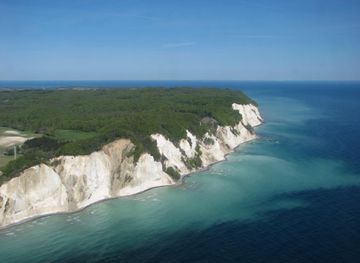
Explore more of Møn
Discover the breathtaking cliffs, rich history, and serene beauty of Møn, Denmark's hidden gem in the Baltic Sea, perfect for nature lovers and history enthusiasts alike.
Explore Møn
Explore more of Denmark
Discover Denmark: A perfect blend of history, modern design, and the cozy concept of hygge. Explore vibrant cities, serene landscapes, and world-class cuisine.
Explore Denmark
