

Free Møn Travel Guide & Mobile App
Explore Møn with free travel guides. Discover regional history, expert tips, proposed trips, and audio guides on web or mobile app.


Explore Møn in Denmark for chalk cliffs, medieval Stege, quiet villages, coastal walks, local food and some of Europe’s darkest skies.
Read more about Møn
When is the best time to visit Møn?
Best: June–August · 20–23°C| Month | High (°C) | Rainfall (mm) |
|---|---|---|
| January | 4 | 40 |
| February | 4 | 35 |
| March | 7 | 40 |
| April | 12 | 40 |
| May | 18 | 45 |
| June (best) | 20 | 50 |
| July (best) | 23 | 60 |
| August (best) | 22 | 60 |
| September | 19 | 50 |
| October | 14 | 50 |
| November | 8 | 50 |
| December | 5 | 45 |
Getting to and around Møn
How to get there
Transportation
Best attractions in Møn
Møn’s attractions are defined by the meeting of geology, countryside and historical settlement. Møns Klint is the major draw, combining high chalk cliffs, wooded walking routes, beach access and geological interpretation at GeoCenter Møns Klint. The landscape rewards more than a brief viewpoint stop, with paths leading through Klinteskoven and towards several overlooks. Liselund, close to the cliffs, offers a contrasting experience: a Romantic park of lawns, woodland, water and small historic buildings. Stege provides medieval streets, harbour views and local cultural life, while the island’s village churches contain valuable medieval wall paintings. Fanefjord Church and Elmelunde Church are particularly important for visitors interested in Danish church art. Ulvshale brings together beach, heath, woodland and wetland habitats, and nearby Nyord is suited to birdwatching and quiet walks. Cycling, coastal walking and dark-sky observation add outdoor dimensions, while farms, small harbours and country lanes reveal the ordinary landscape beyond the headline sights.
-
Promenade
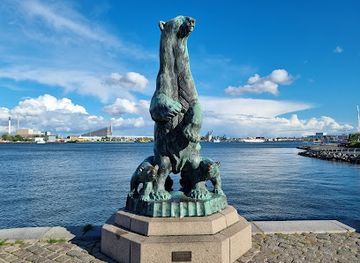
Langelinie
Copenhagen’s classic harborfront stroll, where a working quay, green parkland and the Little Mermaid meet in one relaxed, sea‑breezy promenade.
-
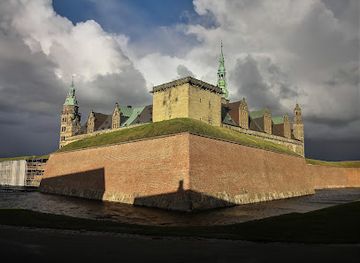
Kronborg Castle
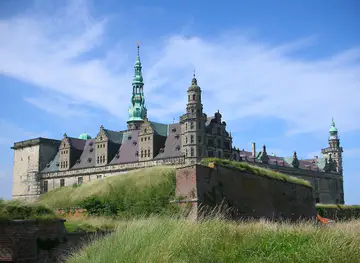
UNESCO-listed Kronborg Castle towers over the Øresund, blending Renaissance splendour, military might and the enduring drama of Shakespeare’s Hamlet.
-
Natural history museum
GeoCenter Møns Klint
Immersive cliff-top museum and nature hub revealing 70 million years of geology beside Denmark’s highest white chalk cliffs at Møns Klint.
-
Cliff
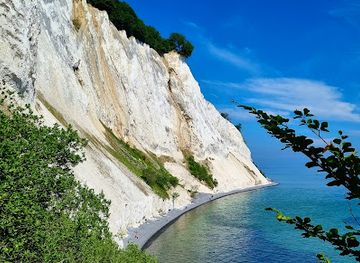
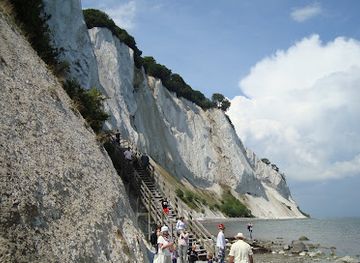
Møns Klint
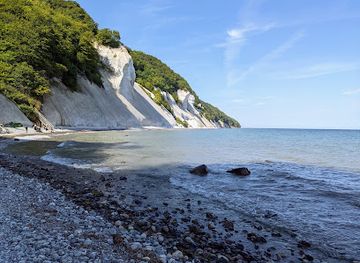
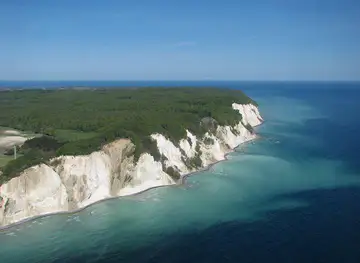
Towering white chalk cliffs, ancient beech forest and star‑filled skies meet at Denmark’s most dramatic Baltic coastline on the wild eastern edge of Møn.
Best landmarks in Møn
Møns Klint is Møn’s defining natural landmark, a long eastern escarpment of white chalk rising above the Baltic and continually reshaped by erosion and landslides. Its visual impact is complemented by the wooded ridge and the stairways leading towards the shore. In Stege, Mølleporten is one of the clearest surviving signs of the town’s medieval fortifications, while the old town’s streets and harbour preserve its historic market-centre character. Liselund Park is an important cultural landscape rather than a single monumental building, with Romantic garden design expressed through water, woodland, paths and small structures. Fanefjord Church and Elmelunde Church are notable for their medieval wall paintings, which make otherwise modest village buildings significant repositories of Danish art history. The Queen Alexandrine Bridge is a practical piece of twentieth-century infrastructure linking Møn with Zealand through the island’s western approach, while the open coast, forests and dark skies together form a natural identity that is as recognisable as any built monument.
-
Tourist attraction
Stevns Klint UNESCO World Heritage
Witness 66 million years of Earth's history in the cliffs where dinosaurs vanished and life recovered.
-
Park
Liselund
An 18th-century neoclassical palace and Denmark's finest Romantic garden, where love and art shaped a timeless landscape.
-
 Historical landmark
Stevns Lighthouse
A classic Danish beacon poised on the edge of Stevns Klint, offering sweeping Baltic views, quiet coastal atmosphere and a window into maritime and geological history.
-
Castle
Vallø Castle
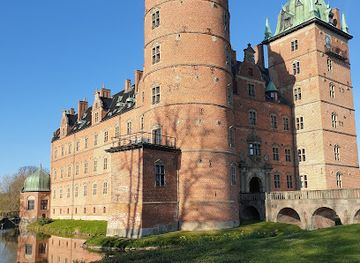
A Renaissance fortress reborn: Denmark's iconic castle of nobility, resilience, and baroque gardens.

Explore Møn on the map
Plan your trip on one map. See where the top cities, national parks and sights are, and book hotels and experiences in a few clicks.
Best hotels in Møn
Best restaurants in Møn
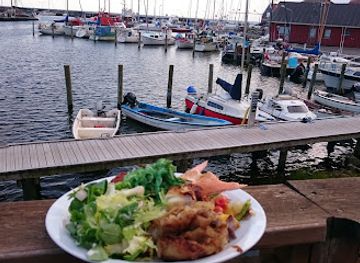
Dining on Møn reflects the island’s agricultural and maritime setting rather than a single signature cuisine. Stege has the broadest choice of cafés, bakeries, informal restaurants and places to buy provisions, while rural inns and seasonal eateries provide a slower alternative in the countryside. Menus may feature locally sourced vegetables, Danish fish, pork, dairy produce, rye bread and cakes, alongside familiar Nordic and European dishes. Around the coast and harbour communities, look for fish and seafood when available, though supply and opening patterns are seasonal. Local farm products, preserves, honey, beer and other small-scale produce make useful additions to a self-catering meal or picnic. Farmers’ markets and farm shops are more likely to operate at particular times of year, so visitors should check current arrangements rather than assume daily opening. Dining hours can be limited outside Stege, especially in winter, making advance planning sensible for rural accommodation.
-
Restaurant
Restaurant Bryghuset Møn
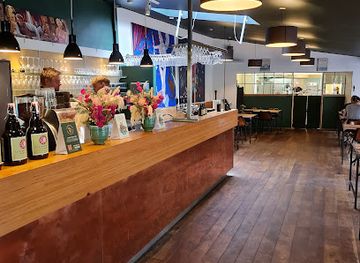
Brewery restaurant celebrating Danish culinary traditions with fresh ingredients and genuine hospitality in medieval Stege.
-
Restaurant
Slagter Stig
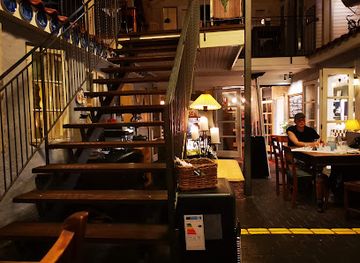
Traditional Danish butcher and eclectic brasserie in the heart of Stege, where hand‑picked cuts, candlelit dining and art-filled rooms create a distinctly Møn experience.
-
Restaurant
Restaurant Klintholm
Casual Danish comfort food near Klintholm Havn on Møn, offering hearty portions, a relaxed family feel and a handy lunch or early-dinner stop close to the sea.
-
Restaurant
Café Frederik VII
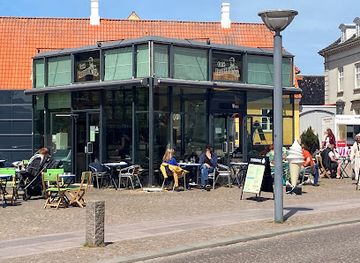
Relaxed, family-friendly café on Stege’s main square, serving burgers, grill dishes, sweets and coffee with front-row views of everyday life on the island of Møn.
Best bars in Møn
Møn’s evening culture is modest and locally oriented rather than centred on nightclubs. Stege is the main place for a choice of pubs, cafés, restaurants and occasional live music, with a more social atmosphere during summer and town events. Traditional Danish pubs offer beer, conversation and a view of everyday island life, while restaurants and smaller bars provide quieter evenings. Klintholm Havn can have a seasonal maritime atmosphere, particularly when visitors and boat crews are present, but it should not be treated as a large nightlife district. In rural areas, evenings generally revolve around dining, accommodation, local gatherings or looking at the night sky rather than late entertainment. Møn’s recognised dark skies are best enjoyed away from artificial light, and visitors should keep noise low near rural communities and protected natural areas.
-
Bar
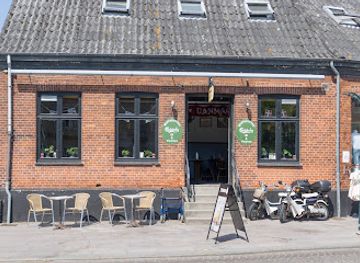
Ba'ryhl Bar & Café
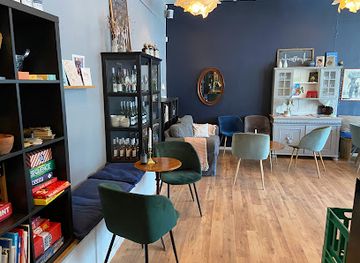
Cosy café by day, intimate cocktail bar by night, Ba'ryhl brings small‑town warmth, good drinks and relaxed conversation to the heart of Stege on Møn.
-
Bar
Cafe Borre
Homemade pastries and genuine warmth in a charming Borre village café.
-
Bar
Mølleporten Øl- og Vinstue
A classic Danish “brown pub” on Stege’s main street, pairing local atmosphere, simple drinks and small-town charm just down from the town’s medieval gate.
-
Bar
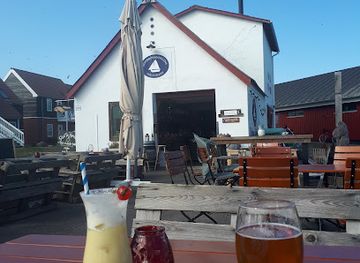
Pier To Heaven
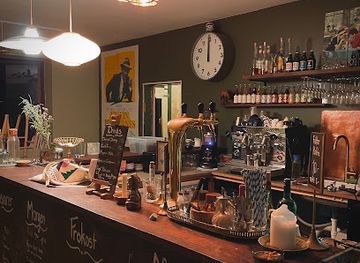
Intimate harbor bar on Møn’s waterfront, blending creative cocktails, maritime charm and cozy candlelit corners right on the quay at Klintholm Havneby.
Best nightclubs in Møn
Møn’s evening culture is modest and locally oriented rather than centred on nightclubs. Stege is the main place for a choice of pubs, cafés, restaurants and occasional live music, with a more social atmosphere during summer and town events. Traditional Danish pubs offer beer, conversation and a view of everyday island life, while restaurants and smaller bars provide quieter evenings. Klintholm Havn can have a seasonal maritime atmosphere, particularly when visitors and boat crews are present, but it should not be treated as a large nightlife district. In rural areas, evenings generally revolve around dining, accommodation, local gatherings or looking at the night sky rather than late entertainment. Møn’s recognised dark skies are best enjoyed away from artificial light, and visitors should keep noise low near rural communities and protected natural areas.
-
Night club
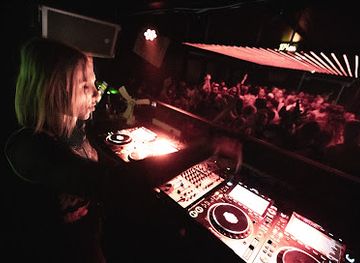
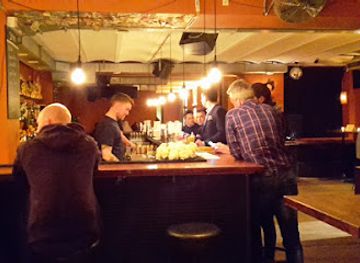
Jolene Bar
Underground electronic sanctuary in a former slaughterhouse, pulsing with house music and inclusive nightlife energy.
-
Night club
Culture Box
Copenhagen’s dedicated temple of underground electronic music, where late-night house and techno fill three distinct rooms beside the city’s historic heart.
-
Night club
Club Mambo
Copenhagen’s Latin heartbeat, Club Mambo blends salsa rhythms, cocktails and late-night club energy in an intimate, centrally located nightspot.
-
Night club
Zefside
Intimate cocktail den turned late-night dance spot, Zefside blends crafted drinks, DJ beats and canal-side charm in the heart of central Copenhagen.

Best shops in Møn
Shopping on Møn is concentrated in Stege, whose historic centre provides independent shops, galleries, cafés, practical services and seasonal retail alongside the town’s older streets. The emphasis is on useful local goods, design, art, books, clothing and food rather than extensive large-scale shopping. Farm shops and small producers around the island may offer honey, preserves, vegetables, drinks and other regional products, although opening hours can be seasonal and dispersed. Markets and summer events add opportunities to buy crafts, ceramics, textiles, artwork and locally made specialities, but current dates should be checked before making a journey. Near coastal and tourist areas, visitors may find souvenirs connected with Møns Klint, geology and Danish island life. For a broader selection of everyday purchases, Stege is the practical centre; the rest of Møn is better suited to seeking individual producers, galleries and farm-based products than to conventional retail.
-
Farm shop
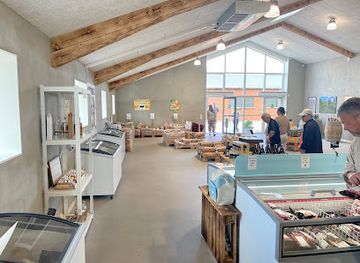
Møn Is
Organic dairy farm and artisanal creamery where handcrafted ice cream meets pastoral countryside.
-
Supermarket
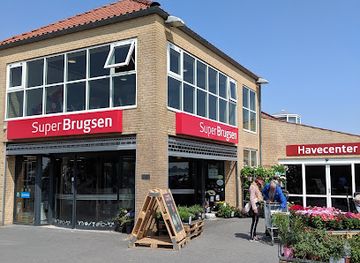
SuperBrugsen
A convenient one-stop supermarket in Lendemark, Stege, ideal for stocking up on groceries and essentials before exploring the island of Møn and its coastal landscapes.
-
Farm shop
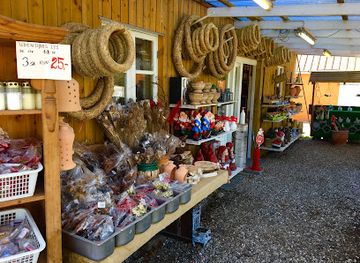
Tjørnemosegaard Julebutik & Møn honning
Cosy farm shop on Møn blending year-round Christmas charm with golden local honey and rural flavours in a warm, hygge-filled countryside setting.
-
Farm shop
Vibækgård
Rural farm shop on Møn blending fresh local produce, animal feed and thoughtful gifts in a laid-back courtyard setting between fields and Stege Bay.
Get your free copy of our complete guide to Møn, delivered straight to you.
Everything on this page, from attractions and restaurants to essentials and local phrases, in one PDF you can read offline, print or share.
Already have an account? Sign in
Your Møn guide is ready.
We'll send it to · Not you? Sign out

Getting your guide ready…
We are putting together a fresh copy of the Møn guide. This can take up to a minute.
This can take a few moments. If your browser asks, choose Allow so the download can start. You'll find the guide in your Downloads folder.
Nothing happened? Download it again
Sorry, the guide is taking longer than usual. Please try again in a minute, or get it by email instead.
Møn essentials
Currency and Payment
Safety
Emergency Situations
Do's and Don'ts
Local Tips
From Eve
Local phrases worth knowing
You don't need to get them perfect. A few words go a long way, and locals appreciate the effort.
Basics
| English | Local | Say it |
|---|---|---|
| Hello | Hej | [hay] |
| Goodbye | Farvel | [far-vel] |
| Yes | Ja | [yah] |
| No | Nej | [ny] |
| Please/You're welcome | Vær så venlig | [vair so ven-lee] |
| Thank you | Tak | [tahk] |
| Excuse me/Sorry | Undskyld | [oon-skool] |
| How are you? | Hvordan har du det? | [vor-dan har do deh] |
| Fine. And you? | Fint. Og dig? | [feent. oh die] |
| Do you speak English? | Taler du engelsk? | [tay-ler do eng-elsk] |
| I don't understand | Jeg forstår ikke | [yai for-stor ik-keh] |
Eating & Drinking
| English | Local | Say it |
|---|---|---|
| I'd like to see the menu, please | Jeg vil gerne se menuen, tak | [yai vil gær-ne seh me-nu-en, tahk] |
| I don't eat meat | Jeg spiser ikke kød | [yai spee-ser ik-keh kød] |
| Cheers! | Skål! | [skawl] |
| I would like to pay, please | Jeg vil gerne betale, tak | [yai vil gær-ne be-ta-leh, tahk] |
Emergencies
| English | Local | Say it |
|---|---|---|
| Help! | Hjælp! | [yelp] |
| Go away! | Gå væk! | [go vek] |
| Call the Police! | Ring til politiet! | [ring til po-li-teet] |
| Call a doctor! | Ring efter en læge! | [ring ef-ter en lay-eh] |
| I'm lost | Jeg er faret vild | [yai air far-et vil] |
| I'm ill | Jeg er syg | [yai air syg] |
Shopping
| English | Local | Say it |
|---|---|---|
| I'd like to buy... | Jeg vil gerne købe... | [yai vil gær-ne kø-beh] |
| I'm just looking | Jeg kigger bare | [yai kee-ger bar-eh] |
| How much is it? | Hvor meget koster det? | [vor ma-hed koster deh] |
| That's too expensive | Det er for dyrt | [deh air for dyurt] |
| Can you lower the price? | Kan du sænke prisen? | [kan do sen-ke pree-sen] |
Time & Numbers
| English | Local | Say it |
|---|---|---|
| What time is it? | Hvad tid er det? | [vad tid air deh] |
| It's one o'clock | Klokken er et | [klok-en air et] |
| Half past (10) | Halv efter (10) | [halv ef-ter (10)] |
| Morning | Morgen | [mor-en] |
| Afternoon | Eftermiddag | [ef-ter-mi-dag] |
| Evening | Aften | [af-ten] |
| Yesterday | I går | [ee gor] |
| Today | I dag | [ee day] |
| Tomorrow | I morgen | [ee mor-en] |
| 1 | 1 | [1] |
| 2 | 2 | [2] |
| 3 | 3 | [3] |
| 4 | 4 | [4] |
| 5 | 5 | [5] |
| 6 | 6 | [6] |
| 7 | 7 | [7] |
| 8 | 8 | [8] |
| 9 | 9 | [9] |
| 10 | 10 | [10] |
Transport & Directions
| English | Local | Say it |
|---|---|---|
| Where's a/the...? | Hvor er en/den...? | [vor air en/den] |
| What's the address? | Hvad er adressen? | [vad air a-dres-sen] |
| Can you show me (on the map)? | Kan du vise mig (på kortet)? | [kan do vee-seh mai (poh kor-tet)] |
| When's the next (bus)? | Hvornår går den næste (bus)? | [vor-nor gor den nes-teh (bus)] |
| A ticket (to ....) | En billet (til ....) | [en bi-let (til ....)] |
History of Møn
Stone Age settlement and the changing coastline
People have lived on Møn since prehistoric times, using its coast, forests and fertile soils for fishing, hunting and farming. The island’s relationship with the sea has changed repeatedly: land uplift, erosion and shifts in water levels altered the shoreline and left archaeological traces in coastal and inland areas. Flint from the chalk landscape was an important raw material for prehistoric tools. The wider landscape around Møns Klint also preserves evidence of the glacial processes that helped shape southern Denmark, although the cliffs themselves are principally a geological formation rather than a human monument.
Medieval Stege and Møn’s churches
During the Middle Ages, Stege developed as a fortified market town and harbour, benefiting from its position on the island’s north-western coast and from regional maritime trade. Mølleporten survives as a prominent reminder of the town’s defensive system. Medieval churches across Møn also preserve an important artistic legacy. Fanefjord Church and Elmelunde Church are particularly noted for their wall paintings, traditionally associated with the so-called Elmelunde Master, whose work depicts biblical stories in a direct and colourful style. These churches connect rural settlements to the religious and artistic life of medieval Denmark.
Royal administration and agricultural society
After the medieval period, Møn was governed within the Danish kingdom and remained predominantly agricultural, with villages, tenant farms and estates shaping the countryside. Landholding patterns changed over time as royal, noble and later private interests influenced farming and woodland management. The island’s churches, manor landscapes and farm buildings reflect this long rural history. Stege continued to provide commercial and administrative functions, while coastal landing places served small-scale maritime activity. The resulting landscape is not untouched wilderness but a long-worked countryside in which fields, woods, villages and shorelines remain closely connected.
Liselund and the Romantic landscape
In the late eighteenth century, the estate at Liselund was transformed into a picturesque landscape inspired by Romantic ideas about nature, irregularity and cultivated scenery. Small buildings, winding paths, lawns, water and woodland were arranged to produce changing views rather than a formal geometric garden. The park reflects the period’s interest in landscape design and the picturesque, while also revealing the cultural ambitions of Denmark’s landed society. Today Liselund is valued not simply as a historic property but as an unusually coherent example of a Romantic garden landscape on Møn.
Nineteenth-century roads, farming and maritime connections
Improved roads and shipping links in the nineteenth century helped connect Møn’s villages and market town more effectively with Zealand and other parts of Denmark. Agriculture remained central, with grain, livestock and dairy production supporting local households and trade. Small harbours and coastal landing places served fishing, transport and the movement of farm goods, although Møn never became a major industrial port. The island’s built environment retained a strongly rural character, while Stege’s commercial role continued to link the countryside with wider regional markets.
Modern tourism and the protection of Møns Klint
From the nineteenth century onwards, Møns Klint attracted visitors drawn by its height, geology and views over the Baltic. Tourism gradually developed around walking routes, viewpoints, accommodation and interpretation of the cliffs, while conservation became increasingly important because erosion, landslides and sensitive habitats are integral to the site. In the modern era, Møn’s identity has expanded beyond summer scenery. Nature tourism, cycling, walking, geological education and dark-sky stargazing now complement the island’s historic towns, churches and agricultural landscapes.
Møn in Photos
Browse through our photo collection highlighting the charm and character of the destination.
Neighbouring regions of Møn
The closest regions to Møn, if you have time for more than one.
-

-

-
-
-


Swipe for more regions

