

Kong Asgers Høj, Mon Travel Guide
Denmark's largest passage grave—a 5,000-year-old Neolithic monument of monumental stone and timeless mystery.
Kong Asgers Høj is Denmark's largest passage grave, a Neolithic megalithic monument located on the island of Møn near Stege. Built during the Late Stone Age (3000–1500 BC), this impressive burial mound features a 10-meter-long chamber with boulders weighing up to four tonnes. The site was excavated in 1839 and remains one of Denmark's finest preserved prehistoric structures, offering visitors a tangible connection to ancient Funnel Beaker culture.
A brief summary to Kong Asgers Høj
- Kong Asgers Vej, Stege, 4780, DK
- Click to display
- Duration: 0.5 to 1.5 hours
- Free
-
 Outdoor
- Mobile reception: 4 out of 5

Know before you go
Hi, I'm Eve. Here are a few practical things to know before exploring Kong Asgers Høj.
- Visit early in the morning or late afternoon for softer light that enhances photography of the mound and surrounding landscape, and to avoid any midday crowds.
- Wear sturdy footwear with good grip, as the grassy mound can be slippery, especially after rain or during wet seasons.
- Combine your visit with other Neolithic sites on Møn to gain a fuller understanding of the island's prehistoric significance and settlement patterns.
- Bring binoculars to appreciate the views toward Stege Bucht and the surrounding landscape from the elevated mound.
- Check local weather conditions before visiting; the exposed location offers little shelter from wind or rain.
Do you manage this location?
Take control to get all the benefits, like improved information, better appearance, and stronger visibility across AI-powered discovery. Learn more about listing your business on Evendo
Activate your presenceOther nearby places you may find interesting
The closest places of the same kind, if this one is not quite what you had in mind.


Explore Kong Asgers Høj on the Map
A handpicked selection of must-see spots near Kong Asgers Høj, mapped for you.
Getting There
-
Car from Stege
From Stege town center, drive north on Kong Asgers Vej for approximately 3 kilometers toward Sprove village. The site is signposted and has a small parking area adjacent to the mound. Journey time is approximately 8–10 minutes. Parking is free and available year-round.
-
Bicycle from Stege
Rent a bicycle in Stege and follow local cycling routes northward toward Sprove. The journey covers approximately 3 kilometers on quiet rural roads with moderate terrain. Travel time is approximately 15–20 minutes. Møn is well-suited for cycling, with dedicated paths and minimal traffic on approach roads.
-
Bus from Stege
Local bus services operate from Stege town center with connections toward Sprove and surrounding villages. Service frequency varies seasonally (typically 2–4 departures daily). Journey time is approximately 15–25 minutes depending on route and stops. Verify current schedules with local transport operators, as rural services may be limited on weekends and holidays.
-
Walking from Sprove Village
If staying in or near Sprove village, Kong Asgers Høj is accessible on foot via local roads and footpaths. The walk covers approximately 1.5–2 kilometers and takes 25–35 minutes depending on exact starting point and terrain. The final approach involves walking along Kong Asgers Vej; wear appropriate footwear for rural roads.
For the on-the-go comforts that matter to you
-
 Information Boards
-
 Trash Bins
Discover more about Kong Asgers Høj
An Ancient Monument from the Neolithic Era
Kong Asgers Høj stands as Denmark's largest passage grave, a monumental testament to the ingenuity and spiritual beliefs of Neolithic peoples. Built during the Late Stone Age between 3000 and 1500 BC, this megalithic structure belongs to the Funnel Beaker culture, one of Northern Europe's most significant prehistoric civilizations. The passage grave consists of a central chamber measuring 10 meters in length and over 2 meters in width, constructed from massive boulders, some weighing as much as four tonnes. These enormous stones were precisely positioned to create a functional burial space that has endured for nearly five millennia.Engineering and Construction Mastery
The hemispherical grassy mound that crowns Kong Asgers Høj represents an extraordinary feat of prehistoric engineering. The builders of this monument possessed sophisticated knowledge of stone placement, weight distribution, and structural integrity—skills that enabled them to create a chamber capable of withstanding millennia of environmental stress. The passage grave's design reflects not merely practical considerations but also ceremonial significance, suggesting that the construction process itself held profound meaning for the community. The careful arrangement of massive boulders demonstrates that these ancient people possessed both the organizational capacity to mobilize substantial labor and the technical expertise to manipulate enormous stone blocks without modern machinery.Excavation and Historical Significance
The mound underwent systematic excavation in 1839, revealing its internal structure and confirming its status as one of the finest passage graves in Denmark. This archaeological work provided invaluable insights into Neolithic burial practices, social organization, and the spiritual worldview of the Funnel Beaker culture. Kong Asgers Høj is considered the largest giant passage grave on Møn and ranks among Denmark's most important prehistoric monuments. The site's preservation allows modern visitors to witness directly the architectural achievements of people who lived thousands of years before written history.Location and Landscape Context
Situated on the northwest tip of Møn near the village of Sprove, Kong Asgers Høj occupies a landscape rich with prehistoric significance. The location offers views toward Stege Bucht and represents one of numerous megalithic sites scattered across the Danish islands. Møn itself has long been recognized as a region of exceptional archaeological importance, with multiple passage graves and burial mounds reflecting the island's prominence during the Neolithic period. The monument's placement within this broader landscape suggests that the site held particular importance within the ancient settlement patterns and ritual practices of the region.Visiting the Monument Today
Today, Kong Asgers Høj welcomes visitors to experience one of Northern Europe's most impressive prehistoric structures. The site remains freely accessible, allowing travelers to approach the ancient mound and contemplate the achievements of people separated from us by five thousand years. Standing before the massive boulders and grassy mound, visitors gain a visceral understanding of Neolithic ambition and capability. The monument serves as a powerful reminder that sophisticated societies flourished in prehistoric Northern Europe, creating enduring structures that continue to inspire wonder and scholarly inquiry.












Your all‑in‑one travel companion app
Explore expert travel guides, compare and book tours, experiences, hotels, and more—all from the palm of your hand. Download now for seamless trip planning wherever your wanderlust takes you.


Explore More of Mon
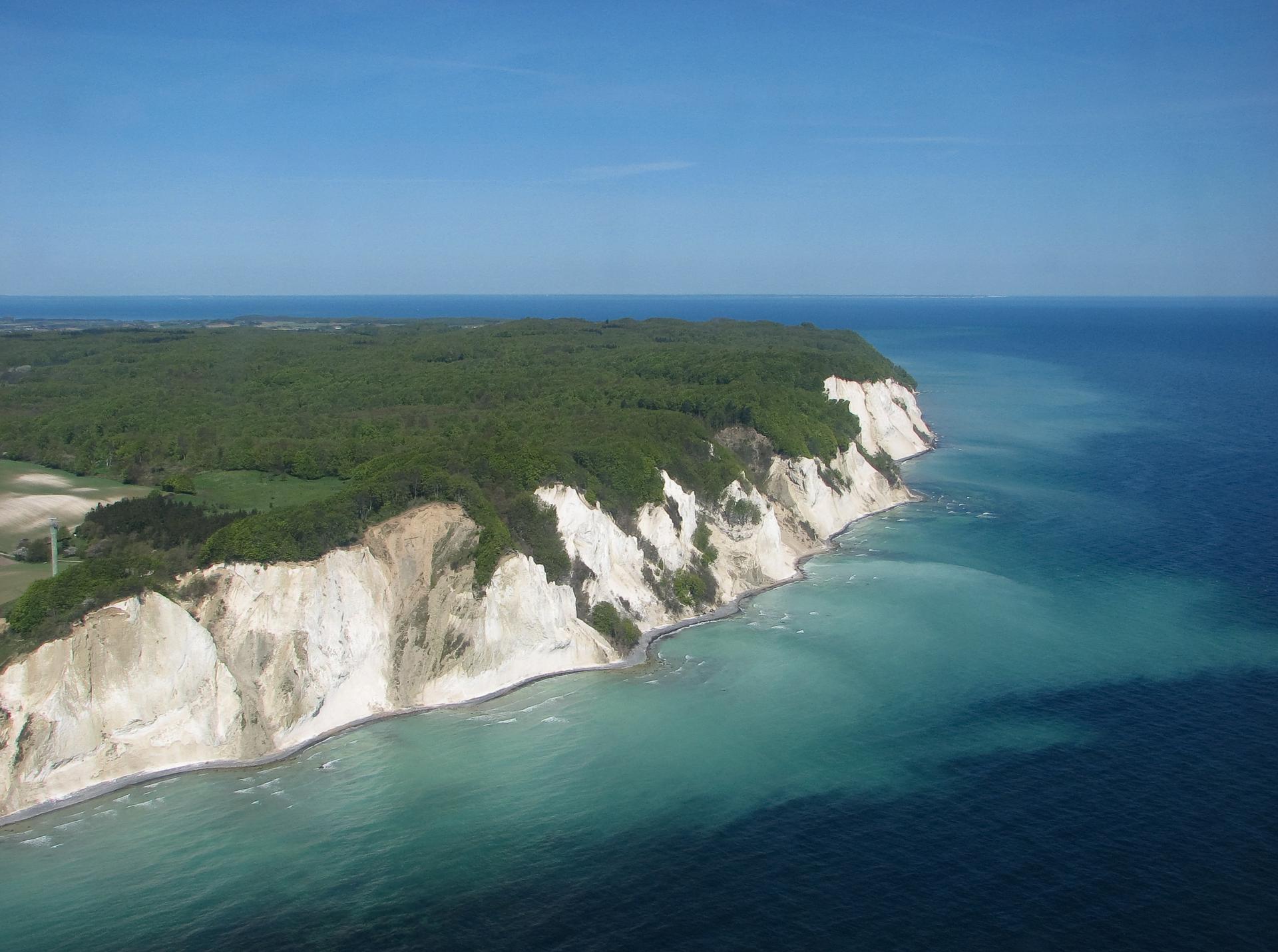
Looking beyond Kong Asgers Høj? Discover Mon for broader travel guides, local hot-spots, and regional highlights.
Explore Mon

