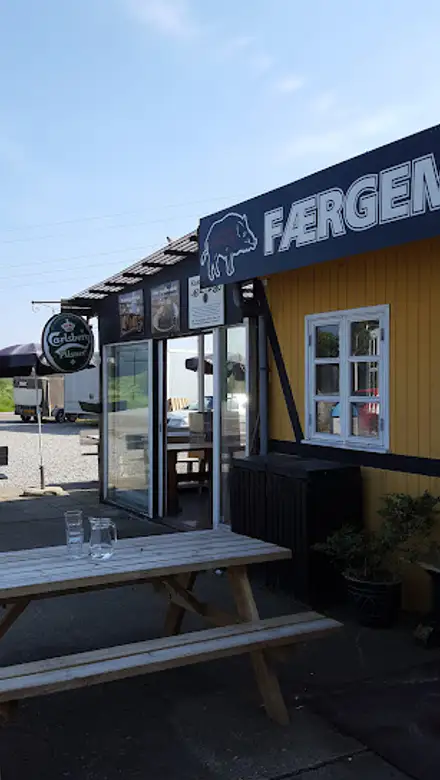
Færgemandens Hus., Mon Travel Guide
A former ferryman’s house turned cosy waterfront grill-restaurant on Møn, serving hearty Danish comfort food in snug rooms and by the bay.
Færgemandens Hus is a cosy, down‑to‑earth eatery on the waterfront outside Stege on the island of Møn. Blending classic Danish grill-bar favourites with hearty restaurant dishes, it occupies a former ferryman’s house with low ceilings, snug rooms and views toward Stege Bay. Expect informal counter service, generous portions and a relaxed, local feel that makes it an easy stop after a day exploring Møn’s landscapes and historic streets.
A brief summary to Færgemandens Hus.
- Vigenvej 2, Stege, 4780, DK
- Click to display
- Click to display
- Duration: 1 to 2 hours
- Budget
-
 Mixed
Mixed
- Mobile reception: 4 out of 5
- Friday 3 pm-7 pm

Know before you go
Hi, I'm Eve. Here are a few practical things to know before exploring Færgemandens Hus..
- Aim for an early lunch or an early evening meal if you prefer a quieter atmosphere, as it can feel busy when all the small rooms fill up at once.
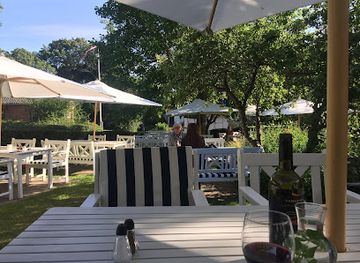
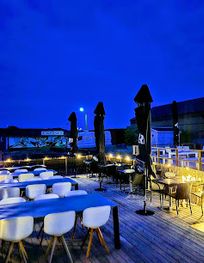
- On warm days, choose an outdoor table to enjoy views toward Stege Bay and bring an extra layer for when the breeze picks up later.
- Portions are substantial; consider sharing sides or skipping a starter if you plan to try one of the larger mains.
- If you have dietary preferences, ask at the counter which dishes can be adapted, as the core menu leans strongly toward meat-heavy comfort food.
- Check seasonal opening days and hours in advance, especially outside the main summer period, as service times can be limited.
Do you manage this location?
Take control to get all the benefits, like improved information, better appearance, and stronger visibility across AI-powered discovery. Learn more about listing your business on Evendo
Activate your presenceOther nearby places you may find interesting
The closest places of the same kind, if this one is not quite what you had in mind.
Explore Færgemandens Hus. on the Map
A handpicked selection of must-see spots near Færgemandens Hus., mapped for you.
Getting There
-
Car from central Stege
From central Stege, reaching Færgemandens Hus by car typically takes about 5–10 minutes, following the main approach toward the eastern waterfront. Travel times are short but can increase slightly in peak summer when holiday traffic builds around the town. Parking is usually available near the restaurant at no additional charge, though spaces can be limited on busy evenings and weekends, so allow extra time to find a spot close by.
-
Bicycle from Stege town
Cycling from Stege town to Færgemandens Hus generally takes around 10–20 minutes, depending on pace and wind along the bay. The route uses local roads suitable for everyday cycling, with some short sections where you share the carriageway with cars. Surfaces are paved and mostly flat, making the ride accessible to casual cyclists and families with older children, but be prepared for changing coastal wind and bring lights if returning after sunset.
-
Walking from Stege centre
On foot, the restaurant is typically 25–40 minutes’ walk from the heart of Stege, along generally flat, paved streets that are straightforward but exposed to the weather. This can be an enjoyable option in mild conditions, offering glimpses of the water and town life along the way. The walk is suitable for most reasonably mobile visitors, but may feel long for very young children or those with limited mobility, especially in strong wind or rain.
-
Regional bus to Stege and onward connection
If you are arriving on Møn by regional bus from larger Zealand towns, services usually terminate or pass through Stege, around 5–10 minutes by car from Færgemandens Hus. The bus journey time varies widely by origin—often 1–2 hours from major hubs—and typical fares fall in a moderate range for Danish regional transport. From the bus stop area in Stege, you can continue by local taxi, bicycle or a 25–40 minute walk, keeping in mind that bus frequencies and evening services can be reduced outside peak seasons.
For the on-the-go comforts that matter to you
-
 Restrooms
-
 Drink Options
-
 Food Options
-
 Seating Areas
-
 Sheltered Areas
-
 Trash Bins
-
 Information Boards
Discover more about Færgemandens Hus.
A former ferryman’s home by the water
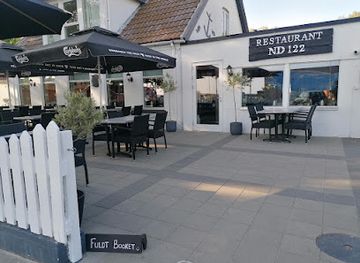
Færgemandens Hus sits just outside Stege, overlooking the sheltered waters that once formed one of Møn’s important ferry crossings. The simple building, with its low profile and unassuming facade, hints at its past as the home and workplace of the local ferryman who shuttled people and goods across the bay. Today, the house has been reimagined as a casual dining spot, but its connection to the water and local history still frames the experience.Step inside and the maritime setting is never far away. On a clear day the light from Stege Bay filters through the windows, and in summer the outdoor seating area fills with the sounds of seabirds and the soft lap of waves on the shore. The location makes it a natural pause point for exploring Møn’s coastline, close enough to town to feel convenient yet far enough out to gain a sense of space and sea air.Cosy rooms and relaxed, informal character
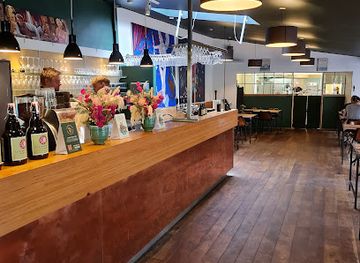
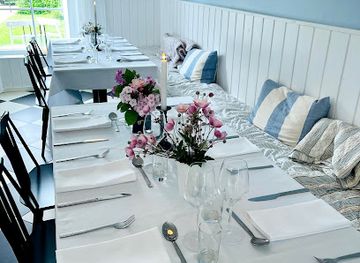
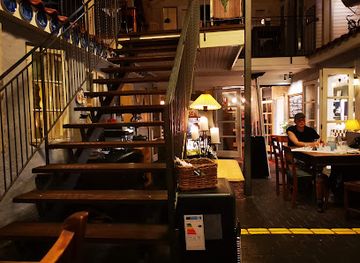
The interior of Færgemandens Hus is defined by a series of small, interconnected rooms rather than one large dining hall. Each room has its own nook-like atmosphere, with wooden tables, simple décor and the slightly worn-in feel of a place that prioritises comfort over polish. The scale is human and intimate, encouraging slow meals and easy conversation.This is very much a casual setting: guests typically order at the counter and settle in wherever they find a free table. On cooler days, the indoor rooms offer shelter from the wind coming off the bay, while in warmer weather the doors open and the boundary between inside and outside softens. It is the sort of place where you can arrive in walking clothes or after a day at the beach and still feel entirely at home.A menu between grill bar and restaurant
Over time, Færgemandens Hus has consciously positioned itself between a classic Danish grill bar and a sit-down restaurant. The menu reflects this middle ground, with familiar roadside staples like burgers, hot dogs and fries sitting alongside more substantial plates. Hearty meat dishes, often featuring local or regional ingredients, share space with lighter options such as salads and fish.Portions tend to be generous and unpretentious, more focused on satisfying hunger than on intricate presentation. This suits its role as a refuelling stop for travellers, families and locals. A typical visit might involve a burger loaded with toppings, a schnitzel or a plate of roast meat, paired with a cold beer or soft drink and capped with an ice cream if the weather calls for it. The atmosphere encourages lingering, but the service style also works well for a quick bite.Outdoor life and seasonal rhythms
Although the house itself is modest in size, the outdoor area becomes a natural extension of the dining room in the warmer months. Tables on the terrace and near the water invite you to sit outside, watch the light over the bay and feel the breeze. On long Scandinavian summer evenings, it can be especially atmospheric as the sun sinks slowly and the sky over Møn shifts through pastel colours.The experience changes with the seasons. In high summer, Færgemandens Hus is closely tied to outdoor life: cycling along the coast, walking by the water, or visiting nearby beaches and attractions before or after a meal. Outside the peak season, the draw becomes the cosy interior and the comfort of hot, substantial food when the wind off the water turns sharp and the days shorten.A local stop on a wider Møn journey
Beyond the food itself, Færgemandens Hus functions as a small, lived-in waypoint on a broader journey around Møn. Stege’s historic streets lie just up the road, while the island’s cliffs, churches and quiet lanes are all within easy reach. The restaurant’s straightforward character, accessible price level and flexible seating make it a practical choice whether you are travelling solo, as a couple, or with a mixed-age group.It is not a formal destination restaurant so much as a reliable, atmospheric stop woven into the everyday life of the island. Sitting with a plate of warm food, listening to the weather outside and watching locals come and go, you get a small, tangible sense of how this former ferryman’s house has shifted from transport lifeline to modern meeting place without losing its connection to the water just beyond the door.More to explore near Færgemandens Hus.







Your all‑in‑one travel companion app
Explore expert travel guides, compare and book tours, experiences, hotels, and more—all from the palm of your hand. Download now for seamless trip planning wherever your wanderlust takes you.


Explore More of Mon
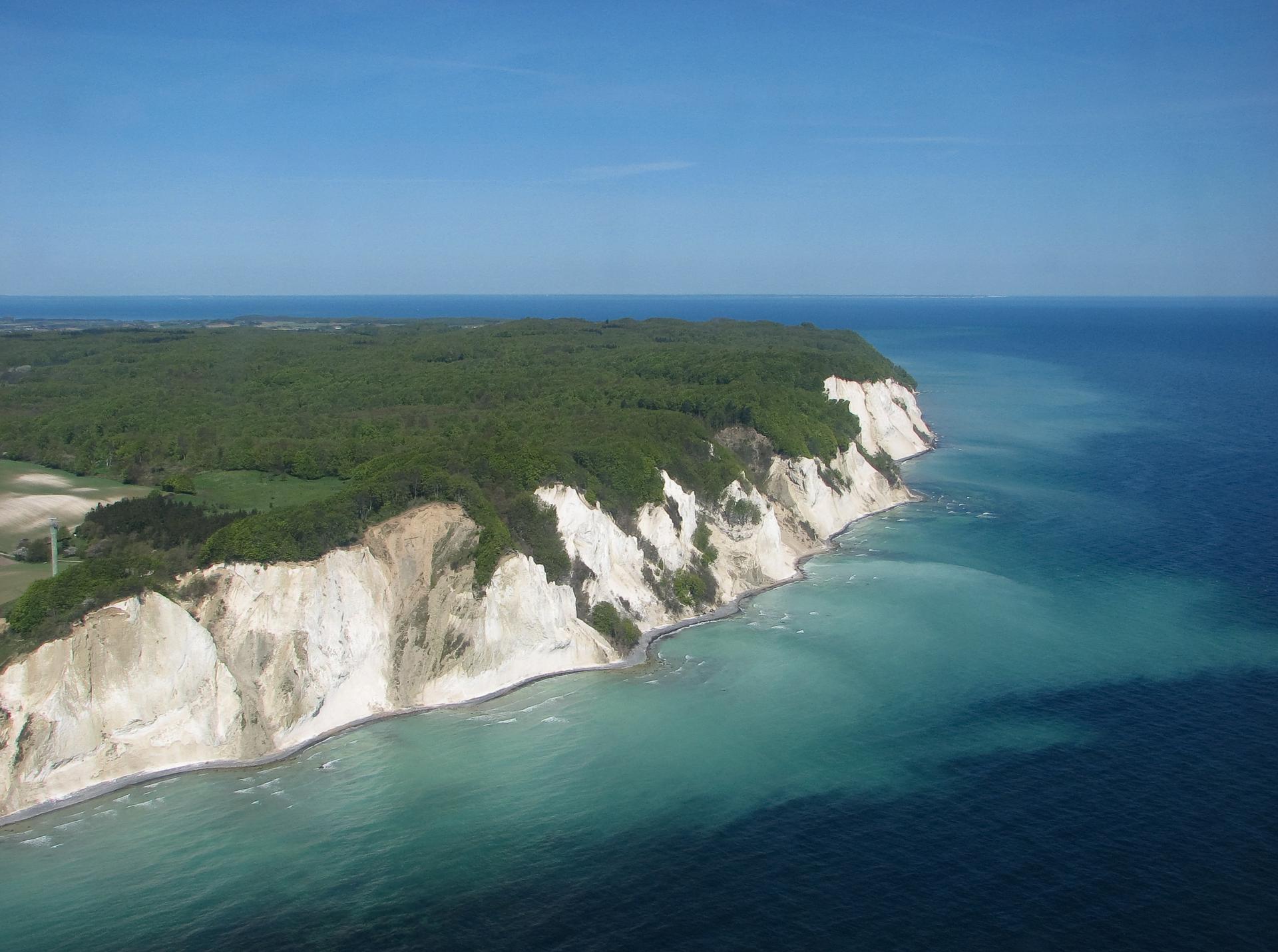
Looking beyond Færgemandens Hus.? Discover Mon for broader travel guides, local hot-spots, and regional highlights.
Explore Mon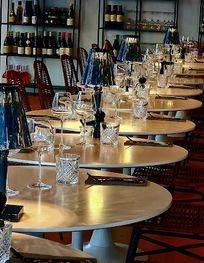
Innovative Nordic dining with local ingredients and exceptional wines on Nykøbing Falster's waterfront.
Casual waterfront bistro on Møn serving generous Danish and European comfort dishes with harbor views, relaxed indoor seating and a breezy outdoor terrace.