Charlottenlund Castle, North Zealand Travel Guide
A former royal residence in a leafy deer park north of Copenhagen, where French-inspired architecture, quiet forest paths and cultural events meet by the Øresund coast.
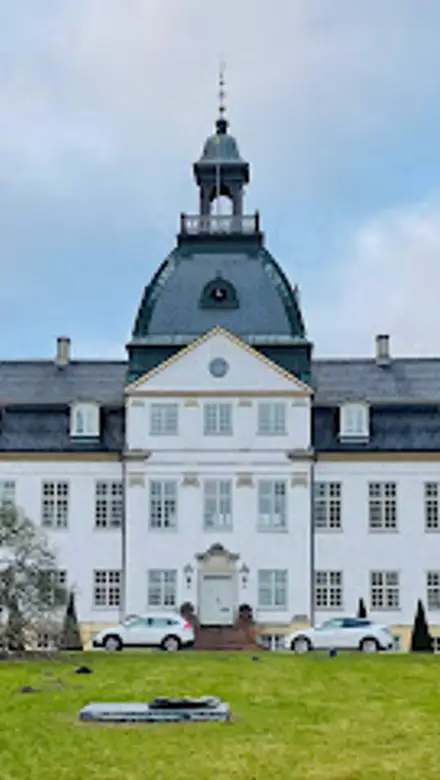
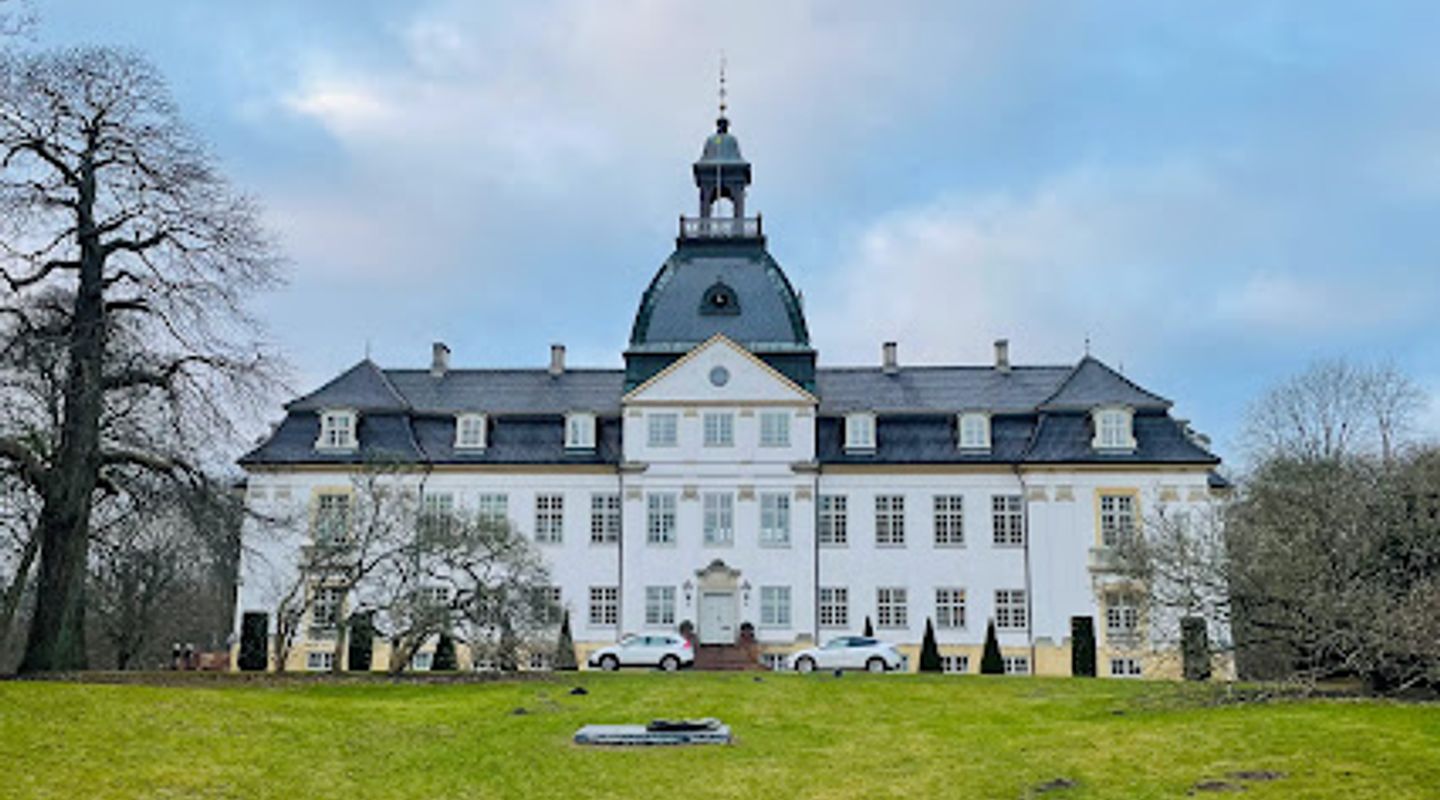
Set at the edge of a leafy deer park just north of Copenhagen, Charlottenlund Castle is a former royal residence turned elegant cultural venue. The pale, French Renaissance–inspired palace sits amid lawns and old trees, once part of the king’s hunting grounds. Inside, grand halls and salons now host concerts, conferences and weddings, while outside, the surrounding Charlottenlund Forest and nearby coastline invite relaxed strolls and picnics in a quietly regal setting.
A brief summary to Charlottenlund Castle
- Jægersborg Alle 1, Charlottenlund, 2920, DK
- Click to display
- Click to display
- Duration: 1 to 3 hours
- Mid ranged
-
 Mixed
Mixed
- Mobile reception: 5 out of 5
- Monday 8 am-4 pm
- Tuesday 8 am-4 pm
- Wednesday 8 am-4 pm
- Thursday 8 am-4 pm
- Friday 8 am-4 pm

Know before you go
Hi, I'm Eve. Here are a few practical things to know before exploring Charlottenlund Castle.
- Combine a walk around the castle with time in Charlottenlund Forest and down by the Øresund coast to appreciate how the palace, woods and sea belong to one historic landscape.
- Check current event listings in advance if you hope to see the interiors; access to the grand halls often coincides with concerts, exhibitions or private functions.
- Bring a camera in soft morning or late-afternoon light, when the pale façades and mansard roofs photograph beautifully against the surrounding trees.
- Wear comfortable shoes for mixed terrain; you may find yourself wandering from gravel paths around the castle onto forest trails and grassy lawns.
- If visiting in cooler months, layer up—the open grounds and nearby shoreline can feel breezy even on dry, calm days.
Do you manage this location?
Take control to get all the benefits, like improved information, better appearance, and stronger visibility across AI-powered discovery. Learn more about listing your business on Evendo
Activate your presenceOther nearby places you may find interesting
The closest places of the same kind, if this one is not quite what you had in mind.
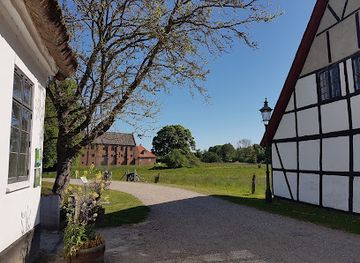
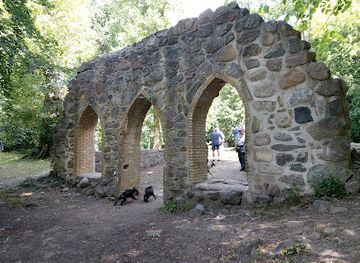
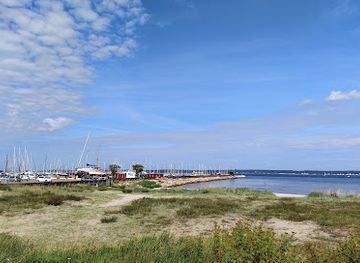
Explore Charlottenlund Castle on the Map
A handpicked selection of must-see spots near Charlottenlund Castle, mapped for you.
Getting There
-
S-train from central Copenhagen
From central Copenhagen, take an S-train on line C toward Klampenborg and get off at Charlottenlund Station; trains usually run every 10–20 minutes and the ride takes about 15 minutes. From the station it is an easy 10–15 minute walk through the suburb to the castle. A standard two-zone ticket within the Copenhagen area typically costs around 24–30 DKK each way, and trains are fully accessible for wheelchairs and strollers.
-
Local bus connection
Several local bus routes in Gentofte Municipality serve the streets near Charlottenlund Castle, with journey times of roughly 20–35 minutes from inner Copenhagen depending on traffic. Expect to pay the regular city bus fare of about 24–30 DKK for two zones, using the same ticketing system as the S-trains. Buses usually stop within a short walk of the castle but can be less frequent in the evenings and on weekends.
-
Bicycle from Copenhagen
Cycling from central Copenhagen to Charlottenlund Castle typically takes 25–40 minutes, following mainly flat, well-marked cycle paths along the coast or through northern neighborhoods. This option suits confident cyclists comfortable with urban traffic and variable weather. City bikes can be rented on an hourly basis, often starting around 40–60 DKK per hour, and bike lanes are generally separated from car traffic for most of the route.
-
Taxi or rideshare
By taxi or rideshare from central Copenhagen, travel time to Charlottenlund Castle is usually 15–25 minutes depending on traffic along the coastal road or ring routes. Fares commonly range from about 180–280 DKK one way, with higher prices at rush hour or late at night. Drop-off is straightforward on Jægersborg Allé near the castle grounds, but be aware that cars are not permitted deep into the surrounding parkland.
For the on-the-go comforts that matter to you
-
 Restrooms
-
 Seating Areas
-
 Sheltered Areas
-
 Trash Bins
-
 Information Boards
Discover more about Charlottenlund Castle
From royal deer park to refined palace
Charlottenlund Castle grew out of a royal deer park established here in the 17th century, when Danish kings used these woods and meadows for hunting retreats away from Copenhagen. Over time a modest residence evolved into a proper country seat, reflecting the crown’s desire for a comfortable yet prestigious escape close to the capital.In the early 18th century, Crown Prince Christian later Christian VI granted the estate to his sister Princess Charlotte Amalie. She replaced the old house with a new Baroque-style palace, whose symmetry and stately proportions still anchor the site today. The name Charlottenlund "Charlotte’s grove" recalls both the princess and the wooded setting that frames the building.A palace reshaped for a modern monarchy
Later in the 19th century the palace was thoroughly rebuilt for Crown Prince Frederick, the future King Frederick VIII, and his family. Architect Ferdinand Meldahl reimagined the façade with French Renaissance touches, adding dormer windows, mansard roofs and rich detailing that distinguish the castle from the stricter Baroque style of its origins. The result is a light, almost romantic silhouette set against deep green trees.For decades Charlottenlund Castle served as a favored royal residence, close enough to Copenhagen for court life yet far enough to feel like a country home. Several members of Scandinavian royalty were born here, underscoring its role within the Danish royal story. Walking around the exterior today, you can still sense that mix of formality and intimacy in its manageable scale and human-sized courtyards.Science, culture and a new chapter
In the 20th century the palace’s purpose shifted from royal living to research. For many years it housed marine and fisheries institutes, with laboratories and offices tucked behind the historic walls. This scientific era left the building well maintained but little known to casual visitors, as work here focused on the seas rather than sightseeing.Today the castle has been carefully adapted once more, this time as a cultural and event venue. High-ceilinged halls with stucco, chandeliers and parquet floors now host classical concerts, lectures, art exhibitions and private celebrations. When not set for grand dinners or conferences, the interiors feel like a quietly preserved snapshot of an elegant, late-19th-century residence.Parkland, forest and sea on the doorstep
One of Charlottenlund Castle’s greatest pleasures lies just outside its doors. The palace sits within Charlottenlund Slotshave and adjoining woodland, with long avenues, open lawns and pockets of old forest that still hint at the original hunting grounds. Paths lead under beech and oak trees, giving glimpses of the pale façade from different angles as you walk.A short stroll away, the land slopes toward the Øresund coast, where locals swim, picnic and watch ferries glide between Denmark and Sweden. The combination of stately architecture, semi-wild greenery and nearby shoreline makes this an appealing place to slow down, whether you bring a book for the grass, a camera for the palace, or simply a curiosity about quieter corners of royal Denmark.Experiencing the castle today
Visitors typically experience Charlottenlund Castle from the outside, admiring the architecture and exploring the surrounding park, unless attending a scheduled event that opens up its richly decorated rooms. Information about concerts, tours or cultural programs changes by season, and the atmosphere can shift from hushed and contemplative on a weekday morning to lively and festive when music or celebrations fill the Great Hall.Even without stepping indoors, the site invites unhurried exploration. You can trace the line of the main façade along Jægersborg Allé, circle the castle to appreciate its wings and roofline, then drift into the trees where the formal grounds give way to a softer, more natural landscape. In this blend of history, design and everyday recreation, Charlottenlund Castle feels less like a museum piece and more like a living part of suburban Copenhagen’s cultural fabric.












Your all‑in‑one travel companion app
Explore expert travel guides, compare and book tours, experiences, hotels, and more—all from the palm of your hand. Download now for seamless trip planning wherever your wanderlust takes you.


Explore More of North Zealand
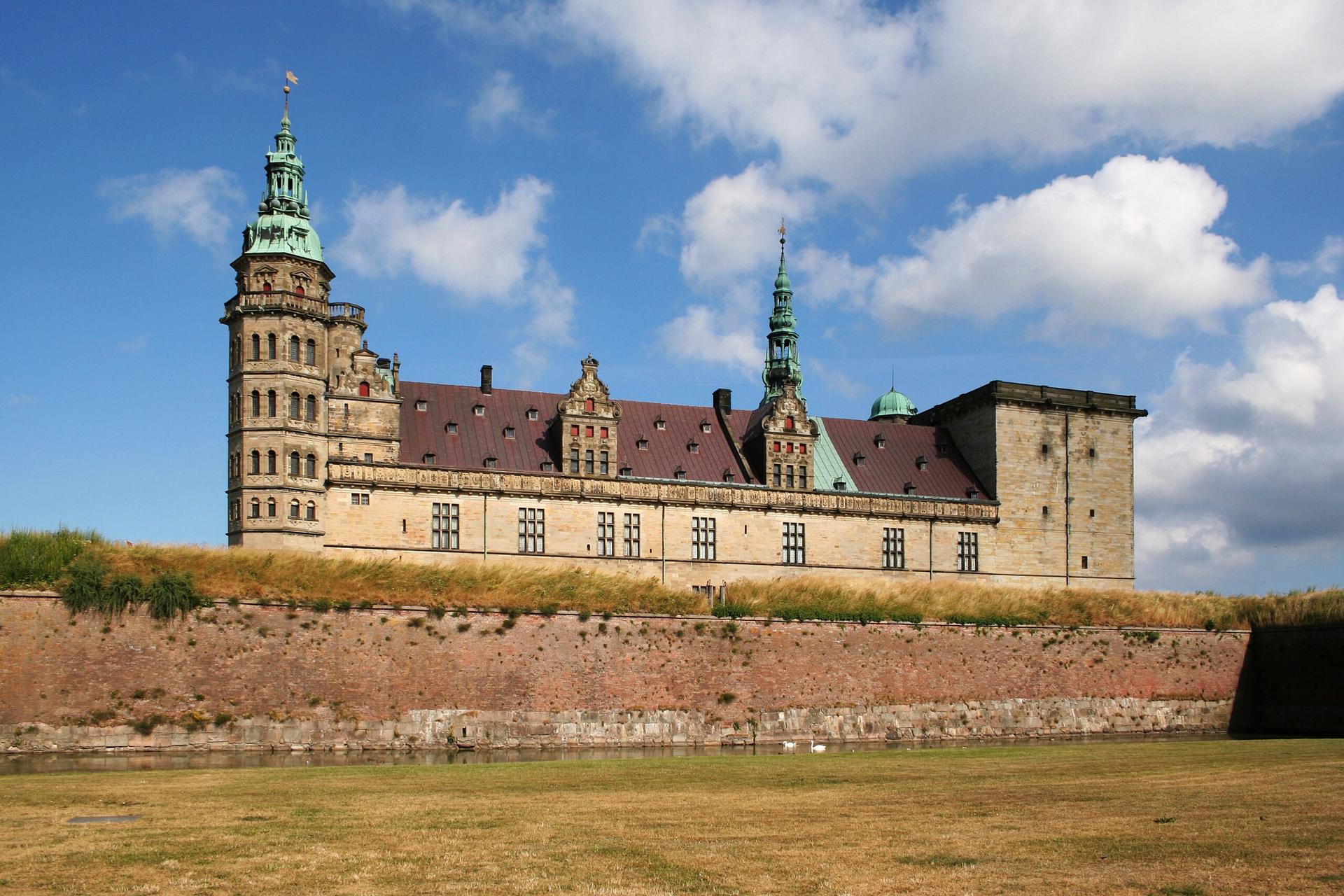
Looking beyond Charlottenlund Castle? Discover North Zealand for broader travel guides, local hot-spots, and regional highlights.
Explore North Zealand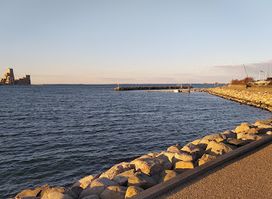
Compact urban sands, a long wooden pier and sheltered shallows make Svanemølle Beach Østerbro’s easygoing city escape on the edge of Svanemølle Bay.
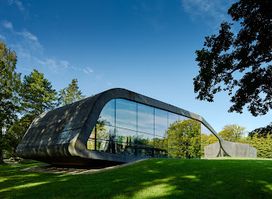
A historic country house turned art museum, where French masters, Danish classics, bold contemporary architecture, and a sculpture-filled park meet in leafy Charlottenlund.