

Free North Zealand Travel Guide & Mobile App
Explore North Zealand with free travel guides. Discover regional history, expert tips, proposed trips, and audio guides on web or mobile app.


Explore North Zealand for Danish royal castles, forest walks, coastal villages, modern art and beaches beside the Øresund and Kattegat.
Read more about North Zealand
When is the best time to visit North Zealand?
Best: June–August · 20–22°C| Month | High (°C) | Rainfall (mm) |
|---|---|---|
| January | 3 | 50 |
| February | 4 | 40 |
| March | 6 | 40 |
| April | 11 | 40 |
| May | 16 | 50 |
| June (best) | 20 | 60 |
| July (best) | 22 | 70 |
| August (best) | 22 | 70 |
| September | 18 | 60 |
| October | 13 | 60 |
| November | 8 | 60 |
| December | 4 | 60 |
Getting to and around North Zealand
How to get there
Transportation
Top city travel guides in North Zealand
The cities of North Zealand, and the easiest places to base yourself.
-

-

-

-
-


Swipe for more cities
Best attractions in North Zealand
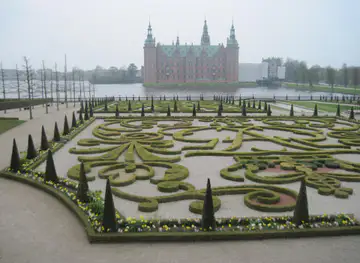
North Zealand’s attractions span royal history, modern art and accessible coastal countryside. Frederiksborg Castle in Hillerød offers grand interiors, gardens and the National History Museum, while Kronborg in Helsingør combines Renaissance court architecture with fortifications, maritime history and the Hamlet tradition. Louisiana Museum of Modern Art at Humlebæk is equally important for its international exhibitions, sculpture garden and direct relationship with the Øresund. The UNESCO-listed par force hunting landscape provides a very different experience: planned forest roads and clearings in Gribskov and the surrounding royal woods are suited to walking and cycling. Along the north coast, beaches, dunes and small harbours from Hornbæk to Gilleleje support swimming, browsing, fishing-related visits and long walks. Inland lakes, woodland paths and historic towns make the region attractive beyond the summer season, while garden visits, galleries, local cultural centres and seasonal events add variety. Activities are generally easy to combine, but the region is large enough that visitors should group destinations by area rather than attempt every coastline, castle and forest in one day.
-
Theme park
Tivoli Gardens
Historic pleasure gardens, glowing lights and classic rides woven into one magical amusement park in the very heart of Copenhagen.
-
Tourist attraction
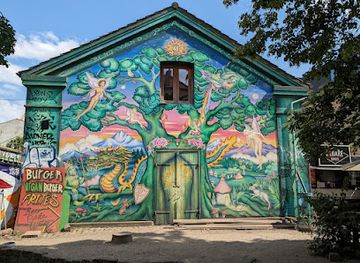
Christiania
Copenhagen's autonomous anarchist commune where hand-built creativity, alternative culture, and radical freedom define a unique urban sanctuary.
-
Castle
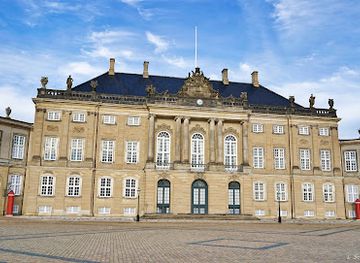
Amalienborg Palace
Copenhagen’s living royal residence: four rococo palaces, a ceremonial square and a museum that opens the doors to 150 years of Danish royal life.
-
Observatory
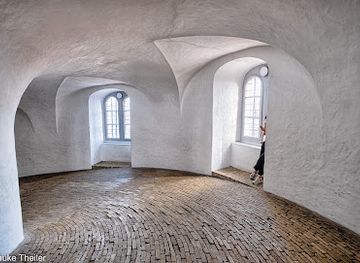
The Round Tower
Copenhagen’s 17th‑century Round Tower pairs a graceful spiral climb with centuries of science, stories and one of the city’s most atmospheric rooftop views.


Best landmarks in North Zealand
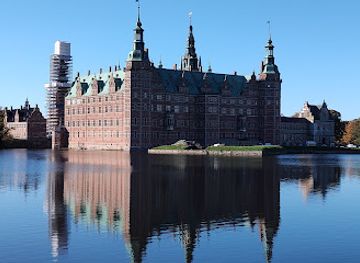
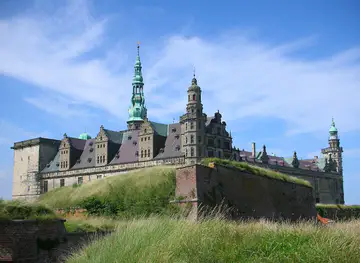
Kronborg Castle is North Zealand’s defining landmark, occupying the headland at Helsingør where the Øresund narrows towards Sweden. Its towers, bastions and Renaissance interiors express both royal authority and Denmark’s former control of passage through the sound. Frederiksborg Castle at Hillerød has a different visual character, with elaborate Renaissance façades reflected in the Castle Lake and formal gardens extending the royal composition into the surrounding town. The geometric forest roads of the UNESCO-listed par force hunting landscape are landmarks in cultural rather than monumental terms, revealing how the monarchy imposed a planned design on Gribskov and neighbouring royal woods. Along the coast, the old harbour environments of Helsingør and Gilleleje provide reminders of maritime work, while the long beaches and wooded headlands around Hornbæk, Tisvildeleje and the Kattegat shore are significant natural features. Louisiana Museum of Modern Art is also an architectural landmark: its low modernist buildings, sculpture garden and sea-facing setting demonstrate how cultural design can be integrated into an established coastal landscape.
-
Castle
Amalienborg Palace
Four Rococo palaces where Danish royalty has lived for over two centuries, crowned by daily ceremonial pageantry.
-
Observatory
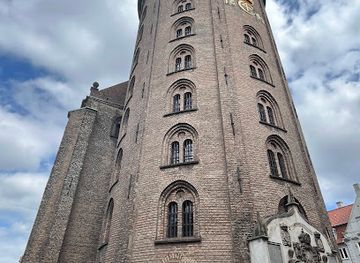
The Round Tower
A 17th‑century spiral observatory where royal science, city views and contemporary culture coil together above Copenhagen’s old Latin Quarter.
-
 Sculpture
The Little Mermaid
A modest bronze mermaid on a harbor rock who carries more than a century of Danish fairy-tale history, art, and quiet longing on her small shoulders.
-
Castle
Christiansborg Palace
Denmark's 800-year seat of power where Parliament, courts, and royalty converge in a palace reborn from fire.

Explore North Zealand on the map
Plan your trip on one map. See where the top cities, national parks and sights are, and book hotels and experiences in a few clicks.
Best hotels in North Zealand
Best restaurants in North Zealand
North Zealand’s dining reflects its position between fertile Zealand, the Øresund and the Kattegat. Harbour towns such as Helsingør and Gilleleje are natural places to look for fish, shellfish and open sandwiches, while seaside resorts add cafés, bakeries and informal summer dining. Traditional Danish food includes rye bread, pickled and smoked ingredients, seasonal fish and familiar pastries; these are national traditions, but the region’s coastal setting gives them particular relevance. Inland inns and restaurants often draw on local vegetables, apples, berries and other Zealand produce, while contemporary kitchens in Hillerød, Humlebæk and Helsingør may combine Nordic techniques with broader influences. Farmers’ markets and farm shops can provide cheese, preserves, bread and seasonal goods, although availability varies by day and season. Expect Danish prices to be relatively high, and remember that restaurants, harbour kiosks and rural cafés may observe different seasonal schedules.
-
Food court
Reffen - Skøjteøen
Waterfront street food, glowing ice rinks and urban harbour vibes come together at Copenhagen’s creative winter playground on Refshaleøen.
-
American
Hard Rock Cafe Copenhagen
Rock and roll meets American cuisine in Copenhagen's Town Hall Square.
-
Fine Dining
Høst
Award-winning Nordic harvest cuisine in a candlelit Copenhagen dining room where rustic brick, Danish design and seasonal tasting menus create an intimate evening.
-
Restaurant
Folkehuset Absalon
Colourful former church on Sønder Boulevard turned community house, where communal dining, coffee, culture and everyday Copenhagen life all share the same long tables.


Best bars in North Zealand
Evening life in North Zealand is generally understated and concentrated in Helsingør, Hillerød and the larger coastal towns rather than organised around a major club scene. Helsingør’s historic centre has pubs, wine bars, restaurants and occasional live music in a compact setting, while Hillerød offers a broader choice of cafés, bars and cultural venues. Coastal resorts such as Hornbæk and Gilleleje become busier in summer, with outdoor dining and harbour-side drinks, though the atmosphere remains more seasonal than metropolitan. Traditional Danish pubs and hotel bars are useful for an informal evening, and some breweries or speciality bars provide locally oriented drinks without making alcohol the focus of the visit. Late-night options are more limited in villages and rural districts, so check return transport before staying out and consider arranging a taxi where buses and trains do not run conveniently.
-
Bar
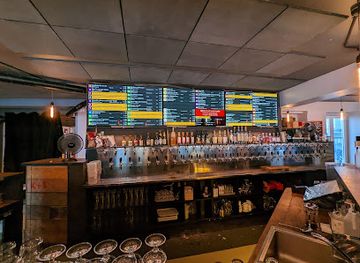
Taphouse
Scandinavian-style craft beer hall in central Copenhagen pouring 61 ever-changing taps, taster-friendly flights and global microbrews in a relaxed, modern setting.
-
Bar
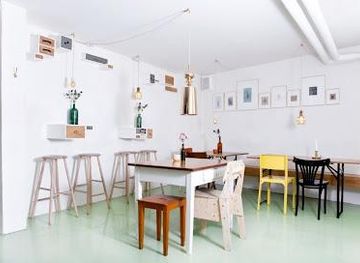
Fermentoren
Copenhagen's unpretentious craft beer sanctuary with rotating taps and genuine expertise.
-
Bar
Mikkeller Bar
The original Mikkeller cellar bar in Vesterbro, pairing Scandinavian design with world-class, ever-changing craft beers in an intimate Copenhagen setting.
-
Cocktail bar
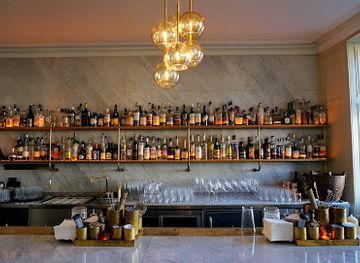
Ruby
A hidden speakeasy where vintage charm meets masterful mixology in Copenhagen's most exclusive cocktail sanctuary.

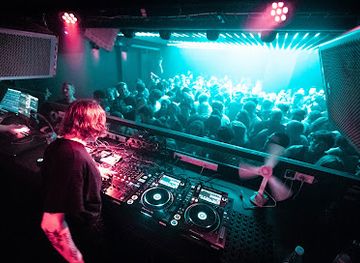
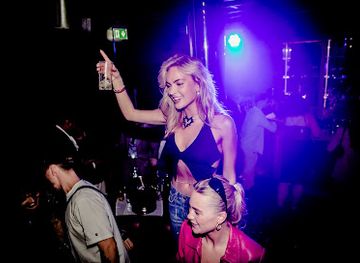
Best nightclubs in North Zealand
Evening life in North Zealand is generally understated and concentrated in Helsingør, Hillerød and the larger coastal towns rather than organised around a major club scene. Helsingør’s historic centre has pubs, wine bars, restaurants and occasional live music in a compact setting, while Hillerød offers a broader choice of cafés, bars and cultural venues. Coastal resorts such as Hornbæk and Gilleleje become busier in summer, with outdoor dining and harbour-side drinks, though the atmosphere remains more seasonal than metropolitan. Traditional Danish pubs and hotel bars are useful for an informal evening, and some breweries or speciality bars provide locally oriented drinks without making alcohol the focus of the visit. Late-night options are more limited in villages and rural districts, so check return transport before staying out and consider arranging a taxi where buses and trains do not run conveniently.
-
Night club
Culture Box
Denmark's iconic underground electronic music venue hosting world-class techno and house artists.
-
Night club
Club Mambo
Compact Latin nightclub in central Copenhagen, blending salsa-focused dance floors, cocktails and casual dining into one lively late-night venue.
-
Night club
Arch
High-energy Copenhagen nightclub with mirrored tunnels, VIP tables, and big-room beats in the heart of Indre By, hosting late-night parties until dawn.
-
Night club
Baggen
Raw, late‑night energy in Copenhagen’s Meatpacking District, where industrial walls, bright patio lights and underground beats create a compact, open‑minded club.


Best shops in North Zealand
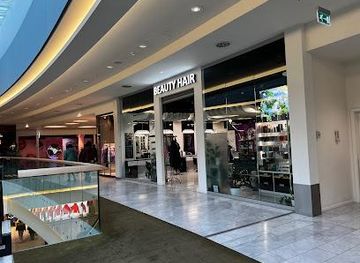
Shopping in North Zealand is led by compact market towns, independent high streets, galleries and practical coastal retail rather than large-scale luxury districts. Helsingør combines everyday shops with historic streets, design stores, cafés, books and maritime-themed browsing, while Hillerød has the region’s most substantial town-centre retail around its pedestrian areas and castle setting. Humlebæk and the coastal settlements offer galleries, ceramics, homeware and seasonal boutiques, particularly appealing to visitors interested in Danish design and craft. Harbour towns such as Gilleleje are good places to look for fish products and locally made food, subject to the season and individual shop schedules. Farm shops and markets may sell Zealand vegetables, fruit, preserves, bread and honey, while bakeries provide dependable edible souvenirs. Opening patterns can be shorter outside the main towns and during winter, so plan food and gift purchases before travelling to smaller villages or beaches.
-
Shopping mall
Fisketorvet Copenhagen Mall
Waterfront mega‑mall blending Scandinavian style, big‑screen cinema and everyday convenience on Copenhagen’s Kalvebod Brygge harbourfront.
-
Department store
Magasin du Nord
Copenhagen’s classic grand department store, blending Nordic style, gourmet treats and design-led shopping in a historic landmark on vibrant Kongens Nytorv.
-
Shopping mall
Lyngby Storcenter
A bright, indoor shopping hub north of Copenhagen, blending big-city retail, everyday essentials and cafés under one roof in central Kongens Lyngby.
-
Flea market
Kirppu Hillerød
Bright, indoor second-hand supermarket in Hillerød where over 200 ever-changing stalls turn Danish everyday life into a relaxed treasure hunt, open daily with free entry.


Get your free copy of our complete guide to North Zealand, delivered straight to you.
Everything on this page, from attractions and restaurants to essentials and local phrases, in one PDF you can read offline, print or share.
Already have an account? Sign in
Your North Zealand guide is ready.
We'll send it to · Not you? Sign out

Getting your guide ready…
We are putting together a fresh copy of the North Zealand guide. This can take up to a minute.
This can take a few moments. If your browser asks, choose Allow so the download can start. You'll find the guide in your Downloads folder.
Nothing happened? Download it again
Sorry, the guide is taking longer than usual. Please try again in a minute, or get it by email instead.
North Zealand essentials
Currency and Payment
Safety
Emergency Situations
Do's and Don'ts
Local Tips
From Eve
Local phrases worth knowing
You don't need to get them perfect. A few words go a long way, and locals appreciate the effort.
Basics
| English | Local | Say it |
|---|---|---|
| Hello | Hej | [hay] |
| Goodbye | Farvel | [fah-vel] |
| Yes | Ja | [yah] |
| No | Nej | [nai] |
| Please/You're welcome | Vær så venlig | [vair soh ven-lee] |
| Thank you | Tak | [tahk] |
| Excuse me/Sorry | Undskyld | [oon-skuld] |
| How are you? | Hvordan har du det? | [vor-den har doo deh] |
| Fine. And you? | Fint. Og dig? | [feent. oh dai?] |
| Do you speak English? | Taler du engelsk? | [tay-ler doo eng-elsk?] |
| I don't understand | Jeg forstår ikke | [yai for-stor ik-kah] |
Eating & Drinking
| English | Local | Say it |
|---|---|---|
| I'd like to see the menu, please | Jeg vil gerne se menuen, tak | [yai vil gair-nah seh meh-nu-en, tahk] |
| I don't eat meat | Jeg spiser ikke kød | [yai spee-ser ik-kah kuhth] |
| Cheers! | Skål! | [skawl] |
| I would like to pay, please | Jeg vil gerne betale, tak | [yai vil gair-nah beh-tah-leh, tahk] |
Emergencies
| English | Local | Say it |
|---|---|---|
| Help! | Hjælp! | [yelp] |
| Go away! | Gå væk! | [goh vek] |
| Call the Police! | Ring til politiet! | [ring til po-lee-teet] |
| Call a doctor! | Ring efter en læge! | [ring ef-ter en lay-eh] |
| I'm lost | Jeg er faret vild | [yai air fah-ret vil] |
| I'm ill | Jeg er syg | [yai air sue] |
Shopping
| English | Local | Say it |
|---|---|---|
| I'd like to buy... | Jeg vil gerne købe... | [yai vil gair-nah kuh-beh...] |
| I'm just looking | Jeg kigger bare | [yai kee-ger bah-reh] |
| How much is it? | Hvor meget koster det? | [vor mai-eth koh-ster deh?] |
| That's too expensive | Det er for dyrt | [deh air for dyurt] |
| Can you lower the price? | Kan du sænke prisen? | [kan doo sen-keh pree-sen] |
Time & Numbers
| English | Local | Say it |
|---|---|---|
| What time is it? | Hvad tid er det? | [vahd teed air deh?] |
| It's one o'clock | Klokken er et | [klo-ken air et] |
| Half past (10) | Halv (10) | [halv (10)] |
| Morning | Morgen | [mor-en] |
| Afternoon | Eftermiddag | [ef-ter-mi-dahg] |
| Evening | Aften | [af-ten] |
| Yesterday | I går | [ee gohr] |
| Today | I dag | [ee day] |
| Tomorrow | I morgen | [ee mor-en] |
| 1 | 1 | [1] |
| 2 | 2 | [2] |
| 3 | 3 | [3] |
| 4 | 4 | [4] |
| 5 | 5 | [5] |
| 6 | 6 | [6] |
| 7 | 7 | [7] |
| 8 | 8 | [8] |
| 9 | 9 | [9] |
| 10 | 10 | [10] |
Transport & Directions
| English | Local | Say it |
|---|---|---|
| Where's a/the...? | Hvor er en...? | [vor air en...?] |
| What's the address? | Hvad er adressen? | [vahd air ah-dress-en?] |
| Can you show me (on the map)? | Kan du vise mig (på kortet)? | [kan doo vee-seh mai (poh kor-tet)?] |
| When's the next (bus)? | Hvornår går den næste (bus)? | [vor-nor gor den nes-teh (bus)?] |
| A ticket (to ....) | En billet (til ....) | [en bee-let (til ....)] |
History of North Zealand
Prehistoric Settlements and Ancient Landscapes
North Zealand has been inhabited since the Stone Age, when communities settled around its coasts, fjords, lakes and fertile inland soils. Burial mounds and other archaeological traces remain evidence of later Bronze Age and Iron Age societies, although many sites are discreet features in the countryside rather than monumental visitor attractions. The region’s forests, wetlands and agricultural fields therefore sit within a much older human landscape. Its position between the Kattegat, the Øresund and the fjords also gave fishing, movement and maritime exchange a persistent role long before the rise of Denmark’s medieval kingdom.
Medieval Helsingør and the Sound
Helsingør grew in importance during the Middle Ages because ships passing through the Øresund made the town a natural point for trade and administration. Its position opposite the Swedish coast connected it to the wider Baltic world, while churches, merchants and royal interests shaped the settlement. The medieval town’s street pattern and surviving buildings reflect this maritime past. Later royal fortifications developed the same strategic advantage, ensuring that Helsingør remained one of the most significant ports and political gateways in eastern Denmark.
Kronborg and the Sound Dues
Kronborg Castle was developed by the Danish crown in the late sixteenth century on the site of earlier fortifications at Helsingør. Its position allowed Denmark to control shipping through the Øresund, and the Sound Dues collected from passing vessels became a major source of royal revenue from the fifteenth century until the nineteenth century. Kronborg’s Renaissance architecture expressed both military power and courtly ambition. Its later association with Shakespeare’s Hamlet gave the castle a global literary identity, but its original importance was strategic, financial and political.
Royal Residences and Frederiksborg
North Zealand became a favoured royal landscape as Danish monarchs sought residences, hunting grounds and ceremonial settings within reach of Copenhagen. Frederiksborg Castle at Hillerød was rebuilt in the early seventeenth century for Christian IV and became a principal expression of Danish Renaissance architecture. Fires and later restoration shaped the building’s appearance, while its National History Museum now presents portraits and historical scenes from Danish history. The royal presence also influenced roads, forests, estates and towns across the interior, leaving a cultural landscape that remains central to the region’s identity.
The Par Force Hunting Landscape
The royal court transformed large areas of North Zealand in the seventeenth and eighteenth centuries into a planned landscape for par force hunting, in which mounted huntsmen pursued deer along carefully arranged roads and avenues. Store Dyrehave, Gribskov and Jægersborg Hegn form the UNESCO-listed cultural landscape, whose geometric structure can still be read in the forest. The design illustrates the power of Denmark’s absolutist monarchy and its attempt to organise nature for courtly display and sport. Today the same paths are used for walking, cycling and quiet forest recreation.
Fishing Communities and the Coastal Retreat
The northern coast developed through fishing, small-scale maritime trade and the working harbours of places such as Gilleleje, while the Øresund coast became increasingly associated with villas and summer retreats. Rail connections and improved roads from the nineteenth century onwards made the beaches and countryside accessible to Copenhagen’s growing middle class. Seaside hotels, holiday cottages and artists’ communities altered the coastal economy without entirely displacing fishing traditions. The contrast between working harbour, resort town and forested retreat remains visible along North Zealand’s shoreline.
Wartime Rescue and Modern Cultural Life
During the German occupation of Denmark in the Second World War, fishing communities and other local networks along the Øresund helped many Danish Jews escape to neutral Sweden in October 1943. The rescue effort was dangerous and relied on secrecy, boats and cooperation across communities; it is remembered as part of the region’s wartime history rather than as a simple local legend. In the post-war period, North Zealand consolidated its role as a residential and leisure region. Institutions such as Louisiana Museum of Modern Art added an international cultural dimension to its older royal and maritime heritage.
North Zealand in Photos
Browse through our photo collection highlighting the charm and character of the destination.
Neighbouring regions of North Zealand
The closest regions to North Zealand, if you have time for more than one.
-
-
-
-

-


Swipe for more regions
Explore more

Explore more of Denmark
Discover Denmark: A perfect blend of history, modern design, and the cozy concept of hygge. Explore vibrant cities, serene landscapes, and world-class cuisine.
Explore Denmark