Jægersborg Dyrehave, North Zealand Travel Guide
UNESCO-listed royal deer park north of Copenhagen, where ancient oaks, free-roaming herds and a hilltop hunting lodge create a vast, car-free nature escape.
Just north of Copenhagen, Jægersborg Dyrehave is a vast, UNESCO-listed deer park where royal hunting history and wild nature blend seamlessly. Within its rolling meadows and ancient oak forests roam more than 2,000 red, fallow and sika deer in a carefully protected, car-free landscape. Star-shaped avenues lead towards the Hermitage Hunting Lodge on its grassy plateau, while nearby Bakken amusement park, riding tracks and bike-friendly paths make the area a rare mix of serene nature escape and gentle, family-friendly fun.
A brief summary to Jægersborg Dyrehave
- Dyrehaven, Klampenborg, 2930, DK
- Click to display
- Click to display
- Duration: 2 to 6 hours
- Free
-
 Outdoor
- Mobile reception: 4 out of 5

Know before you go
Hi, I'm Eve. Here are a few practical things to know before exploring Jægersborg Dyrehave.
- Arrive early or near sunset for the best chance to see larger deer herds in open clearings and to enjoy softer light for photos.
- Bring layers and windproof clothing; the exposed plains around the Hermitage Lodge can feel much cooler than the forested paths.
- Consider renting a bike near Klampenborg Station to cover more of the park, but stay on marked paths and slow down near deer.
- Pack snacks or a picnic, but remember there are no bins in some areas, so be prepared to carry all rubbish back out with you.
- If visiting in autumn, give rutting stags plenty of space; watch from a distance with binoculars rather than approaching closely.
Do you manage this location?
Take control to get all the benefits, like improved information, better appearance, and stronger visibility across AI-powered discovery. Learn more about listing your business on Evendo
Activate your presenceOther nearby places you may find interesting
The closest places of the same kind, if this one is not quite what you had in mind.
Explore Jægersborg Dyrehave on the Map
A handpicked selection of must-see spots near Jægersborg Dyrehave, mapped for you.
Getting There
-
Train from central Copenhagen
From central Copenhagen, take an S-train on line C towards Klampenborg; the ride typically takes 20–25 minutes from major stations. Trains run frequently throughout the day and standard single tickets within the Copenhagen zone system cost roughly the same as other short regional journeys in the city. Klampenborg Station sits directly by one of Dyrehaven’s main red gates, so access from the platform is straightforward and step-free, though forest paths beyond the entrance are mostly gravel.
-
Regional train from coastal towns
If you are staying in coastal towns north of Copenhagen, use the Øresund regional trains that stop at Klampenborg or Skodsborg. Travel time is usually 10–20 minutes depending on where you board, and tickets are priced like other short intercity hops in eastern Denmark. Trains generally have space for bicycles, making it easy to combine rail and cycling, but check for rush-hour restrictions and be prepared for basic, unlit forest tracks if you arrive in the early morning or evening.
-
Cycling from Copenhagen
Confident cyclists can follow marked cycle routes from central Copenhagen north to Klampenborg, a largely flat journey of around 12–15 kilometres that usually takes 45–75 minutes. The route uses a mix of city bike lanes and quieter suburban roads before joining paths near the coast. There is no direct fee for cycling, but dress for wind off the Øresund and be aware that weather and daylight can change quickly outside summer, making lights and reflective gear advisable.
-
Car or taxi from the Copenhagen area
Arriving by car or taxi from most central districts of Copenhagen generally takes 20–35 minutes in light traffic. There are several public car parks signposted around the perimeter of Jægersborg Dyrehave, free or modestly priced by Danish standards, but they can fill up on sunny weekends and holidays. Once parked, the interior of the park itself is car-free, so visitors continue on foot, by bike or on horseback along unpaved tracks that may be uneven after rain.
For the on-the-go comforts that matter to you
-
 Restrooms
-
 Drink Options
-
 Drinking Water
-
 Food Options
-
 Seating Areas
-
 Sheltered Areas
-
 Picnic Areas
-
 Trash Bins
-
 Information Boards
-
 Visitor Center
Discover more about Jægersborg Dyrehave
Royal hunting grounds turned open-air sanctuary
Jægersborg Dyrehave spreads across more than 1,000 hectares of woodland and open grassland just north of Copenhagen, created in the 17th century as a royal par-force hunting park. Straight, broad avenues radiate like a star through the forest, designed so kings and courtiers could follow stag hunts across the gently undulating terrain. Today those same lines form an elegant, readable landscape that still feels distinctly man-made, yet softened by centuries of wind, moss and leaf fall.In 2015, the park became part of a UNESCO World Heritage Site, recognised as an unusually complete example of this type of hunting landscape. The legacy is visible in the long vistas between tree trunks, the carefully planned clearings and the way paths converge towards central viewpoints. It is a rare chance to walk directly through royal landscape design on a grand scale, while being surrounded by living nature rather than stone and marble.Ancient trees and free-roaming herds
Jægersborg Dyrehave is famous for its large herds of red, fallow and sika deer, more than 2,000 animals that move freely between groves, wetlands and open plains. In the early morning and late evening you can often see entire groups grazing together, antlers lifted against the skyline or silhouettes crossing a ride. During the autumn rut, the sound of stags roaring for dominance can echo across the misty meadows, a powerful reminder that this is still a wild habitat, despite the park’s proximity to the city.The deer share the landscape with some of Denmark’s most venerable trees. Great, gnarled oaks stand like living sculptures, many of them several centuries old and now hollow at the core. Fallen trunks are left to decay where they lie, providing a haven for insects, fungi and birds. Between the woods lie broad grassy spaces such as the hawthorn plains, which erupt in blossom in late spring and draw picnickers to spread blankets under the white clouds of flowers.The Hermitage and star-shaped vistas
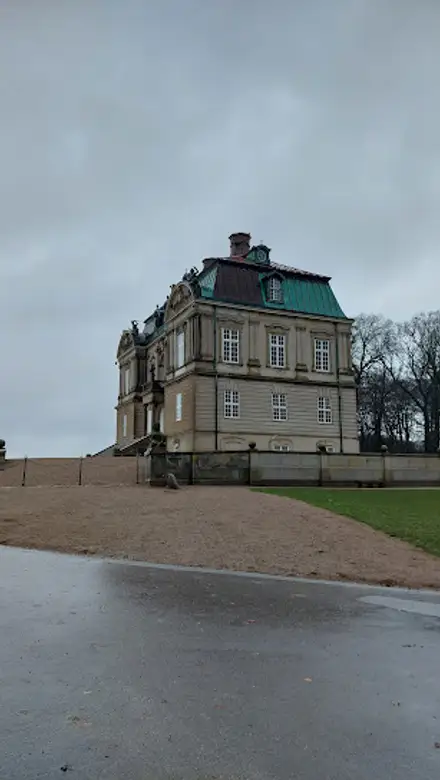
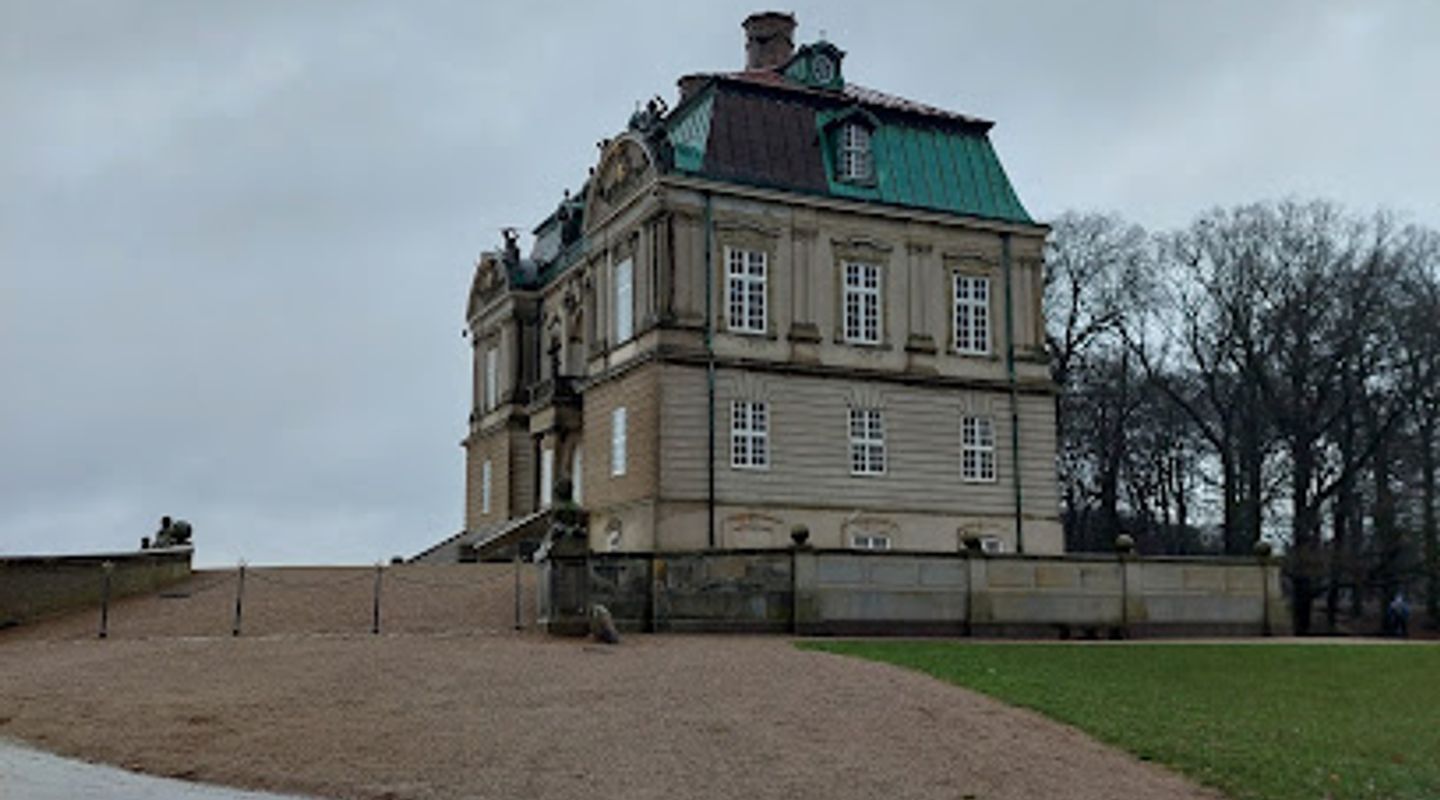
At the heart of Dyrehaven, the Hermitage Hunting Lodge rises on a grassy plateau, a compact 18th-century royal retreat designed for lavish hunting banquets. From its elevated position, avenues stretch out in all directions, giving long views over the Eremitage Plain and the surrounding woodland. Even when the building is closed, the setting alone is striking: a solitary palace framed by sky, open grass and the occasional slow-moving line of deer crossing the slopes below.These radiating paths make navigation intuitive and create many natural viewpoints. Cyclists and walkers can follow one avenue out, return on another and never lose sight of the lodge for long. The geometry also reveals the park’s dual character: a space shaped for spectacle and control, now reclaimed as a calm green refuge where people come to jog, ride, photograph and simply watch light move through the treetops.Everyday nature escape for Copenhagen
Despite its royal pedigree, Dyrehaven functions today as a relaxed, accessible green lung for the capital. The park is car-free, so the dominant sounds are hooves, bicycle wheels on gravel and wind moving through beech and oak leaves. Families push prams along the wide tracks, runners trace long loops between clearings and riding trails, and groups of friends gather in the grass for unhurried picnics. In winter, frost on the fields and bare branches create a quieter, almost monochrome beauty; in summer, dappled shade and small lakes invite slow, meandering walks.The nearby Bakken amusement park adds an unexpectedly playful note at one edge of the park, with its historic wooden roller coaster and cluster of restaurants and bars. Yet step just a little away from the fairground and the atmosphere shifts back to open sky, birdsong and the occasional crack of antlers. It is this contrast—royal history, protected wildlife and simple outdoor pleasures side by side—that gives Jægersborg Dyrehave its enduring appeal.Visiting responsibly in a living landscape
Jægersborg Dyrehave is managed as a public forest with unrestricted access, but it remains a sensitive habitat. Paths and wide rides make it easy to explore without trampling fragile ground flora, and visitors are encouraged to keep respectful distance from the deer, especially during the rut and when young calves are present. Dogs must be kept under close control, and cycling is restricted to designated paths and forest roads so that the quieter corners remain undisturbed.Information points around the park provide maps and background on both nature and cultural history, helping you understand how old oaks, grazing herds and royal planning all interact. Whether you come for an hour’s stroll near the red gates or spend a full day roaming out to the more secluded edges, the experience is less about ticking off sights and more about settling into the rhythm of this carefully tended yet genuinely wild-feeling landscape.












Your all‑in‑one travel companion app
Explore expert travel guides, compare and book tours, experiences, hotels, and more—all from the palm of your hand. Download now for seamless trip planning wherever your wanderlust takes you.


Explore More of North Zealand
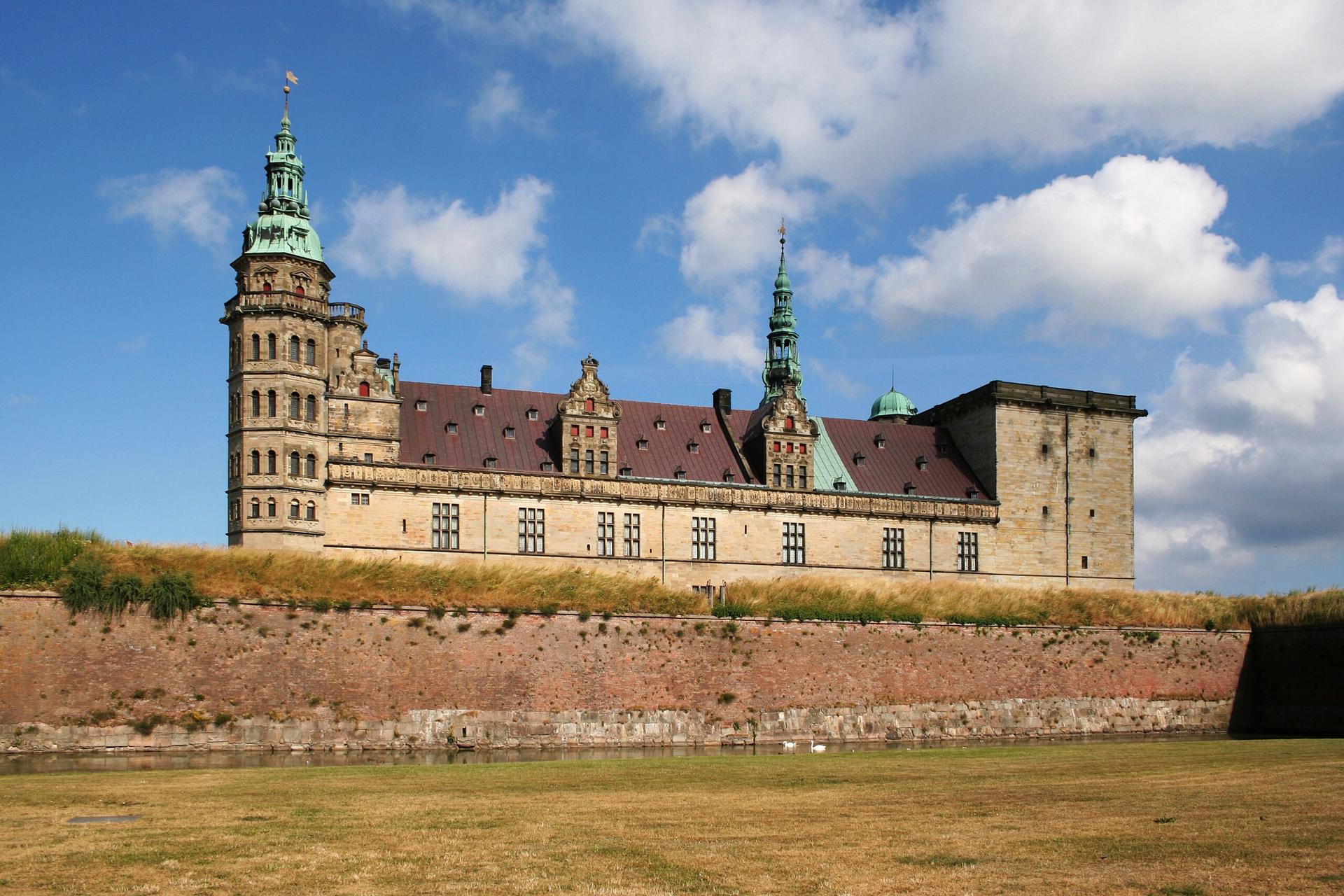
Looking beyond Jægersborg Dyrehave? Discover North Zealand for broader travel guides, local hot-spots, and regional highlights.
Explore North Zealand
Ancient peat bog and beech forest with boardwalk trails, nature playground, and bonfire facilities near Copenhagen.
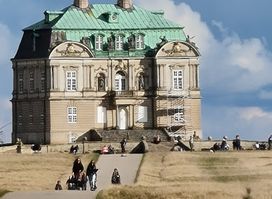
UNESCO-listed royal deer park just north of Copenhagen, where ancient oaks, open meadows and free-roaming herds create a vast, car-free escape from the city.