

Tisvildeleje, North Zealand Travel Guide
A classic Danish Riviera strand where pale sand, colorful bathhouses and pine forest meet a relaxed seaside town of cafés, cottages and slow summer days.
Tisvildeleje Beach, on Denmark’s North Zealand coast, is a wide swathe of pale sand backed by dunes and pine forest, often dubbed part of the “Danish Riviera.” Once a fishing shoreline, it’s now a classic seaside escape with clear, swimmable water, lifeguards in summer, and shallow areas suitable for families. Colorful wooden bathhouses, nearby cafés and ice-cream kiosks, and easy train access from Copenhagen make it ideal for both lazy beach days and longer stays among summer houses and coastal trails.
A brief summary to Tisvildeleje
- DK
- Duration: 2 to 8 hours
- Free
-
 Outdoor
- Mobile reception: 4 out of 5

Know before you go
Hi, I'm Eve. Here are a few practical things to know before exploring Tisvildeleje.
- Arrive before late morning on sunny summer weekends to secure space near the lifeguarded area and avoid queues for toilets and kiosks.
- Bring warm layers or a windproof jacket outside high summer—breezes off the Kattegat can feel cool even on bright days.
- Pack a picnic if you are budget-conscious; beach bars and cafés are convenient but often pricier than supermarket supplies.
- Explore the trails of Tisvilde Hegn or the so‑called Troll Forest just behind the dunes for shade, viewpoints and a change of scenery.
- If you need easier access, head for the eastern end where ramps, disabled parking and accessible toilets are closest to the sand.
Do you manage this location?
Take control to get all the benefits, like improved information, better appearance, and stronger visibility across AI-powered discovery. Learn more about listing your business on Evendo
Activate your presenceOther nearby places you may find interesting
The closest places of the same kind, if this one is not quite what you had in mind.
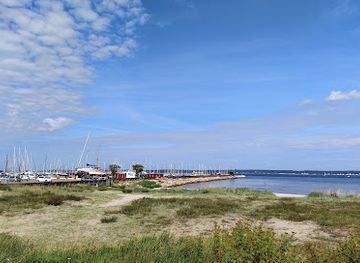
Explore Tisvildeleje on the Map
A handpicked selection of must-see spots near Tisvildeleje, mapped for you.
Getting There
-
Regional train from Copenhagen
From central Copenhagen, take an S‑train to Hillerød and change to the local Gribskovbanen service toward Tisvildeleje; the full journey typically takes 1.25–1.5 hours, with trains running at least hourly in the daytime. A standard adult single ticket for the whole trip usually falls in the 80–120 DKK range depending on discounts and time of day. From Tisvildeleje Station it is an easy, roughly 15–20 minute walk on mostly flat roads through town to reach the beach, suitable for most abilities but with some gentle inclines.
-
Car from North Zealand and Copenhagen area
Driving from northern Copenhagen districts or central North Zealand towns generally takes 45–70 minutes, depending on traffic. Expect to pay for fuel and, if using a rental, daily hire charges plus possible tolls elsewhere in your trip; there are no tolls specific to the beach approach. Public parking areas near the dunes and along the main street are usually free or low cost, but they can fill by late morning on hot summer days, and some spots have time limits, so allow extra time to find a legal space.
-
Local bus connections within North Zealand
Several regional bus routes link nearby towns such as Helsinge and other coastal villages with Tisvildeleje, typically taking 20–40 minutes depending on the starting point and route. A single bus fare within the local zones is commonly in the 25–40 DKK range when bought with a travel card or mobile ticket. Services are generally hourly during the day but may be less frequent in late evenings and on weekends, so check timetables and allow for walking 10–20 minutes from the stop through town to the beach.
For the on-the-go comforts that matter to you
-
 Restrooms
-
 Drink Options
-
 Drinking Water
-
 Food Options
-
 Seating Areas
-
 Sheltered Areas
-
 Trash Bins
-
 Information Boards
Discover more about Tisvildeleje
Seaside charm on the Danish Riviera
Tisvildeleje Beach stretches for kilometres along the Kattegat coast, forming one of North Zealand’s most beloved strands. Soft, pale sand rolls down to clear, brackish water where gentle waves suit paddling, swimming, and wading. In summer, two lifeguard posts watch over the busiest central section, offering extra reassurance for anyone taking to the water.Behind the beach, low dunes give way to pine and mixed woodland, so you are never far from a sheltered spot out of the breeze. The shoreline feels spacious even on sunny days, with room to spread out a towel, set up windbreaks, or wander in search of quieter patches of sand.Colorful bathhouses and historic holiday culture
One of Tisvildeleje’s signatures is its line of small, brightly painted bathhouses set just above the tide line. These wooden huts evoke the early 20th century, when Copenhagen’s city-dwellers first started coming here for seaside holidays and sea air cures. The huts, together with classic white beach hotels on nearby bluffs, give the area a nostalgic, old-resort atmosphere.The town behind the dunes grew from a fishing village into a summer escape filled with traditional North Zealand holiday cottages. Narrow streets lined with wooden houses and gardens full of roses and sea buckthorn link the sand to a compact main street of boutiques, galleries, and eateries. This blend of beach life and low-key bohemian flair is part of what makes time here feel pleasantly unhurried.Nature on the doorstep: dunes, forest and heath
Immediately west of the main beach, the coast edges into wilder territory. Here, steep sandy slopes, large boulders and tangles of wild rose and heather create more dramatic scenery. The dunes merge into Tisvilde Hegn, a large coastal forest of twisted pines and gnarled trees shaped by persistent sea winds, often nicknamed the “Troll Forest.”Trails criss-cross this woodland and the adjoining heathland, making it easy to combine swimming with shaded walks or longer hikes along waymarked routes. Elevated viewpoints on nearby hills and cliffs offer big horizons over the Kattegat, especially atmospheric in late evening when the light softens and the sky turns pastel above the sea.Everyday comforts and practical features
Despite the natural setting, Tisvildeleje Beach is well equipped. Near the main access points you will find public toilets, changing areas and cold outdoor showers, along with kiosks and simple beach bars serving coffee, ice cream and fried fish. Car parks lie just behind the dunes, and a larger lot near the town’s main street provides additional space in peak season.Accessibility has been considered: there are paved paths in some sections, wheelchair-friendly parking bays and ramps leading towards the sand, plus adapted toilet facilities close to the beach. This makes it one of the more user-friendly stretches of coast for visitors with reduced mobility.Seasons, atmosphere and who it suits
In warm months, locals and visitors arrive with blankets, parasols and cool boxes, settling in for long days that carry on towards sunset. Families favour the shallower, calmer zones by the lifeguard towers, while walkers gravitate to the quieter western reaches to listen to the surf and watch seabirds. Even in cooler weather, people come to stride along the waterline, then retreat to nearby cafés for something hot.The beach and surrounding town lend themselves to many different kinds of days: a quick dip and forest stroll, an all-day sun-and-swim session, or a weekend of slow living between sea, heath and village. Whether you are here for solitude in the dunes or for a more social scene near the kiosks and beach huts, Tisvildeleje offers a distinctly Danish take on coastal life that feels both relaxed and refined.












Your all‑in‑one travel companion app
Explore expert travel guides, compare and book tours, experiences, hotels, and more—all from the palm of your hand. Download now for seamless trip planning wherever your wanderlust takes you.


Explore More of North Zealand
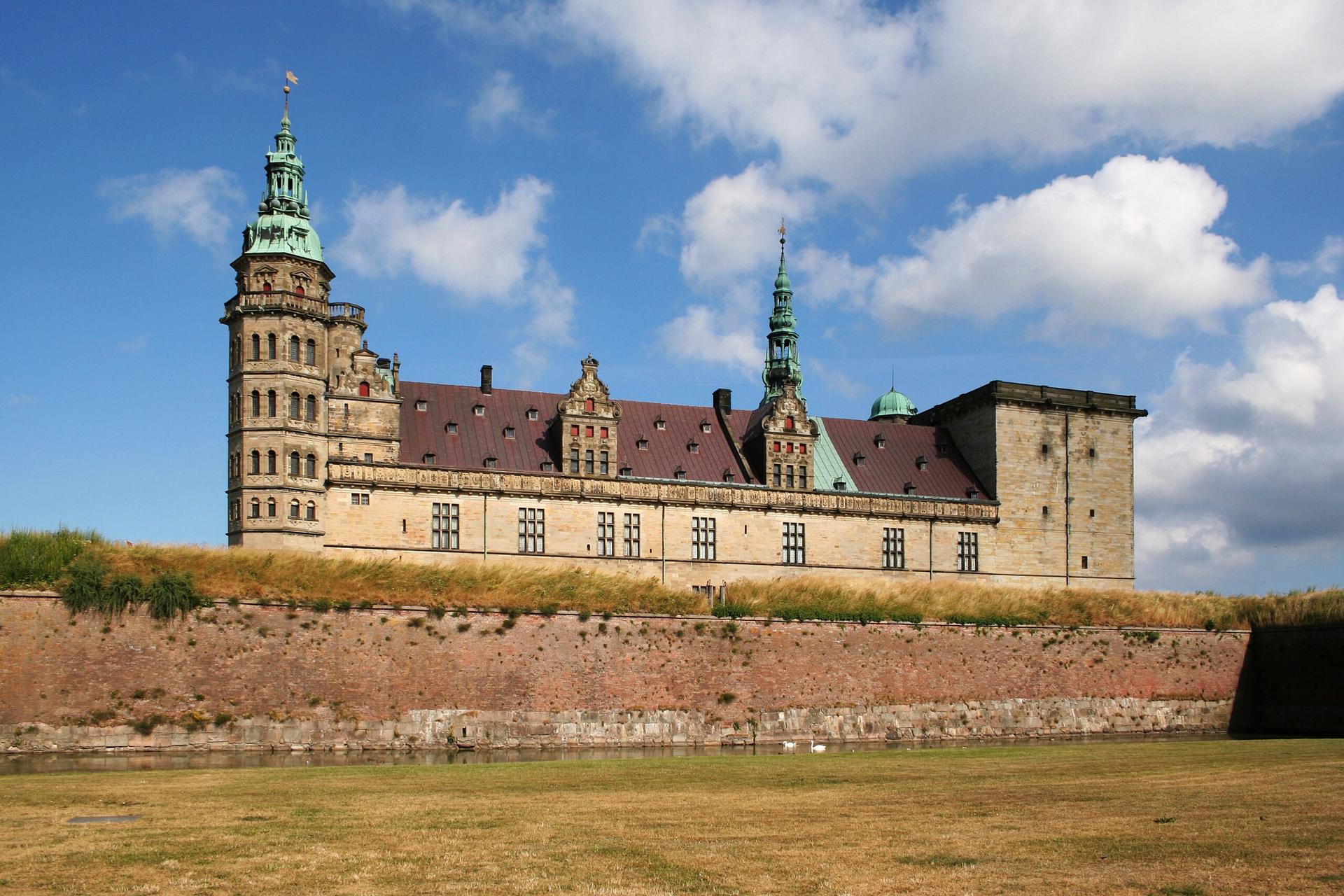
Looking beyond Tisvildeleje? Discover North Zealand for broader travel guides, local hot-spots, and regional highlights.
Explore North Zealand

