Mindesmærke for D-Dag, Funen Travel Guide
Compact yet powerful, Nyborg’s D‑Day Memorial quietly honours Danish war sailors and links a small coastal town to the vast drama of 6 June 1944.
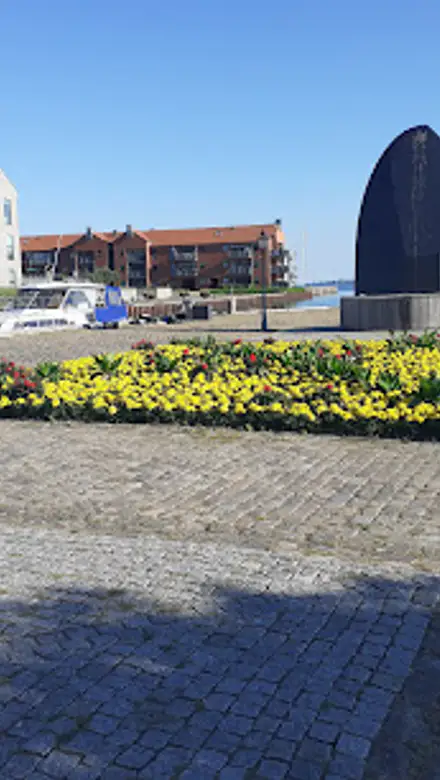
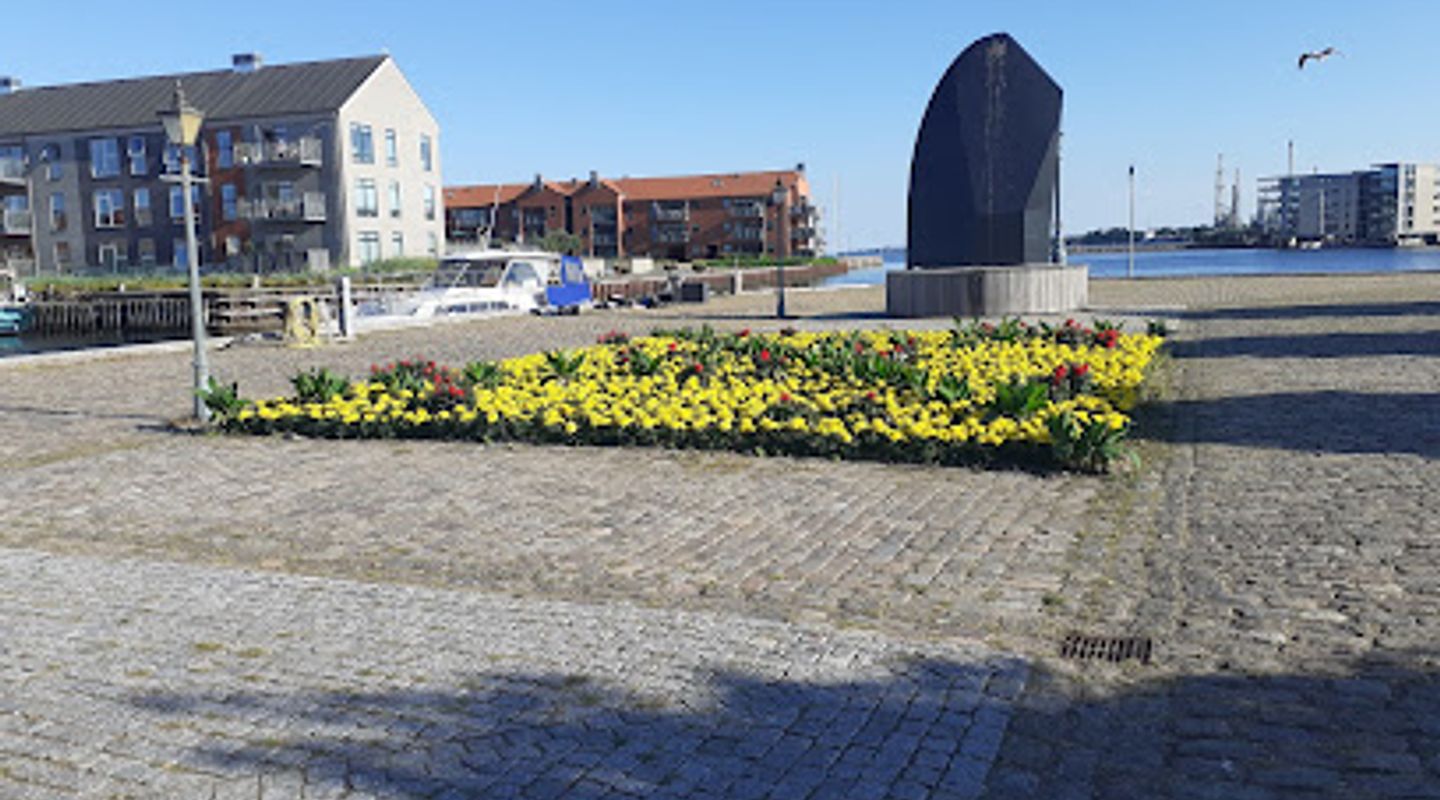
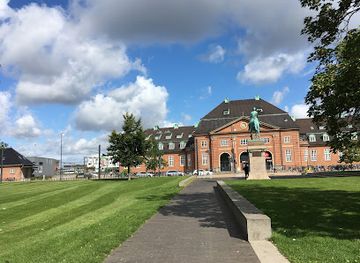
Tucked into quiet greenery on the edge of Nyborg, the Mindesmærke for D-Dag is a solemn outdoor memorial dedicated to the Danish contribution to D‑day and the Second World War at sea. Simple, sculptural stone and metal forms frame inscribed plaques that invite reflection on the more than 800 Danish seamen who took part in the Allied landings in 1944 and on local sailors from Nyborg who never came home. A peaceful, free-to-visit spot, it combines wartime history with a contemplative, almost park-like setting.
A brief summary to Mindesmærke for D-Dag
- Nyborg, 5800, DK
- Duration: 0.5 to 1.5 hours
- Free
-
 Outdoor
- Mobile reception: 4 out of 5

Know before you go
Hi, I'm Eve. Here are a few practical things to know before exploring Mindesmærke for D-Dag.
- Allow unhurried time to read every plaque; the impact of the memorial comes from engaging closely with the names and short inscriptions.
- Visit in the early morning or late afternoon for softer light that brings out the textures of the stone and metal surfaces in photos.
- Combine a stop here with a wider walk around Nyborg’s historic centre and waterfront to better understand the town’s maritime story.
Do you manage this location?
Take control to get all the benefits, like improved information, better appearance, and stronger visibility across AI-powered discovery. Learn more about listing your business on Evendo
Activate your presenceOther nearby places you may find interesting
The closest places of the same kind, if this one is not quite what you had in mind.


Explore Mindesmærke for D-Dag on the Map
A handpicked selection of must-see spots near Mindesmærke for D-Dag, mapped for you.
Getting There
-
Train and short walk within Nyborg
From Odense, take a regional train to Nyborg; departures are frequent and the journey usually takes 20–25 minutes in each direction. A standard adult single ticket typically costs around 60–80 DKK, and bikes are allowed with an extra fee on most departures. From Nyborg Station, plan on a relaxed walk of about 15–25 minutes through town streets to reach the memorial area; pavements are generally good, although some sections can be uneven for wheelchairs and prams, especially in older parts of town.
-
Car from Odense via motorway
Driving from Odense to Nyborg normally takes 25–35 minutes using the main motorway across Funen. There is no separate toll for this stretch, but fuel and possible bridge tolls elsewhere in your itinerary should be factored into costs. Expect to spend roughly 30–60 DKK in fuel each way depending on vehicle efficiency. In Nyborg, street parking is available in several central areas; some spaces are time‑limited or require a parking disc, so always check local signs. From typical parking areas, you should allow 10–20 minutes on foot to reach the memorial.
-
Regional bus connection on Funen
Regional buses link Nyborg with other towns on Funen, including Svendborg and Kerteminde, with travel times commonly ranging from 30 to 60 minutes depending on route and stops. A single adult ticket bought on board or via local transport apps generally costs in the range of 30–60 DKK, with discounts for children and certain travel cards. Service frequency is lower in the evenings and on weekends, so checking timetables in advance is important. Most buses have low‑floor access, but some older vehicles or rural stops may be less accessible for wheelchairs or heavy luggage.
For the on-the-go comforts that matter to you
-
 Trash Bins
-
 Information Boards
-
 Seating Areas
Discover more about Mindesmærke for D-Dag
Remembering D‑Day from a Danish Shore
The Mindesmærke for D‑Dag in Nyborg is a compact yet powerful memorial that connects this small coastal town on Funen with the dramatic events of 6 June 1944. While the invasion beaches lie far away in Normandy, the monument makes the story tangible in Denmark, focusing on the role of Danish seamen who sailed under Allied command. Their ships helped escort convoys, land troops and keep supply lines open during Operation Overlord, often at great personal risk.Here, the global narrative of D‑day is distilled into names, dates and a short text that speaks directly to the cost of war at sea. The memorial stands not as a grandiose statement, but as a quiet reminder that the battle for Europe’s liberation also passed through Danish lives and families.Design that Feels Like a Ship in Stone
The memorial’s form has clear maritime references. A raised, deck‑like element in stone or concrete is edged with metal details, suggesting the hull of a ship emerging from the ground. Along one side, bronze or metal plaques are mounted with dedicatory text and the names of local seamen from Nyborg who died in Allied service.The materials are deliberately robust and weathered, echoing steel plates, worn decks and North Atlantic storms. Simple lines and a lack of ornamentation give the piece a modern, almost minimalist character that keeps attention on the inscriptions rather than on decoration. Walking slowly around it, you can trace the contours like you might trace a ship’s rail, imagining the vessels that once crossed a very different sea under fire.Names, Numbers and the Human Cost
The heart of the site lies in the engraved names and brief wording that frame the story of Denmark’s war sailors. Nationally, more than 800 Danish seamen are associated with the Normandy campaign and the broader Allied effort, while here the focus narrows to several dozen men from Nyborg whose lives ended far from home.Each line on the plaques represents a ship, a voyage and a family left behind. There are no long explanations, only a concise dedication that assumes some knowledge of the war but still resonates even if you know very little. Standing close enough to read each name, the scale of loss becomes personal rather than abstract, and it is easy to imagine the silence in local streets as casualty news filtered back during the war.A Quiet Corner for Reflection
Though modest in size, the memorial is set so that it feels slightly removed from everyday bustle. Low plantings, grass and nearby trees lend the area a green, almost garden‑like atmosphere. There are usually no barriers, no ticket desks, just open access and the sound of wind, distant traffic and birds.This creates a gentle contrast: a peaceful present layered over a violent past. The space invites you to pause, step away from conversation and reflect for a few minutes. Some visitors bring small flowers or flags on commemorative dates such as 4–5 May or 6 June, but on most days you are likely to share the site with only a handful of people or have it entirely to yourself.Nyborg’s Maritime Identity and Memory
Nyborg has long been a town shaped by sea routes and ferries, and many local families have maritime roots. The D‑day memorial taps directly into this heritage, highlighting not only the dramatic moments of June 1944 but also the long, grinding convoy war that preceded it.By anchoring the story in a specific place with local names, the monument underlines how a global conflict reached deep into small communities. It also forms part of a wider landscape of war remembrance in and around Nyborg, where other monuments recall different chapters of Danish and European history. Here, at the Mindesmærke for D‑Dag, the focus is firmly on those who served on the sea, far from the beaches that would later symbolise liberation.












Your all‑in‑one travel companion app
Explore expert travel guides, compare and book tours, experiences, hotels, and more—all from the palm of your hand. Download now for seamless trip planning wherever your wanderlust takes you.


Explore More of Funen
Looking beyond Mindesmærke for D-Dag? Discover Funen for broader travel guides, local hot-spots, and regional highlights.
Explore Funen