Møllestien: Aarhus' Fairytale Lane of Roses and Cobblestones
Step back in time as you stroll the iconic, rose-lined Møllestien—a narrow, cobblestoned street embodying Aarhus' old-world charm and authentic Danish heritage.
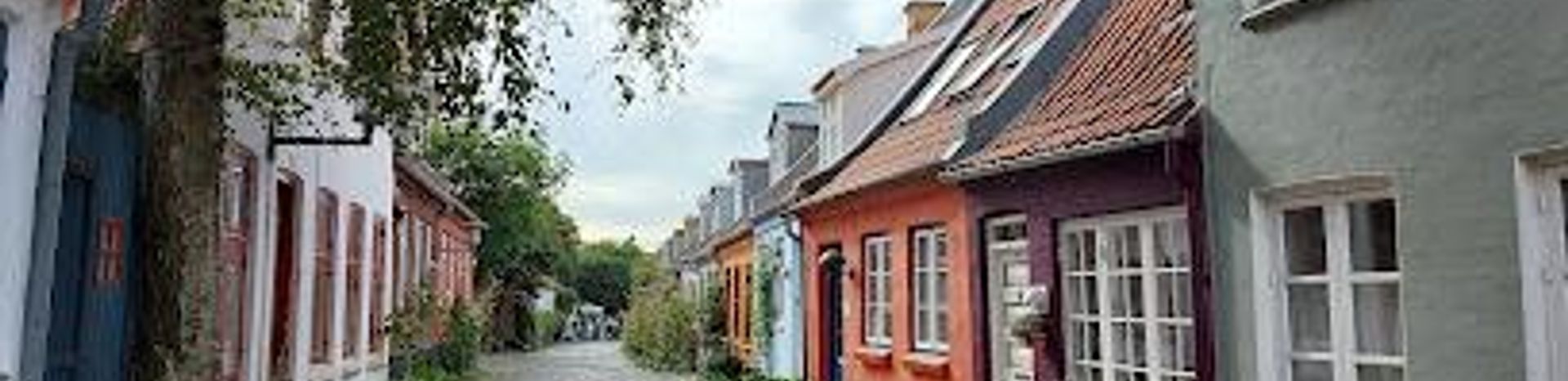
Møllestien is Aarhus' most picturesque and cherished street, famous for its cobbled path, low-walled half-timbered cottages, and exuberant climbing roses. This short, narrow lane dates to the Middle Ages and immerses visitors in an enchanting, postcard-perfect glimpse of old Denmark just steps from the contemporary city center.
A brief summary to Møllestien
- Aarhus, Aarhus C, 8000, DK
Local tips
- Best visited from late spring to early autumn, when roses and hollyhocks are in full bloom for the perfect photo opportunity.
- Respect residents’ privacy—avoid loud conversation, and don’t photograph through windows or onto stoops.
- Arrive early in the morning for a peaceful atmosphere and fewer visitors, especially during peak tourist months.
- Combine your stroll with a visit to nearby ARoS Art Museum or the Latin Quarter for cafés and shopping.
- Møllestien is cobblestoned and uneven—wear comfortable shoes and be aware that it may be less accessible for wheelchairs or prams.

Do you manage this location?
Take control to get all the benefits, like improved information, better appearance, and stronger visibility across AI-powered discovery. Learn more
Activate your presenceOther nearby places you may find interesting
Getting There
-
Walking
From Randers' central station, travelers can reach Aarhus by train in roughly 35–50 minutes (single tickets typically DKK 85–115). Upon arrival at Aarhus’ main rail hub, Møllestien is found within the central district, just west of the Latin Quarter and near major landmarks such as the ARoS Art Museum. It’s a pleasant 8–15-minute walk from the station, passing through lively shopping streets and historic neighborhoods. There is no fee to enter the street, and Møllestien is fully public, though visitors should note the cobblestone surface.
-
Taxi
Taxis from Aarhus Central Station or the intercity bus terminal provide a quick and comfortable final approach, generally taking less than 5 minutes and costing approximately DKK 70–110 depending on traffic. The lane itself is pedestrian-only, so visitors will be dropped near the corner by major landmarks, making it only a short stroll through the heart of old Aarhus.
-
Public Transport
Several city buses serve stops within a 5–10-minute stroll of Møllestien. Standard bus fares in Aarhus are typically DKK 24 for a single journey within the central zone. After alighting, just orient toward the ARoS Art Museum, which is highly visible in the neighborhood—Møllestien is nearby, identifiable by its distinctive cottages and flowering gardens.
-
Driving/Parking
Drivers will find a range of municipal parking options within the city center; underground car parks near the ARoS Art Museum or City Hall usually have spaces and charge around DKK 17–25 per hour. The approach to Møllestien itself is for pedestrians only. Parking spaces may be limited in the busiest periods, so consider using the city’s Park & Ride system if visiting in peak season.
Discover more about Møllestien
Explore the best of what Møllestien has to offer















More about Randers
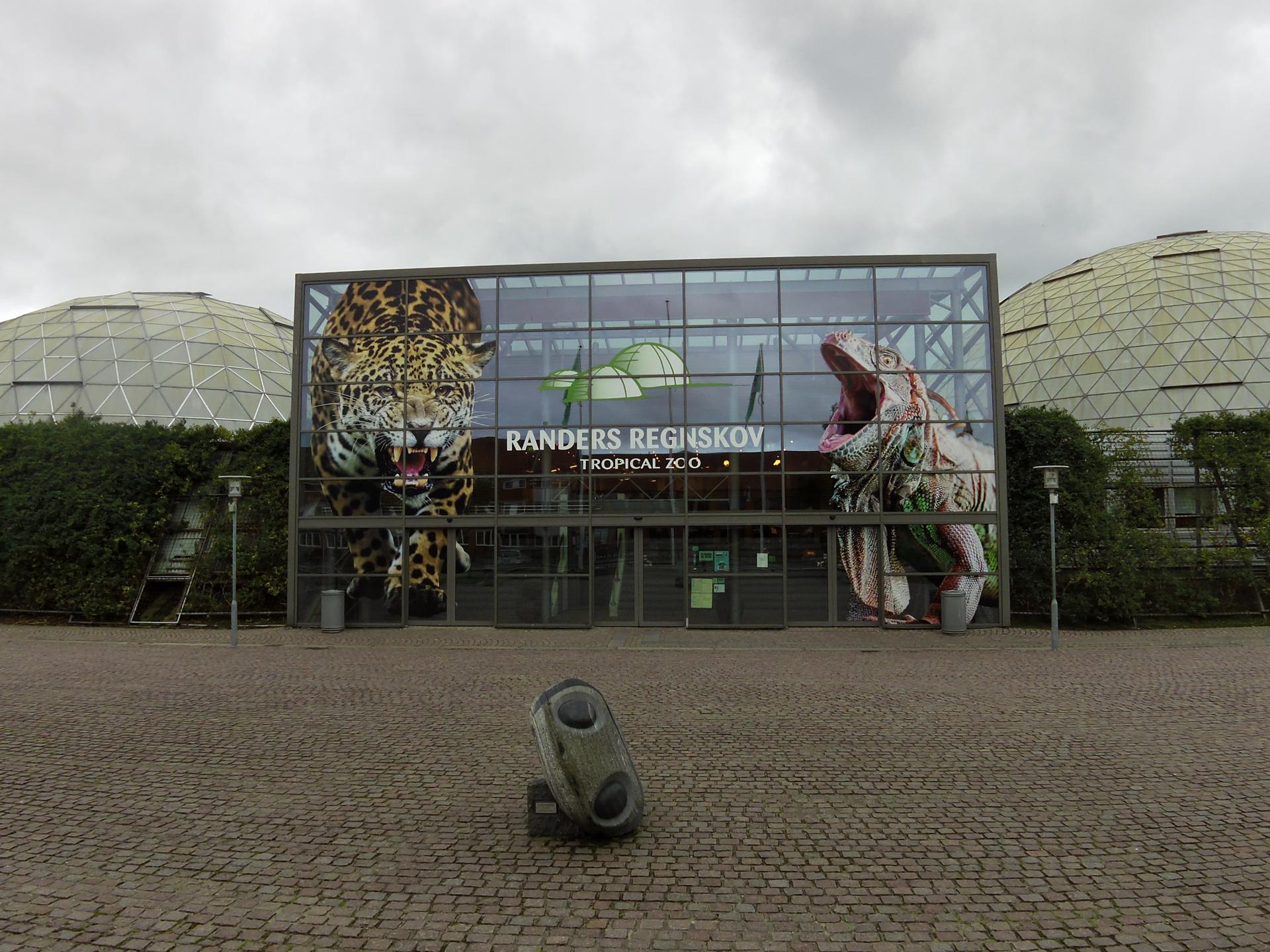
Discover Randers, Denmark's riverside jewel, where history meets nature in a city full of cultural charm and scenic beauty.
Tell me more about Randers