

Free Randers Travel Guide & Mobile App
Plan your Randers trip with Evendo. Get free guides to top attractions, restaurants, hotels, and bars. Web access or download the mobile app.


Discover Randers, Denmark's riverside jewel, where history meets nature in a city full of cultural charm and scenic beauty.
Read more about Randers
When is the best time to visit Randers?
Best: June–August · 22–24°C| Month | High (°C) | Rainfall (mm) |
|---|---|---|
| January | 4 | 40 |
| February | 3 | 35 |
| March | 5 | 35 |
| April | 12 | 30 |
| May | 18 | 30 |
| June (best) | 22 | 35 |
| July (best) | 24 | 40 |
| August (best) | 23 | 40 |
| September | 18 | 40 |
| October | 13 | 45 |
| November | 8 | 45 |
| December | 5 | 40 |
Getting to and around Randers
How to get there
Transportation
Best attractions in Randers
Randers offers a unique blend of historical charm and modern attractions, making it a must-visit destination for all types of travelers. From exploring the fascinating exhibits at the Randers Tropical Zoo to taking a stroll through the picturesque old town with its cobblestone streets and colorful buildings, there is something for everyone to enjoy. Be sure to visit the iconic Randers Regnskov, a tropical rainforest in the heart of the city, where you can come face to face with exotic animals and lush vegetation. For history buffs, a visit to the Randers Museum of Art is a must, showcasing a diverse collection of Danish and international artwork. Whether you're interested in wildlife, history, or simply soaking in the local culture, Randers has it all.
-
Zoo
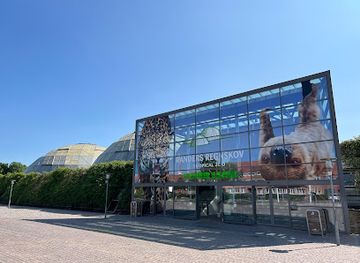
Randers Regnskov
Step from Danish riverbank into dense tropical domes, Ice Age landscapes and Nordic wildlife at Randers Regnskov, a vivid zoo and nature story in one place.
6 min walk · 0.5 km from city centre
-
Museum
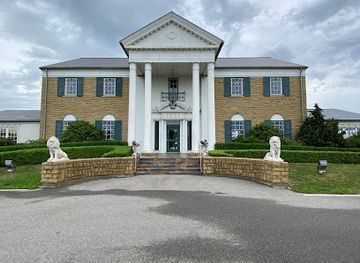
Memphis Mansion
A full-scale Danish homage to Elvis Presley’s Graceland, blending museum, 1950s diner and live event venue on the outskirts of Randers.
10 min drive · 3.2 km from city centre
-
Scenic spot
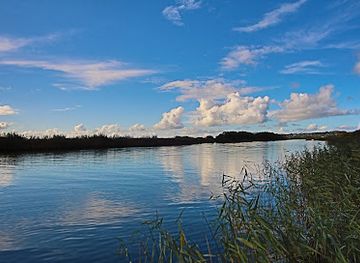
Randers Naturcenter
Hands-on nature hub by the Gudenå River, blending animal encounters, outdoor learning and river-meadow wilderness just beyond the streets of Randers.
12 min walk · 1.0 km from city centre
-
Tourist attraction
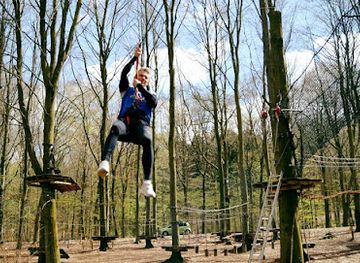
Klatreparken Randers
Six forest courses, 80+ activities, and pure adrenaline in Denmark's premier outdoor climbing adventure park.
16 min drive · 5.2 km from city centre
Best landmarks in Randers
Randers in Denmark offers visitors a rich tapestry of historical landmarks, from the medieval fortress of Randershus to the fascinating exhibits at the Randers Museum of Art. The iconic Randers Rainforest is a must-visit, where guests can wander through lush tropical gardens and encounter exotic wildlife. For a taste of local culture, the Old Town area showcases traditional Danish architecture and charming cobblestone streets. Don't miss the unique experience of exploring the interactive exhibits at Memphis Mansion, a tribute to Elvis Presley's legacy. With a blend of history, art, and nature, Randers has something for every type of traveler.
-
Hotel
Best Western Plus Hotel Kronjylland
Refurbished 4‑star town hotel in central Randers, blending classic Danish character with modern comforts, hearty Scandinavian breakfasts and easy access to city sights.
9 min walk · 0.7 km from city centre
-
Railway services
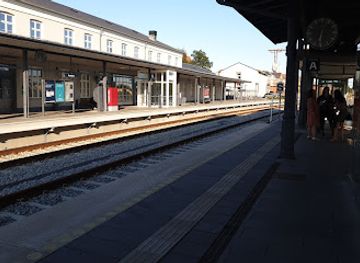
Randers Railwaystation
Historic rail gateway of Randers, linking East Jutland’s river town with Aarhus, Aalborg and Copenhagen from a compact, practical 19th‑century station hub.
11 min walk · 0.9 km from city centre
-
National reserve
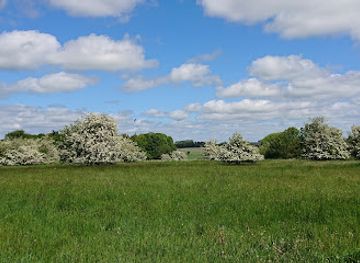
Nordre fælled
A verdant woodland reserve where forest trails, lakeside paths, and sheltered spaces invite peaceful exploration and seasonal celebration.
9 min drive · 3.0 km from city centre
-
Bridge
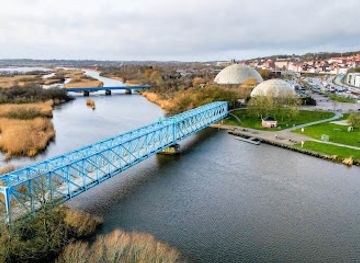
Den Blå Bro, Randers
A striking blue bridge spanning the Gudenå river—where industrial heritage meets modern leisure.
7 min walk · 0.6 km from city centre

Explore Randers on the map
Plan your Randers trip on one map. See where the top attractions, landmarks, restaurants, bars and hotels are, find what's near where you're staying, and book hotels and experiences in a few clicks.
Best hotels in Randers
Best restaurants in Randers
Randers offers a diverse dining scene that showcases the best of Danish cuisine, with a mix of traditional and modern eateries to choose from. Visitors can indulge in classic dishes like smørrebrød and frikadeller at charming local cafes, or opt for innovative fusion cuisine at trendy restaurants. Seafood lovers will delight in the fresh catches served at waterfront eateries, while those with a sweet tooth can sample decadent pastries and desserts at cozy bakeries. With a range of dining options to suit every palate and budget, Randers promises a culinary adventure that will leave visitors craving for more.
-
Takeout restaurant
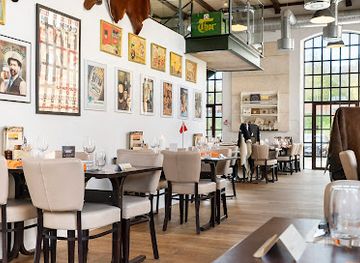
Restaurant Flammen - Randers
All‑you‑can‑eat grill buffet in Randers’ historic former Thor Brewery, where warm lighting, antiques and sizzling meats create an easygoing setting for hearty evenings.
4 min walk · 0.3 km from city centre
-
Restaurant
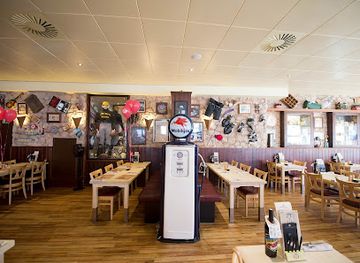
Bone's Randers
American-style BBQ, burgers and family-friendly comfort in a lively Randers roadhouse with salad bar, soft-ice buffet and a spacious roof terrace.
11 min drive · 3.6 km from city centre
-
Chinese
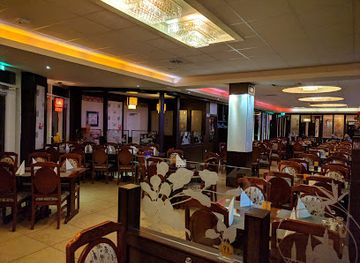
Golden House Kinesisk Restaurant
Generous Chinese buffet, Mongolian barbecue and sushi in a casual, lantern‑lit setting at Thors Bakke, bringing easygoing Asian flavours to central Randers.
3 min walk · 0.2 km from city centre
-
Restaurant
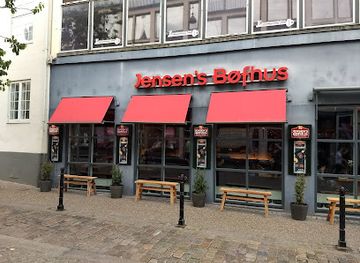
Jensens Bøfhus
Casual Danish steakhouse in central Randers, serving approachable grilled classics and family-friendly comfort food in a modern, relaxed setting.
1 min walk · 0.1 km from city centre
Best bars in Randers
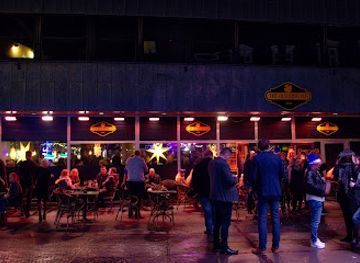
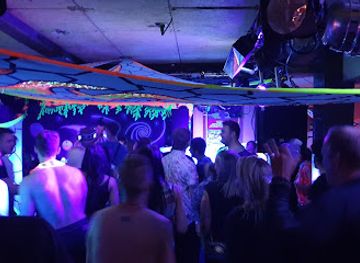
The nightlife scene in Randers offers a vibrant and eclectic mix of bars and nightclubs, catering to a diverse range of tastes and preferences. From cozy cocktail lounges to lively dance clubs, visitors can expect a lively atmosphere and friendly locals ready to show them a good time. Whether you're looking to unwind with a craft beer at a local pub or dance the night away to the latest hits, Randers has something for everyone. Don't miss out on the opportunity to experience the city's unique blend of Scandinavian charm and modern entertainment options.
-
Bar
Barrys Pub
British pub tradition meets Danish hospitality in Randers' most enduring social gathering place.
3 min walk · 0.3 km from city centre
-
Irish pub
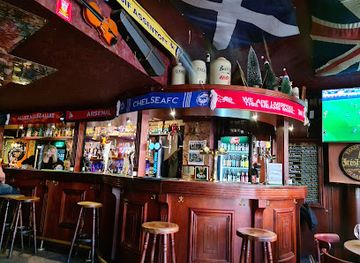
The Old Irish Pub
Lively Irish-inspired bar and late-night party spot in central Randers, mixing pub charm, sports screens, draught beers and DJ-fuelled weekend dance floors.
3 min walk · 0.3 km from city centre
-
Bar
Tante Olga - Bar
Riverside bar and live music venue hosting blues, jazz, and rock performances in intimate Randers setting.
5 min walk · 0.4 km from city centre
-
Bar
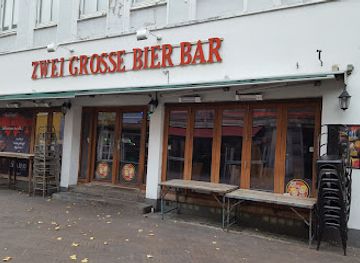
Zwei Grosse Bier Bar, Randers
Après-ski revelry and Alpine party spirit in central Randers—open late Thursday through Saturday.
3 min walk · 0.3 km from city centre
Best nightclubs in Randers
The nightlife scene in Randers offers a vibrant and eclectic mix of bars and nightclubs, catering to a diverse range of tastes and preferences. From cozy cocktail lounges to lively dance clubs, visitors can expect a lively atmosphere and friendly locals ready to show them a good time. Whether you're looking to unwind with a craft beer at a local pub or dance the night away to the latest hits, Randers has something for everyone. Don't miss out on the opportunity to experience the city's unique blend of Scandinavian charm and modern entertainment options.
Best shops in Randers
Randers offers a unique shopping experience for visitors, with a mix of modern shopping centers and charming old streets lined with boutique shops and cafes. Explore the historic cobblestone streets of the city center, where you can find local crafts, antiques, and Danish design. Don't miss the lively markets and food stalls offering fresh produce and traditional treats. For those looking for more mainstream shopping, head to the larger shopping centers for a wide range of international brands and designer stores. Whether you're looking for souvenirs, fashion, or delicious local delicacies, Randers has something for every shopper.
-
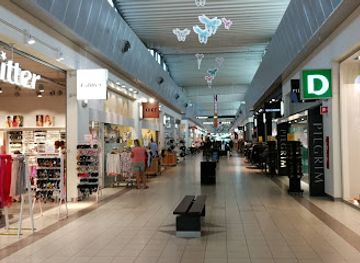
Shopping mall
Randers Storcenter
A bright, fully indoor mall in southern Randers, combining nearly 60 shops, Bilka hypermarket, casual dining and 1,800 free parking spaces in one easy stop.
11 min drive · 3.8 km from city centre
-
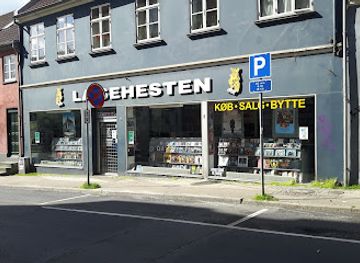
Book store
Læsehesten Randers
A cozy Randers book and media cave where shelves of used books, CDs and DVDs invite slow browsing and unexpected discoveries in the heart of Adelgade.
2 min walk · 0.2 km from city centre
-
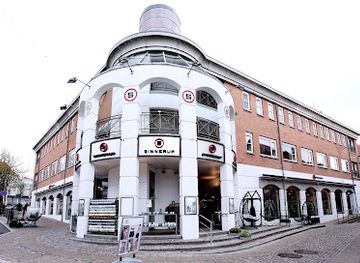
Hardware store
Sinnerup Randers
Nordic design, contemporary style, and Scandinavian living under one roof in central Randers.
1 min walk · 0.1 km from city centre
-
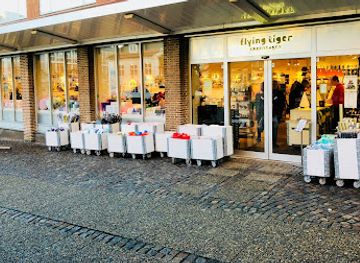
Gift shop
Flying Tiger Copenhagen
A colourful, budget-friendly design store on Rådhustorvet, packed with playful gifts, party gear and everyday homeware in true Flying Tiger Copenhagen style.
1 min walk · 0.1 km from city centre
Get your free copy of our complete guide to Randers, delivered straight to you.
Everything on this page, from attractions and restaurants to essentials and local phrases, in one PDF you can read offline, print or share.
Already have an account? Sign in
Your Randers guide is ready.
We'll send it to · Not you? Sign out

Getting your guide ready…
We are putting together a fresh copy of the Randers guide. This can take up to a minute.
This can take a few moments. If your browser asks, choose Allow so the download can start. You'll find the guide in your Downloads folder.
Nothing happened? Download it again
Sorry, the guide is taking longer than usual. Please try again in a minute, or get it by email instead.
Randers essentials
Currency and Payment
Safety
Emergency Situations
Do's and Don'ts
Local Tips
From Eve
Local phrases worth knowing
You don't need to get them perfect. A few words go a long way, and locals appreciate the effort.
Basics
| English | Local | Say it |
|---|---|---|
| Hello | Hej | [hey] |
| Goodbye | Farvel | [far-vel] |
| Yes | Ja | [ya] |
| No | Nej | [nye] |
| Please/You're welcome | Vær så god | [var so go] |
| Thank you | Tak | [tak] |
| Excuse me/Sorry | Undskyld | [oon-skeel] |
| How are you? | Hvordan har du det? | [vor-dan har doo deh] |
| Fine. And you? | Fint. Og dig? | [feent. oh dee] |
| Do you speak English? | Taler du engelsk? | [tah-ler doo en-gelsk] |
| I don't understand | Jeg forstår ikke | [yay for-star eek-eh] |
Eating & Drinking
| English | Local | Say it |
|---|---|---|
| I'd like to see the menu, please | Jeg vil gerne se menuen, tak | [yay vil gehr-neh seh meh-new-en tak] |
| I don't eat meat | Jeg spiser ikke kød | [yay spee-ser eekeh kuhd] |
| Cheers! | Skål! | [skawl] |
| I would like to pay, please | Jeg vil gerne betale, tak | [yay vil gehr-neh beh-tah-leh tak] |
Emergencies
| English | Local | Say it |
|---|---|---|
| Help! | Hjælp! | [hyelp] |
| Go away! | Gå væk! | [goh vyehk] |
| Call the Police! | Ring til politiet! | [reen tee-uhl poh-lee-tee-eh] |
| Call a doctor! | Ring efter en læge! | [reen-ehf-ter en lay-eh] |
| I'm lost | Jeg er faret vild | [yay ehr fah-ret veeld] |
| I'm ill | Jeg er syg | [yay ehr soog] |
Shopping
| English | Local | Say it |
|---|---|---|
| I'd like to buy... | Jeg vil gerne købe... | [yay vil gehr-neh koo-beh] |
| I'm just looking | Jeg kigger bare | [yay kee-ger bah-reh] |
| How much is it? | Hvor meget koster det? | [vor meh-yet koh-ster deh] |
| That's too expensive | Det er for dyrt | [deh ehr for doo-ert] |
| Can you lower the price? | Kan du sænke prisen? | [kahn doo sahn-keh pree-sen] |
Time & Numbers
| English | Local | Say it |
|---|---|---|
| What time is it? | Hvad er klokken? | [vah ehr kloh-ken] |
| It's one o'clock | Klokken er et | [kloh-ken ehr et] |
| Half past (10) | Halv ti | [hahlv tee] |
| Morning | Morgen | [moh-ren] |
| Afternoon | Eftermiddag | [ef-ter-mee-dah] |
| Evening | Aften | [af-ten] |
| Yesterday | I går | [ee gor] |
| Today | I dag | [ee day] |
| Tomorrow | I morgen | [ee moh-ren] |
| 1 | En | [en] |
| 2 | To | [toh] |
| 3 | Tre | [treh] |
| 4 | Fire | [fee-reh] |
| 5 | Fem | [fem] |
| 6 | Seks | [seks] |
| 7 | Syv | [soov] |
| 8 | Otte | [oh-teh] |
| 9 | Ni | [nee] |
| 10 | Ti | [tee] |
Transport & Directions
| English | Local | Say it |
|---|---|---|
| Where's a/the...? | Hvor er en/den...? | [vor ehr en/dehn] |
| What's the address? | Hvad er adressen? | [vah ehr ah-drehs-sen] |
| Can you show me (on the map)? | Kan du vise mig (på kortet)? | [kahn doo vee-seh meeh (poh kohr-teh)] |
| When's the next (bus)? | Hvornår går næste (bus)? | [vor-nar gor neh-steh] |
| A ticket (to ....) | En billet (til ....) | [en bee-let teel] |
History of Randers
The Founding of Randers
Randers, one of Denmark's oldest towns, was founded in the early 12th century. Situated at a strategic point on the Gudenå River, it quickly became a hub for trade and commerce. Its name is believed to be derived from the Old Norse word 'Randaros,' referring to the river's edge.
Medieval Market Town
During the Middle Ages, Randers flourished as a prominent market town. The town's growth was spurred by its advantageous location on trade routes, making it an important center for merchants and craftsmen. The medieval street layout, with narrow, winding lanes, is still visible in the town's old quarter.
The Fire of 1246
In 1246, a devastating fire swept through Randers, destroying much of the town. Despite this setback, the resilient townspeople rebuilt their homes and businesses. This event marked a turning point in the town's architectural style, as many new buildings were constructed using more fire-resistant materials.
Reformation and Renaissance
The Protestant Reformation in the 16th century brought significant changes to Randers. The town saw the construction of new churches and the transformation of religious institutions. This period also marked the beginning of the Renaissance in Randers, with a renewed focus on arts and culture.
The Randers Revolt
In 1534, Randers was a focal point of the Count’s Feud, a civil war in Denmark. The town sided with the rebellious Count Christoffer, leading to a series of conflicts known as the Randers Revolt. This turbulent period was marked by battles and shifting allegiances, deeply impacting the town's social and economic fabric.
Industrial Revolution
The 19th century brought the Industrial Revolution to Randers, transforming it into a modern industrial town. Factories and mills sprang up, and the town became known for its production of textiles and machinery. The introduction of the railway in 1862 further boosted Randers' growth and connectivity.
World War II Occupation
During World War II, Randers was occupied by German forces. The town's strategic location and industrial facilities made it a significant target. The occupation brought hardships, but the residents of Randers showed resilience and resistance, contributing to the broader Danish resistance movement.
Modern Randers
In the post-war era, Randers underwent significant modernization. The town expanded its infrastructure, cultural institutions, and educational facilities. Today, Randers is known for its rich history, vibrant cultural scene, and attractions like Randers Regnskov, an indoor tropical zoo, and the Museum of Cultural History.
Travel experiences inspired by this city
-
 7 Day Trip
Exploring the Natural Beauty of Mols Bjerge National Park with Family
Embark on a family adventure to Mols Bjerge National Park, immersing in Denmark's pristine nature and sustainable tourism practices.
7 Day Trip
Exploring the Natural Beauty of Mols Bjerge National Park with Family
Embark on a family adventure to Mols Bjerge National Park, immersing in Denmark's pristine nature and sustainable tourism practices.
 1 Sep 2025
By Maria Bakker -
 14 Day Trip
Exploring the Natural Wonders of Mols Bjerge National Park
Join Jennifer and friends on a 14-day adventure in Mols Bjerge National Park, Denmark, for hiking and exploring serene landscapes and diverse wildlife.
14 Day Trip
Exploring the Natural Wonders of Mols Bjerge National Park
Join Jennifer and friends on a 14-day adventure in Mols Bjerge National Park, Denmark, for hiking and exploring serene landscapes and diverse wildlife.
 15 May 2025
By Jennifer Smith
Swipe for more travel diaries
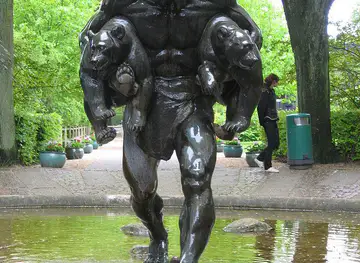
Randers in Photos
Browse through our photo collection highlighting the charm and character of the destination.
Cities near Randers
The closest cities to Randers, if you have time for more than one stop.
-

-

-

-
-


Swipe for more cities

