Havnø Mølle
North Jutland’s oldest working windmill, Havnø Mølle pairs creaking 1840s machinery with open fjord views and a quietly atmospheric slice of rural history.
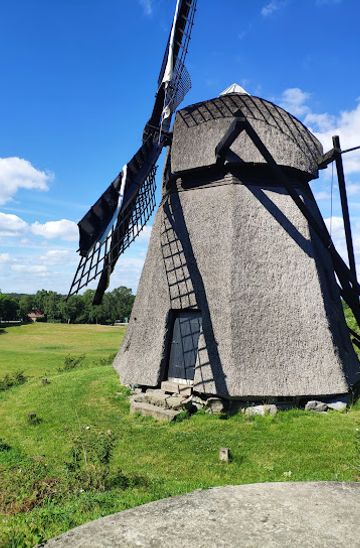
Havnø Mølle is North Jutland’s oldest preserved windmill, a beautifully thatched Dutch mill from 1842 set between Mariager Fjord and Lounkær Forest near Hadsund. Once grinding barley grits for export and flour for the Havnø estate, it now serves as a working museum, where on selected days you can see the sails turn and grain milled on original stones. Its hilltop setting, rural silence and glimpses of the fjord make it a characterful stop on a countryside outing.
A brief summary to Havnø Mølle
- Havnøvej 40, Hadsund, 9560, DK
- Click to display
- Click to display
- Duration: 0.5 to 1.5 hours
- Free
-
 Mixed
Mixed
- Mobile reception: 3 out of 5
- Wednesday 10 am-4 pm

Know before you go
Hi, I'm Eve. Here are a few practical things to know before exploring Havnø Mølle.
- Time your visit for a summer Wednesday when the mill is open; if the wind cooperates you may see the sails turning and grain milled on the original stones.
- Wear sturdy shoes and be prepared for steep, narrow stairs inside the mill, as well as an uneven grassy slope outside.
- Bring water and a simple picnic to enjoy on the hill near the mill, as there are no on-site cafés and only limited facilities.
- If travelling with mobility needs, consider viewing the mill mainly from the outside; the terrain and interior access are not wheelchair friendly.
- Combine the stop with a walk or cycle along Mariager Fjord or a visit to the Havnø Manor area to make a fuller day in the countryside.
Do you manage this location?
Take control to get all the benefits, like improved information, better appearance, and stronger visibility across AI-powered discovery. Learn more
Activate your presenceOther nearby places you may find interesting
Getting There
-
Car from Hadsund
From central Hadsund, driving to Havnø Mølle typically takes 15–20 minutes via local country roads. The route is straightforward but includes narrow stretches where agricultural vehicles are common. Parking is usually available free of charge near the mill on a small lay-by or rest area, with no time limits. Surfaces are gravel or grass, so they can be muddy after rain. There are no fuel stations directly by the site, so fill up in town beforehand.
-
Bicycle from Hadsund area
Cycling from Hadsund to Havnø Mølle usually takes 40–60 minutes each way, depending on your pace. The ride follows quiet rural roads with gentle hills, making it suitable for reasonably confident cyclists but less ideal for very young children. There are no dedicated bike lanes on the final approach, and occasional fast‑moving local traffic requires attention. The reward is a scenic approach through fields and glimpses of Mariager Fjord, and you can wheel your bike up close to the mill.
-
Regional bus plus walk
Regional buses connect Hadsund with smaller settlements in the surrounding area, and in season it is often possible to alight within a few kilometres of Havnø. Travel time on the bus is typically 10–20 minutes, followed by a countryside walk of 30–45 minutes along minor roads. Bus services are less frequent in the evenings and on weekends, and tickets usually cost in the low double‑digit DKK range each way. Check schedules in advance and be prepared for limited shelter while waiting.
For the on-the-go comforts that matter to you
-
 Trash Bins
-
 Information Boards
-
 Picnic Areas
-
 Seating Areas
Discover more about Havnø Mølle
A hilltop windmill above Mariager Fjord
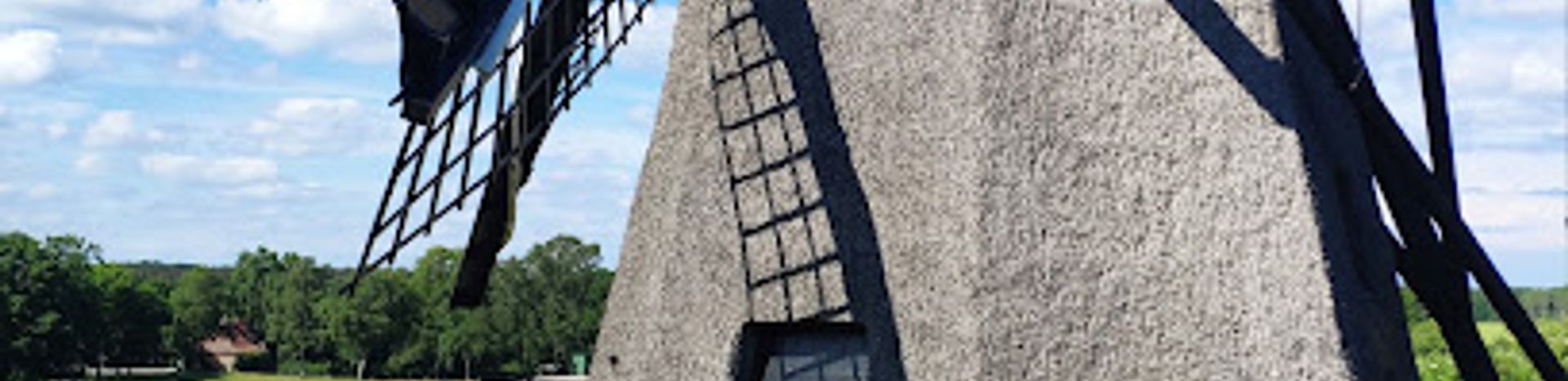
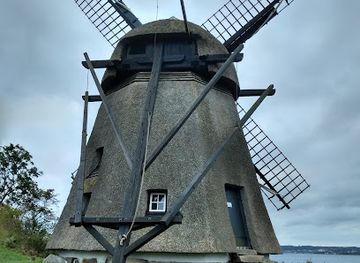
Havnø Mølle stands on a grassy rise above the southern shore of Mariager Fjord, its octagonal body and thatched cap clearly visible against the North Jutland sky. Built in 1842 as a classic Dutch-style windmill, it is recognised as the oldest preserved windmill in this part of Denmark and a distinctive landmark in the gently rolling farmland around Hadsund. The setting feels pleasantly removed from towns and traffic, with fields, hedgerows and patches of woodland framing the view.From the outside you notice how compact the structure really is: a sturdy brick base, whitewashed walls and dark timber details, topped by a rotating cap and long wooden sails. On windy days the creak of timber and the rhythmic sweep of the sails carry across the slope, giving a vivid sense of how closely this building is tied to the elements.From estate industry to living museum
The mill was originally built to serve nearby Havnø Manor, part of a landed estate whose history stretches back to the 15th century. For much of the 19th century the mill ground barley grits for export, especially to Norway, and produced rye flour and other staples for estate workers. Inside, the gearing, shafts and millstones translated wind power into industrial muscle, turning local harvests into marketable goods.Commercial milling ceased around the late 1920s, as modern machinery and changing trade patterns made traditional windmills less competitive. Rather than being dismantled, Havnø Mølle was eventually handed over to museum care in the 1990s, sparking a careful restoration of its machinery, cap and sails. Today the mill is classed as a working museum: the historic equipment has been conserved so that, when conditions allow, grain can once again be milled in the traditional way.Inside the mill’s creaking machinery
Stepping through the door, you swap open countryside for a compact vertical world of timber and iron. The floors are linked by steep internal stairs, and each level has its own purpose: storage for grain and sacks lower down, with the great millstones and gearing further up and the brake wheel and windshaft just below the cap. The machinery is tactile and clearly handmade, with worn wooden teeth and iron fittings that bear the mark of more than a century of use.On open days you can follow the route from ground floor to the working levels, tracing how the movement from the sails is carried through the vertical shaft to the stones. The smell is a mix of seasoned wood, old grain and a hint of oil. When the mill is running, the muted thunder of the stones and the soft hiss of grain being ground offer a rare sensory link back to 19th‑century rural life.Seasonal opening and heritage events
Havnø Mølle usually opens to the public one day a week during the summer season, typically on Wednesdays, with volunteers or museum staff on hand to explain how the mill operates. Entry is free, making it an easy addition to a wider exploration of the fjord landscape. On selected days, the cap is turned into the wind and the sails are set, allowing visitors to watch the full sequence of starting, running and stopping the machinery.Occasional special events bring added life to the site, with demonstrations of flour milling, small exhibitions about Havnø Manor and local agriculture, or activities for families that introduce children to pre‑industrial technology. Outside the main season, guided group visits can often be arranged in advance, using the mill as a compact classroom on energy, engineering and food production.Landscapes, footpaths and quiet picnics
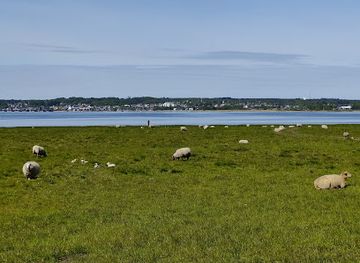
Beyond the building itself, the surroundings are part of the experience. The mill sits between Mariager Fjord and Lounkær Forest, in an area laced with small roads, farm tracks and walking routes. From the slope around the mill you can catch glimpses of the fjord’s calm water and the low hills on the opposite shore, while skylarks and other farmland birds provide a constant soundtrack in summer.The grassy area near the mill makes a natural spot for a simple picnic, and many visitors combine a short visit here with a longer walk or cycle ride through the countryside. There is basic parking nearby, but the hillside and the interior’s steep stairs mean the site is not well suited to wheelchairs, pushchairs or those with limited mobility. For those who can manage the terrain, Havnø Mølle offers an atmospheric pause in a broader day out.Practical notes for a short rural stop
Facilities at the mill itself are modest, reflecting its character as a historic structure rather than a modern visitor centre. Simple information boards explain the building’s history and function, and volunteers can often answer questions during opening hours. There are no large cafés or shops on site, so bringing water or snacks is sensible, especially on warm days. Dogs on leads are generally welcome in the surrounding area but not inside the mill, with service dogs an exception.Most people allow around an hour here, enough to explore the interior, watch the sails if they are turning and enjoy the views. Combined with a drive along the fjord, a hike in nearby woodland or a visit to Havnø Manor’s surroundings, Havnø Mølle becomes one of several small but characterful stops that together make up a day in rural Himmerland.Explore the best of what Havnø Mølle has to offer













More about North Jutland
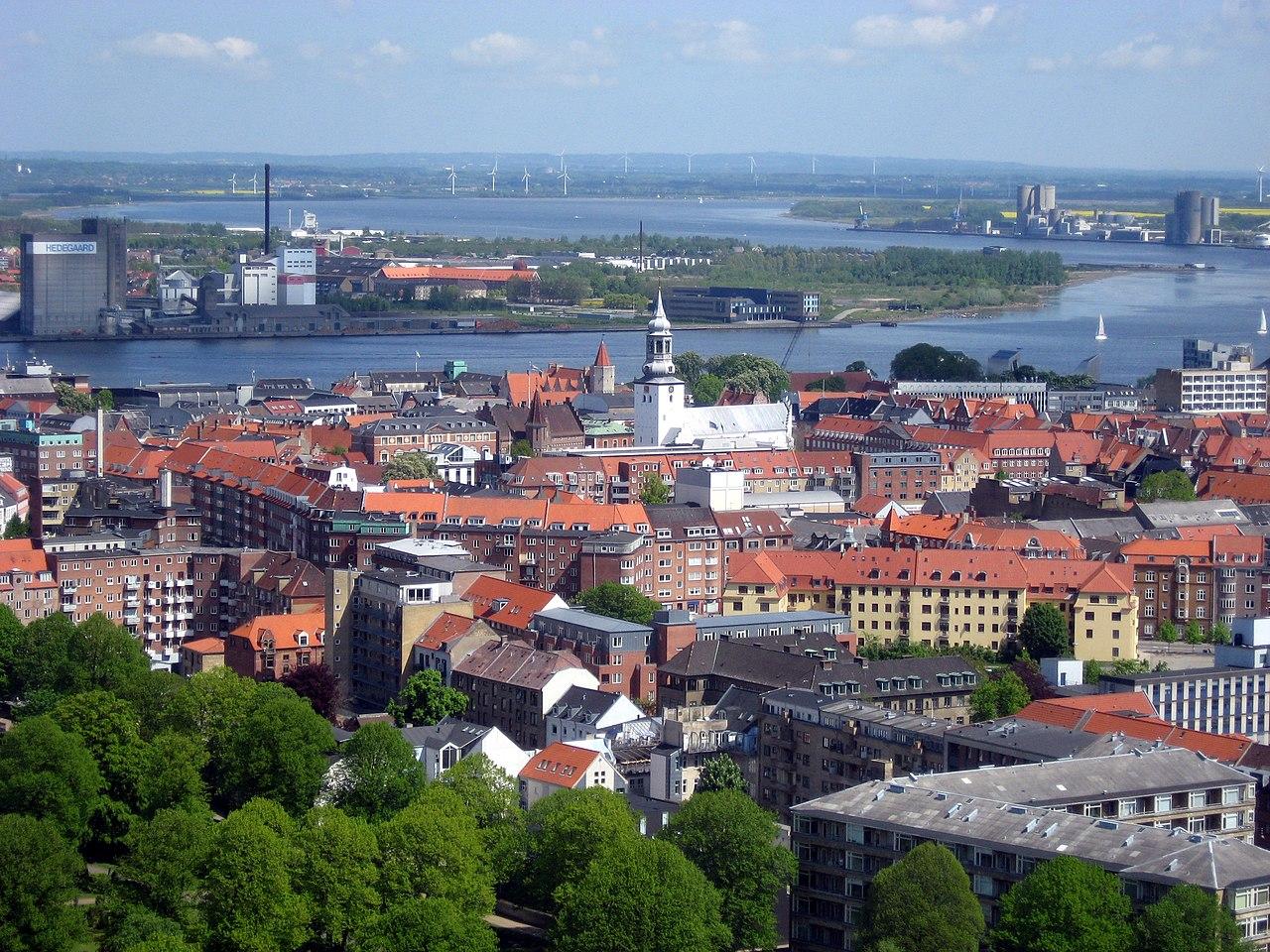
Discover North Jutland: Denmark's northernmost region, renowned for its stunning coastlines, rich Viking history, vibrant culture, and outdoor adventures.
Tell me more about North Jutland
Four colour‑coded trails fanning out from Kulturstationen, linking Skørping’s streets, forest edges and village landscapes into easy, everyday nature adventures.

Northern Jutland's oldest active windmill, where 1842 heritage meets living history between fjord and forest.