

Rebild Bakker Travel Guide - Free Web & App
Your ultimate guide to Rebild Bakker. Discover top landmarks, proposed trips, and local tips. Free on the web or via the Evendo companion app.


Explore Rebild Bakker in Denmark for heather-clad hills, Rold Skov, limestone mines, scenic walks and the historic Danish-American 4 July gathering.
Heath, Forest and Glacial Hills
Rebild Bakker is a distinctive upland landscape in Himmerland, northern Jutland, where rounded heath-covered hills rise beside the extensive woodland of Rold Skov. The area lies close to Skørping and is generally associated with the wider Rebild National Park landscape, although the name does not denote one of Denmark’s statutory national parks. Its open slopes, narrow valleys and changing views give the terrain a character quite different from Denmark’s flatter agricultural countryside. Heather, grasses and scattered shrubs cover much of the hills, while beech and coniferous woodland dominate nearby Rold Skov.Read more about Rebild Bakker
Landscape and Local Heritage
A Danish-American Tradition
When is the best time to visit Rebild Bakker?
Best: June–August · 25–27°C| Month | High (°C) | Rainfall (mm) |
|---|---|---|
| January | 5 | 35 |
| February | 4 | 30 |
| March | 6 | 30 |
| April | 13 | 25 |
| May | 21 | 25 |
| June (best) | 25 | 25 |
| July (best) | 27 | 35 |
| August (best) | 25 | 35 |
| September | 20 | 30 |
| October | 14 | 35 |
| November | 9 | 35 |
| December | 6 | 35 |
Getting to and around Rebild Bakker
How to get there
Transportation
Best attractions in Rebild Bakker
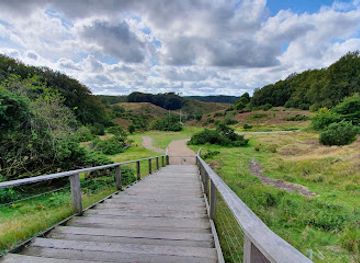
The central attraction is the open landscape of Rebild Bakker, where paths cross rounded heath-covered hills and shallow valleys with views towards the surrounding Himmerland countryside. The hills are particularly distinctive when heather flowers, but their character changes throughout the year with shifting light, weather and vegetation. Rebild Bakker connects naturally with the larger Rold Skov area, whose beech woods, forest roads and small lakes provide a contrasting environment for longer walks and cycle rides. Store Økssø is one of the best-known forest lakes, while the old trees of Troldeskov create a more enclosed woodland experience. Thingbæk Kalkminer, near the Rebild landscape, offers an atmospheric underground setting in former limestone workings and is associated with art and local heritage. Gravlev Ådal adds open meadow and valley scenery, and Skørping provides access to information, transport and everyday services. The annual 4 July gathering is a cultural attraction in its own right, bringing the Danish-American history of the hills into public view.
-
Nature preserve
Rebild National Park
Denmark's historic heathland where glacial hills meet forest, American heritage, and timeless natural beauty.
-
Hotel
Comwell Rebild Bakker
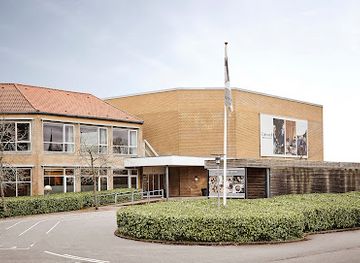
Sporty countryside hotel and conference hub set between Rebild Bakker’s heather hills and Rold Forest, with pool, spa, trails and fresh North Jutland air.
-
Playground
Røverknolden
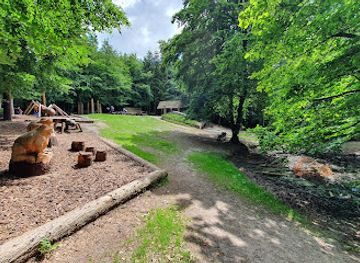
Imaginative woodland playground in Rold Skov, where carved creatures, music, fire pits and forest trails create a full‑sensory escape for families.
-
Nature preserve
Ravnkilde
A pristine woodland spring flowing 85 liters per second, rich with rare plant species and seasonal sea trout spawning grounds.
Best landmarks in Rebild Bakker
Rebild Bakker’s defining landmark is its chain of open, heath-clad hills, a cultural landscape whose appearance reflects glacial terrain, grazing and long-term land management. The Rebild National Park Society’s meeting area is important not because it is a statutory national park, but because it is the setting for the Danish-American 4 July tradition and a visible expression of emigrant heritage. Rold Skov forms the principal natural counterpoint, with extensive woodland, forest lakes such as Store Økssø and the old trees of Troldeskov. Thingbæk Kalkminer is a significant human-made and geological landmark: former limestone workings that now preserve an underground heritage environment and artistic associations. Nearby Gravlev Ådal adds a recognisable valley landscape, while Skørping’s railway connection represents the modern access route through which visitors reach this dispersed rural area.
-
Sculpture
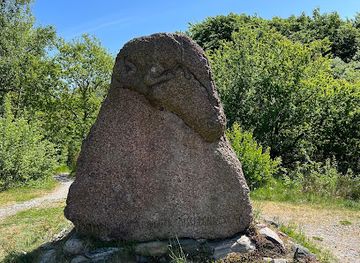
Kimbrerstenen i Rebild Bakker
A carved tribute to the ancient Cimbri, Kimbrerstenen stands amid Rebild’s heather‑clad hills, uniting Iron Age legend, sculpted granite and wide North Jutland skies.
Explore Rebild Bakker on the map
Plan your trip on one map. See where the top attractions, landmarks, restaurants and hotels are, and book hotels and experiences in a few clicks.
Best hotels in Rebild Bakker
Best restaurants in Rebild Bakker
Dining in and around Rebild Bakker reflects the area’s rural scale rather than a concentrated restaurant district. Visitors generally eat at accommodation venues, traditional inns, cafés and restaurants in or near Rebild and Skørping, with the latter offering the most practical choice of everyday provisions and informal meals. Menus in northern Jutland commonly draw on Danish staples, seasonal vegetables, bread, dairy produce and locally sourced meat, while nearby Limfjord and North Sea traditions influence regional seafood. The forest setting has also encouraged a long association with rustic refreshment and simple meals after walking, although options close to individual paths can be limited. Farm shops and local food producers in Himmerland may provide regional ingredients for self-catering, but opening arrangements vary. During major events such as the 4 July celebration, temporary food stalls may supplement permanent venues without replacing the need to plan ahead.
-
Restaurant
Comwell Rebild Bakker
Modern wellness and conference hotel nestled between Rebild Bakker’s heather hills and Rold Forest, pairing active outdoor adventures with relaxed Nordic comfort.
-
Restaurant
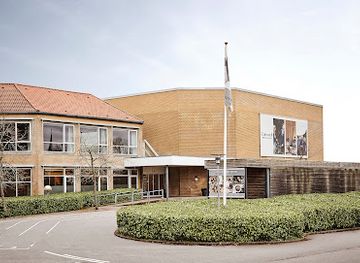
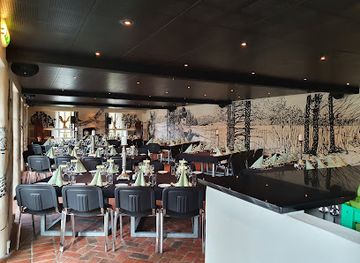
Røverstuen
Woodland restaurant at Rebild’s edge, where Danish comfort cooking, rustic interiors and forest legends combine into a relaxed, story-rich meal stop in Skørping.
-
Restaurant
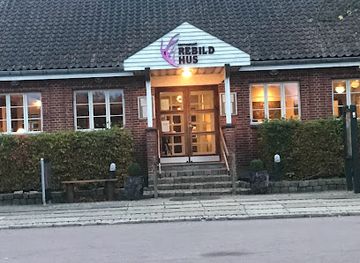
Rebildhus
Hearty Danish lunch and countryside charm on the edge of Rebild Bakker’s rolling hills, a relaxed restaurant base for walks, family outings and day trips.
-
Restaurant
Top Karens Hus
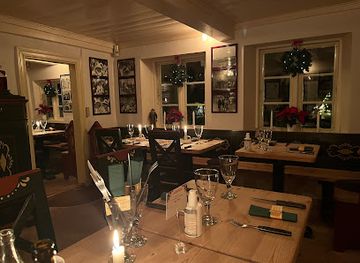
A historic cottage eatery at the edge of Rebild Bakker, serving classic Danish comfort food and coffee in low‑ceilinged rooms steeped in over a century of local history.
Best bars in Rebild Bakker
-
Restaurant
Comwell Rebild Bakker
Enjoy contemporary Danish comfort and panoramic forest views at Comwell Rebild Bakker, nestled at the heart of Rebild Bakker National Park—ideal for relaxation, dining, and nature excursions.
-
 Restaurant
Rold Storkro
Classic Danish inn and restaurant at the gateway to Rold Skov, blending tradition, local cuisine, and access to the wild beauty of Rebild Bakker National Park.
-
Restaurant
Røverstuen
Experience time-honored Danish cuisine and rustic hospitality at Røverstuen, perfectly located at the gateway to Rebild Bakker National Park in Skørping.
-
Restaurant
Mosskovpavillonen
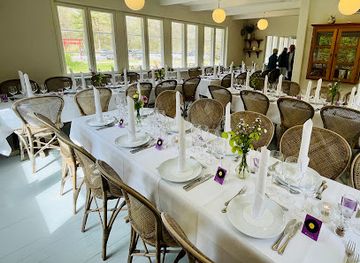
Historic woodland pavilion in Rebild Bakker serving traditional Danish cuisine with stunning lake views—Mosskovpavillonen blends local flavor and natural beauty year-round.
Best shops in Rebild Bakker
Shopping within Rebild Bakker is limited and focused on practical needs, local food and small-scale rural products rather than extensive retail streets. Skørping is the most useful nearby settlement for groceries, everyday supplies and visitor essentials, while farm shops and independent producers in the wider Himmerland countryside may offer seasonal food, preserves, honey, drinks or other regional goods. Craft and art products may be encountered through local galleries, workshops or events, but availability is not uniform and should not be assumed outside advertised opening periods. Visitors attending the 4 July celebration may find temporary stalls connected with the event and Danish-American culture. Outdoor equipment and walking supplies are more likely to be found in larger regional towns, so visitors planning longer excursions should bring specialist items with them rather than relying on shopping beside the hills.
-
Store
Roldhøj Lopper og Luksus
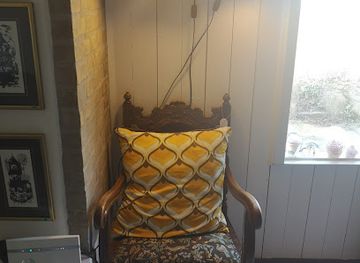
Characterful vintage and second-hand interiors in Skørping, where curated Danish design, antiques and sustainable treasures fill a cozy space near Rebild’s wild hills.
Get your free copy of our complete guide to Rebild Bakker, delivered straight to you.
Everything on this page, from attractions and restaurants to essentials and local phrases, in one PDF you can read offline, print or share.
Already have an account? Sign in
Your Rebild Bakker guide is ready.
We'll send it to · Not you? Sign out

Getting your guide ready…
We are putting together a fresh copy of the Rebild Bakker guide. This can take up to a minute.
This can take a few moments. If your browser asks, choose Allow so the download can start. You'll find the guide in your Downloads folder.
Nothing happened? Download it again
Sorry, the guide is taking longer than usual. Please try again in a minute, or get it by email instead.
Rebild Bakker essentials
Currency and Payment
Safety
Emergency Situations
Do's and Don'ts
Local Tips
From Eve
Local phrases worth knowing
You don't need to get them perfect. A few words go a long way, and locals appreciate the effort.
Basics
| English | Local | Say it |
|---|---|---|
| Hello | Hej | [hey] |
| Goodbye | Farvel | [far-vel] |
| Yes | Ja | [ya] |
| No | Nej | [nay] |
| Please/You're welcome | Vær så god | [var so good] |
| Thank you | Tak | [tahk] |
| Excuse me/Sorry | Undskyld | [oon-skoold] |
| How are you? | Hvordan har du det? | [vor-dan har doo deht] |
| Fine. And you? | Fint. Og du? | [feent oh doo] |
| Do you speak English? | Taler du engelsk? | [tah-ler doo eng-elsk] |
| I don't understand | Jeg forstår ikke | [yeh for-stor ee-theh] |
Eating & Drinking
| English | Local | Say it |
|---|---|---|
| I'd like to see the menu, please | Jeg vil gerne se menuen, tak | [yeh vil gehr-neh seh menu-en tahk] |
| I don't eat meat | Jeg spiser ikke kød | [yeh spee-ser ee-theh kerth] |
| Cheers! | Skål! | [skawl] |
| I would like to pay, please | Jeg vil gerne betale, tak | [yeh vil gehr-neh beh-tah-leh tahk] |
Emergencies
| English | Local | Say it |
|---|---|---|
| Help! | Hjælp! | [hyelp] |
| Go away! | Gå væk! | [goh vek] |
| Call the Police! | Ring til politiet! | [ring teel poh-lee-tee-eh] |
| Call a doctor! | Ring efter en læge! | [ring ef-ter en leh-eh] |
| I'm lost | Jeg er faret vild | [yeh air fah-ret veel] |
| I'm ill | Jeg er syg | [yeh air soog] |
Shopping
| English | Local | Say it |
|---|---|---|
| I'd like to buy... | Jeg vil gerne købe... | [yeh vil gehr-neh ker-beh] |
| I'm just looking | Jeg kigger bare | [yeh kee-geh bahr-eh] |
| How much is it? | Hvor meget koster det? | [vor meh-eh koh-stehr deh] |
| That's too expensive | Det er for dyrt | [deh air for deert] |
| Can you lower the price? | Kan du sænke prisen? | [kan doo sen-keh pree-sen] |
Time & Numbers
| English | Local | Say it |
|---|---|---|
| What time is it? | Hvad er klokken? | [vah air kloh-ken] |
| It's one o'clock | Den er et | [dehn air eht] |
| Half past (10) | Halv ti | [hahlv tee] |
| Morning | Morgen | [mohr-ehn] |
| Afternoon | Eftermiddag | [ef-ter-mee-dag] |
| Evening | Aften | [af-tehn] |
| Yesterday | I går | [ee gohr] |
| Today | I dag | [ee da] |
| Tomorrow | I morgen | [ee mohr-ehn] |
| 1 | Et | [eht] |
| 2 | To | [toh] |
| 3 | Tre | [treh] |
| 4 | Fire | [fee-reh] |
| 5 | Fem | [fem] |
| 6 | Seks | [seks] |
| 7 | Syv | [soov] |
| 8 | Otte | [oh-teh] |
| 9 | Ni | [nee] |
| 10 | Ti | [tee] |
Transport & Directions
| English | Local | Say it |
|---|---|---|
| Where's a/the...? | Hvor er en/et...? | [vor air en/et] |
| What's the address? | Hvad er adressen? | [vah air ah-dres-sen] |
| Can you show me (on the map)? | Kan du vise mig (på kortet)? | [kan doo vee-seh mee (poh kort-eh)] |
| When's the next (bus)? | Hvornår er næste (bus)? | [vor-nohr air nes-teh (boos)] |
| A ticket (to ....) | En billet (til ....) | [en bee-let (teel)] |
History of Rebild Bakker
Glacial Origins and Heathland
Rebild Bakker belongs to the glacially shaped landscapes of Himmerland, where advancing and retreating ice helped create the rolling relief of northern Jutland. The open hills have not remained entirely natural: grazing and the removal or suppression of woodland helped maintain the heathland character that visitors see today. Heather, grass and juniper-like scrub developed within this long relationship between land use, soil and climate. The adjoining Rold Skov preserves a contrasting wooded environment, making the area valuable for understanding how different forms of human management produced distinct landscapes within a relatively small region.
Settlement and Forest Economy
For centuries, the surrounding communities depended on the resources of Himmerland’s farms and forests. Rold Skov supplied timber and other woodland products, while the open areas around Rebild were used for grazing and gathering. The forest also became associated with folklore, travel and local identity, although many popular stories belong to the wider cultural landscape rather than to one precise site. The nearby limestone deposits later supported quarrying and mining, leaving underground spaces at Thingbæk that now form one of the region’s most unusual heritage attractions.
The Rebild National Park Society
The modern public identity of Rebild Bakker was strongly shaped by Danish emigrants in the United States. Max Henius, a Danish-American chemist, was central to the creation of the Rebild National Park Society in the early twentieth century. Land at Rebild was secured for a public meeting place where Danish-Americans could maintain ties with Denmark, and the society’s activities gave the hills an international cultural dimension. The name ‘Rebild National Park’ refers to this society and its landscape, not to a national park established under Denmark’s present statutory national-park system.
The 4 July Tradition
The first major 4 July celebration at Rebild took place in 1912, establishing a tradition that has continued, with interruptions and changes over time, as a public expression of Danish-American connections. Speeches, music and ceremonial events take place in the hills and draw attention to migration, citizenship and shared heritage rather than treating the landscape solely as a recreational area. The gathering remains the most visible cultural event associated with Rebild Bakker and has made the site familiar far beyond northern Jutland.
Conservation and Contemporary Use
During the twentieth century, Rebild Bakker developed as a destination for walking, landscape appreciation and cultural gatherings, while the surrounding natural areas received increasing attention for conservation and responsible recreation. Management continues to balance open heathland, woodland, habitats and visitor access. Nearby attractions such as Thingbæk Kalkminer and forest destinations around Rold Skov broaden the area’s heritage offer, while Skørping has become an important service and transport point. The result is a landscape where outdoor enjoyment, local history and Danish-American memory remain closely connected.
Rebild Bakker in Photos
Browse through our photo collection highlighting the charm and character of the destination.
Neighbouring destination travel guides
The closest destinations to Rebild Bakker, if you have time for more than one.
-

-

-

-

-


Swipe for more destinations
Explore more
Explore more of North Jutland
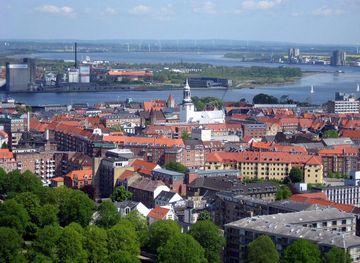
Explore North Jutland for Skagen’s sea meeting, Aalborg’s culture, Limfjord islands, windswept beaches and distinctive Danish coastal heritage.
Explore North Jutland
Explore more of Denmark
Discover Denmark: A perfect blend of history, modern design, and the cozy concept of hygge. Explore vibrant cities, serene landscapes, and world-class cuisine.
Explore Denmark