

Kimbrerstenen i Rebild Bakker Travel Guide
Free Guide: A carved Cimbrian bull in the heather-clad hills of Rebild Bakker, Kimbrerstenen links quiet North Jutland scenery with the far-reaching journeys of an ancient tribe.


A brief summary of Kimbrerstenen i Rebild Bakker
A carved Cimbrian bull in the heather-clad hills of Rebild Bakker, Kimbrerstenen links quiet North Jutland scenery with the far-reaching journeys of an ancient tribe.
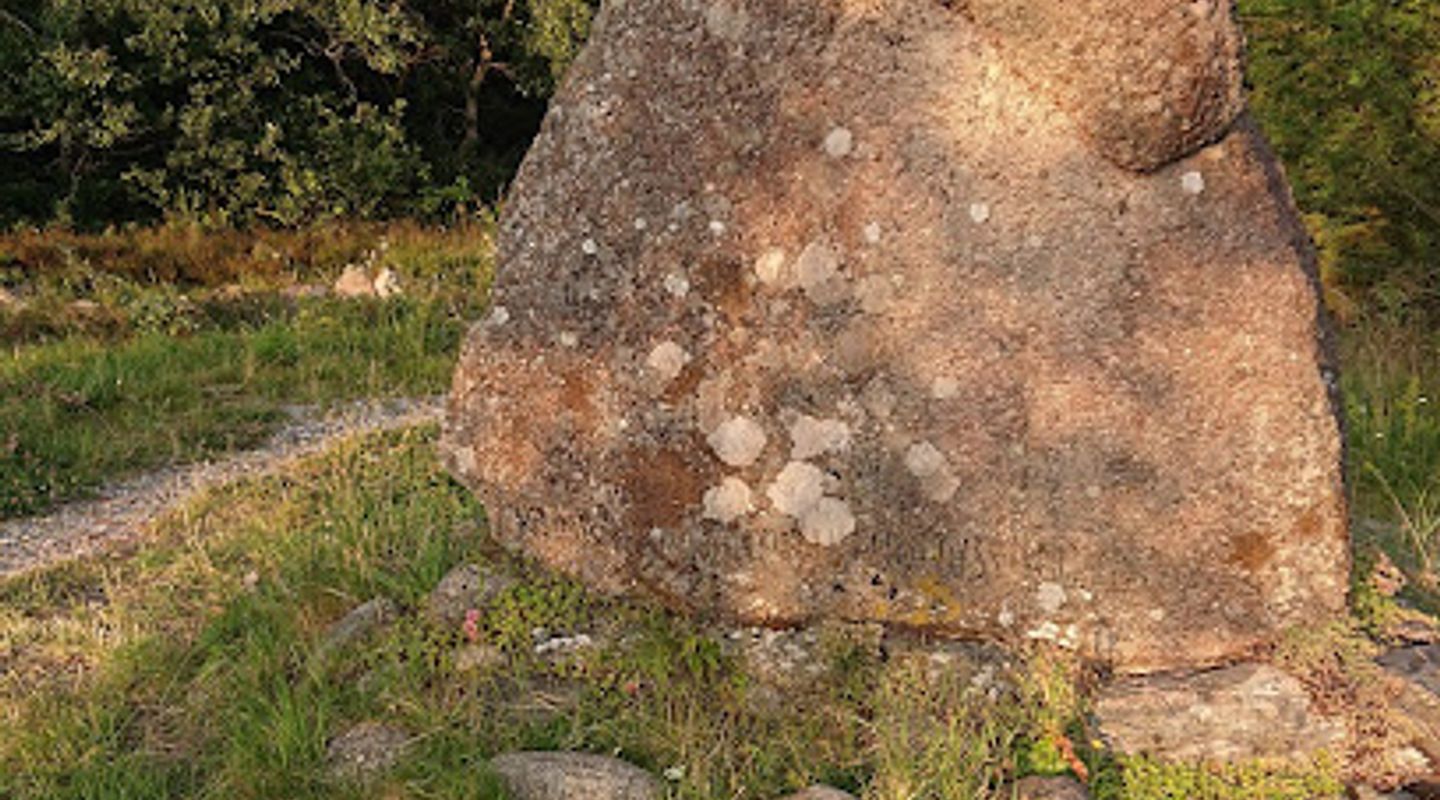
Kimbrerstenen is a striking granite monument set amid the heather-clad hills of Rebild Bakker near Skørping in North Jutland. Carved with the characteristic Cimbrian bull and inscribed with a tribute to the ancient Cimbri tribe, the stone links this serene landscape to migrations that began around 120 BC. Surrounded by rolling heath, distant views and grazing sheep, it offers a quiet pause for reflection within one of Denmark’s most atmospheric national park landscapes.
On-site amenities
 Restrooms
 Drink options
 Drinking water
 Food options
 Seating areas
 Sheltered areas
 Trash bins
 Information boards
 Visitor centre
Opening hours
- Every dayOpen 24 hours
Opening hours as listed on the venue’s Google Business Profile. Hours can change for services and special events, so check with the venue before you go.
- Address
- 9520 Skørping
- Website
Getting there
Car from Aalborg
Train and walk from Aalborg
Bicycle from Aalborg region
Discover more about Kimbrerstenen i Rebild Bakker
A granite monument to the ancient Cimbri
Kimbrerstenen rises from the heath of Rebild Bakker as a solid block of rhomb porphyry, its surface carved with the powerful figure of the Cimbrian bull. The inscription recalls how the Cimbri are believed to have left this region around 120 BC, setting off on the long migration that would eventually bring them into conflict with the Roman Republic. Standing before the stone, you meet a compact monument that carries a surprisingly wide sweep of European history on its rough, weathered face.Created by sculptor Anders Bundgaard, who also shaped the famous Cimbrian bull in Aalborg, the work deliberately emphasizes strength and movement. The bull’s muscular contours catch the changing light, while the stone’s natural irregularities give the piece a raw, almost primordial character. Here, on the open hillside, the monument feels less like an isolated artwork and more like a marker anchored in the landscape that formed the tribe it commemorates.
Rebild’s heather hills as a natural backdrop
Kimbrerstenen sits within Rebild Bakker National Park, an undulating heathland that spills down towards the Lindenborg valley. Heather, crowberries and juniper shape the colours around the stone, shifting from fresh greens in spring to purple carpets in late summer and warm browns in autumn. On clear days the views stretch across rolling hills, with patches of birch and the dark edge of Rold Skov visible in the distance.The national park is compact but varied. Shallow valleys, meltwater-formed slopes and narrow stream-cut gullies create a sense of movement in the terrain even when you stand still beside the monument. Sheep often graze the open areas, helping to keep the heathland clear and adding to the rural atmosphere. The setting makes Kimbrerstenen feel both accessible and slightly secluded, a landmark that you reach only after moving through the landscape it helps interpret.
Stories carved in stone and memory
The dedication on Kimbrerstenen is simple, but it opens onto a network of stories about identity, migration and the way landscapes remember their people. The Cimbri have long occupied a special place in Danish historical imagination, and the stone reflects an early 20th-century effort to root that narrative in a specific place. Its creation sits alongside other cultural initiatives in Rebild, including the nearby celebrations of ties between Denmark and emigrant communities abroad.Bundgaard’s choice of materials and motifs links the monument in Rebild to the urban sculpture of the Cimbrian bull in Aalborg. Together, they form a symbolic route from city to countryside, from modern life back to the imagined homeland of an Iron Age tribe. The stone itself remains quiet about scholarly debates over the Cimbri, instead offering a clear, poetic statement that invites you to reflect more than it instructs.
A contemplative stop on Rebild’s walking routes
Although Kimbrerstenen is modest in size, it plays an outsized role in the experience of moving through Rebild Bakker. Many walking routes in the hills naturally pass close to the monument, encouraging walkers to pause, catch their breath and take in both the inscription and the surrounding view. The open positioning means the stone can be approached from different angles, each revealing a slightly altered relationship between the sculpture and the landscape.The atmosphere here is calm rather than ceremonial. There are no fences or formal barriers, only a gentle sense that this is a spot to step a little aside from the path. In quiet weather you may hear little more than wind in the heather and distant birdsong from the valley below. Even on busier days, the wide slopes of the national park allow you to find a vantage point where the stone, the hills and the sky form a simple, balanced scene.
Seasonal moods and changing light
Kimbrerstenen and its surroundings change character with the seasons and the time of day. In late summer, the stone seems to float in a sea of purple heather under high, pale skies. On misty mornings, the monument emerges gradually from low cloud, making its historical inscription feel almost mythic. Winter light is often low and sharp, throwing long shadows across the hillside and emphasizing the carving’s depth.Because the area is open and exposed, wind and weather are always part of the experience. A bright day with passing clouds can turn the stone into a kind of sundial, its appearance altering from minute to minute. At quieter times in the shoulder seasons, when fewer people are on the trails, Kimbrerstenen feels particularly contemplative: a single, deliberate human gesture set in a landscape shaped by ice, water and centuries of grazing.
Evendo Review Centre
 Google
Guest reviews
Best time to go
Quietest: Jan, Feb & Nov · before 7am or from 8pm
Busy times are Evendo estimates for a typical year, to help you plan. Actual crowds vary with events, school holidays and the weather.
Explore Kimbrerstenen i Rebild Bakker on the map
A handpicked selection of must-see spots near Kimbrerstenen i Rebild Bakker, mapped for you.
Get your free copy of our complete guide to Kimbrerstenen i Rebild Bakker, delivered straight to you.
Everything on this page, from opening hours and how to get there to Eve’s tips and the best time to go, in one PDF you can read offline, print or share.
Already have an account? Sign in
Your Kimbrerstenen i Rebild Bakker guide is ready.
We'll send it to · Not you? Sign out

Getting your guide ready…
We are putting together a fresh copy of the Kimbrerstenen i Rebild Bakker guide. This can take up to a minute.
This can take a few moments. If your browser asks, choose Allow so the download can start. You'll find the guide in your Downloads folder.
Nothing happened? Download it again
Sorry, the guide is taking longer than usual. Please try again in a minute, or get it by email instead.
Other nearby places you may find interesting
The closest places of the same kind, if this one is not quite what you had in mind.
-
Circus Museum in Rold Denmark's only wooden circus building—where 200 years of circus history come alive through interactive performance and authentic artifacts.
-
Urskoven Ancient beech forest untouched for centuries, where nature evolves freely in Denmark's largest woodland.
-
Kløverstien I Skørping Four colour‑coded trails fanning out from Kulturstationen, linking Skørping’s streets, forest edges and village landscapes into easy, everyday nature adventures.
-
Bålhytten i Rebild Bakker Octagonal fire shelter honoring Danish-American heritage in Rebild's protected hills.
-
Rebild National Park Denmark's historic heathland where glacial hills meet forest, American heritage, and timeless natural beauty.
Swipe for more places
More to explore near Kimbrerstenen i Rebild Bakker
-
 Best experiences near Kimbrerstenen i Rebild Bakker
-
 Best hotels near Kimbrerstenen i Rebild Bakker
-
 Best landmarks near Kimbrerstenen i Rebild Bakker
-
 Best attractions near Kimbrerstenen i Rebild Bakker
-
 Best shops near Kimbrerstenen i Rebild Bakker
-
 Best restaurants near Kimbrerstenen i Rebild Bakker
-
 Best bars near Kimbrerstenen i Rebild Bakker







Do you manage this location?
Take control to get all the benefits, like improved information, better appearance, and stronger visibility across AI-powered discovery.
Explore more

Explore more of Rebild Bakker
Rebild Bakker: A Natural Paradise in Denmark's Heartland, Perfect for Hikers, History Buffs, and Nature Lovers Alike.
Explore Rebild Bakker
Explore more of Denmark
Discover Denmark: A perfect blend of history, modern design, and the cozy concept of hygge. Explore vibrant cities, serene landscapes, and world-class cuisine.
Explore Denmark
