Sankt Hans Torv
Lively triangular square in Nørrebro where historic streets, granite sculpture and church towers frame one of Copenhagen’s most relaxed café‑lined urban living rooms.
Sankt Hans Torv is a lively triangular square at the heart of Copenhagen’s Nørrebro district, where historic streets, St. John’s Church and a gently undulating granite plaza meet a dense strip of cafés and bars. Once a grazing common and cattle market, it is now a relaxed urban living room, ideal for people‑watching, coffee breaks and soaking up one of the city’s most characterful neighbourhood atmospheres from morning lattes to late‑night drinks.
A brief summary to Sankt Hans Torv
- Copenhagen, Nørrebro, 2200, DK
- Duration: 0.5 to 2 hours
- Free
-
Outdoor
- Mobile reception: 5 out of 5
Local tips
- Aim for late afternoon or early evening in spring or summer, when café terraces are busiest and the square’s people‑watching is at its most engaging.
- Combine a stop at Sankt Hans Torv with a stroll along Elmegade and Guldbergsgade for independent shops, bars and a broader taste of Nørrebro’s character.
- On cooler days, choose a café with outdoor heaters and blankets so you can still enjoy the square’s atmosphere from a sheltered seat.
- Look up at the concave corner building and nearby former school to appreciate the contrast between 19th‑century architecture and the modern square design.
Do you manage this location?
Take control to get all the benefits, like improved information, better appearance, and stronger visibility across AI-powered discovery. Learn more
Activate your presenceOther nearby places you may find interesting
Getting There
-
Metro and short walk from central Copenhagen
From central Copenhagen, take the M3 Cityringen metro to Nørrebros Runddel Station, a journey of about 7–10 minutes. Trains run every few minutes throughout the day. From the station, walk roughly 10–15 minutes along main streets through Nørrebro to reach Sankt Hans Torv; the route is flat and paved, suitable for most visitors. A single metro ticket within the city zones typically costs around 20–25 DKK.
-
Bus from inner city areas
Several city bus lines connect central Copenhagen with Nørrebro in about 15–25 minutes, depending on traffic. Services generally run every 5–10 minutes in daytime, less frequently late at night. Disembark near Nørrebrogade or Blegdamsvej and walk 5–10 minutes to the square on well‑lit pavements. Standard city bus tickets cost roughly 20–25 DKK per journey and can usually be bought via travel apps or ticket machines.
-
Bicycle from the city centre
Cycling from the historic centre to Sankt Hans Torv typically takes 10–20 minutes, using Copenhagen’s extensive network of segregated bike lanes. The route is almost entirely flat but can be busy at rush hours, so basic cycling confidence is helpful. Public bike‑share schemes and rental shops offer city bicycles for approximately 75–150 DKK per day, making this a convenient and very local way to arrive.
-
Taxi or rideshare within Copenhagen
Taxis from central Copenhagen to Sankt Hans Torv usually take 10–20 minutes, longer at peak times. The journey is straightforward, with drop‑off possible on streets surrounding the square, though space is limited on busy evenings. Fares typically range from about 120–220 DKK depending on distance, time of day and traffic.
For the on-the-go comforts that matter to you
-
Restrooms
-
Drink Options
-
Food Options
-
Seating Areas
-
Sheltered Areas
-
Trash Bins
-
Information Boards
Sankt Hans Torv location weather suitability
-
Any Weather
-
Clear Skies
-
Mild Temperatures
-
Cold Weather
-
Hot Weather
Discover more about Sankt Hans Torv
From Grazing Common to Urban Living Room
Sankt Hans Torv, literally “St. John’s Square,” sits where open grazing land once stretched outside Copenhagen’s old fortifications. In the days when Blegedam Common ringed the city, cattle gathered here for milking before the surrounding fields were gradually absorbed by urban growth. As Nørrebro developed into a dense working‑class district in the late 19th century, the area evolved from rural edge to bustling junction. For a period, the site served as a cattle market, reflecting Nørrebro’s mix of industry and everyday trade. Only later did it begin to resemble the square you see today, framed by tall apartment buildings and anchored by nearby St. John’s Church, the first major church in the district and still a defining presence just east of the plaza.Redesigned Heart of Nørrebro
By the late 20th century, Sankt Hans Torv had become more of a traffic knot than a welcoming space. In 1993, a major redesign transformed it into a pedestrian‑friendly square as part of an ambitious urban renewal effort. Traffic lanes were consolidated to three sides, freeing the central area for people rather than cars. Landscape architects introduced a slightly undulating granite surface that ripples gently across the square. This subtle topography, combined with broad open zones, allows the space to function as a neighbourhood living room: flexible enough for small events, yet intimate enough for everyday hanging out. The renovation helped catalyse Nørrebro’s ongoing shift from industrial edge to creative quarter.Granite Sculpture and Architectural Backdrop
At the heart of the square stands a large granite sculpture by Danish artist Jørgen Haugen Sørensen. Abstract and robust, it anchors the plaza visually and offers a striking contrast to the surrounding façades. Children often treat its plinth as an informal climbing and sitting spot, while adults use it as a meeting point. The built frame around the square is just as distinctive. On one side, a prominent property with a concave façade and rounded corner turrets bends elegantly along the street line, giving the space its characteristic embrace. The oldest nearby building is the former Sankt Hans Gade School from the mid‑19th century, its historic brickwork hinting at the era when this was a newly urbanised neighbourhood.Café Culture and Streetlife
Today Sankt Hans Torv is synonymous with café culture. Tables spill out from coffee bars and restaurants in good weather, blurring the line between indoors and outdoors. Long‑time favourites sit alongside newer spots, offering everything from strong espresso and pastries to simple meals and drinks that stretch into the evening. The square’s location at the meeting point of streets such as Guldbergsgade, Elmegade and Blegdamsvej ensures a constant flow of bicycles, locals and visitors. It is a classic place to pause with a drink and watch Nørrebro go by: families, students, creatives and long‑time residents all cross paths here, especially on mild days when the granite surface warms in the sun.Connections to Church, Lakes and Shopping Streets
Although compact, Sankt Hans Torv sits on a web of urban connections. St. John’s Church rises just to the east, its tower visible from many angles and its grounds offering a quieter green contrast to the paved square. To the southwest lie the Copenhagen Lakes, while Nørrebrogade, one of the city’s most important shopping and transit corridors, is only a short stroll away. This position makes the square an ideal pause point between explorations: a place to regroup, refuel and absorb the neighbourhood’s identity before continuing toward boutiques on Elmegade, bars along Guldbergsgade or the waterside paths around the Lakes.Everyday Atmosphere and Local Rhythm
What defines Sankt Hans Torv most is its everyday rhythm. Mornings often bring laptop workers and parents with prams; afternoons see students and friends meeting over coffee; evenings shift towards clinking glasses and lively conversations spilling into the night air. Even in colder months, outdoor heaters and blankets keep some terrace life going. The square rarely feels formal or staged. Instead, it remains an informal meeting place where the layers of Nørrebro’s history—commons, market, junction, renewal project—quietly underpin a very contemporary scene of relaxed, sociable city life.Explore the best of what Sankt Hans Torv has to offer
Your all‑in‑one travel companion app
Explore expert travel guides, compare and book tours, experiences, hotels, and more—all from the palm of your hand. Download now for seamless trip planning wherever your wanderlust takes you.
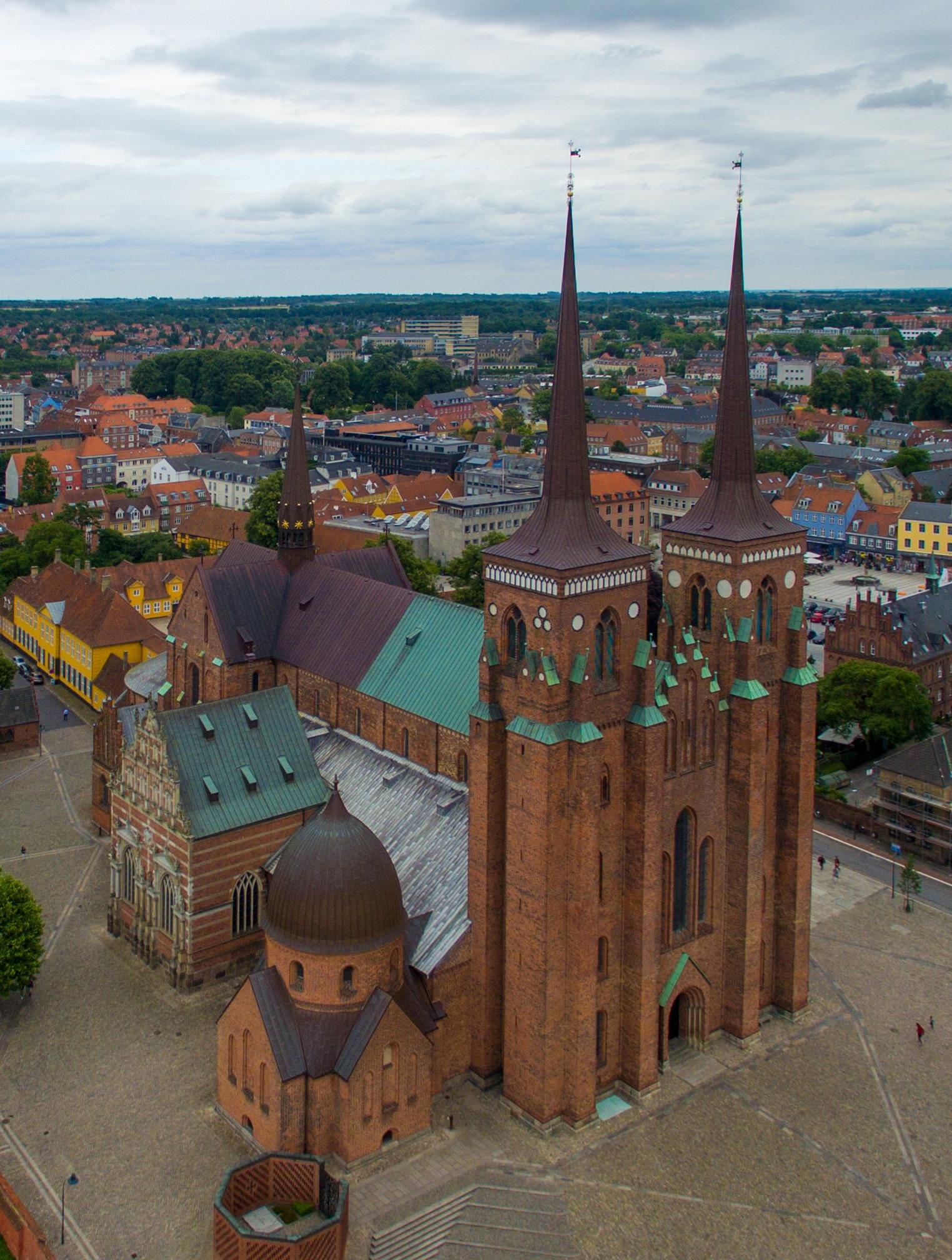
More about Roskilde
Discover Roskilde: A blend of rich history, Viking heritage, and vibrant music culture in the heart of Denmark, just a short journey from Copenhagen.
Tell me more about RoskildeHistoric city ramparts reborn as a lakeside green refuge, where playgrounds, sculptures and café culture meet everyday Copenhagen life in the heart of Indre By.
Historic 1886 theatre turned contemporary cultural hub, blending bold performances, visual art and neighbourhood atmosphere in the heart of Copenhagen’s Nørrebro district.
