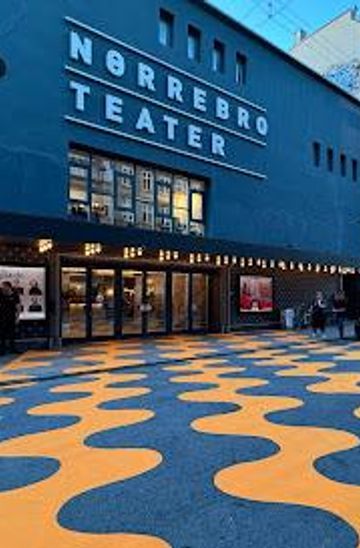
Nørrebro Teater
A historic Nørrebro stage blending popular roots, bold contemporary theatre and a striking art-filled facade in one of Copenhagen’s liveliest neighbourhoods.
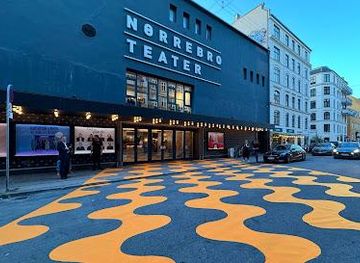
Nørrebro Teater is one of Copenhagen’s most characterful stages, set on lively Ravnsborggade in the heart of multicultural Nørrebro. Founded in 1886 as a popular entertainment theatre, it has evolved into a contemporary cultural powerhouse with a 620-seat auditorium, bold productions, and an ever-changing art facade. Expect inventive staging, strong acting and a buzzing foyer bar that keeps the evening atmosphere going before and after the show.
A brief summary to Nørrebros Theater
- Ravnsborggade 3, Copenhagen, Nørrebro, 2200, DK
- Click to display
- Click to display
- Duration: 2 to 3.5 hours
- Mid ranged
-
 Indoor
- Mobile reception: 5 out of 5

Know before you go
Hi, I'm Eve. Here are a few practical things to know before exploring Nørrebros Theater.
- Check the program in advance; Nørrebro Teater alternates between spoken drama, music-driven shows and experimental pieces, often in Danish, so choose a performance that fits your interests and language comfort.
- Arrive 20–30 minutes early to enjoy the foyer and bar, sort out tickets, and get settled in your seat without rushing through the atmospheric building.
- Combine your visit with dinner or drinks on Ravnsborggade or nearby Nørrebrogade, where there is a wide choice of restaurants, wine bars and casual eateries.
- If you are sensitive to sound or light, be aware that some contemporary productions use strong lighting effects, amplified music and immersive staging; consider bringing earplugs.
- Keep an eye out for the changing art on the theatre’s facade – it is curated as an ongoing contemporary art project and worth a closer look before you step inside.
Do you manage this location?
Take control to get all the benefits, like improved information, better appearance, and stronger visibility across AI-powered discovery. Learn more
Activate your presenceOther nearby places you may find interesting
Getting There
-
Metro and walk
From central Copenhagen, take the M3 Cityringen metro to Nørrebros Runddel Station; trains run every few minutes and the ride typically takes 5–10 minutes. A standard single ticket within the city zones usually costs around 20–30 DKK. From the station it is an easy 10–15 minute city walk on mainly flat pavements, suitable for most visitors and stroller-friendly, though surfaces can be busy with cyclists at peak hours.
-
S-train and bus
If you arrive by S-train, get off at Nørreport Station, one of the main hubs, then transfer to a bus towards Nørrebro, such as a line running along Nørrebrogade. The bus ride is typically 5–10 minutes, with departures every few minutes in daytime and slightly less often in the evening. Use the same ticketing system as metro and trains, so a combined journey within the central zones generally stays in the 20–30 DKK range. Expect a short walk of about 10 minutes from the bus stop along well-lit city streets.
-
Bicycle within the city
Cycling is one of the most convenient ways to reach Nørrebro Teater from central districts like Indre By or Vesterbro, usually taking 10–20 minutes depending on your starting point and pace. Copenhagen’s extensive bike lanes make the route straightforward, but Nørrebrogade in particular can be very busy at rush hour. You can rent city bikes or from private rental shops; expect typical rental prices from about 100–150 DKK per day. There is usually informal bike parking on nearby side streets, but spaces can fill up close to showtime.
-
Taxi or rideshare
A taxi from central Copenhagen to Ravnsborggade generally takes 10–20 minutes, depending on traffic, which can be heavier around late afternoon and early evening. Typical fares fall in the range of 120–220 DKK for this distance, with night and weekend surcharges possible. Drop-off is usually straightforward on nearby streets, but be aware that narrow roads and bike traffic mean brief stops are preferred rather than long waiting times immediately outside the theatre.
For the on-the-go comforts that matter to you
-
 Restrooms
-
 Drink Options
-
 Food Options
-
 Seating Areas
-
 Trash Bins
-
 Information Boards
Discover more about Nørrebros Theater
A historic stage at the heart of Nørrebro
Nørrebro Teater has been part of Copenhagen’s cultural life since 1886, when it opened as a dinner and entertainment theatre for the city’s growing working-class districts. Over the decades it became known as Denmark’s largest “morskabsteater” – a house of laughter, song and light-hearted variety shows that offered an escape from everyday life in the surrounding streets.The theatre sits on Ravnsborggade, close to the lakes and Nørrebrogade, and its facade blends period character with clear modern touches. Inside, the building has been refitted and upgraded many times, but you still sense layers of history in the layout, from the generous foyer to the broad staircases and the classic auditorium form that focuses attention squarely on the stage.From popular entertainment to contemporary stories
Today, Nørrebro Teater focuses on relevant, engaging stories rather than pure escapism. Its repertoire spans new Danish drama, sharp adaptations, comedy with an edge and music-driven performances, often with themes that mirror life in an urban, diverse neighbourhood. The aim is to connect audiences to the wider world while still offering an entertaining night out.Recent years have seen the theatre embrace a broader cultural program with theatre, talks, performance, and music sharing the same stage. This mix gives the house a dynamic feeling: one week you might encounter a bold, experimental staging; another, a more classical narrative that still feels firmly anchored in the present.Architecture, design and a living facade
One of Nørrebro Teater’s distinctive features is its interplay between architecture and visual identity. The building’s signage traces its lineage back to a modernist sign designed in 1932 by architect Vilhelm Lauritzen, a pioneer of Danish functionalism. Today’s logo and graphic style draw on that heritage, linking past and present in a clean, contemporary way.Outside, the facade doubles as an art platform. Large-scale flags or banners by changing contemporary artists turn the exterior into an open-air exhibition visible day and night. This ongoing project underlines the theatre’s ambition to step beyond traditional stage work and participate actively in the city’s visual and cultural landscape.The audience experience inside the auditorium
With roughly 620 seats, the main hall is large enough to feel grand yet compact enough to maintain an intimate connection between actors and audience. Sightlines are carefully considered, and the stage is equipped for ambitious lighting, sound, and multimedia concepts, allowing productions to shift quickly between moods and visual worlds.Acoustics support both spoken word and live music, so you may encounter everything from quiet monologues to full-bodied musical scores. The seating layout encourages a shared experience – you are always aware of being part of a collective audience, which suits the theatre’s emphasis on conversation-starting productions.Foyer life, bar culture and local atmosphere
Before the curtain goes up, the foyer and bar set the tone. Warm lighting, contemporary posters and a mix of locals and visitors create a relaxed, social atmosphere. Drinks and light refreshments are usually available, and the surrounding streets offer plenty of cafes and restaurants to combine with the performance.Nørrebro itself is an integral part of the experience. Stepping outside after a show, you emerge into one of Copenhagen’s liveliest areas, where small bars, eateries and late-evening street life extend the night. This close link between stage and neighbourhood adds an extra layer: stories seen inside the theatre resonate with the very cityscape you walk through as you leave.A neighbourhood institution with an eye on the future
Under its current artistic leadership, Nørrebro Teater positions itself as both a guardian of theatre traditions and a laboratory for new forms. It looks back on a long line of notable actors and directors while opening up to contemporary artists, interdisciplinary collaborations and new voices. The house’s evolving identity, its commitment to topical themes and its visual presence on Ravnsborggade all signal a theatre that sees itself as a cultural meeting point as much as a performance venue.For visitors, this means more than just a night at the theatre. It is an opportunity to glimpse how Copenhagen’s stage arts are responding to social change, diversity and global influences – all while still delivering the simple pleasure of gathering in a darkened room to watch live stories unfold.Explore the best of what Nørrebros Theater has to offer















More about North Zealand
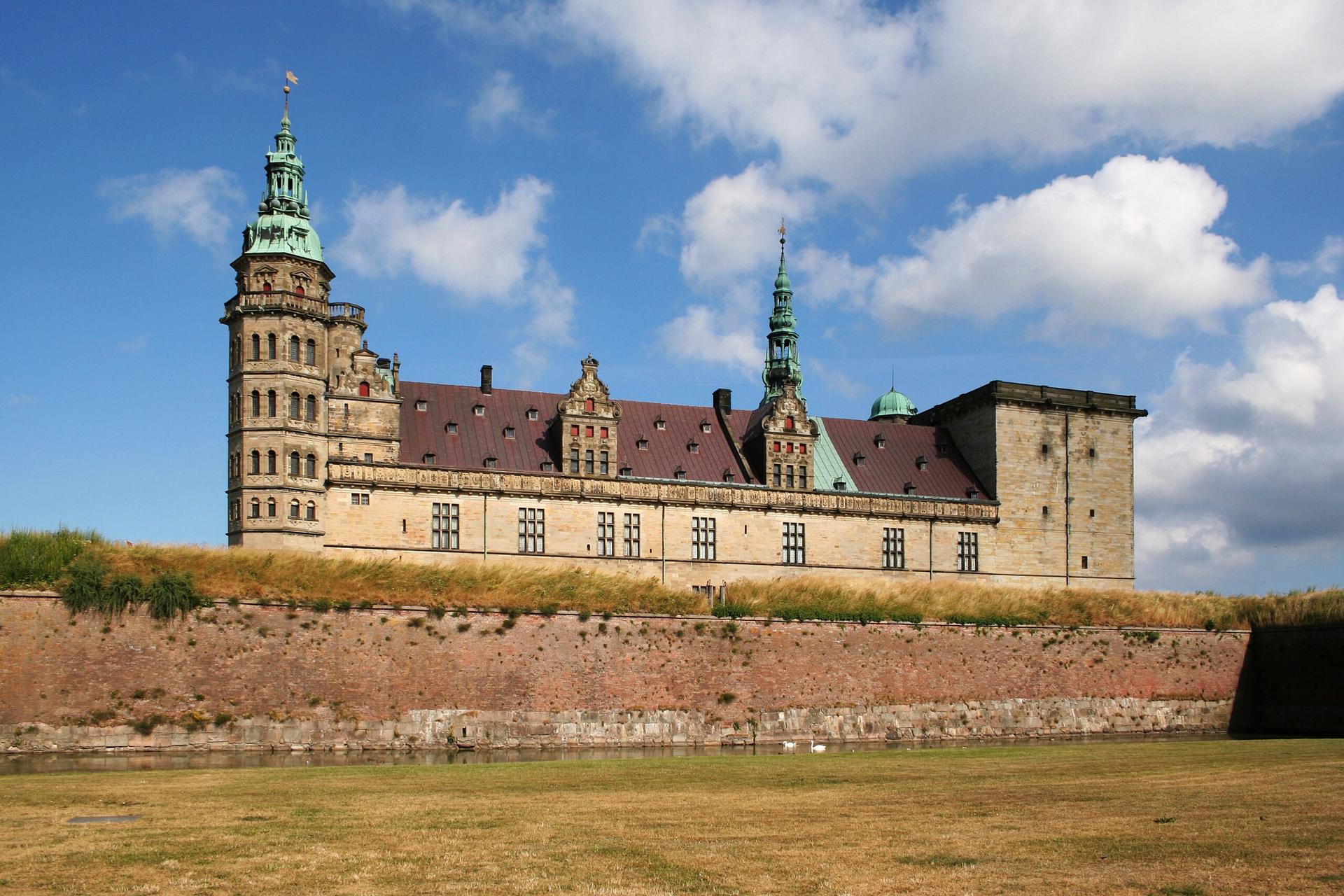
Explore North Zealand, Denmark's enchanting region of castles, beaches, and royal estates, perfect for history buffs, nature enthusiasts, and seaside lovers.
Tell me more about North Zealand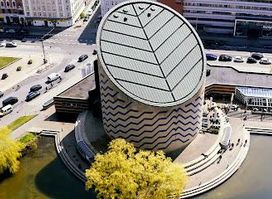
Copenhagen’s copper-domed Planetarium launches you into immersive 8K space films, interactive cosmic exhibits and centuries of Danish stargazing beside the city’s lakes.

Historic Nørrebro playhouse blending popular entertainment, contemporary theatre and facade art in a 620-seat venue at the lively heart of Copenhagen.