
Royal Danish Playhouse (The Playhouse)
Striking waterfront home of Danish drama, where award-winning contemporary architecture meets harbor views, a lively pier, and the creative heart of Copenhagen theatre.
Poised on Copenhagen’s inner harbor at Sankt Annæ Plads, the Royal Danish Playhouse (often simply “The Playhouse”) is a striking contemporary theatre dedicated to spoken drama. Opened in 2008 as part of the Royal Danish Theatre, it pairs Lundgaard & Tranberg’s award-winning architecture with a sweeping wooden waterfront promenade, glass-walled foyers, and harbor views towards the Opera House. Come for a performance, a coffee, or a stroll along the pier that wraps around this modern cultural landmark.
A brief summary to The Playhouse
- Sankt Annæ Pl. 36, Indre By, Indre By, 1250, DK
- Click to display
- Click to display
- Duration: 1 to 3 hours
- Mid ranged
-
 Mixed
Mixed
- Mobile reception: 5 out of 5

Know before you go
Hi, I'm Eve. Here are a few practical things to know before exploring The Playhouse.
- Arrive early before an evening performance to explore the timber pier, when the glass band and harbor views create especially atmospheric light for photos.
- If you plan to see a play, check which of the three stages it uses; smaller studio spaces offer a more intimate experience but may have fewer amenities nearby.
- Even without tickets, you can use the café-restaurant and foyer spaces for a relaxed break with water views, particularly pleasant on clear days.
- On breezy days, bring an extra layer if you want to linger on the outdoor deck, as the exposed harborfront can feel cooler than nearby streets.
Do you manage this location?
Take control to get all the benefits, like improved information, better appearance, and stronger visibility across AI-powered discovery. Learn more
Activate your presenceOther nearby places you may find interesting
Getting There
-
Metro from central Copenhagen
From central Copenhagen, the most convenient option is the M3 Cityringen metro line to Marmorkirken or Kongens Nytorv, followed by a 10–15 minute level walk through Frederiksstaden to the harborfront. Trains run every few minutes from early morning until late evening, and a single zone 2 ticket typically costs around 20–30 DKK. The route is step-free at the metro stations, but the final stretch is on paved city streets and the harbor promenade.
-
City bus to the harbor area
Several city bus routes serve the streets behind Sankt Annæ Plads and Frederiksstaden, with journey times of roughly 10–20 minutes from the central station area depending on traffic. Standard bus tickets cost about 20–30 DKK and can be bought via ticket machines or travel apps. Buses usually stop within a few hundred meters of the Playhouse; from there, expect a short, flat urban walk, suitable for most visitors but potentially busy at peak times.
-
Harbor bus by water
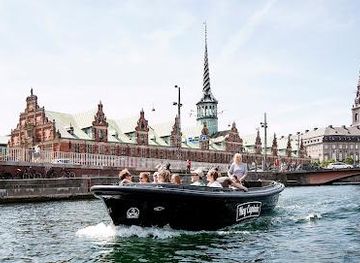
For a scenic approach, use Copenhagen’s harbor bus service, which connects various quays along the inner harbor. Trips from central stops generally take 15–25 minutes and use ordinary public transport tickets or passes in the 20–30 DKK range. Boats operate regularly during the day and early evening but less frequently late at night and in severe weather. Landings are via floating pontoons with ramps that can be steep in certain tide and wind conditions.
-
Walking from Nyhavn district
If you are already in the Nyhavn or Kongens Nytorv area, allow around 10–20 minutes to walk to the Playhouse along city streets and the harbor promenade. The route is mostly flat and paved, passing through elegant 18th‑century streets before opening onto the waterfront. It is an appealing option in mild weather and requires no payment, though wind and rain can make the harbor section feel exposed.
For the on-the-go comforts that matter to you
-
 Restrooms
-
 Drink Options
-
 Food Options
-
 Seating Areas
-
 Sheltered Areas
-
 Trash Bins
-
 Information Boards
-
 Visitor Center
Discover more about The Playhouse
A waterfront stage for modern Danish drama
The Royal Danish Playhouse rises directly from the edge of Copenhagen’s inner harbor, a long, low-lying structure that appears to hover above the water on crooked columns and a broad timber deck. Conceived as the dedicated home of spoken theatre within the Royal Danish Theatre family, it opened in 2008 to relieve pressure on the historic Old Stage and to give contemporary drama a purpose-built setting. Inside, three stages host everything from intimate new writing to large-scale classics, anchoring the Playhouse as a key cultural venue in the Frederiksstaden district.Stepping inside, you move from the openness of the quayside to a carefully controlled theatrical world. The building’s circulation is designed to heighten anticipation: foyers flow towards the main auditorium, while glimpses of backstage activity hint at the work that underpins each performance. Even if you are not attending a show, the Playhouse functions as a public building, with a café-restaurant and generous lobby spaces that invite you to linger beside the water.Architecture shaped by light, brick, and glass
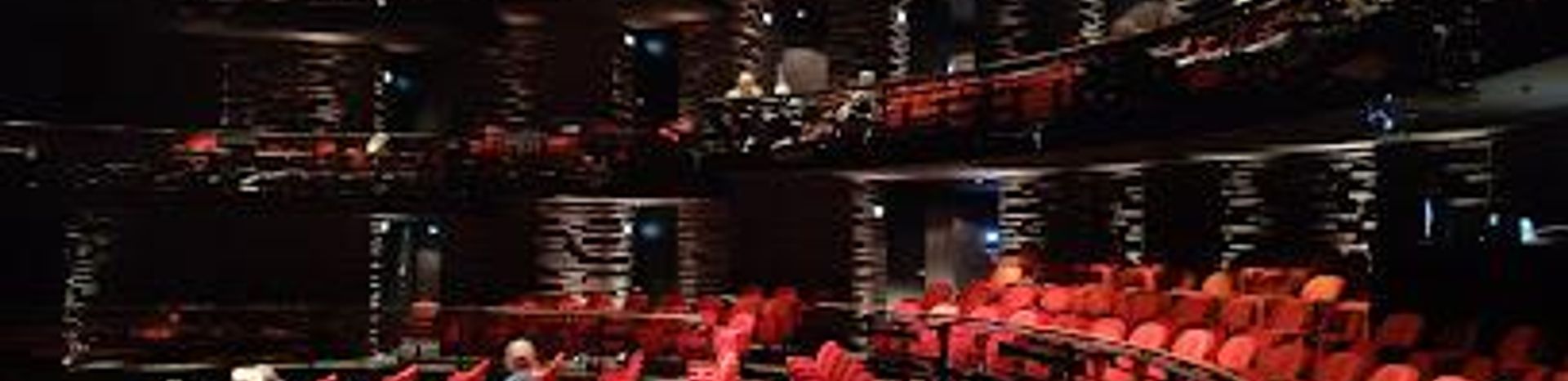
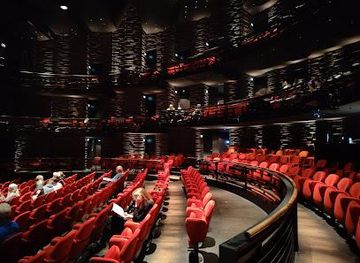
The Playhouse is the work of Danish architects Lundgaard & Tranberg, whose design fuses contemporary Scandinavian restraint with a strong sense of place. The lower volumes are clad in a specially developed deep-brown brick that echoes historic Copenhagen warehouses, grounding the structure firmly in the city’s harborfront tradition. Above this, a continuous band of glass wraps the upper level, housing offices and backstage facilities while glowing like a lantern after dark.Crowning the ensemble is the dark copper-clad scenic tower, a sculptural cube that signals the presence of the main stage from afar. Inside the auditoria, meticulous attention has been paid to acoustics, sightlines, and materials: warm timber, carefully modeled balconies, and technically sophisticated lighting rigs all work together to create an intimate yet versatile theatrical environment. Even the auditorium seating, recognized with a design award, reflects the emphasis on comfort and craftsmanship.A pier that doubles as civic living room
One of the Playhouse’s most distinctive features is the expansive wooden pier that extends around the building, effectively enlarging the public realm along the harbor. This broad boardwalk functions as an outdoor living room for the city: people sit on the steps, dangle their feet above the water, meet friends for a drink, or simply watch boats glide past. The structure deliberately blurs the boundary between theatre and city, allowing passersby to engage with the building without a ticket.From here, the views are classic contemporary Copenhagen. Across the water, the bold profile of the Copenhagen Opera House forms a direct architectural dialogue with the Playhouse. Turn slightly and you sense the proximity of Nyhavn’s historic canal and Frederiksstaden’s stately streets, yet the immediate atmosphere stays relaxed and maritime. On clear evenings the low sun washes the brick and timber in golden light, and the glass band begins to glow as audiences gather inside.Inside the world of the Royal Danish Theatre
The Playhouse forms part of a wider constellation of venues operated by the Royal Danish Theatre, which dates back to 1748 as Denmark’s national performing arts institution. While the Old Stage on Kongens Nytorv retains its historic aura for opera and ballet, and the Opera House offers a grand modern home for large-scale productions, the Playhouse focuses on drama in all its forms. Its three stages allow for parallel programming, workshops, and festivals, enriching Copenhagen’s theatrical calendar.Beyond performances, the building often hosts talks, rehearsals open to special groups, and creative projects that draw on its versatile studio spaces. The interplay between the public foyer, café, and waterfront means that the theatre is active throughout the day, not only in the evening. Whether you immerse yourself in a full-length play or simply pause here during a harbor walk, the Playhouse opens a window onto contemporary Danish culture and design.Experiencing the harbor atmosphere
Visiting the Playhouse is as much about atmosphere as it is about architecture or programming. Inside, floor-to-ceiling glass keeps the water constantly in view, so you might sip coffee while watching ferries, kayakers, and harbor buses drift past. The low murmur of conversation from the café mixes with the distant clank of rigging and the soft creak of the timber deck outside.In cooler months, the foyers offer a sheltered vantage point on stormy skies and wind-whipped waves, turning the harbor into a dramatic backdrop for pre-show drinks or quiet reading. In summer, doors open to the pier and the entire ensemble feels porous and airy. The Playhouse thus becomes a year-round meeting place—equally suited to a contemplative solo visit, a night out for theatre, or an impromptu break during a walk along Copenhagen’s evolving waterfront.Explore the best of what The Playhouse has to offer













More about North Zealand
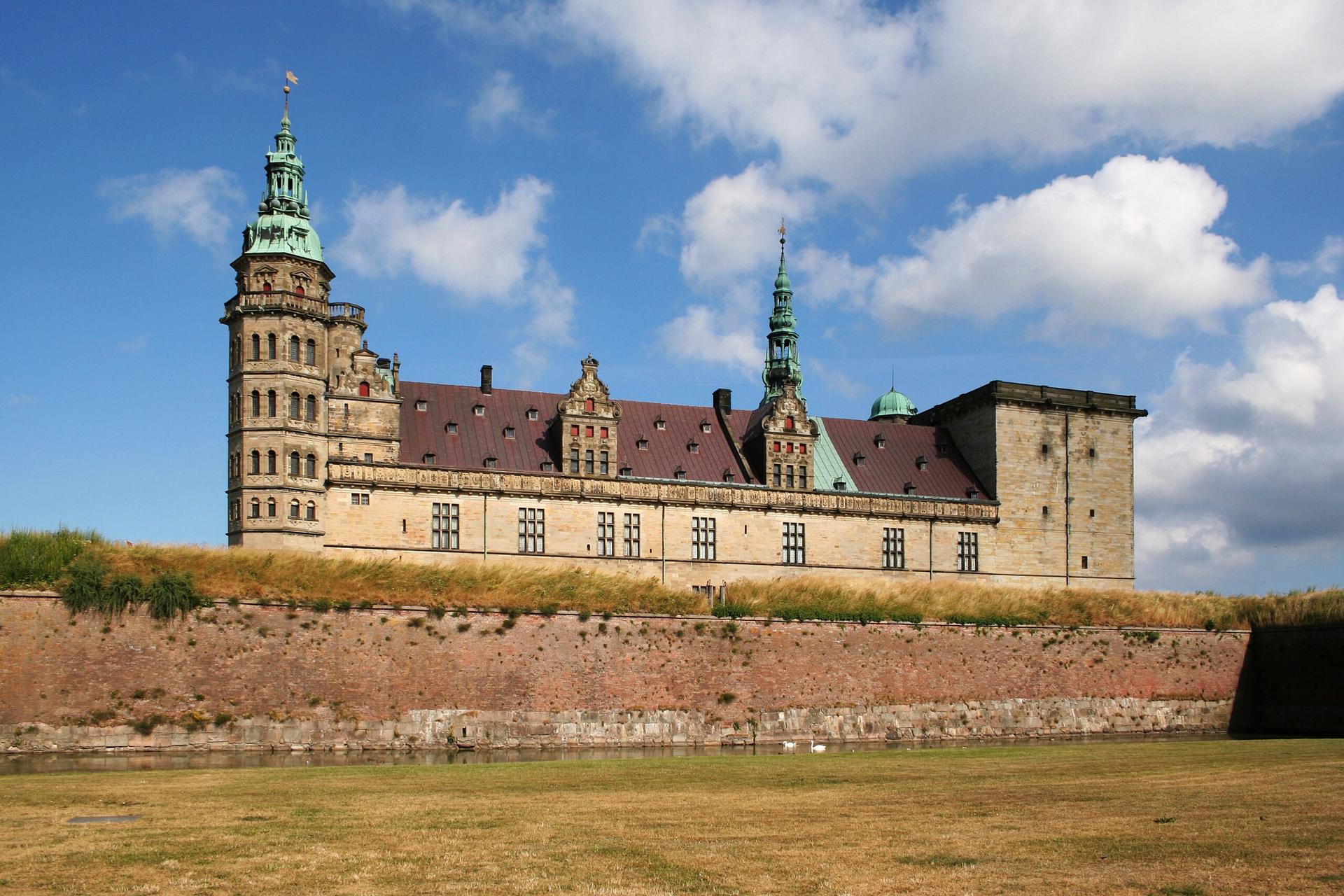
Explore North Zealand, Denmark's enchanting region of castles, beaches, and royal estates, perfect for history buffs, nature enthusiasts, and seaside lovers.
Tell me more about North Zealand
A dramatic bronze fountain at the heart of Amaliehaven, where modern sculpture, royal views and harbor breezes meet in a tranquil geometric garden.
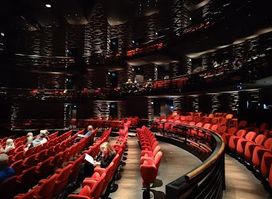
Contemporary Danish drama in a hovering waterfront landmark, where sharp Scandinavian architecture meets a broad wooden pier and sweeping views of Copenhagen’s inner harbour.
