
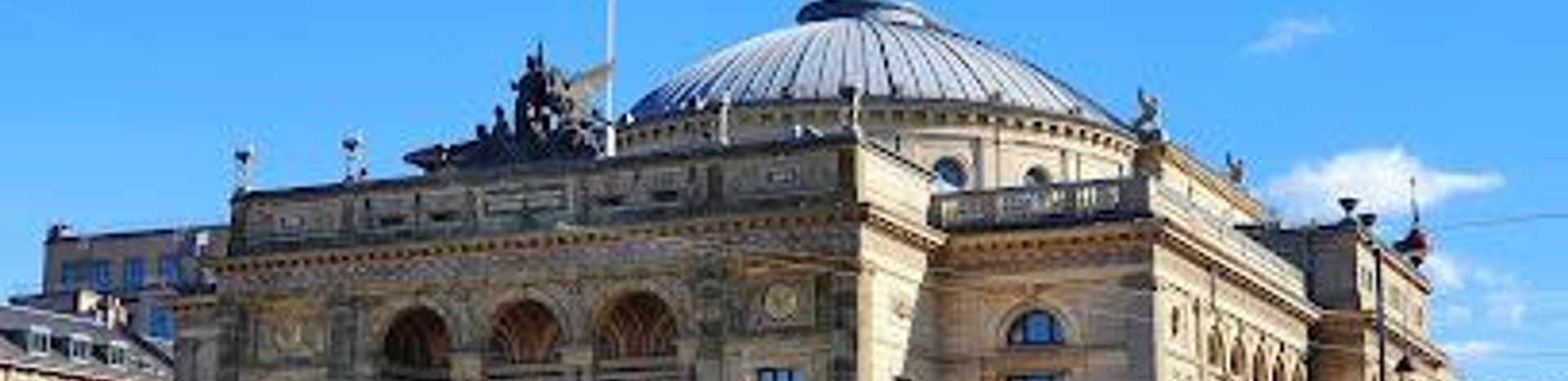
The Royal Danish Playhouse and Old Stage
Copenhagen’s national theatre in two acts: a gilded 19th‑century Old Stage on Kongens Nytorv and a bold modern playhouse rising directly above the harbour waters.
Set between Kongens Nytorv and Copenhagen’s harbour, the Royal Danish Theatre’s Old Stage and Royal Danish Playhouse form a striking dialogue between 19th‑century grandeur and bold contemporary design. The Old Stage, opened in 1874, dazzles with gilded boxes, chandeliers and painted ceilings, while the waterfront Playhouse, inaugurated in 2008, projects over the water on crooked columns, its glass foyer framing wide harbour views. Together they are the heart of Denmark’s national theatre, hosting drama, ballet, concerts and more in one compact, atmospheric area.
A brief summary to The Royal Playhouse and The Old Stage
- August Bournonvilles Passage 8, København K, København K, 1055, DK
- +4533696969
- Visit website
- Duration: 1.5 to 4 hours
- Mid ranged
-
 Mixed
Mixed
- Mobile reception: 5 out of 5
Local tips
- Check the Royal Danish Theatre’s programme in advance; drama is usually staged at the Playhouse, while ballet and many classical productions appear on the Old Stage.
- Arrive at least 30 minutes early to explore the Playhouse foyer and wooden harbour promenade, which offer some of the best informal waterfront views in central Copenhagen.
- Dress is generally smart‑casual rather than formal, but bring an extra layer; breezes along the harbour promenade can feel cool even on bright days.
- If you are mainly interested in architecture, visit in daylight for the brick and glass details, then return after dusk to see the Playhouse glowing over the water.

For the on-the-go comforts that matter to you
- Restrooms
- Drink Options
- Food Options
- Seating Areas
- Sheltered Areas
- Trash Bins
- Information Boards
- Visitor Center
Getting There
-
Metro and short walk
From central Copenhagen, take the M1 or M2 metro line to Kongens Nytorv station, a journey of about 5–10 minutes from Nørreport. Standard single tickets within the central zones generally cost around 20–25 DKK. From Kongens Nytorv, it is an easy 5–10 minute walk on level pavements to both the Old Stage on the square and the Royal Danish Playhouse by the harbour. Trains run frequently throughout the day, but late‑night services may be slightly reduced.
-
Harbour bus
The harbour buses that operate along Copenhagen’s inner harbour stop near the Royal Danish Playhouse, providing a scenic approach from areas such as Nyhavn or Islands Brygge in roughly 10–25 minutes depending on the route. The harbour buses use the same ticket system as the metro and buses, with fares typically around 20–25 DKK for a single journey within central zones. Services are generally frequent during daytime and early evening, but check schedules if returning late at night or in winter.
-
City bus
Several city bus lines serve the streets around Kongens Nytorv and the harbourfront, with travel times of about 10–20 minutes from districts such as Vesterbro or Østerbro, depending on traffic. A standard single ticket usually costs around 20–25 DKK and covers the central zones. Buses are low‑floor and typically accessible for wheelchairs and strollers. At busy times, allow extra time for boarding and short walks from the nearest stop to the theatre entrances.
-
Bicycle
Copenhagen’s extensive cycle lanes make it straightforward to reach both the Old Stage and the Royal Danish Playhouse by bike from most inner districts in 10–20 minutes. You can use a rental or shared bicycle, with typical short‑term hire prices starting around 20–40 DKK per half hour. Routes are mostly flat and well‑marked, but be aware of cobblestones near Kongens Nytorv and moderate traffic at peak commuting hours. Bicycle parking stands are available close to the venues.
The Royal Playhouse and The Old Stage location weather suitability
-
 Clear Skies
-
 Mild Temperatures
-
 Any Weather
-
 Cold Weather
Discover more about The Royal Playhouse and The Old Stage
Where Danish theatre history meets the harbour
The Royal Danish Theatre spans two neighbouring worlds: the richly ornamented Old Stage on Kongens Nytorv and the sleek, waterside Royal Danish Playhouse a short stroll away. Both belong to Denmark’s national performing arts institution, founded in 1748, and together they tell the story of how theatre in Copenhagen has evolved from royal pastime to public cultural anchor. Standing on the square, the Old Stage announces itself with a stately façade and sculptural decoration, signalling its long role at the centre of the country’s artistic life. Down by the waterfront, the Playhouse leans out over the Inner Harbour, its dark brick and vast glass volumes reflecting passing boats and the changing northern light.Gilded ceilings and royal traditions
Inside the Old Stage, the mood shifts to pure 19th‑century splendour. Painted ceilings hover above crystal chandeliers, gold leaf trims the balconies, and plush seating rises in tiers towards the royal box. This is the historic home of the Royal Danish Ballet and a stage that has hosted countless operas, concerts and plays. The building you see today opened in 1874, replacing even earlier theatre houses on the same square. Over time it has been carefully modernised behind the scenes, but its public spaces still echo with the etiquette of courtly evenings, from the grand staircases to the sense of occasion as the curtain lifts on a full classical orchestra in the pit.A modern playhouse on the water’s edge
Across the canalside streets, the Royal Danish Playhouse, completed in 2008, represents a different era. Designed by Lundgaard & Tranberg, it stretches as a long, low volume clad in specially made deep‑brown brick, topped by a glass band of offices and a dark copper‑clad stage tower. Around 40 percent of the structure projects over the harbour, supported on crooked, Venetian‑style columns that give it a floating, almost theatrical presence. Along the water runs a broad wooden promenade of rustic oak planks. It doubles as a public boardwalk, wrapping around the building and subtly guiding pedestrians out over the water before returning them to the quayside. The glazed foyer inside offers sweeping views to the Copenhagen Opera House across the channel, with a café and restaurant that make this as much a social hub as a performance venue.Stages, stories and what happens behind the curtain
The Playhouse is dedicated to spoken drama and houses three stages of varying sizes, from an intimate studio to a main auditorium capable of ambitious productions. Backstage, workshops, rehearsal rooms and technical spaces feed into the stages above and below ground, allowing complex set changes and lighting designs. The wider Royal Danish Theatre organisation coordinates programming across the Old Stage, the Opera House and the Playhouse. Drama premieres, contemporary works and classics often appear here, while ballet and opera are more likely to be found on the Old Stage and opera stages, yet the boundaries between genres are sometimes playfully crossed in special productions and collaborations.Experiencing the atmosphere without a ticket
You do not need a seat for a performance to enjoy this part of Copenhagen’s cultural quarter. On Kongens Nytorv, the Old Stage façade forms a backdrop to everyday city life, from commuters passing its colonnades to seasonal decorations on the square. Its exterior sculpture and reliefs are easily appreciated from the pavement. Down at the harbour, the Playhouse invites lingering. People sit on the edge of the wooden deck with their feet above the water, or nurse a drink from the café while watching harbour buses and kayaks glide past. On bright evenings, the glass foyer glows like a lantern, revealing silhouettes of stage sets and theatre‑goers inside.Planning your visit to Copenhagen’s twin theatres
Performances are typically scheduled in the late afternoon and evening, with occasional matinees and weekend events, and seasons run most strongly from autumn through spring. Guided tours are sometimes offered, giving a look behind the scenes at rehearsal rooms, costume departments and stage machinery. Even without stepping indoors, spending an hour or two moving between the Old Stage and the Playhouse gives a tangible sense of how Copenhagen cherishes both heritage and innovation. Within a compact area you can move from ornate historical interiors to crisp contemporary lines, all framed by one of Europe’s most appealing urban waterfronts.Iconic landmarks you can’t miss

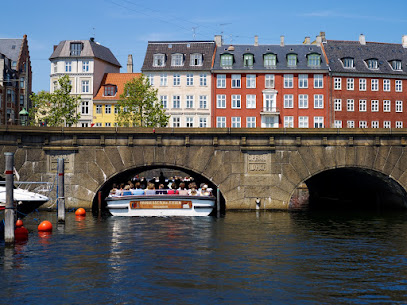
Stromma Canal Tours Copenhagen
0.1 km
A lush botanical oasis at the heart of Copenhagen, featuring historic glasshouses, rare Nordic plants, tranquil lakes, and immersive gardens for every season.
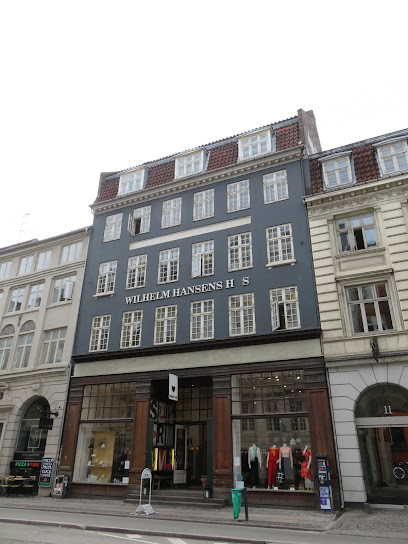
Wilhelm Hansens Hus
0.3 km
Former home of Denmark’s leading music publisher, quietly anchoring Gothersgade’s elegant streets between royal gardens and lively Kongens Nytorv.
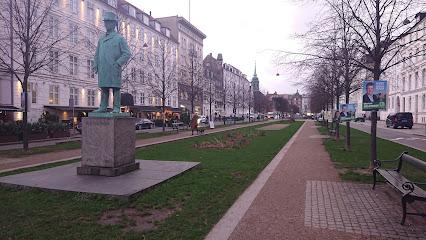
Sankt Annæ Pl.
0.4 km
Historic square blending royal heritage, climate innovation, and urban livability in central Copenhagen.
Holmens Bro
0.4 km
A modest granite arch in central Copenhagen that quietly connects Slotsholmen’s palaces with the city’s streets, offering classic harbour views and everyday urban life.

Højbro
0.5 km
A historic iron arch bridging Copenhagen’s lively city centre and stately Slotsholmen, with hidden folklore sculptures stirring beneath its calm canal waters.
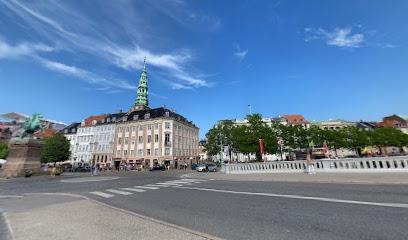
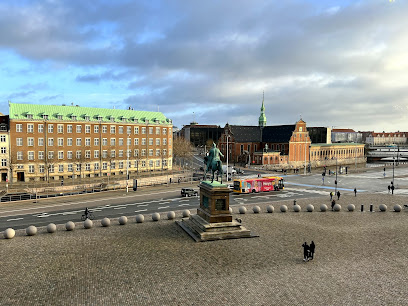
Frederik VII
0.5 km
Bronze monument in central Copenhagen commemorating King Frederik VII and Denmark’s 19th-century transition to constitutional monarchy, steps from political landmarks.
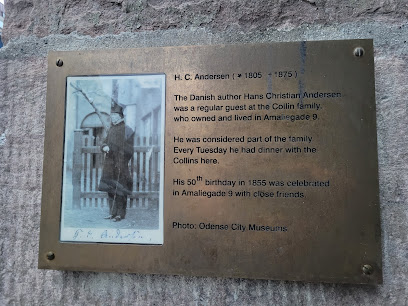
Hans Christian Andersen plaque
0.5 km
A modest plaque on elegant Amaliegade quietly marks Hans Christian Andersen’s presence amid the formal mansions and palace axis of Copenhagen’s Frederiksstaden.
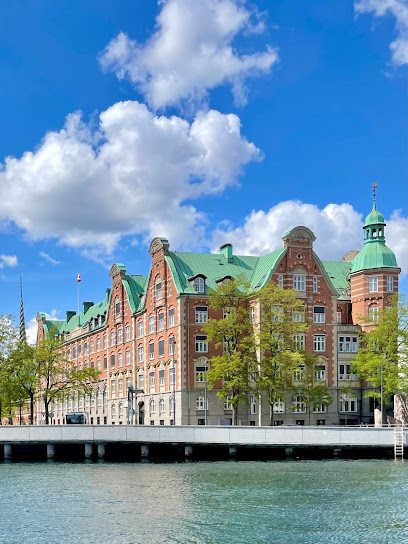
C.F. Tietgens Hus
0.5 km
A Neoclassical monument to Danish banking heritage and industrial vision, built for one of history's most influential entrepreneurs.
Amagertorv
0.5 km
Aarhus’s University Park blends Danish modernist architecture, lush gardens, and student life into one of the city’s most tranquil and historically significant green spaces.
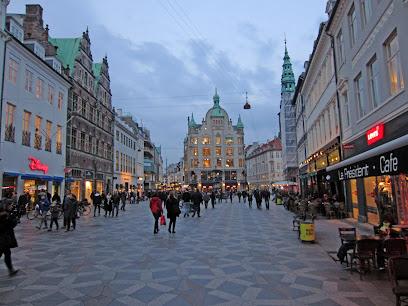
Knippelsbro
0.6 km
Copper-topped towers, lifting roadway and harbor breezes make Knippelsbro a compact, characterful bridge linking historic Slotsholmen with canalside Christianshavn.
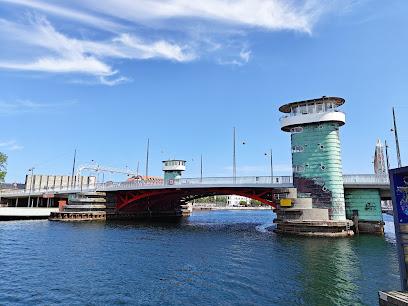
Ofelia Plads
0.6 km
Copenhagen's iconic waterfront plaza where culture, harbor views, and the famous kissing stairs meet the sea.
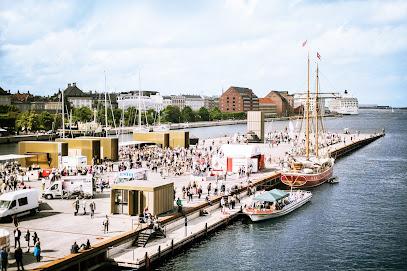
Varehuset Messen
0.6 km
A historic 1895 department store turned business college, crowned by Hermes and layered with centuries of mercantile and intellectual history on Købmagergade.
Gammel Strand
0.6 km
Ledreborg Park blends magnificent Baroque landscaping, palace views and serene Danish woodland for a captivating escape near Roskilde, ideal for history and nature lovers.
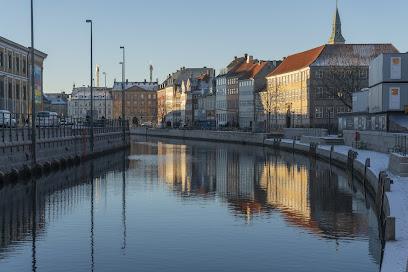
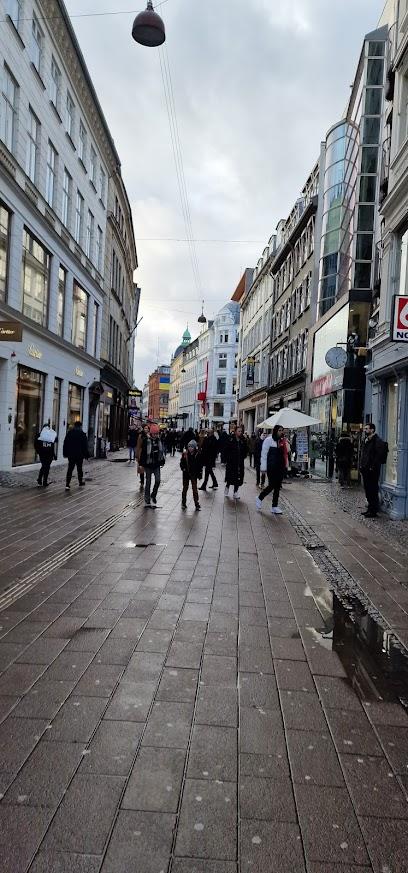
Strøget
0.6 km
Europe's pioneering pedestrian street where luxury shopping meets vibrant street culture and Danish heritage.
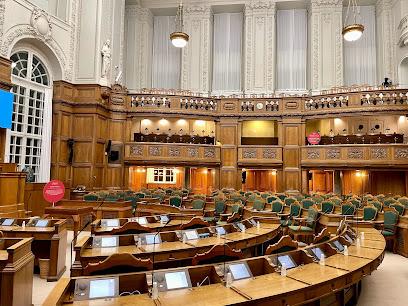
The Danish Parliament
0.6 km
Where copper spires, royal salons and granite façades frame the working heart of Danish democracy on Copenhagen’s historic Island of Power.
Unmissable attractions to see

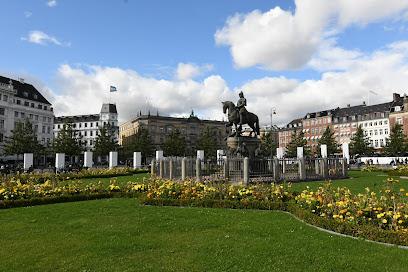
Kongens Nytorv
0.0 km
Copenhagen’s grand royal square, where theatres, palaces, luxury hotels and metro lines meet above a lively, ever-changing city stage.
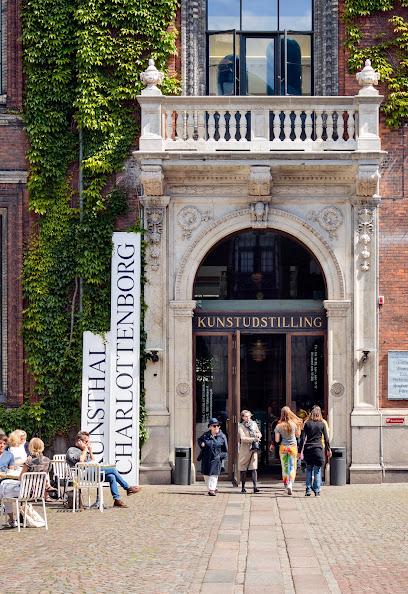
Kunsthal Charlottenborg
0.1 km
Historic Charlottenborg Palace transformed into one of Northern Europe’s leading contemporary art halls, blending bold exhibitions with Nyhavn and Kongens Nytorv views.
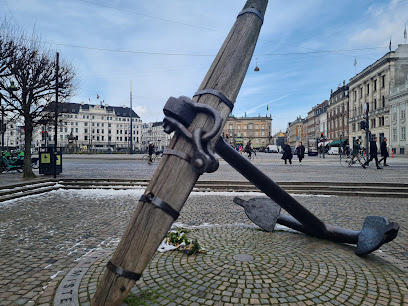
Memorial Anchor
0.1 km
Explore one of Europe’s oldest zoos, home to over 3,000 animals, award-winning architecture, immersive habitats, conservation programs, and engaging family activities.
Copenhagen Amber Museum
0.2 km
A tiny 17th‑century townhouse on Kongens Nytorv where Baltic amber, ancient insects and Scandinavian craft turn deep time into a warm, golden museum experience.
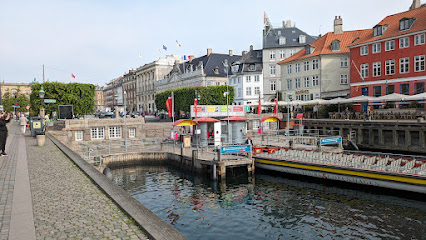
Guinness World Records Museum
0.2 km
Explore the extraordinary limits of human achievement in Scandinavia's premier world records museum.
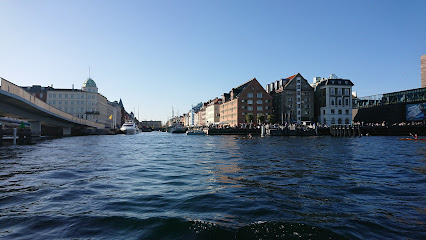
Indre By
0.2 km
A storied sanctuary in Nørrebro, Assistens Cemetery blends tranquil nature, remarkable history, and the celebrated graves of Danish luminaries.
Bredgade 18
0.3 km
A quietly elegant address on Copenhagen’s grand Bredgade, surrounded by Frederiksstaden’s mansions, churches and design showrooms in the heart of the city.
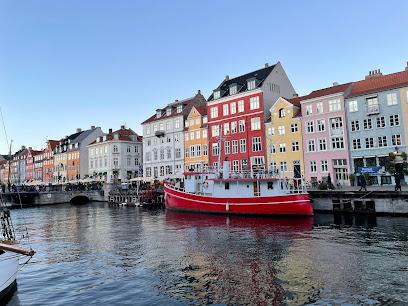
Nyhavn
0.3 km
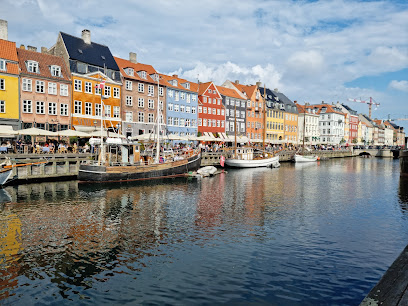
Copenhagen’s classic harbour postcard: colourful 17th‑century houses, wooden ships and waterside cafés where maritime history meets modern hygge.
Nyhavnsbroen & Nyhavn
0.3 km
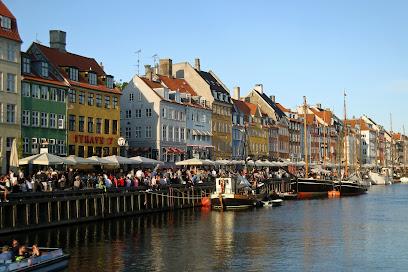
A modest canal bridge with a grand view, Nyhavnsbroen is the perfect perch above Copenhagen’s most colourful harbour and its centuries of maritime stories.
Nikolaj Art Gallery
0.3 km
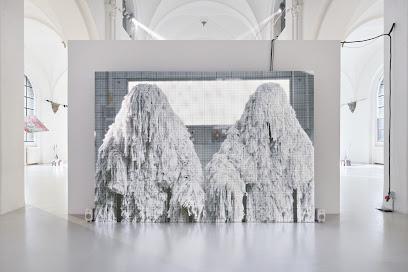
Medieval church transformed into a beacon of experimental contemporary art in Copenhagen's historic heart.
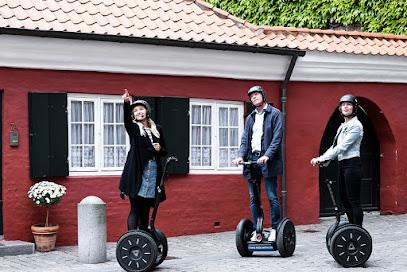
Segway Tours Copenhagen
0.4 km
Strikingly modern, immersive, and acoustically exceptional, DR Koncerthuset is Copenhagen's world-renowned concert hall and a must-visit for music and architecture lovers.
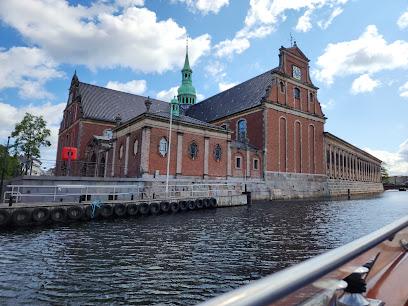
Church of Holmen
0.4 km
Experience the vibrant blend of history and modernity at Roskilde's central square, Stændertorvet.
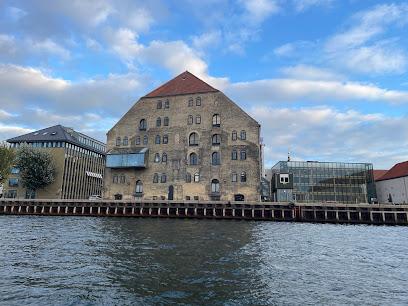
Havnegade Promenaden
0.4 km
Slottsträdgården is Malmö’s central organic garden retreat, blending vibrant themed gardens, historic castle views, and lively year-round events in a lush urban oasis.
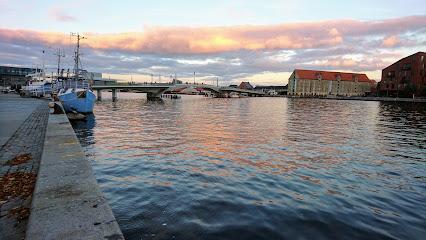
Havnepromenade
0.4 km
Discover Copenhagen’s Garden of the Royal Library: an elegant and tranquil retreat bridging royal heritage and modern design in the heart of the Danish capital.
Pub Crawl Copenhagen
0.4 km
Experience the vibrant blend of history and modernity at Sankt Hans Torv, Nørrebro's lively public square.
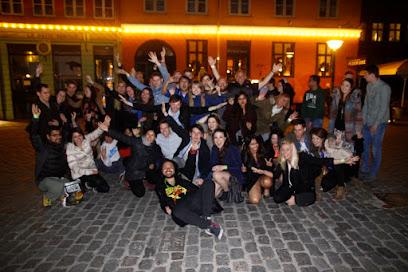
Essential places to dine

à terre
0.1 km
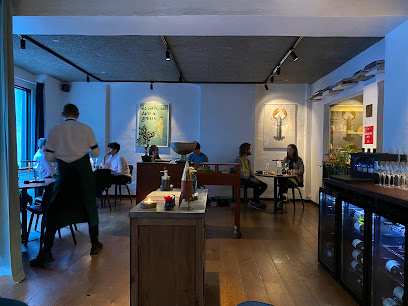
à terre brings French fine dining infused with Nordic creativity to central Copenhagen, offering an intimate, innovative tasting menu experience near Copenhagen’s key attractions.
Marchal
0.1 km
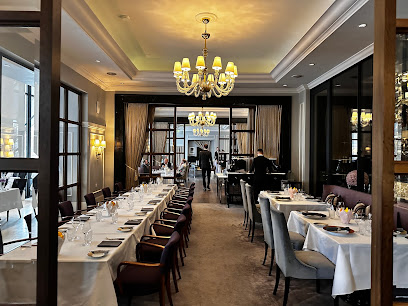
Michelin-starred Nordic–French fine dining in the historic elegance of Hotel d’Angleterre on Copenhagen’s grand Kongens Nytorv.
Llama
0.2 km
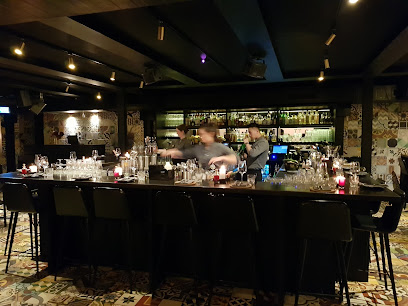
Latin American flavors, bold cocktails and patterned-tile design bring Peruvian and Mexican energy to a lively, late-night restaurant just off Kongens Nytorv.
Nyhavns Færgekro
0.2 km
Classic Danish cooking and a famed herring buffet in a cozy canal-side tavern, set within one of Nyhavn’s colorful townhouses overlooking Copenhagen’s historic harbor.
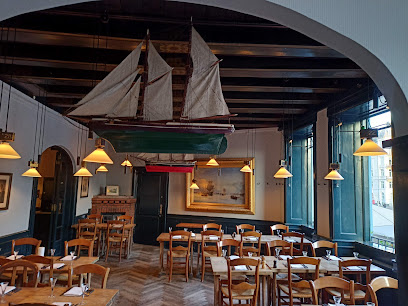
King Hans Cellar
0.2 km
Historic vaulted cellars, cutting-edge Nordic cuisine, and centuries-old royal ambiance converge at Copenhagen’s legendary King Hans Cellar fine dining restaurant.
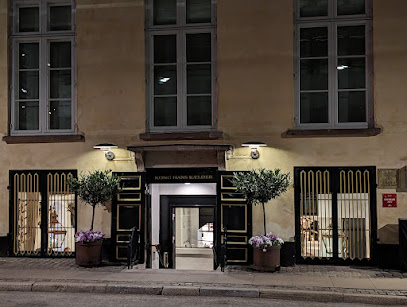
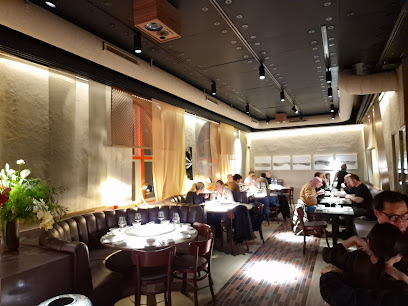
Goldfinch
0.2 km
Stylish Cantonese-inspired dining and cocktails on historic Kongens Nytorv, pairing shareable plates with a moody interior in the heart of Copenhagen.
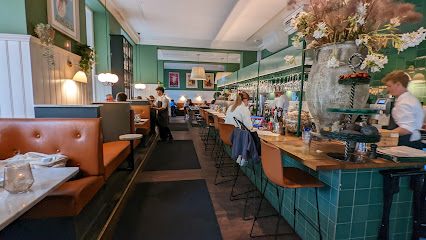
Bistro Royal
0.2 km
Elegant all‑day French‑Danish bistro on Kongens Nytorv, pairing brasserie classics with prime people‑watching and a lively, chandelier‑lit atmosphere.
Cap Horn
0.2 km
Candlelit Nordic bistro in a historic Nyhavn townhouse, blending classic Danish seafood, canal views and cosy hygge from late morning to late evening.
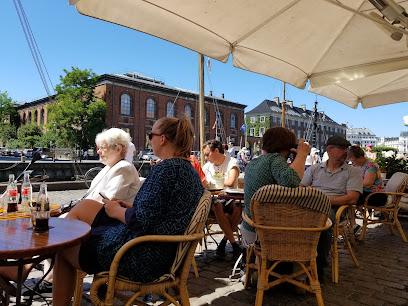
Frank
0.2 km
A candlelit Copenhagen luxury bistro where an open kitchen, bold seasonal cooking and an exceptional wine list create an intimate, wine-lover’s evening.
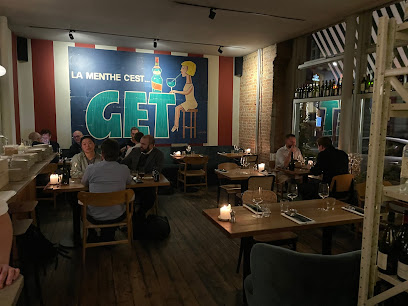
Skipperkroen
0.2 km
Harbourfront smørrebrød and seafood in an 18th‑century Nyhavn house, pairing classic Danish flavours with canal views from cosy rooms and a lively terrace.
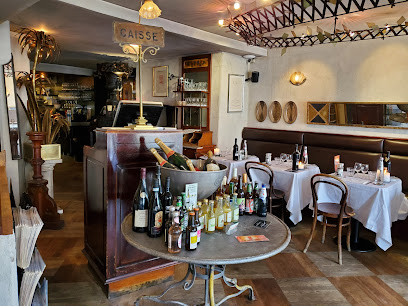
l’Alsace
0.2 km
Classic French bistro cooking, polished wines and candlelit charm in the heart of Copenhagen’s shopping streets.
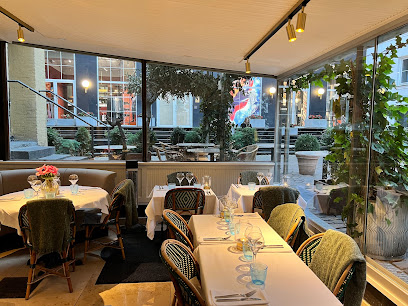
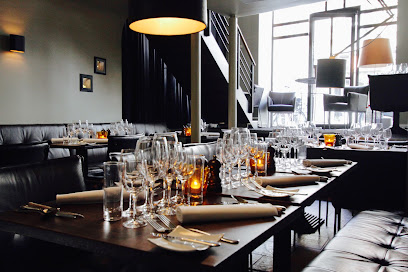
Den Lille Fede
0.3 km
Cosy, candlelit tasting-menu restaurant near Kongens Nytorv, where playful Nordic-inspired courses and thoughtful wine pairings turn dinner into an unhurried evening event.
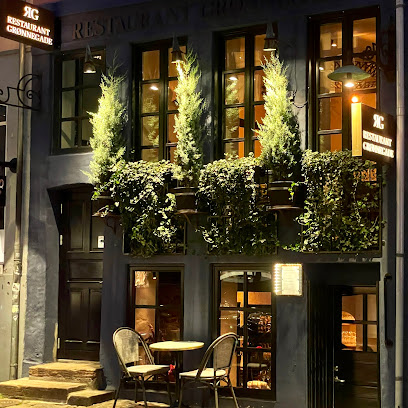
Restaurant Grønnegade
0.3 km
Seasonal Danish‑French fine dining in a 17th‑century Copenhagen townhouse, offering intimate, adults‑only evenings with polished service and thoughtful wine pairings.
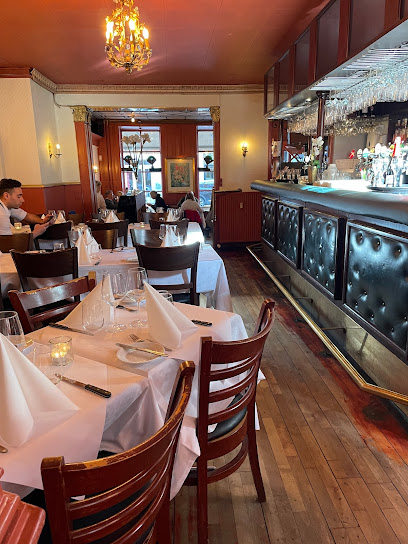
Restaurant Vita
0.3 km
Historic Danish dining in a former royal pharmacy, serving traditional smørrebrød and national classics.
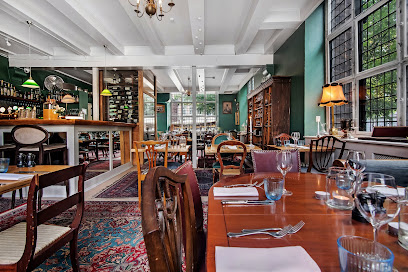
Restaurant Maven
0.3 km
Distinctive Scandinavian dining in the soaring nave of a former church, Restaurant Maven offers inventive cuisine and fine wine in Copenhagen's historic Indre By.
Markets, malls and hidden boutiques

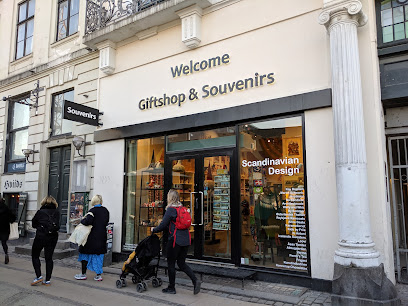
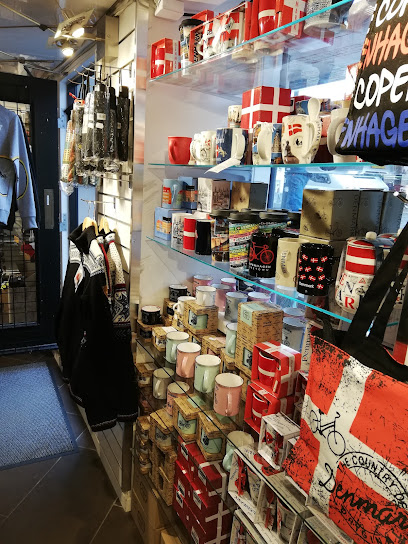
Welcome Giftshop & Souvenirs
0.1 km
Central Copenhagen’s cosy hygge boutique for Danish design, classic souvenirs, and easy last-minute gifts just off bustling Kongens Nytorv square.
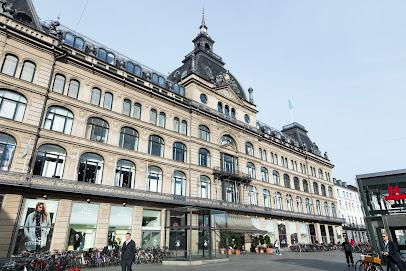
Magasin du Nord
0.1 km
Copenhagen’s classic department store: historic architecture, Nordic style, gourmet treats and relaxed cafés gathered under one elegant roof on Kongens Nytorv.
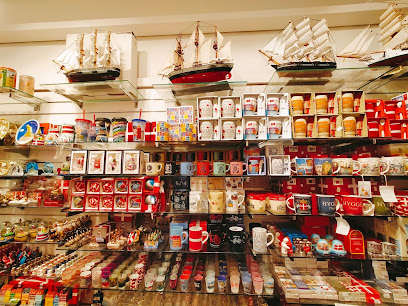
Viking Souvenirs
0.1 km
Authentic Danish and Viking-themed souvenirs in Copenhagen's historic city center.
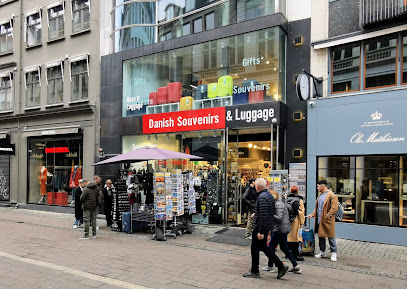
Danish Souvenirs & luggages
0.2 km
Central Strøget souvenir and luggage shop combining classic Danish mementos with practical travel gear, open long hours for convenient, last‑minute Copenhagen gifts.
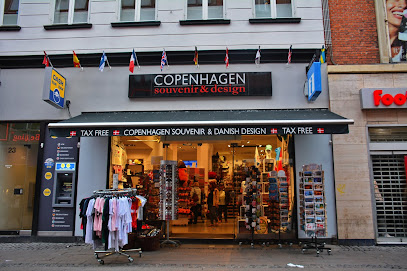
Copenhagen Souvenir & Design
0.2 km
Denmark's premier souvenir destination offering authentic Danish heritage, contemporary design, and quality gifts across seven city-center locations.
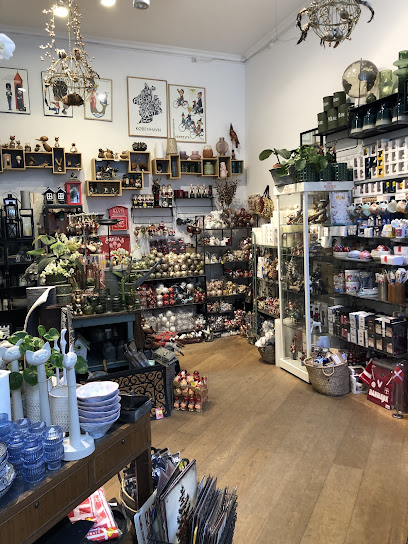
Zane
0.2 km
Intimate Copenhagen florist and design boutique on stylish Bredgade, blending seasonal blooms, Nordic homeware and thoughtful gifts in a cosy, lived-in space.
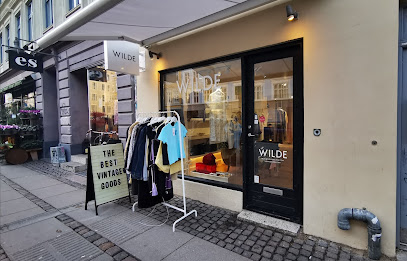
The Wilde Shop
0.3 km
A boutique vintage shop in Indre By, Copenhagen bringing together handpicked retro clothing, sustainable fashion, and curated Scandinavian style in a welcoming setting.
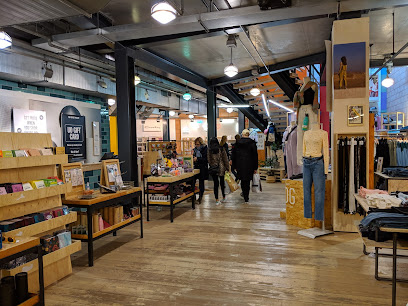
Urban Outfitters
0.3 km
Trendy multi-level fashion and lifestyle store bringing Urban Outfitters’ eclectic clothing, homeware and vinyl mix to the heart of Copenhagen’s Østergade.
Copenhagenglass
0.3 km
Intimate glassblowing studio and shop near Nyhavn, where Danish maritime-inspired designs and hands-on sessions turn molten glass into memorable Copenhagen souvenirs.
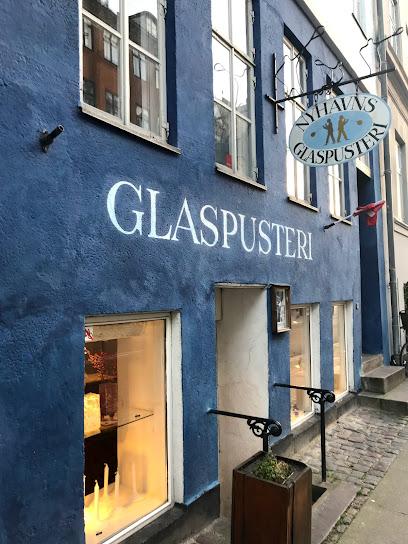
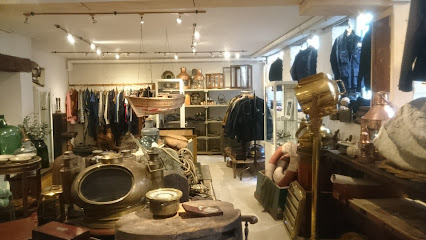
Maritime Antiques &
0.4 km
Atmospheric basement shop near Nyhavn where genuine maritime antiques share space with heritage-inspired clothing and rugged knitwear in a cosy, ship-like setting.
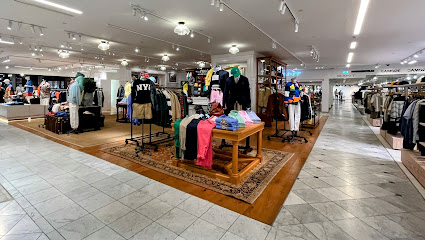
ILLUM
0.4 km
ILLUM is Copenhagen’s iconic department store, combining world-class fashion, Danish design, gourmet food, and rooftop views in historic Indre By.
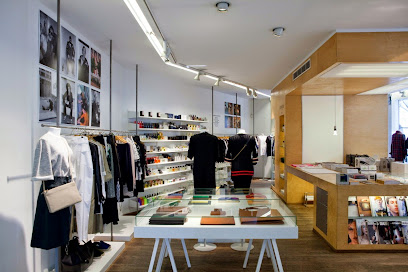
Storm - design art fashion
0.4 km
A pioneering Copenhagen concept store where avant-garde fashion, art, design objects and niche fragrances meet in a minimalist, gallery-like space on Store Regnegade.
Danish Souvenirs
0.4 km
Central Copenhagen souvenir hub on Højbro Plads, packed with Danish icons, practical travel extras and long opening hours just steps from Strøget.
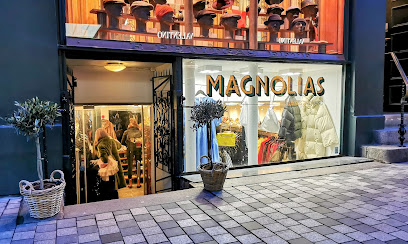
Magnolias
0.4 km
A compact, upscale secondhand boutique on Købmagergade, Magnolias blends Copenhagen chic with curated pre-loved designer fashion in the city’s historic shopping heart.
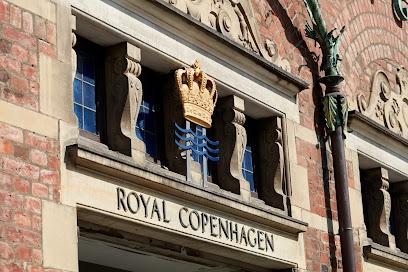
Royal Copenhagen Flagship Store
0.5 km
Historic Renaissance townhouse on Strøget where hand‑painted Royal Copenhagen porcelain, royal history and Danish design culture meet across three atmospheric floors.
Essential bars & hidden hideouts

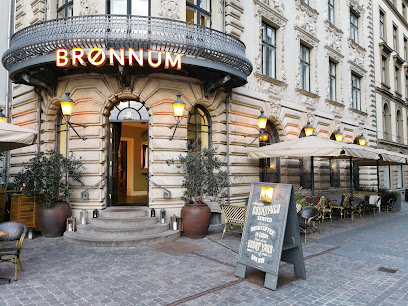
Brønnum
0.0 km
An opulent, multi‑room cocktail bar steps from Kongens Nytorv, where historic townhouse elegance meets contemporary mixology and candlelit late‑night conversation.
TATA Cocktail Bar
0.2 km
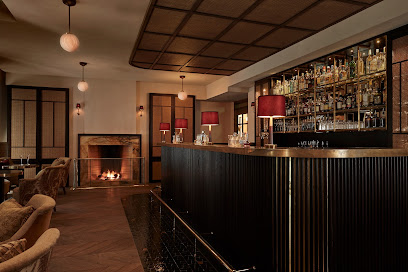
A velvet-draped, fireplace-warmed cocktail hideaway inside Hotel Sanders, where classic mixology, Danish design and theatre-inspired charm blend seamlessly.
Balthazar
0.2 km
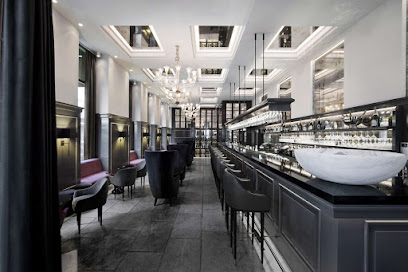
A luxurious Champagne bar at Hotel d’Angleterre, pairing an extensive bubbles list and crafted cocktails with velvet-luxe interiors and a lively DJ-backed ambience.
Bar Deco
0.2 km
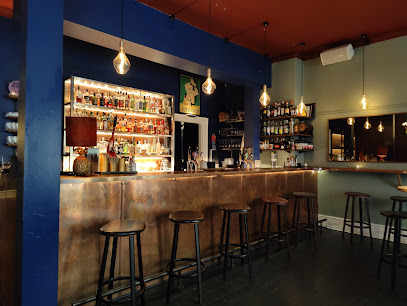
Intimate Art Deco–inspired cocktail bar near Kongens Nytorv, pairing crafted drinks with moody lighting and a relaxed, grown‑up Copenhagen atmosphere.
Aloha Beach Bar
0.3 km
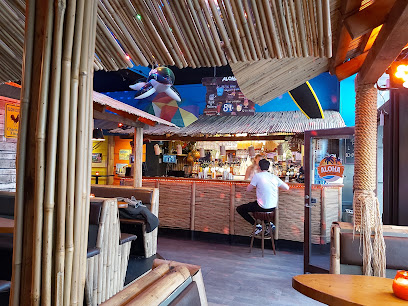
Island-inspired cocktails, neon glow and late-night party vibes packed into a compact tropical bar just off Gothersgade in central Copenhagen.
1105
0.3 km
Intimate, dimly lit cocktail bar in Copenhagen’s 1105 postcode, pairing dark, elegant interiors with carefully crafted Nordic-inspired drinks and classic mixes.
The Moose
0.4 km
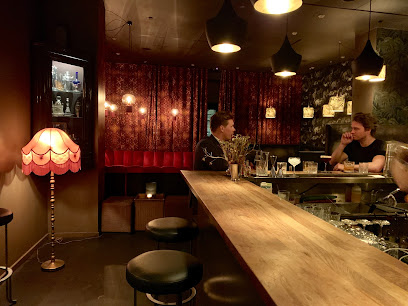
Graffiti-plastered walls, infamous moose murals and cheap late-night beers make this smoky Indre By dive bar a gritty, unpolished slice of Copenhagen nightlife.
Charlie's Bar
0.4 km
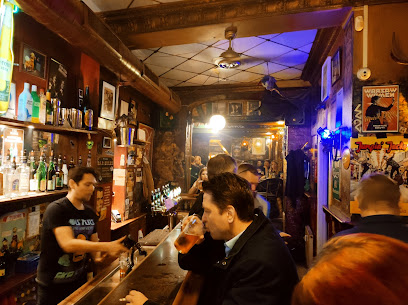
Discover the enchanting atmosphere of Charlie's Bar, a cozy haven in Copenhagen offering a diverse drink selection and a vibrant local vibe.
K-Bar
0.4 km
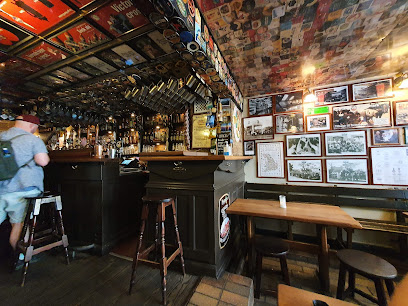
Intimate harbourfront cocktail den in central Copenhagen, known for monochrome style, inventive infusions and quietly confident classics poured with real care.
Trykbar
0.5 km
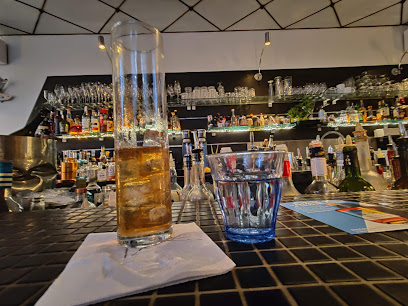
Cosy, central Copenhagen bar with a strong beer list, warm lighting and a laid-back, inclusive atmosphere that blends hygge with lively late-night energy.
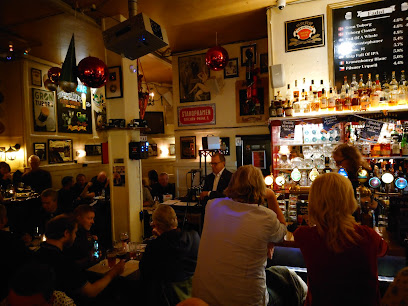
The Dubliner
0.5 km
Lively Irish pub energy on Copenhagen’s Amagertorv, serving hearty pub classics, well-poured pints, live music and big-screen sport in a cosy, wood-lined setting.
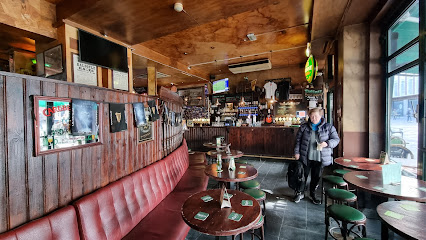
Bo-Bi Bar
0.5 km
Experience the vibrant nightlife of Copenhagen at Bo-Bi Bar, where delightful drinks and a welcoming atmosphere await.
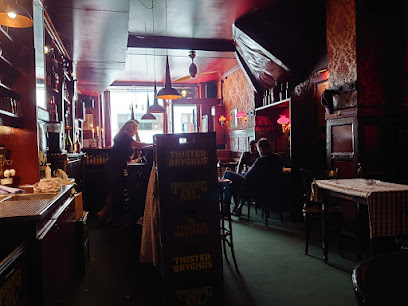
Balderdash
0.5 km
Copenhagen’s candlelit cocktail laboratory in a 1732 townhouse, where hygge, art and daring seasonal drinks turn a quiet side street into an unforgettable night out.
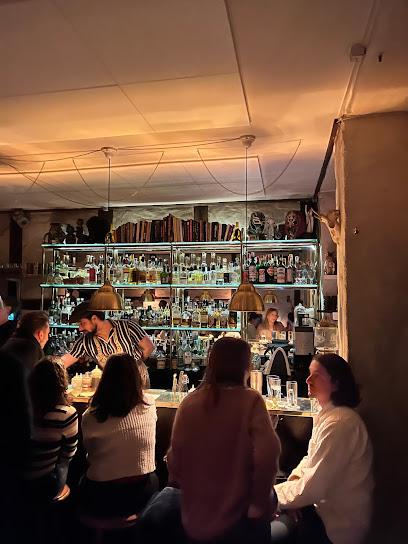
The Bird and The Churchkey
0.6 km
Discover the vibrant atmosphere of The Bird and The Churchkey, a must-visit bar in Copenhagen for craft beer and creative cocktails.
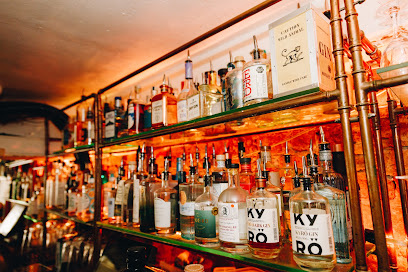
Gejser Bar
0.6 km
Craft cocktails and Mediterranean cuisine in Copenhagen's most welcoming sophisticated bar.
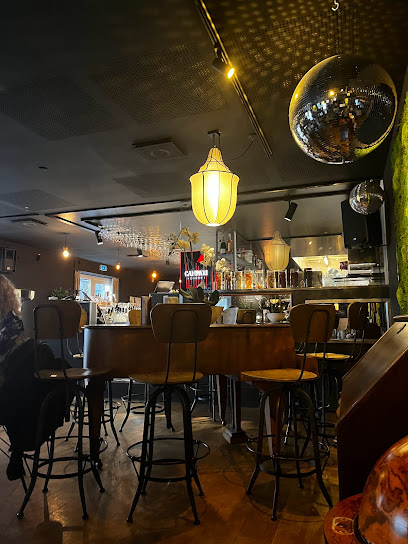
Nightclubs & after hour spots

Lusso
0.2 km
A compact, high-end Copenhagen nightclub with champagne-forward table service, dim lighting and a stylish late-night crowd just steps from Kongens Nytorv.
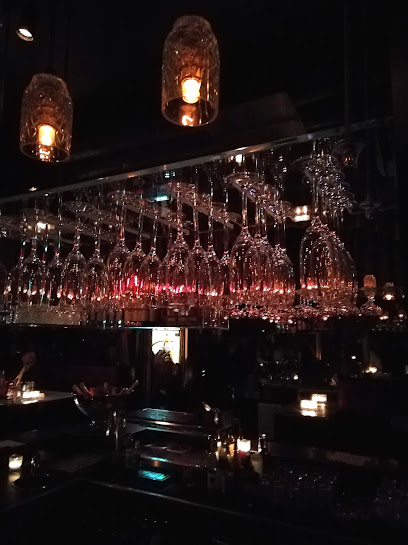
The Zoo
0.4 km
Intimate late-night nightclub on Sværtegade in Copenhagen’s historic center, blending a compact dance floor, DJ-driven beats and a casual, social bar atmosphere.
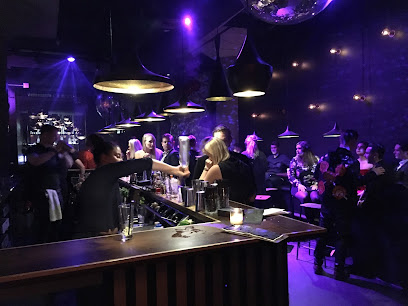
Mini Bar
0.4 km
Discover the vibrant nightlife of Copenhagen at Mini Bar, a premier night club offering eclectic tunes and a lively atmosphere for unforgettable nights.
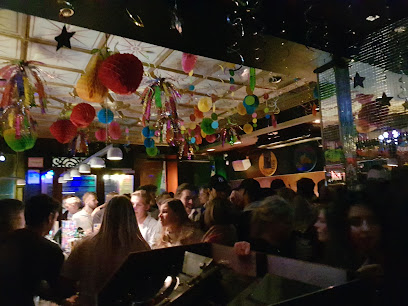
Culture Box
0.8 km
Discover the heartbeat of Copenhagen's nightlife at Culture Box, where music, art, and dance create an unforgettable experience.
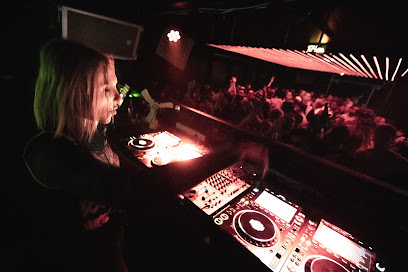
Chateau Motel
0.8 km
Discover the lively nightlife of Copenhagen at Chateau Motel, a top destination for cocktails and dancing in a vibrant atmosphere.
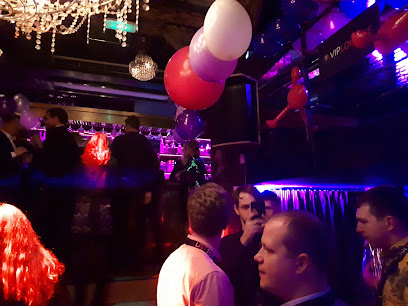
Hive
0.8 km
Copenhagen's premier high-end nightclub with cutting-edge design, VIP service, and immersive themed experiences.
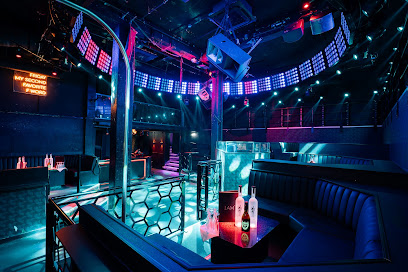
Rumors
0.9 km
Discover the heart of Copenhagen's nightlife at Rumors, where energetic vibes and unforgettable nights await you.
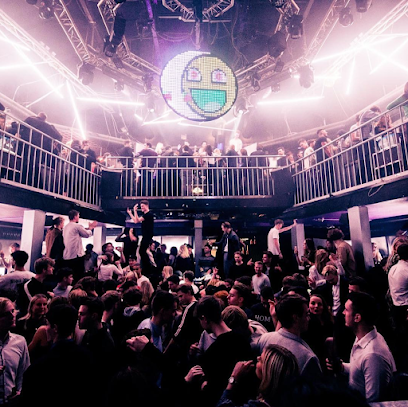
Mirror
0.9 km
Dive into the heart of Copenhagen's nightlife at Mirror, where the rhythm never stops and unforgettable memories are made.
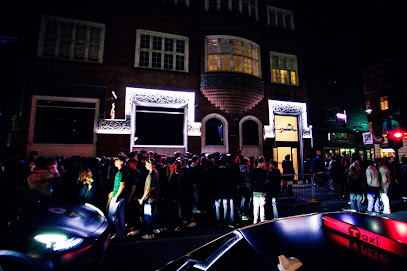
Miami Bar
0.9 km
Discover Copenhagen's nightlife at Miami Bar, where cocktails and dancing create unforgettable nights in a vibrant atmosphere.
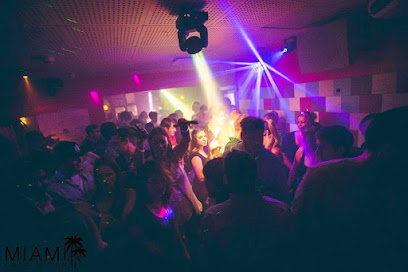
La Terraza
1.0 km
Compact nightclub on Studiestræde in Copenhagen’s old town, offering loud beats, straightforward drinks and an unpretentious late-night dance floor.
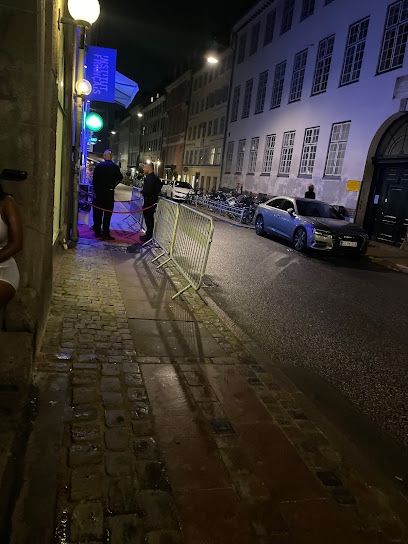
Arch
1.0 km
Discover the vibrant nightlife of Copenhagen at Arch, a premier night club offering electrifying music and an unforgettable atmosphere.
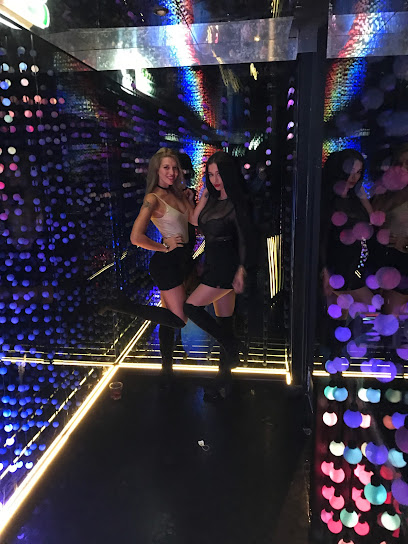
Mirage
1.0 km
Dive into the electrifying nightlife at Mirage, Copenhagen's premier night club for an unforgettable evening of music, dancing, and entertainment.

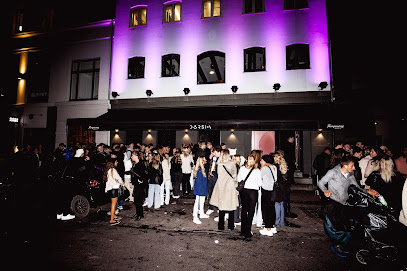
Dorsia
1.0 km
Central Copenhagen nightclub with late‑night DJs, cocktails and an image‑conscious crowd packed into a dark, modern interior off busy Kattesundet.
Club Mambo
1.0 km
Experience the energetic nightlife of Copenhagen at Club Mambo, a vibrant night club offering salsa dancing, cocktails, and delicious dining.
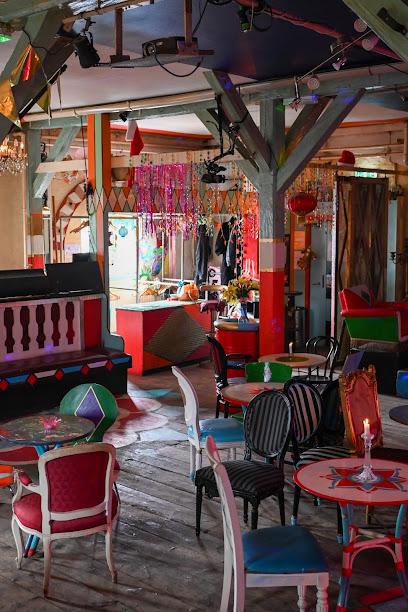
Operaen
1.0 km
Compact harbourfront nightclub near Copenhagen’s modern opera house, mixing DJ-driven beats, local crowds and late-night energy by the inner-city waterfront.
For the vibe & atmosphere seeker
- Scenic
- Lively
- Entertaining
- Unique
- Casual
- Romantic
For the design and aesthetic lover
- Modern Designs
- Vintage Styles
- Minimalist Designs
For the architecture buff
- Historic
- Modern
- Landmarks
- Art & Design
- Viewpoints
- Heritage Neighborhoods
For the view chaser and sunset hunter
- Iconic Views
- Panoramas
- Waterfront
- Sunset Spots
For the social media creator & influencer
- Instagrammable
- Photo Spots
- Selfie Spots
- Aesthetic Corners
- Reel-Friendly
- Architectural Shots
For the eco-conscious traveler
- Public-Transport Accessible
- Low Impact
- Car-Free Access
For the kind of experience you’re after
- Cultural Heritage
- Photowalk
- Adventure Photo Shoot
- Day Trip
For how adventurous you want the journey to be
- Easy Access
Location Audience
- Family Friendly
- Senior Friendly
- Child Friendly
- Teen Friendly
- Wheelchair Access
- Solo Friendly
- Couple Friendly
- Solo Female Friendly
- Business Friendly
- LGBT Friendly


