
Operaen, North Zealand Travel Guide
A bold harbourside opera house of gold, glass and limestone, Operaen pairs world‑class performance spaces with sweeping views across Copenhagen’s historic waterfront.
Rising from Copenhagen’s harbour like a sleek modern ship, Operaen is the Royal Danish Opera House and one of Denmark’s most striking contemporary landmarks. Clad in pale limestone and glass, with a vast cantilevered roof and golden auditorium within, it blends cutting‑edge stage technology with bold Scandinavian design. Even without a ticket, wandering the waterfront terraces and nearby park reveals sweeping views across the water to Amalienborg Palace and the city skyline.
A brief summary to Operaen
- Psyak 61C, Copenhagen, Indre By, 1440, DK
- Duration: 1 to 3 hours
- Mid ranged
-
 Mixed
Mixed
- Mobile reception: 5 out of 5

Know before you go
Hi, I'm Eve. Here are a few practical things to know before exploring Operaen.
- Arrive early for evening performances to explore the foyer art, admire the gold‑leaf ceiling and enjoy harbour views before the auditorium doors open.
- Bring a camera or phone with plenty of battery: the axial view across the water toward Amalienborg Palace and the Marble Church is especially striking at dusk.
- Check in advance for guided tours; they are often the easiest way to see backstage areas and learn about the building’s architecture and stage technology.
- Combine a visit with time in Operaparken next door, where you can sit among greenery or grab a drink at the greenhouse café between exploring the building and the waterfront.
Do you manage this location?
Take control to get all the benefits, like improved information, better appearance, and stronger visibility across AI-powered discovery. Learn more about listing your business on Evendo
Activate your presenceOther nearby places you may find interesting
The closest places of the same kind, if this one is not quite what you had in mind.

Explore Operaen on the Map
A handpicked selection of must-see spots near Operaen, mapped for you.
Unlock the Best of Operaen
Buy tickets
-
No tickets available
Book tours with entry

Book tours without entry
-
No tours available
Getting There
-
Harbour bus
From central Copenhagen near Nyhavn and Kongens Nytorv, the harbour buses serve the stop closest to Operaen in roughly 10–20 minutes, depending on the route and intermediate stops. Services typically run every 15–30 minutes during the day and early evening. A standard city zone ticket or travel card is valid, with single fares usually in the range of 20–30 DKK. Harbour buses are step-free but can be affected by severe weather, so checking the latest timetable on the day of travel is advisable.
-
City bus
Several regular buses operate between central Copenhagen and the Holmen area near Operaen, with typical journey times of 15–25 minutes from hubs such as the City Hall area or Nørreport, depending on traffic. A single journey on city buses usually costs around 20–30 DKK if you purchase a ticket or use a travel card. Buses generally offer low-floor access suitable for wheelchairs and strollers. Services are frequent during the day and early evening but may run less often late at night.
-
Taxi or rideshare
A taxi from central Copenhagen districts such as Indre By or Vesterbro to Operaen typically takes 10–20 minutes outside peak traffic periods. Fares commonly fall in the range of 120–220 DKK depending on distance, traffic and time of day. Taxis can usually drop passengers near the main entrance, which is convenient for those with limited mobility. At busy performance times, allow extra time for reaching the site and finding a vehicle after the show.
-
Walking and cycling
From central areas such as Kongens Nytorv, walking to the opera house via the harbourfront and pedestrian bridges typically takes 20–35 minutes at a moderate pace. The route is largely flat but can be exposed to wind and weather, so a warm layer and rain protection are useful in colder months. Cycling is a popular alternative, taking about 10–15 minutes from central districts using Copenhagen’s extensive bike lanes. Public bikes and many hotels’ rental bicycles provide flexible access, but remember to park only in designated areas around the building and nearby park.
For the on-the-go comforts that matter to you
-
 Restrooms
-
 Drink Options
-
 Drinking Water
-
 Food Options
-
 Seating Areas
-
 Sheltered Areas
-
 Trash Bins
-
 Information Boards
-
 Visitor Center
Discover more about Operaen
A sculptural icon on Copenhagen’s waterfront
Operaen, the Royal Danish Opera House, commands a prime position on Holmen directly opposite Amalienborg Palace, its broad steps and terraces cascading down to the harbour. The building’s defining feature is its dramatic cantilevered roof, which projects far over the glass-fronted foyer like the brim of an enormous hat and gives the structure a ship‑like silhouette when viewed from across the water.Covering around 41,000 square metres over fourteen levels, five of them below ground, the complex feels more like a self-contained cultural quarter than a single venue. Jura limestone from southern Germany wraps the exterior, while huge panes of glass frame views back to the historic city centre, creating a vivid contrast between old Copenhagen and this very contemporary stage for the national opera company.Gold, marble and meticulous Danish craftsmanship
Step inside the foyer and the mood shifts from cool harbour light to warm, tactile surfaces. Sicilian Perlatino marble underfoot and sweeping staircases lead the eye upwards, while the curved wall of the main auditorium glows with pale maple wood. Above the seats, the ceiling is clad with more than one hundred thousand sheets of 24‑carat gold leaf, a shimmering canopy that subtly catches the stage light.Danish artists have left their mark throughout the building. Bronze reliefs by Per Kirkeby animate the stone, and large-scale light installations by Olafur Eliasson add a theatrical play of colour and reflection to the foyer spaces. Even if you are not attending a performance, the interplay of materials, artworks and harbour views makes lingering in the public areas rewarding in its own right.Stages, acoustics and life behind the curtain
At the heart of Operaen lies the main auditorium, seating around 1,400 spectators in a horseshoe configuration designed for intimacy and clarity of sound. State-of-the-art acoustics and stage technology support everything from grand opera to ballet, with a movable ballet floor, sophisticated stage elevators and complex lighting rigs hidden behind the apparent simplicity of the hall.Behind the main stage, a cluster of additional stages and rehearsal rooms supports daily productions. Several of these spaces match the size of the primary stage, allowing full-scale rehearsals without interrupting the performance schedule. Guided tours, when offered, reveal costume workshops, technical areas and rehearsal stages, giving a sense of the logistical operation that underpins each evening’s performance.Harbour vistas, parks and the surrounding quarter
Operaen’s setting is as carefully composed as its interiors. Broad plazas and steps form informal viewing platforms over the harbour, ideal for watching boats slip past or the sun sink behind the palace domes and church spires on the opposite shore. The open edges and low parapets maintain a strong connection to the water, reinforcing the maritime character of Copenhagen.Immediately beside the building, Operaparken provides a green counterpoint of lawns, paths and planting beds, layered above an underground car park. The park’s planting draws inspiration from different landscapes, offering sheltered corners, benches and a greenhouse café that softens the hard edges of stone and steel. On performance evenings, the area fills with a gentle buzz as people drift between the park, the foyer bars and the water’s edge.Experiencing Operaen as a visitor
For performance nights, the building comes fully alive: foyers glow, bars and cloakrooms hum with conversation, and the broad staircases become elegant meeting points before the curtain rises. Even if your visit is limited to a daytime walk, you can explore the exterior terraces, peer into the glass façade and appreciate the building as part of the wider harbour landscape.Photographers are drawn to Operaen’s clean lines, reflections on the water and the axial view towards the Marble Church across the harbour. Architecture enthusiasts, meanwhile, will find it a compelling study in how a national cultural institution can project confidence and modernity while staying firmly rooted in its urban and historical context.












Your all‑in‑one travel companion app
Explore expert travel guides, compare and book tours, experiences, hotels, and more—all from the palm of your hand. Download now for seamless trip planning wherever your wanderlust takes you.


Explore More of North Zealand
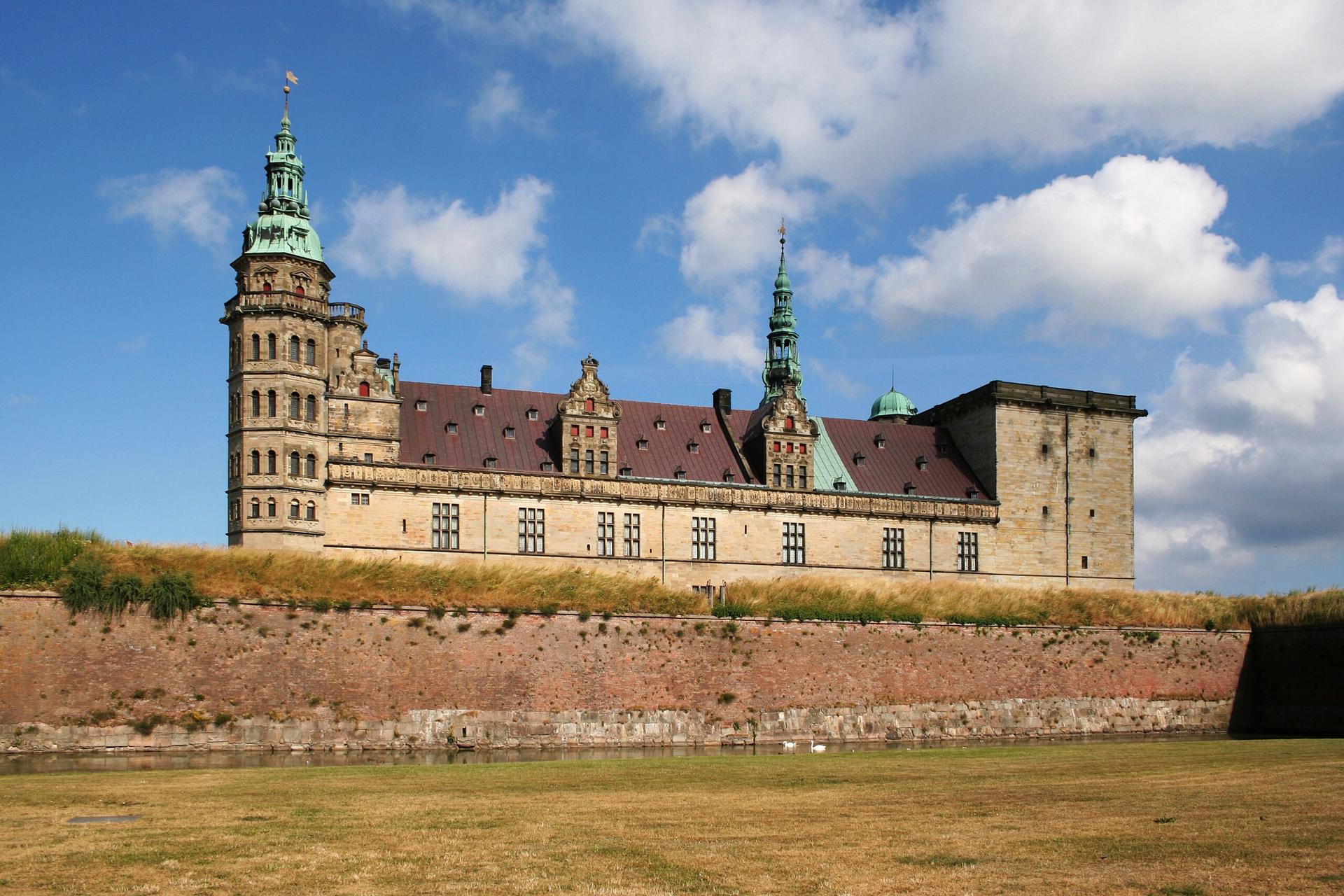
Looking beyond Operaen? Discover North Zealand for broader travel guides, local hot-spots, and regional highlights.
Explore North Zealand