Christianshavns Kanal, Koge Travel Guide
Historic waterway where 400 years of maritime heritage meets contemporary creativity in Copenhagen's most cinematic district.
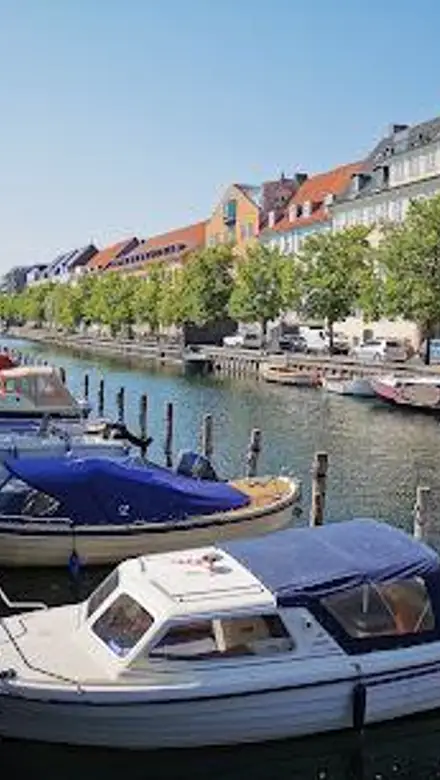
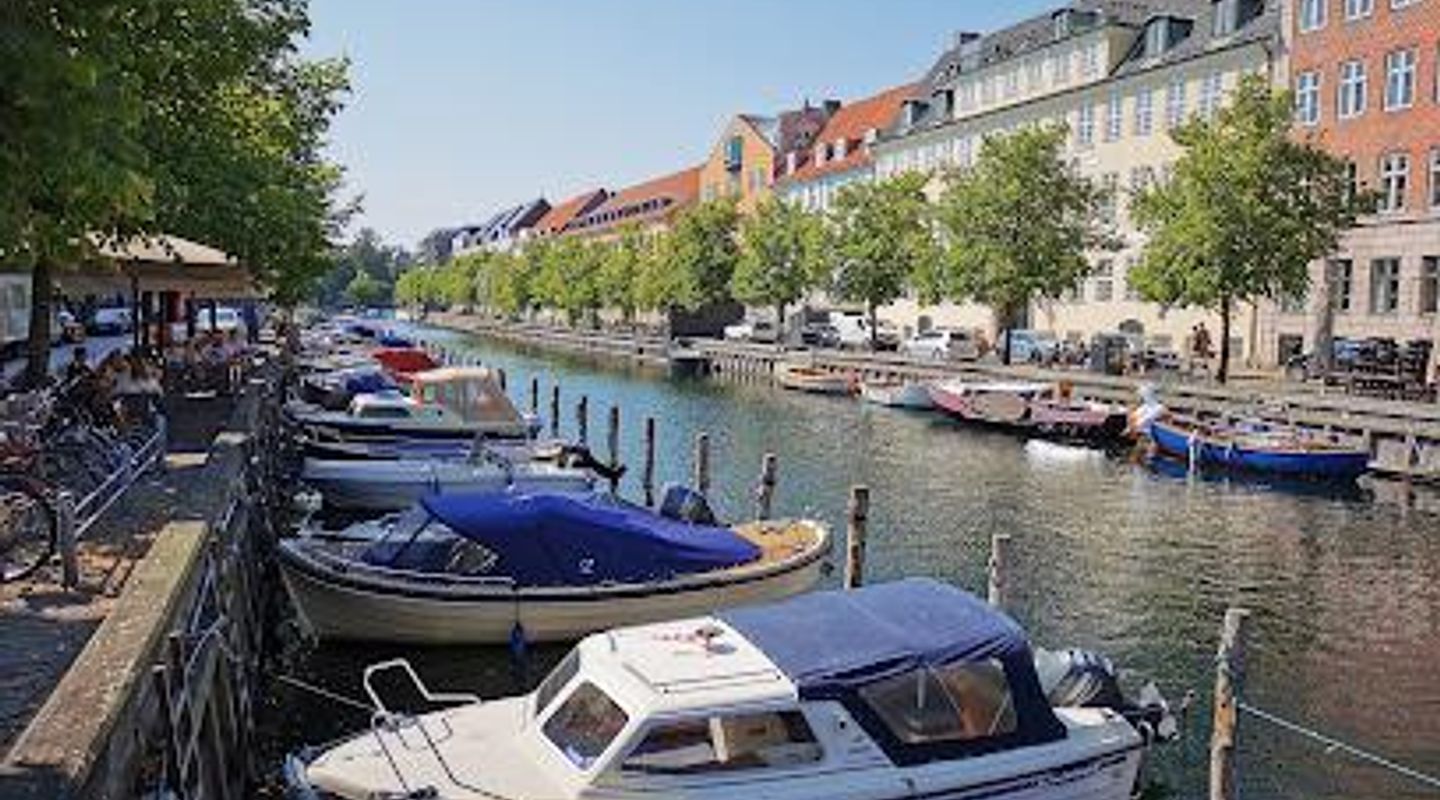
A picturesque 17th-century canal running through Copenhagen's historic Christianshavn district, lined with pastel-colored warehouses, houseboats, and the striking Circle Bridge. Founded by King Christian IV as a Dutch-inspired merchant quarter, the canal remains a living waterway where centuries of maritime heritage blend seamlessly with contemporary urban life, offering visitors an intimate glimpse into Copenhagen's creative soul.
A brief summary to Christianshavns Kanal
- Copenhagen Municipality, Indre By, DK
- Duration: 1 to 3 hours
- Free
-
 Outdoor
- Mobile reception: 5 out of 5

Know before you go
Hi, I'm Eve. Here are a few practical things to know before exploring Christianshavns Kanal.
- Visit during golden hour at sunset when lanterns begin to flicker on houseboat decks and the light reflects beautifully off the water, creating the most photogenic conditions.
- Walk slowly across Cirkelbroen (Circle Bridge) and pause on each circular platform to observe the surrounding architecture and water—the bridge is designed to encourage contemplation rather than speed.
- Explore the canal-side streets Overgaden oven Vandet and Overgaden neden Vandet on foot to discover local galleries, cafés, and shops housed in historic warehouses.
- Consider a guided boat tour to experience the canal from the water and learn about its maritime history while observing the houseboats and ecosystem up close.
- Visit the Royal Danish Naval Museum in Søkvæsthuset to deepen your understanding of Copenhagen's naval heritage and the canal's role in the city's maritime past.
Do you manage this location?
Take control to get all the benefits, like improved information, better appearance, and stronger visibility across AI-powered discovery. Learn more about listing your business on Evendo
Activate your presenceOther nearby places you may find interesting
The closest places of the same kind, if this one is not quite what you had in mind.
Explore Christianshavns Kanal on the Map
A handpicked selection of must-see spots near Christianshavns Kanal, mapped for you.
Unlock the Best of Christianshavns Kanal
Buy tickets
-
No tickets available
Book tours with entry

Book tours without entry
-
No tours available
Getting There
-
Metro
Take the Copenhagen Metro Line M1 or M2 toward Vestamager or Lufthavnen. Exit at Christianshavn Station. From the station, walk approximately 5–8 minutes northwest to reach the canal. Travel time from central Copenhagen is typically 5–10 minutes depending on your starting point. Metro operates 24 hours daily with frequent service (every 3–6 minutes during peak hours, every 15 minutes late night). Single ticket costs approximately 24 DKK (3.20 EUR) for zones 1–2.
-
Bicycle
Copenhagen's extensive cycling infrastructure makes this an ideal option. Rent a bike from one of many rental stations throughout the city (approximately 80 DKK or 11 EUR per day). Cycle to Christianshavn via the dedicated bike lanes; the route is flat and well-marked. Travel time from Nyhavn or the city center is approximately 10–15 minutes. Bike parking is abundant along the canal.
-
Walking
If staying in central Copenhagen (Nyhavn, Strøget, or Kongens Nytorv), walk across Knippelsbro bridge, which connects directly to Christianshavn. The walk takes approximately 15–20 minutes and offers scenic views of the harbor. The route is flat and pedestrian-friendly with clear signage.
-
Harbor Tour Boat
Several companies operate canal and harbor tours departing from Nyhavn and other central locations. These boats navigate directly into Christianshavns Kanal, allowing you to experience the waterway from the water itself. Tours typically last 45–60 minutes and cost approximately 80–120 DKK (11–16 EUR). Departures run hourly during peak season and every 2–3 hours in winter.
For the on-the-go comforts that matter to you
-
 Food Options
-
 Drink Options
-
 Seating Areas
-
 Information Boards
-
 Restrooms
Discover more about Christianshavns Kanal
A Dutch Dream Realized in Copenhagen
Christianshavns Kanal emerged from the vision of King Christian IV in the early 1600s, who sought to establish a Dutch-style merchant quarter modeled after Amsterdam's celebrated canals. Built by Dutch engineers, the canal was designed to accommodate the tall sailing ships that once arrived from the Baltic, their masts rising majestically above the gabled rooftops. This ambitious project transformed a fortified outpost into a thriving commercial hub, where merchants, soldiers, and traders moved goods across the waters that connected Copenhagen to the wider world.The canal's name reflects its geographical position: "Overgaden oven Vandet" (upper bank) and "Overgaden neden Vandet" (lower bank) run along each side, their names deriving from the German word "Ufer," meaning shore. These streets date back to the original foundation and remain integral to the neighborhood's character today.Four Centuries of Continuous Life
Unlike many historic canals that have become static monuments, Christianshavns Kanal functions as a living waterway in continuous use for over 400 years. The same waters that once carried merchant vessels and military ships now cradle houseboats, kayaks, and tour boats, creating a rare example of urban heritage that evolves without losing its essence. The canal's northern half is particularly noted for its bustling sailing community, where numerous houseboats and sailboats create a dynamic, residential landscape.Beneath the surface, the canal supports a surprising ecosystem of swans, fish, and occasionally harbor seals that wander in from the Øresund Strait—a testament to Copenhagen's successful revitalization of its urban waterways. As twilight falls, lanterns flicker on houseboat decks, and the sounds of clinking glasses and guitar music drift across the water, transforming the canal into an intimate social space where locals and visitors alike gather.Architecture and Bridges Spanning Tradition and Innovation
The canal is crossed by two primary bridges: Børnehusbroen at its midpoint, which forms part of Torvegade, the main thoroughfare connecting the city center to Amager, and Snorrebroen further north. Most notably, the Circle Bridge (Cirkelbroen), designed by renowned artist Olafur Eliasson and completed in 2015, has become an iconic symbol of the canal's blend of heritage and contemporary creativity.Circkelbroen consists of five staggered circular platforms of varying sizes, each topped with a steel mast rising up to twenty-five meters. Thin steel cables extend from these masts to the platform railings, creating a striking visual composition inspired by Eliasson's childhood memories of fishing boats in Iceland. The bridge's zigzag path encourages pedestrians and cyclists to slow their pace, pause, and engage with the space rather than simply traverse it. One section functions as a swing bridge, rotating to allow larger vessels to pass. Lit at night, the bridge attracts approximately 5,000 daily crossings and serves as a meeting place that contributes to a larger pedestrian circle around Copenhagen Harbour.Heritage Buildings and Cultural Institutions
The canal's waterfront is lined with 17th-century warehouses that have been thoughtfully repurposed as galleries, studios, and cultural spaces. Notable buildings include Brøstes Samling, housed in Potter's House (Potters Gård), a building from 1785 that displays local history of Christianshavn. The building's namesake, Thomas Potter, was a Scottish-born entrepreneur who pioneered iron production in Copenhagen, manufacturing pots, nails, anchors, and bullets that were exported to the East and West Indies.Søkvæsthuset, built in 1754 as an orphanage for boys and later converted into a naval hospital, now houses the Royal Danish Naval Museum in its side wing since 1989. These structures embody the canal's transformation from a purely commercial waterway into a cultural and educational destination.The Essence of Copenhagen's Character
Walking along the canal's cobbled edges or drifting through by boat reveals Copenhagen's maritime soul reflected in rippling water. The pastel façades leaning over the canal, the gentle sway of houseboats, and the creative energy of the neighborhood create an unmistakable sense of balance where old Copenhagen meets the modern pulse of contemporary life. The canal doesn't demand attention; it simply exists with quiet confidence, embodying the city's character: calm, reflective, creative, and forever entwined with the sea. Visitors often pair their canal experience with nearby attractions such as Freetown Christiania or the Church of Our Saviour, whose spiral tower offers panoramic views of the canal's elegant geometry.












Your all‑in‑one travel companion app
Explore expert travel guides, compare and book tours, experiences, hotels, and more—all from the palm of your hand. Download now for seamless trip planning wherever your wanderlust takes you.


Explore More of Koge
Looking beyond Christianshavns Kanal? Discover Koge for broader travel guides, local hot-spots, and regional highlights.
Explore Koge