St. Paul’s Church (Sankt Pauls Kirke), Nyboder
Red-brick Neo-Romanesque church anchoring Copenhagen’s historic Nyboder quarter, blending naval heritage, calm interiors and a distinctive neighbourhood skyline.
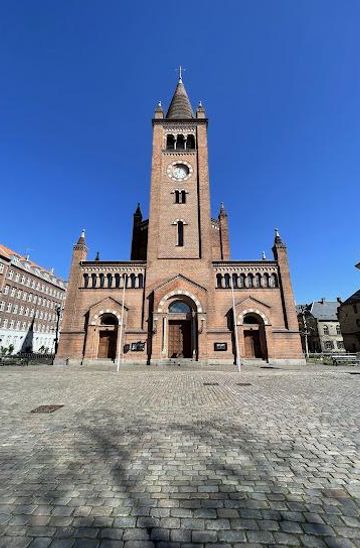
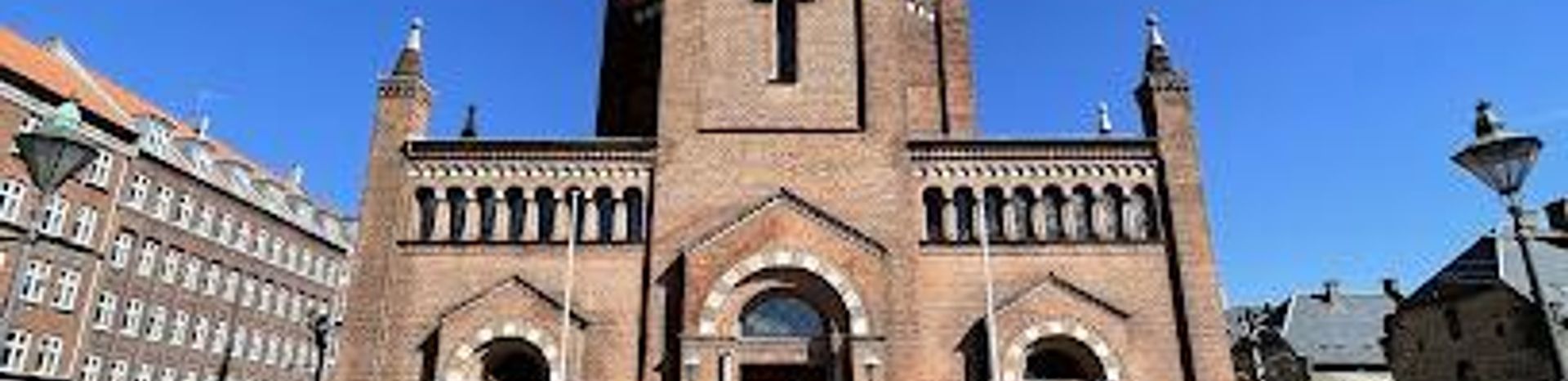
St. Paul’s Church rises in red brick at the heart of Copenhagen’s historic Nyboder quarter, a Lutheran parish church completed in 1877 to serve the naval housing district. Designed by Johannes Emil Gnudtzmann in a striking Neo‑Romanesque style, it anchors the skyline with its tower and spire while forming a picturesque backdrop to Nyboder’s famous yellow terraced houses. Inside, a calm, vaulted space, warm brickwork and soft northern light create a quietly contemplative contrast to the busy city just a few streets away.
A brief summary to St. Paul's Church
- Gernersgade 33, Copenhagen, København K, 1319, DK
- Click to display
- Click to display
- Duration: 0.5 to 1.5 hours
- Free
-
 Indoor
- Mobile reception: 5 out of 5

Know before you go
Hi, I'm Eve. Here are a few practical things to know before exploring St. Paul's Church.
- Combine a visit to the church with a slow walk through Nyboder’s yellow terraced streets; some of the best photos line up the rows of houses with the church tower in the distance.
- Check current opening hours in advance, as access to the interior can vary between regular services, quiet visiting times and occasional concerts.
- Step inside for a few minutes even if you are short on time—the contrast between the busy city outside and the softly lit interior is particularly striking on grey days.
- If you are sensitive to sound, bring earplugs when visiting during advertised concerts or organ rehearsals, as the acoustics amplify music powerfully inside the nave.
Do you manage this location?
Take control to get all the benefits, like improved information, better appearance, and stronger visibility across AI-powered discovery. Learn more
Activate your presence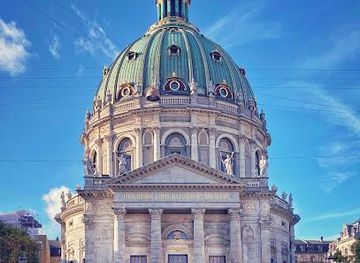

Getting There
-
Metro and short walk
From central Copenhagen, take the M3 or M4 metro to Marmorkirken Station, which usually involves a 5–10 minute ride from major hubs like København H. A pleasant urban walk of roughly 10–15 minutes on generally flat pavements brings you through the Frederiksstaden area into Nyboder. Standard metro tickets within the central zones typically cost around 20–30 DKK and metros run every few minutes throughout the day.
-
City bus from inner Copenhagen
Several city buses run along routes bordering the Nyboder district from central Copenhagen, with typical travel times of 10–20 minutes depending on traffic. Regular single tickets within the city centre generally cost about 20–30 DKK and can be bought via ticket machines or travel apps. Buses offer level boarding at most stops, useful for visitors with limited mobility, but expect short walks on even pavements from the nearest stop to the church.
-
Bicycle from city centre
Copenhagen’s extensive cycle lanes make reaching Nyboder by bike straightforward, with journeys from most central neighbourhoods taking around 10–20 minutes at a moderate pace. You can use city bikes or standard rentals, often priced from about 20–40 DKK per half hour depending on the provider. The terrain is flat and well suited to casual cyclists, though you should be comfortable riding in regular city traffic and observing local cycling etiquette.
-
Taxi from central locations
A taxi ride from key central points such as København H or Rådhuspladsen to the Nyboder area typically takes 10–15 minutes in normal traffic. Fares within the central districts often range from about 120–200 DKK, varying with time of day and traffic conditions. Taxis provide a convenient option if you are carrying luggage or travelling with companions who prefer door-to-door access, though availability can be tighter during peak commuting hours and weekend evenings.
For the on-the-go comforts that matter to you
-
 Restrooms
-
 Seating Areas
-
 Trash Bins
-
 Information Boards
Discover more about St. Paul's Church
A red-brick landmark in the sailors’ quarter
St. Paul’s Church stands at Gernersgade 33 in the Nyboder district, where rows of low, mustard-yellow houses once accommodated generations of Danish naval families. When Nyboder was first laid out in the 17th century, the community had no dedicated parish church of its own. Only in the 1870s, during a wider church-building boom in Copenhagen, was a decision taken to give this long-established quarter its own spiritual and social centre.The building that rose here, consecrated in 1877, quickly became known as Nyboder’s church. Its distinct mass of red brick, topped with a square tower and elegant spire, forms a visual full stop at the end of long, straight streets. From a distance it works as a beacon over the simple navy housing blocks; close up, the warm tones of its masonry echo the earthy hues of the surrounding terraces.Neo-Romanesque forms and Nordic light
Architect Johannes Emil Gnudtzmann drew on Romanesque and Italianate influences, expressed in sturdy walls, semi-circular arches and rhythmic arcades of windows. The exterior mixes decorative brick patterns with stone details, giving depth and shadow to the façades even on overcast days. The tower’s belfry openings, framed by grouped arches, hint at the rich vocabulary of rounded forms repeated throughout the church.Inside, the nave is a study in proportion and atmosphere rather than lavish ornament. Brick piers and arches define a high, vaulted space where whitewashed surfaces catch the light filtering through clear and lightly tinted windows. The eye is led naturally towards the altar, often adorned with candles and modest floral arrangements, reinforcing the impression of a working parish church rather than a grand cathedral.Nyboder stories and a narrowly saved church
For much of its history, St. Paul’s served a population closely tied to the sea: sailors, shipwrights and their families who lived in Nyboder’s compact apartments. Baptisms, weddings and farewells for those heading on long voyages were woven into the routines of naval Copenhagen. As the city changed and the naval presence diminished, the parish shrank and the building began to show its age.In the late 20th century, the church came close to closure when a review of inner-city parishes proposed reducing the number of active churches. Instead of being deconsecrated or repurposed, it was restored and given a new lease of life. That decision preserved a key piece of Nyboder’s layered story, linking the 17th-century naval housing experiment with the 19th-century wave of church construction and today’s evolving city centre.A quiet refuge amid central Copenhagen
Although only a short walk from major sights such as the King’s Garden and the city’s museums, St. Paul’s feels noticeably calmer than the nearby main avenues. Step through the doors and the city noise recedes, replaced by the creak of wooden pews, the faint echo of footsteps on stone and, when services or rehearsals are underway, the resonance of organ and choral music.The church occasionally hosts concerts and community events, but even outside those times it rewards a brief, unhurried stop. Many visitors combine a look inside with a wander through Nyboder’s distinctive grid of yellow terraces, using the church tower as a reference point as they explore the neighbourhood’s narrow streets.Framing the Nyboder cityscape
Seen from different angles around the district, St. Paul’s constantly reshapes the skyline. From some streets it appears as a compact brick mass behind low gabled roofs; from others its spire punctures the horizon with surprising height. Photographers are drawn to the way the church closes long perspectives, especially where straight lines of yellow terraced houses lead the eye directly to its tower.Whether you step inside to sit quietly for a few minutes, study its 19th-century architecture or use it as an anchor while exploring Nyboder, St. Paul’s is less about spectacle and more about context. It is a modest yet characterful church that tells a story of sailors, city planning and the shifting fortunes of Copenhagen’s inner districts.Explore the best of what St. Paul's Church has to offer













More about North Zealand
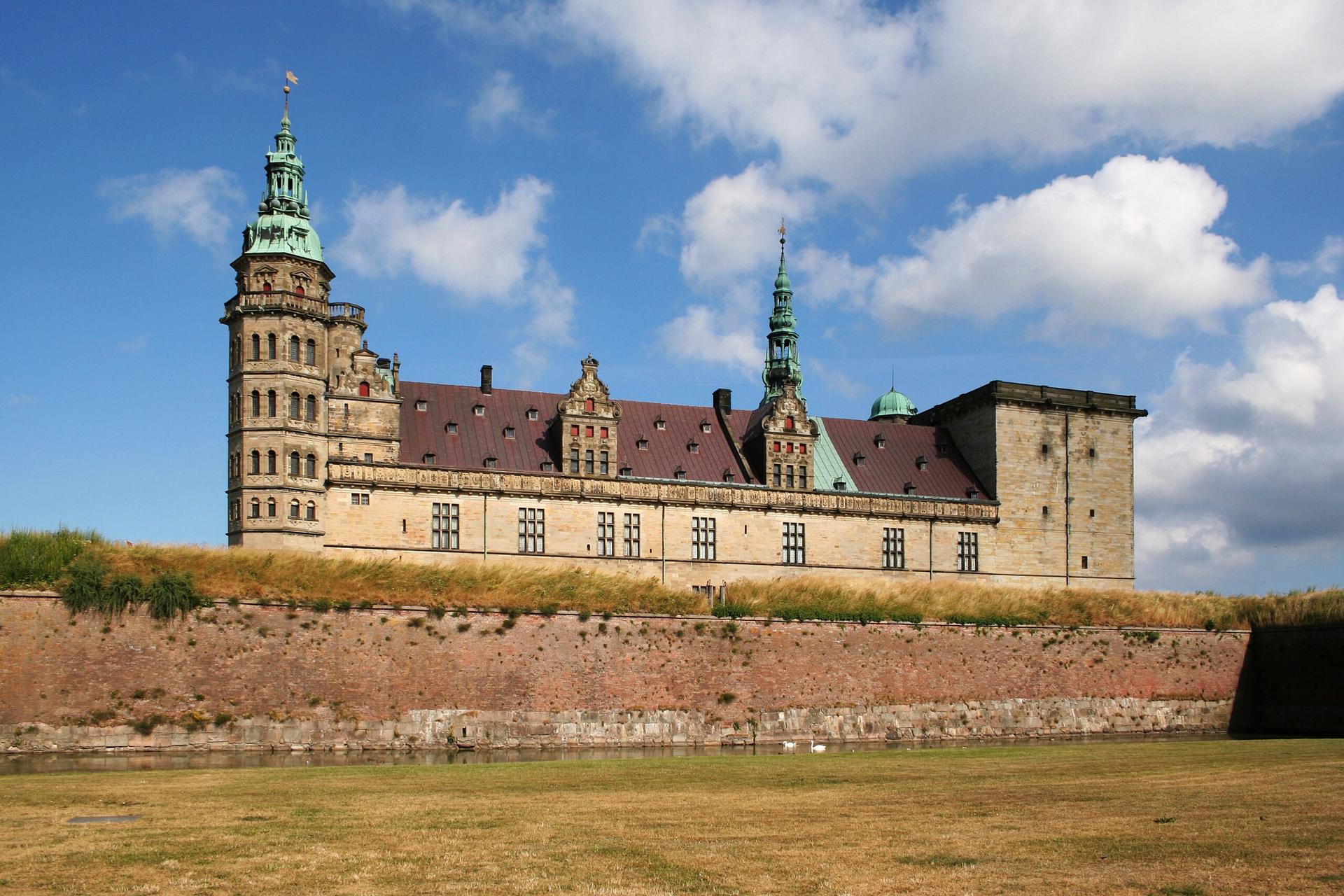
Explore North Zealand, Denmark's enchanting region of castles, beaches, and royal estates, perfect for history buffs, nature enthusiasts, and seaside lovers.
Tell me more about North Zealand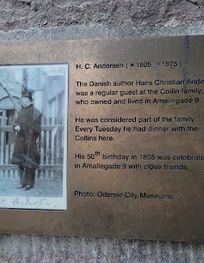
A modest plaque on elegant Amaliegade quietly marks Hans Christian Andersen’s presence amid the formal mansions and palace axis of Copenhagen’s Frederiksstaden.
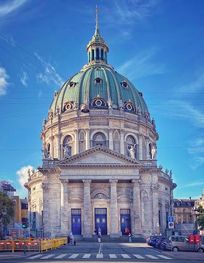
Copenhagen's copper-domed masterpiece—a 145-year architectural journey from ruin to resurrection.