
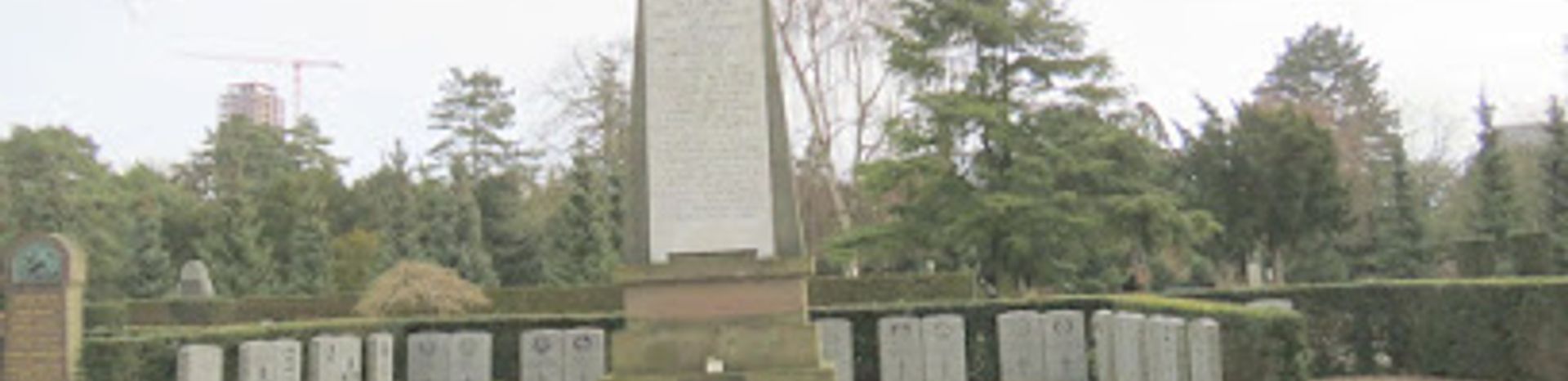
Vestre Cemetery
Scandinavia's largest cemetery: a 54-hectare landscape of history, architecture, and remembrance in Copenhagen.
Vestre Cemetery (Vestre Kirkegård) is Scandinavia's largest cemetery, spanning 54 hectares in Copenhagen's Kongens Enghave district. Opened in 1870 to accommodate the city's growing population, this landscaped park serves as both a burial ground and public green space. The cemetery features distinctive architectural chapels, memorial gardens, and graves of notable Danish figures, alongside Commonwealth war graves and sections dedicated to various cultural and religious communities.
A brief summary to CWGC Krigsgrave, CWGC Graves
- Vestre Kirkegårds Allé 15, Copenhagen, Vesterbro/Kongens Enghave, 2450, DK
- Visit website
- Duration: 1.5 to 4 hours
- Free
-
 Outdoor
- Mobile reception: 4 out of 5
Local tips
- Download the digital guide or QR-code route from Copenhagen Municipality's website before visiting to enhance your understanding of the cemetery's architecture, notable graves, and historical sections.
- Visit the North Chapel near the lake to see the finest architectural example on the grounds, featuring a distinctive four-winged design and prominent spire.
- Explore the Commonwealth War Graves section to pay respects to soldiers from World War I and II, and locate the 1920 memorial monument honoring fallen servicemen.
- The cemetery's vast open lawns and cherry tree-lined paths make it ideal for peaceful walks; visit during mild weather for the most pleasant experience.
- Allow time to discover graves of notable Danish figures, including mathematicians, artists, and former prime ministers clustered around the central lake.

For the on-the-go comforts that matter to you
- Restrooms
- Drinking Water
- Information Boards
- Seating Areas
- Trash Bins
Getting There
-
S-train (Copenhagen Metro)
Take the S-train to Sydhavn, Sjælør, or Valby station, all within walking distance of the cemetery's main entrance. Journey time from central Copenhagen is approximately 10–15 minutes depending on your starting point. The cemetery is located between these stations in the Kongens Enghave district. Service runs frequently throughout the day; single tickets cost approximately 24–36 DKK depending on zones.
-
Bus
Several bus routes serve the cemetery area, including routes 6A and 14, which stop near Vestre Kirkegårds Allé. Travel time from central Copenhagen is typically 20–30 minutes depending on traffic and starting location. Single bus tickets cost approximately 24 DKK within Copenhagen's standard fare zone.
-
Bicycle
Copenhagen's extensive cycling infrastructure makes the cemetery accessible by bike from most city locations. The ride from Nyhavn or central Copenhagen takes approximately 20–30 minutes depending on your route. Bike parking is available near the main entrance. This is a popular option for locals and offers flexibility in exploring the surrounding Valby neighborhood.
-
Car with Parking
Street parking is available along Vestre Kirkegårds Allé and surrounding roads, though availability varies by time and season. There is no dedicated parking lot at the cemetery entrance. Driving from central Copenhagen takes approximately 15–20 minutes depending on traffic. Note that the cemetery is not designed for vehicle traffic within its grounds; visitors must park and enter on foot.
CWGC Krigsgrave, CWGC Graves location weather suitability
-
 Any Weather
-
 Mild Temperatures
Discover more about CWGC Krigsgrave, CWGC Graves
A Monument to Copenhagen's Growth and Urban Planning
Vestre Cemetery was inaugurated on November 2, 1870, as Copenhagen's response to a critical shortage of burial space. The city's rapid population expansion had overwhelmed Assistens Cemetery on Nørrebro, prompting municipal authorities to establish a new, expansive burial ground on the city's southwestern periphery. Designed by architect Hans Jørgen Holm and landscape architect Edvard Glæsel, in collaboration with city engineer Charles Ambt, the cemetery was conceived not merely as a functional burial site but as a carefully planned landscape that would reflect the city's values and aspirations. Initially situated beyond the urban boundary in what was then Valby, the cemetery gradually became integrated into Copenhagen's fabric as the city expanded around it.Architectural Heritage and Designed Spaces
The cemetery's physical form reveals the ambitions of its creators. At its heart lies a Greek cross layout formed by two intersecting axes, originally centered on the South Chapel designed by Holm and completed in 1906. The chapel's central dome now stands as an open pavilion, partly overgrown with ivy, creating an evocative focal point surrounded by tall yew hedges and manicured lawns. Narrow rust-colored paths made of oxidized iron plates run through the cross arms, flanked by rows of cherry trees, while nine-meter-tall rust-colored iron arches mark the terminus of each axis. The North Chapel, also designed by Holm, features a distinctive four-winged structure arranged around a central courtyard with a prominent spire. Holger Jacobsen, who succeeded Holm as the cemetery's resident architect, contributed the East Chapel (1914), though it remained in use for only twelve years. These buildings represent significant examples of early twentieth-century Danish architectural design, blending functional purpose with aesthetic consideration.From Pauper Ground to Pantheon of the Celebrated
In its early decades, Vestre Cemetery served primarily as a burial place for Copenhagen's poor and working classes, a role reflected in its initial unpopularity among the city's affluent residents. However, by the 1990s, it had transformed into the principal cemetery of Copenhagen, attracting burials of prominent figures from industry, philosophy, art, and politics. The cemetery now contains graves of mathematicians, engineers, painters, sculptors, and former prime ministers, whose tombs cluster around the central lake in what locals refer to as a pantheon. This shift from utilitarian necessity to prestigious final resting place mirrors Copenhagen's own social and economic evolution during the nineteenth and twentieth centuries.Layers of History: War, Displacement, and Remembrance
Vestre Cemetery bears witness to some of the darkest chapters of modern European history. Twenty-four Commonwealth war graves from the First World War commemorate British, Canadian, Australian, and Indian soldiers who died in Copenhagen between 1918 and 1919, many succumbing to influenza while returning home from German prisoner-of-war camps. A memorial monument, unveiled in 1920, honors these fallen servicemen. The cemetery also contains approximately 4,643 German graves from the Second World War, including soldiers, refugees, and individuals who served in Nazi organizations. These burials represent a complex and sometimes troubling aspect of the cemetery's role as a repository of historical memory, encompassing both victims and perpetrators of wartime atrocities.Modern Use and Changing Burial Practices
Today, Vestre Cemetery reflects profound shifts in Danish burial customs. Approximately 90 percent of burials now involve cremation rather than traditional interment, a change that has dramatically altered the cemetery's appearance and use. Where once 45,000 grave plots occupied the landscape, only about 10,000 remain in active use, leaving vast expanses of open lawn and garden space. Urn sections, introduced around 1930, include a terrace arrangement with a reflecting pool designed by architect I. P. Andersen. Despite reduced burial activity, the cemetery maintains specialized sections for Faroese, Greenlandic, and Muslim communities, as well as areas dedicated to members of the Salvation Army and other faith traditions, reflecting Copenhagen's multicultural character.A Living Landscape for Contemplation and Strolling
Beyond its function as a burial ground, Vestre Cemetery operates as an important public green space and cultural institution. The landscaped grounds invite visitors to walk among monuments, discover historical narratives, and experience a carefully designed environment that balances horticultural beauty with solemn remembrance. The cemetery offers digital guides, literary audio walks, and QR-code routes that encourage self-directed exploration. Its 54 hectares provide a rare combination of historical depth, architectural interest, and peaceful natural setting within an urban context, making it a destination for those seeking to understand Copenhagen's past and engage with themes of mortality, memory, and civic identity.Iconic landmarks you can’t miss

CWGC Krigsgrave, CWGC Graves
0.0 km
Scandinavia's largest cemetery: a 54-hectare landscape of history, architecture, and remembrance in Copenhagen.
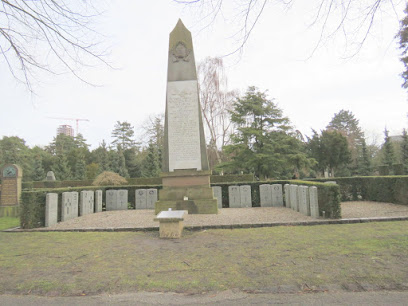
Elefantporten
0.7 km
Four monumental granite elephants carry a historic brewery tower on their backs, blending whimsy, symbolism and industrial heritage in the heart of Carlsberg Byen.
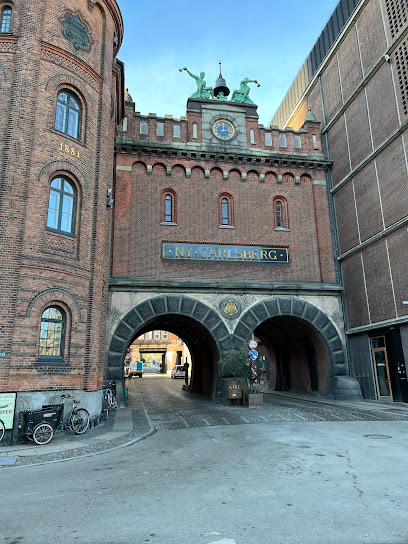
Enghaveparken
1.2 km
Historic art deco park with rose gardens, community events, family-friendly spaces, and a vibrant local atmosphere at the heart of Vesterbro, Copenhagen.
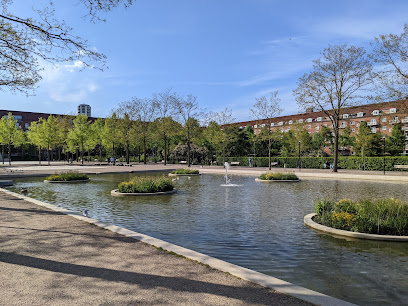
Storm P. Museum
1.4 km
Delve into the world of Danish humor and satirical art at the Storm P. Museum, where whimsical cartoons, eccentric inventions, and cultural history come alive in Frederiksberg.
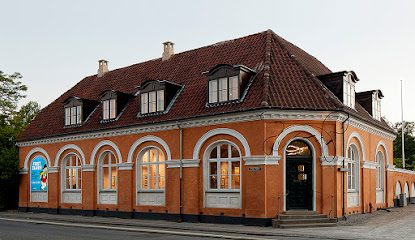
Frederiksbergmuseerne
1.8 km
Explore Frederiksberg's cultural gems: Cisternerne, Bakkehuset, STORM, and Møstings, each offering unique art and history experiences.
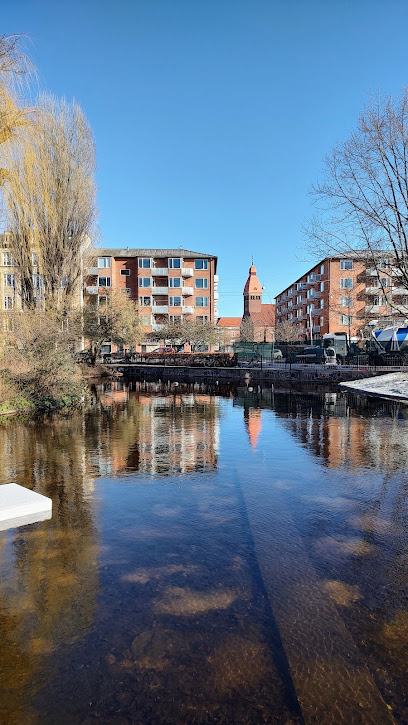
Møstings Hus
1.8 km
Explore contemporary art in a historic neoclassical villa at Møstings Hus, Frederiksberg's cultural gem.
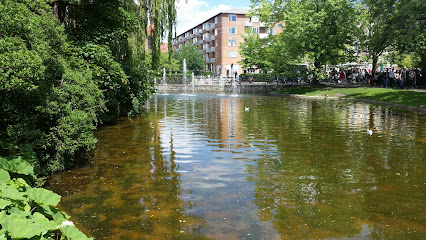
Frederiksberg Town Hall
1.8 km
Brick-clad beacon of Frederiksberg’s independence, this 1950s functionalist town hall blends civic power, mid‑century Danish design and views across leafy Copenhagen.
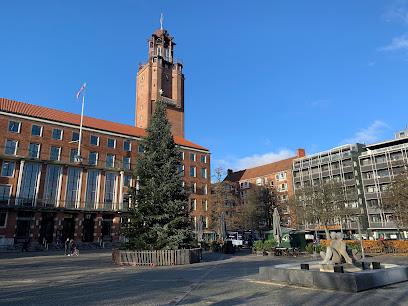
Cykelslangen
2.3 km
An elevated orange ribbon over Copenhagen’s harbor where cyclists glide above the water and visitors glimpse the city’s everyday bicycle culture in motion.
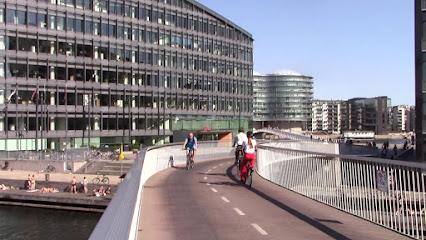
Havneholmen 33
2.5 km
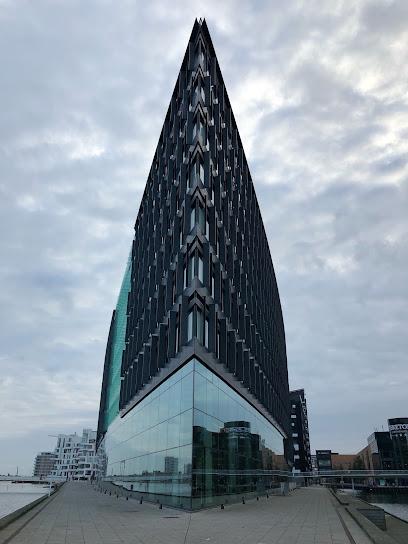
Striking waterfront media headquarters in Copenhagen’s Havneholmen district, where modern Danish office architecture meets busy cycle bridges and harbour life.
Frihedsstøtten
2.7 km
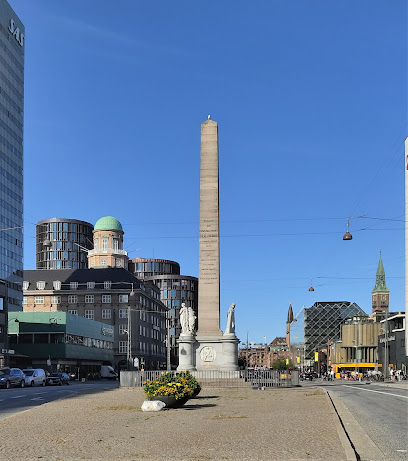
Statuesque tribute to Danish freedom: Frihedsstøtten stands as a majestic milestone marking the abolition of serfdom at the vibrant gateway to Copenhagen's Vesterbro.
Copenhagen Central Station
2.7 km
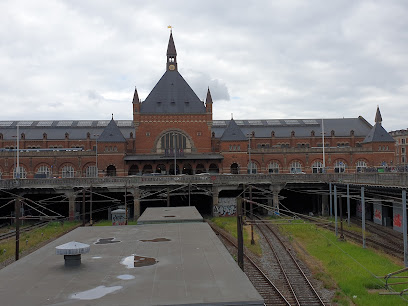
Historic brick-and-timber rail hub at the heart of Copenhagen, combining grand architecture, everyday convenience and instant access to the city’s main sights.
Copenhagen Visitor Service
2.8 km
Central, modern orientation center offering expert advice, resources, and insider tips for exploring Copenhagen’s sights, culture, and neighborhoods.
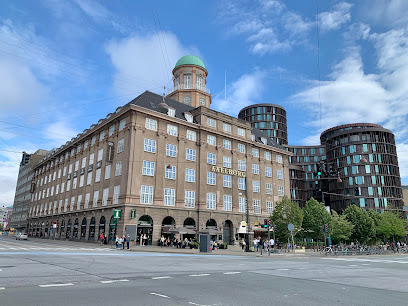
Copenhagen Central Post Building
2.8 km
A majestic neo-Baroque landmark intertwining Denmark’s postal history with Vesterbro’s vibrant urban fabric, located beside Copenhagen’s bustling central railway station.
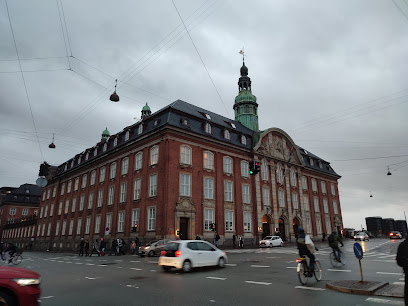
Statue of Andersen
3.1 km
Denmark's beloved storyteller immortalized in bronze, gazing toward Tivoli's magic in Copenhagen's beating heart.
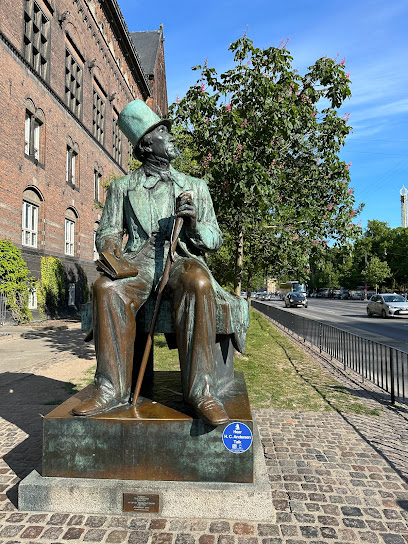
H. C. Andersens Blvd.
3.1 km
A broad, bustling boulevard where Hans Christian Andersen’s legacy meets City Hall Square, Tivoli’s lights, and the everyday pulse of central Copenhagen.
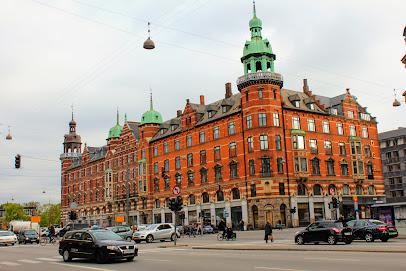
Unmissable attractions to see

The Hill House Museum
0.8 km
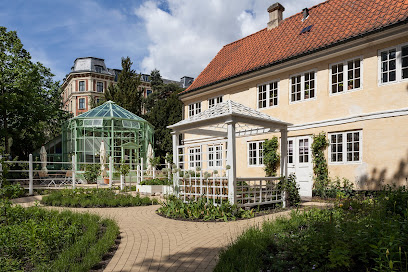
Step into a preserved Danish Golden Age home where intimate rooms, a romantic garden and literary memories of Hans Christian Andersen bring 19th‑century Frederiksberg to life.
Cisterns in Søndermarken
0.8 km
Discover Danish celebrity history and culture under the trees of Frederiksberg Allé, where handprints and names honor the stars of Denmark’s stage and screen.
Søndermarken
0.9 km
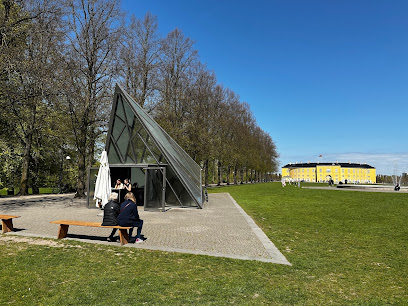
Former royal hunting grounds turned semi-wild city park, Søndermarken blends forested paths, meadows and an underground art world beneath Frederiksberg’s leafy streets.
Copenhagen Zoo
1.1 km
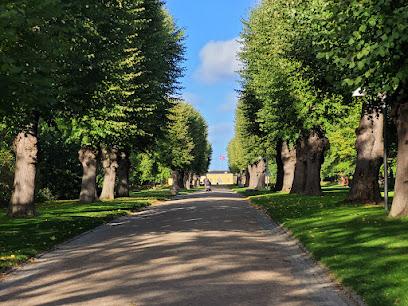
Historic canal in Indre By weaving past royal palaces, stately bridges, and cultural icons—offering tranquil walks and quintessential Copenhagen views.
Frederiksberg Palace
1.1 km
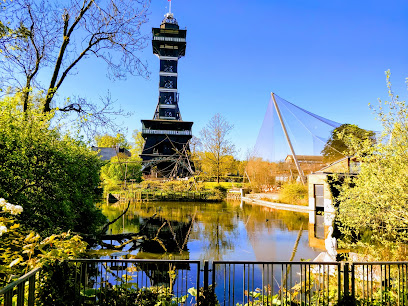
Renaissance splendor, regal treasures, and royal intrigue await within Rosenborg Castle, set amid the enchanting King’s Garden in central Copenhagen.
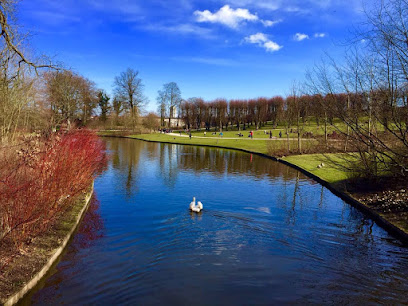
Frederiksberg Gardens
1.4 km
Royal waterways, baroque palaces, and pacifier traditions in Copenhagen's most romantic green escape.
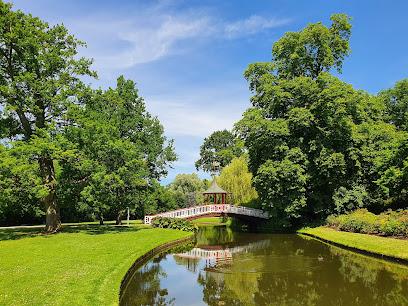
Folkehuset Absalon
1.6 km
Copenhagen's beloved community gathering space where strangers share meals, create art, and build genuine connections.
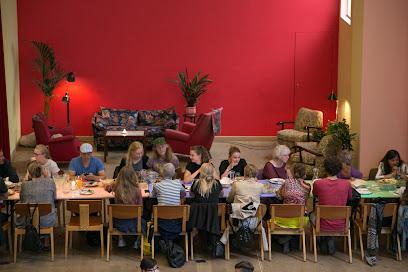
Frederiksberg Walk of Fame
1.6 km
Explore the Frederiksberg Walk of Fame, where Denmark's cultural legends are celebrated along a historic, tree-lined avenue.
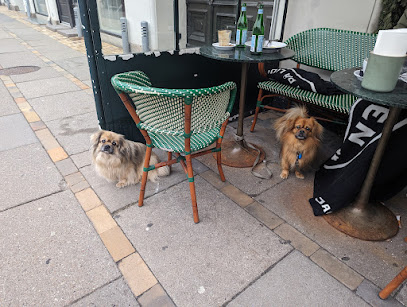
Frederiksberg Allé
1.6 km
Copenhagen’s historic royal boulevard, where linden trees, theatres and elegant facades lead from city bustle to the green calm of Frederiksberg Gardens.
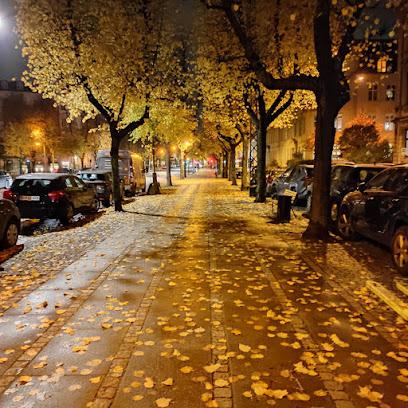
Falkonerbrønden
1.8 km
A star-studded stroll in Copenhagen: the Frederiksberg Walk of Fame celebrates Danish legends along one of the city’s most iconic boulevards.
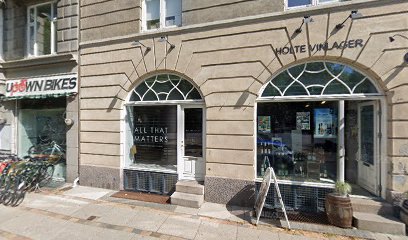
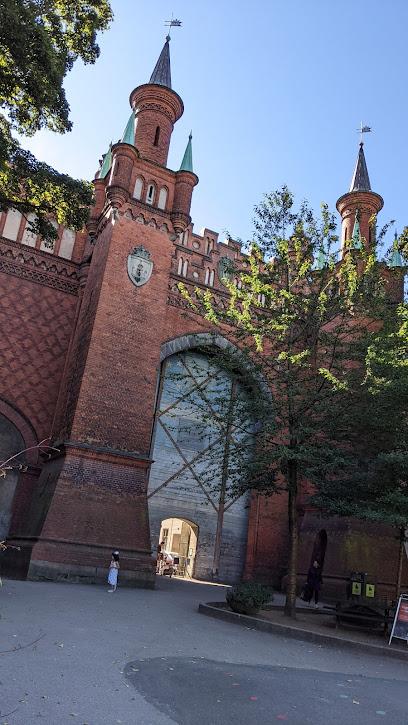
Legepladsen i Skydebanehaven
2.0 km
A colourful staffed playground tucked inside a historic walled park in Vesterbro, where giant parrots, paddling pools and lawns turn old shooting grounds into family fun.
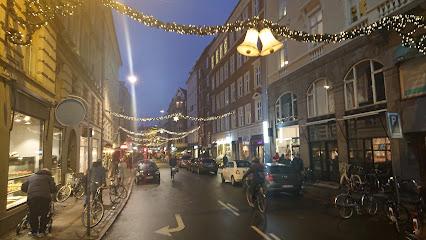
Værnedamsvej
2.0 km
Copenhagen’s “Little Paris”: a short, atmospheric street where historic food shops, French-inflected cafés and design boutiques create an intimate, everyday city buzz.
Fermentoren
2.0 km
Discover Denmark’s maritime legacy at the award-winning M/S Maritime Museum in Helsingør, where innovative architecture meets interactive storytelling and rich seafaring history.
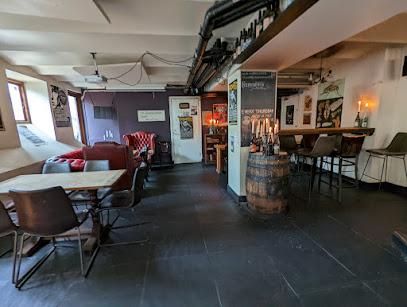
Istedgade
2.1 km
Gritty, creative and endlessly watchable, Istedgade is Vesterbro’s main strip and Copenhagen’s classic showcase of everyday city life with an edge.
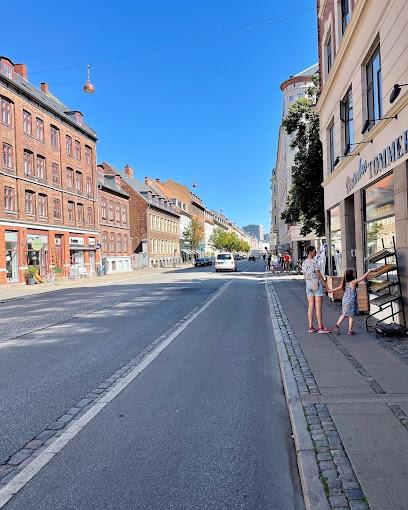
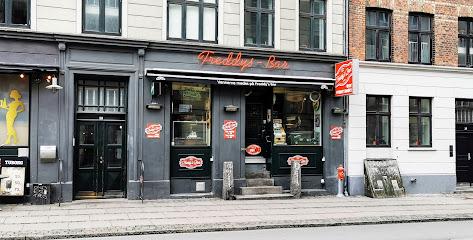
Freddys Bar
2.2 km
Discover Denmark’s maritime heritage and cutting-edge architecture at Helsingør’s award-winning M/S Maritime Museum, set in a stunning subterranean dry dock near Kronborg Castle.
Essential places to dine

Enomania
1.0 km
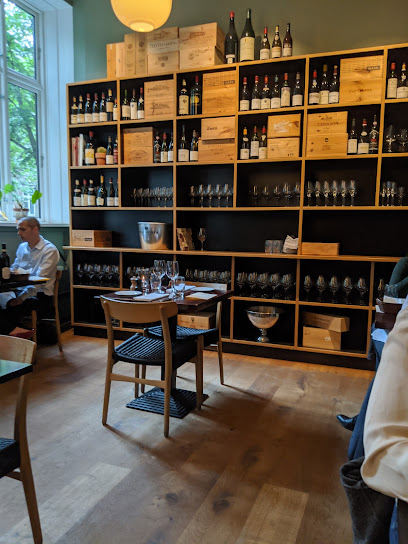
Intimate Italian restaurant in Frederiksberg celebrated for expertly paired wine menus, exceptional Mediterranean cuisine, and an atmospheric, welcoming dining experience.
Hansens Gamle Familiehave
1.2 km
Hansens Gamle Familiehave—a historic Frederiksberg garden restaurant famed for classic Danish cuisine, family-friendly charm, and over 170 years of tradition in scenic surroundings.
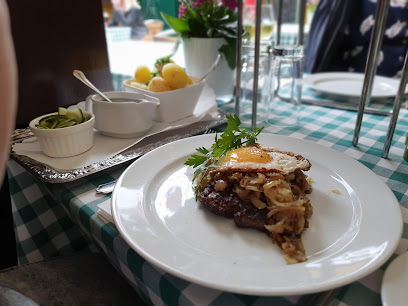
Bevi Bevi
1.6 km
Experience authentic Italian cuisine and exquisite wines at Bevi Bevi, a charming restaurant in the heart of Copenhagen.
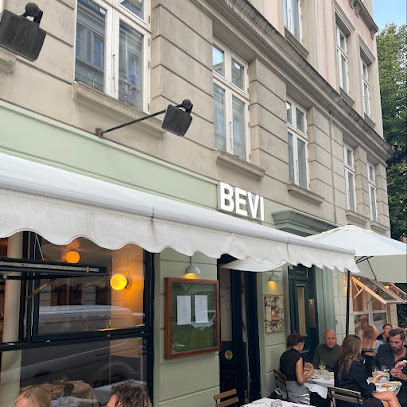
Frederik the VI
1.7 km
Discover culinary delights at Frederik the VI - a vibrant restaurant and pub serving authentic Danish cuisine in Frederiksberg C.
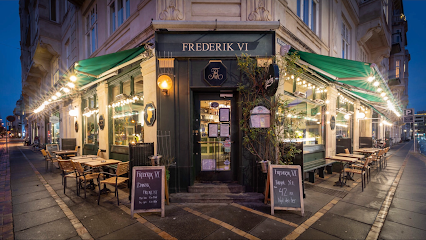
Ewalds Brasserie
1.8 km
Classic Danish-French brasserie in the heart of Frederiksberg, offering seasonal menus, a cozy atmosphere, and stunning garden views for an authentic local dining experience.
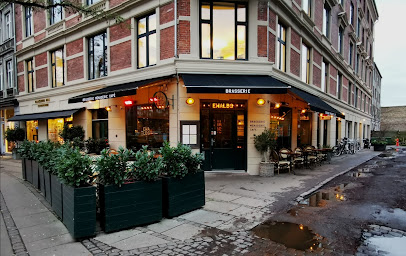
Restaurant Frederiks Have
1.9 km
Frederiksberg’s cherished fine dining hub, blending Nordic tradition with modern cuisine in a welcoming, neighborhood setting—perfect for an authentic Danish gastronomic experience.
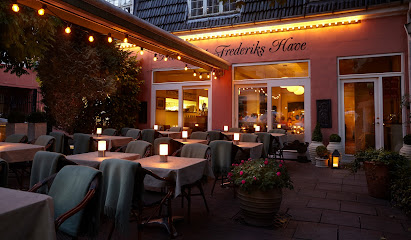
Restaurant Polly København
1.9 km
A modern Nordic brasserie in the heart of Frederiksberg, blending Danish produce, creative cuisine, and relaxed elegance for a memorable city dining experience.
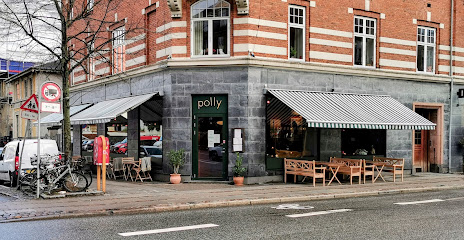
Je t'aime
2.0 km
Intimate Vesterbro bistro where candlelight, classic French dishes and a well‑chosen wine list bring a touch of Paris to a quiet Copenhagen side street.
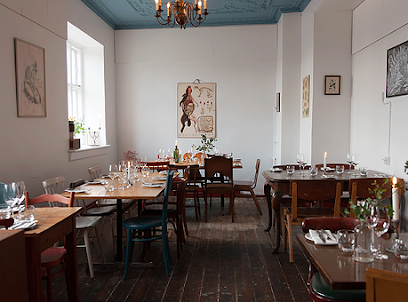
Restaurant Spuntino
2.0 km
Experience authentic Italian cuisine at Restaurant Spuntino in Copenhagen - where flavors meet ambiance for an unforgettable dining experience.
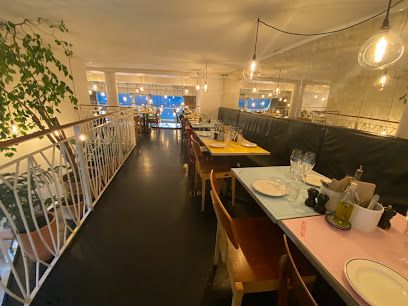
Madklubben Vesterbro
2.1 km
A buzzing, design-forward restaurant in the heart of Vesterbro, known for great value fixed-price menus and a welcoming slice of Copenhagen nightlife.
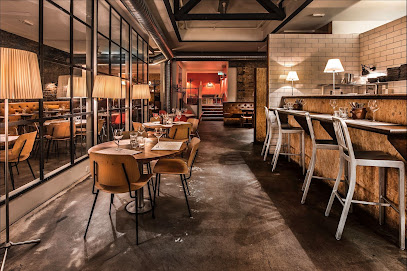
Café Lindevang
2.1 km
A beloved Frederiksberg institution, Café Lindevang serves up hearty Danish classics and authentic smørrebrød in cozy, vintage surroundings steeped in local charm.
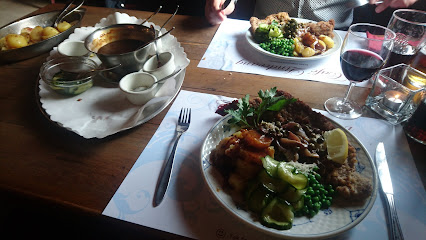
Kødbyens Fiskebar
2.2 km
Industrial-chic seafood in Copenhagen’s former Meatpacking District, where ultra-fresh Nordic fish, natural wines and a buzzing bar scene meet under one concrete roof.
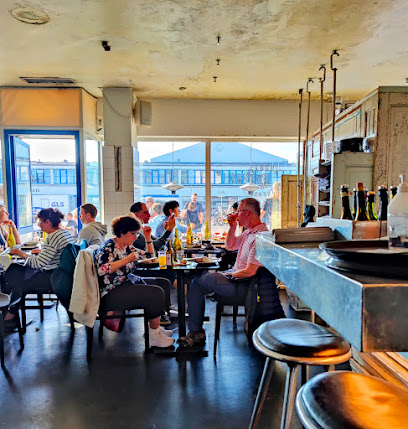
Paté Paté
2.2 km
Paté Paté offers Mediterranean-inspired dining and expertly curated wines in Vesterbro’s Meatpacking District, blending industrial charm with vibrant Copenhagen culinary culture.
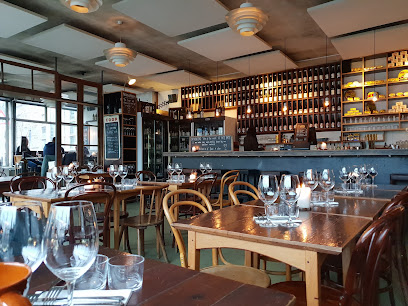
Fleisch
2.2 km
A contemporary restaurant and butcher shop in Copenhagen’s Meatpacking District, Fleisch combines Nordic meat traditions with creative, communal dining in an atmospheric urban setting.
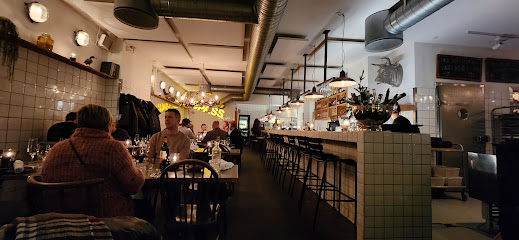
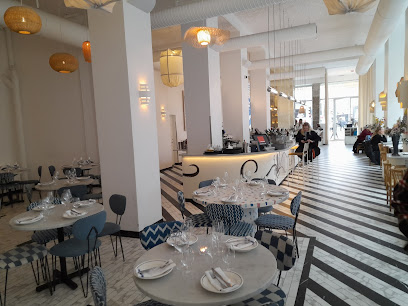
Delphine
2.2 km
Stylish Mediterranean small plates in a visually stunning Vesterbro setting.
Markets, malls and hidden boutiques

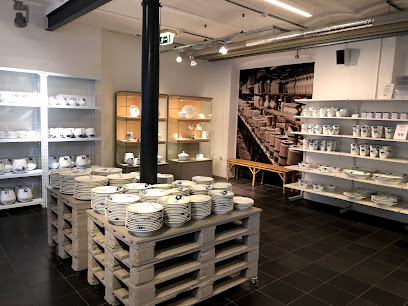
Royal Copenhagen - Outlet
1.8 km
Discover Danish porcelain heritage and timeless design at discounted prices in Frederiksberg’s celebrated Royal Copenhagen Outlet, close to the city’s green heart.
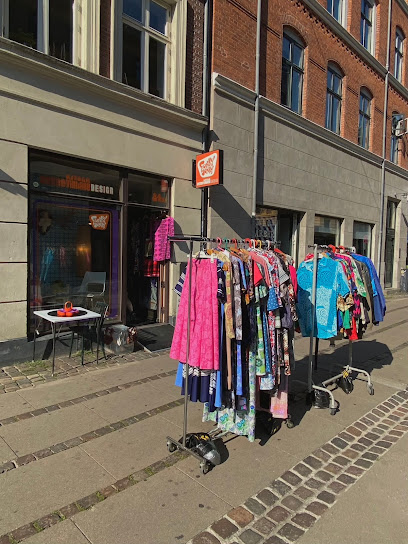
Funky Junky
1.9 km
Discover Vesterbro’s Funky Junky—a vibrant vintage store featuring retro furniture, unique fashion, and Danish design, perfectly reflecting Copenhagen’s creative soul.
Flying Tiger Copenhagen
2.0 km
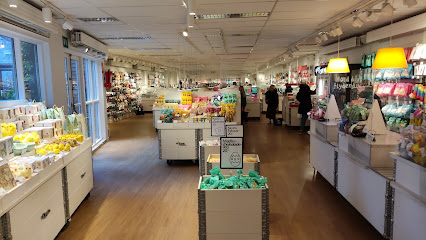
Compact, colorful and full of playful Danish design, this Vesterbrogade shop turns everyday essentials, gifts and games into a fun, low-cost treasure hunt.
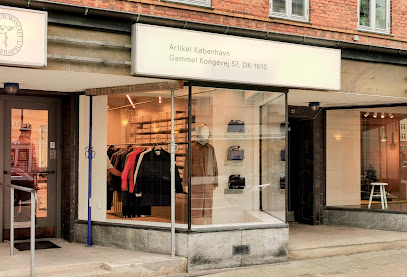
Artikel København
2.1 km
Family-run Copenhagen atelier where timeless, unisex garments are designed, cut and sewn in an open workshop on historic Gammel Kongevej.
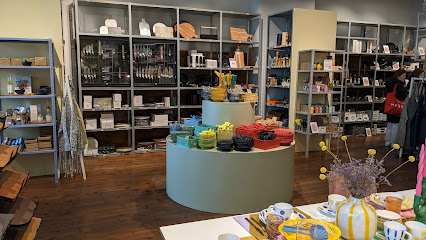
Frederiksberg Centret
2.2 km
Frederiksberg Centret offers a sleek, Scandinavian shopping experience with 90+ stores, cafés, and events in the chic heart of Frederiksberg, steps from the Metro.
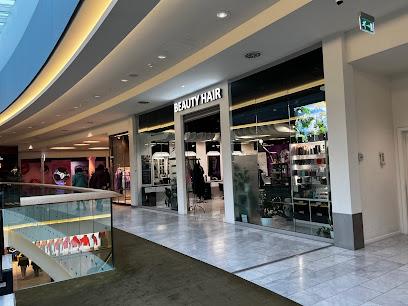
Fisketorvet Copenhagen Mall
2.3 km
Scandinavia's premier shopping destination with 120+ brands, world-class cinema, and waterfront charm.
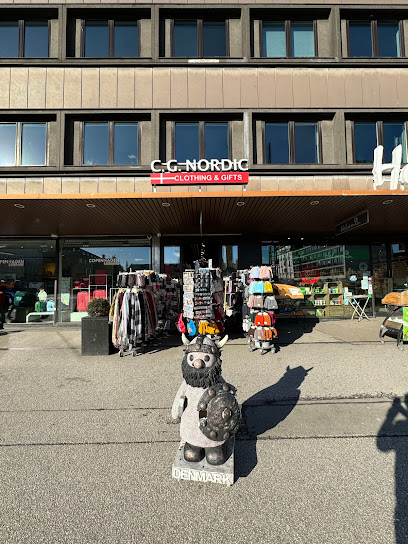
C. G. Nordic clothing and gifts
2.7 km
A small Vesterbro boutique where Nordic clothing, cozy textiles and design-led gifts capture the understated charm of contemporary Scandinavian style.
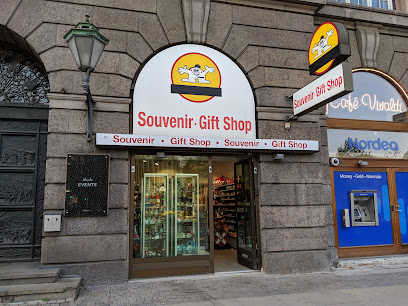
Souvenir Gift Shop
2.8 km
Compact, central and colourful, this Vesterbrogade gift shop is a quick and easy stop for Copenhagen-themed souvenirs between Tivoli, Vesterbro and the Central Station.
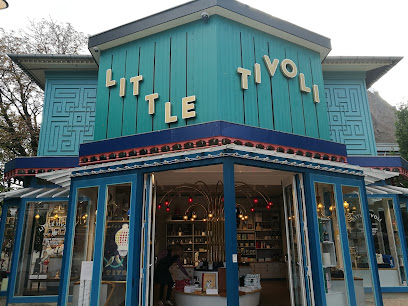
Tivoli Gift Shop
2.9 km
A compact slice of Tivoli Gardens magic just outside the park gates, perfect for picking up Copenhagen souvenirs before or after your visit.
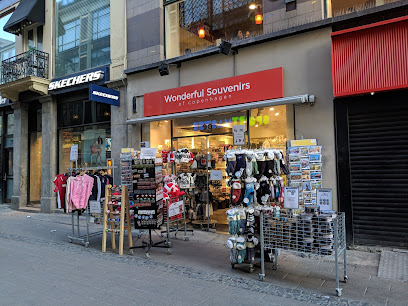
Wonderful Souvenirs
3.2 km
Compact, colourful and central, Wonderful Souvenirs on Frederiksberggade is a one-stop Strøget shop for easy Copenhagen-themed gifts and keepsakes.
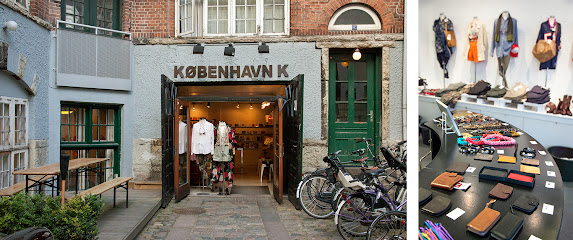
København K
3.2 km
Hidden in a Latin Quarter courtyard, København K is a long-standing Copenhagen vintage shop packed with curated second-hand fashion, denim and quirky homeware finds.
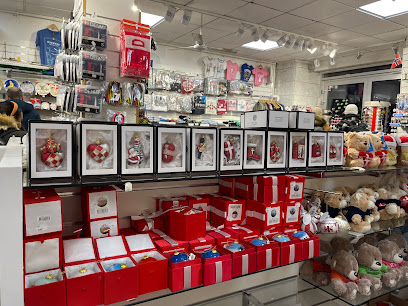
Danish Souvenirs
3.2 km
Central Copenhagen’s one‑stop Strøget shop for Little Mermaid trinkets, Viking keepsakes and easy last‑minute gifts before you say farvel to Denmark.
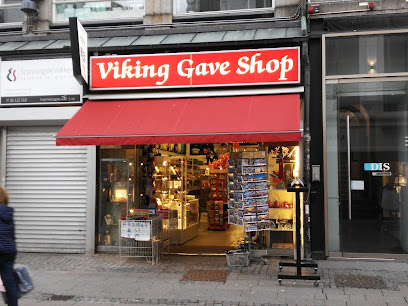
Viking Souvenirs
3.2 km
Lively Strøget souvenir shop packed with Viking‑themed gifts, Danish icons and suitcase‑friendly mementos, ideal for quick last‑minute presents in central Copenhagen.
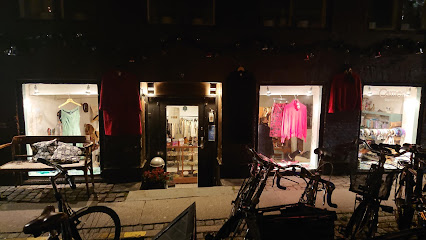
Carmen Copenhagen
3.3 km
Compact vintage treasure trove in Copenhagen’s Latin Quarter, where characterful clothes, curated racks, and cozy atmosphere turn slow browsing into a small adventure.
Wasteland
3.3 km
A high-energy vintage hub in Copenhagen’s Latin Quarter, packed with curated 80s, 90s and Y2K streetwear, denim and accessories in a distinctly urban setting.
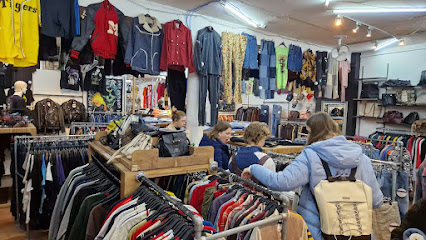
Essential bars & hidden hideouts

JOJO
1.5 km
Colourful neighbourhood cocktail bar in Vesterbro, serving freshly crafted drinks on tap in a relaxed, sociable setting that suits pre-drinks, dates and casual nights.
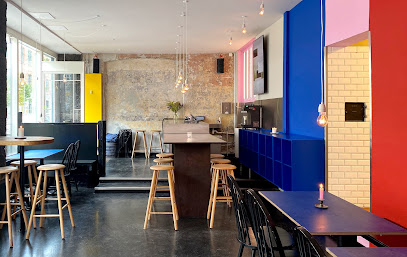
The House of Machines Copenhagen
1.5 km
Award-winning cocktail bar with industrial soul and live music in Copenhagen's Vesterbro.
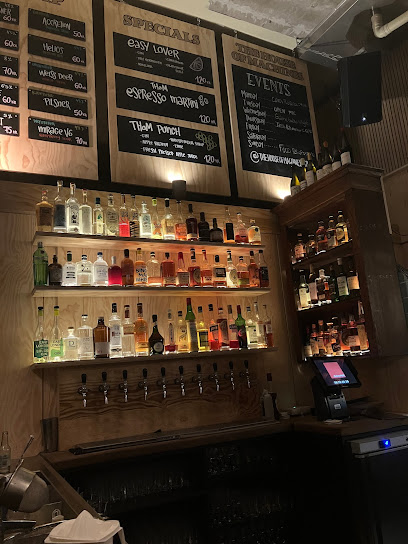
Märkbar
1.6 km
Experience the vibrant nightlife at Märkbar in Copenhagen, where friendly service meets an eclectic atmosphere and affordable drinks.
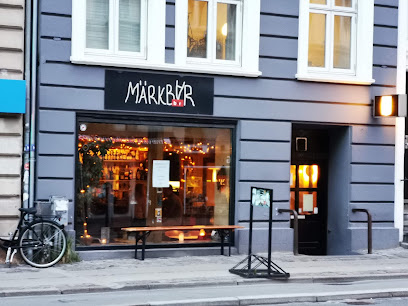
Riesen Bar
1.7 km
Experience the vibrant nightlife of Copenhagen at Riesen Bar, where great drinks and lively atmosphere come together for an unforgettable evening.
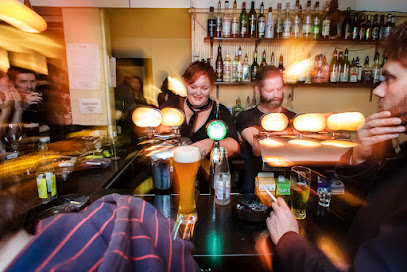
Cafe Intime
1.7 km
Discover the charm of Cafe Intime, a cozy bar and cafe in Frederiksberg offering delightful drinks and a warm ambiance for every visitor.
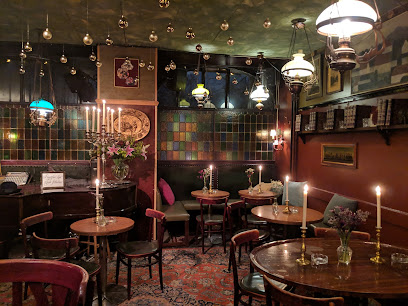
Berlin Bar
1.8 km
Experience the eclectic vibe and creative mixology at Berlin Bar, the perfect spot for memorable nights in Frederiksberg.
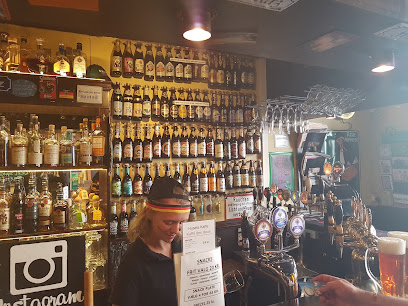
bird
1.9 km
Experience the vibrant nightlife of Frederiksberg at Bird, where unique cocktails and a laid-back ambiance await you.
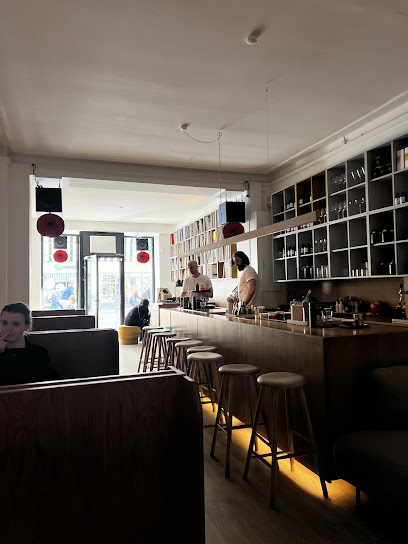
Duck and Cover - Cocktailbar
2.0 km
Experience exquisite cocktails in a stylish ambiance at Duck and Cover, Copenhagen's premier cocktail bar for enthusiasts and newcomers alike.
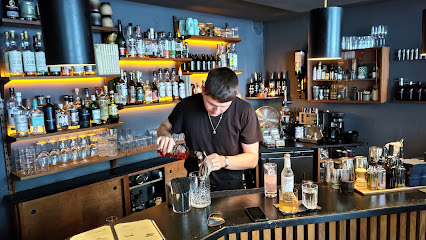
La Fée Verte
2.0 km
Discover La Fée Verte, a charming bar in Frederiksberg, offering exquisite cocktails and a vibrant atmosphere for an unforgettable night out.
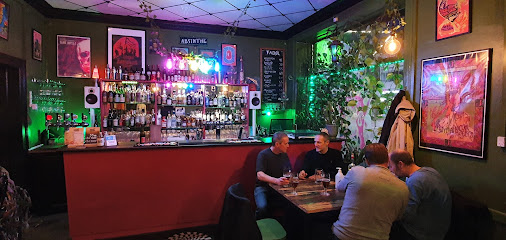
Lidkoeb
2.0 km
Discover Lidkoeb, a vibrant cocktail bar in Copenhagen, renowned for its innovative drinks and lively atmosphere, perfect for nightlife enthusiasts.
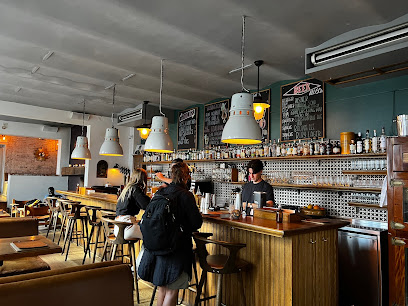
Amigo Bar
2.1 km
Experience the vibrant nightlife of Frederiksberg at Amigo Bar, where affordable drinks and a friendly atmosphere await you.
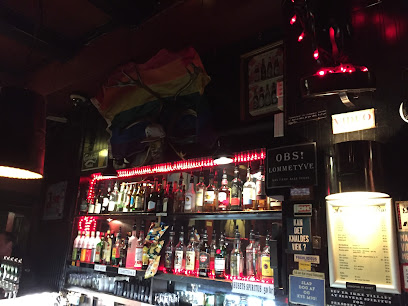
Bootleggers Craft Beer Bar - Frederiksberg
2.1 km
Experience the craft of brewing at Bootleggers Craft Beer Bar, Frederiksberg's premier destination for beer lovers with an extensive selection and vibrant atmosphere.
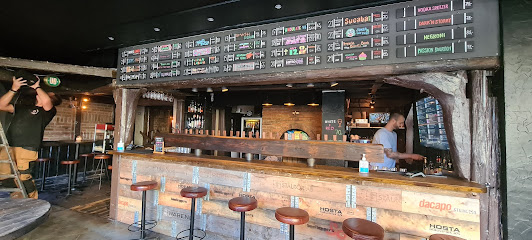
Mesteren & Lærlingen
2.2 km
Discover the lively bar scene at Mesteren & Lærlingen, where cocktails meet vibrant DJ beats in the heart of Copenhagen's nightlife.
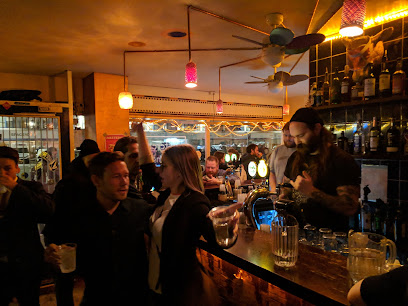
1656 Cocktail Bar
2.2 km
Hidden behind an unmarked door in Vesterbro, 1656 serves inventive cocktails in a dimly lit, speakeasy-style hideaway made for slow, late-night conversations.
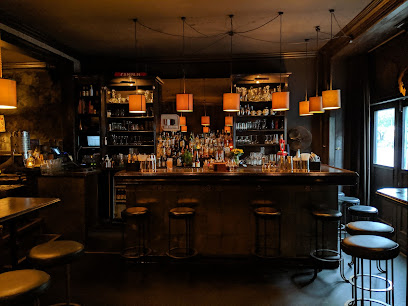
Tap 21 Craft Beer
2.2 km
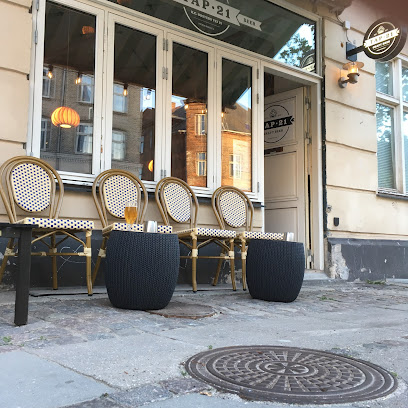
Explore the vibrant craft beer scene at Tap 21, a cozy Frederiksberg bar offering a wide selection of local and international brews in a welcoming atmosphere.
Nightclubs & after hour spots

Haven - Events
1.6 km
Discover the electrifying nightlife at Haven, Frederiksberg's top night club, where music, dance, and fun come together for an unforgettable experience.
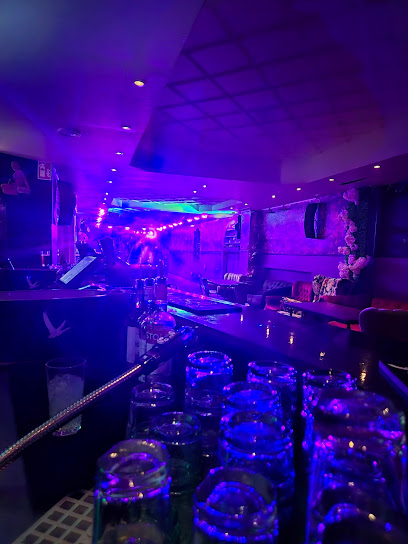
KB3
2.1 km
Discover the pulse of Copenhagen's nightlife at KB3, a lively night club in Vesterbro offering unforgettable music and vibrant experiences.
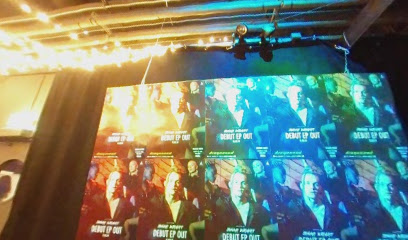
The Union
2.1 km
Discover the vibrant nightlife at The Union, Copenhagen's premier night club offering electrifying music and an unforgettable experience.
Dollhouse Striptease Nightclub
2.2 km
Experience the vibrant nightlife of Copenhagen at Dollhouse Striptease Nightclub, where adult entertainment meets unforgettable performances.
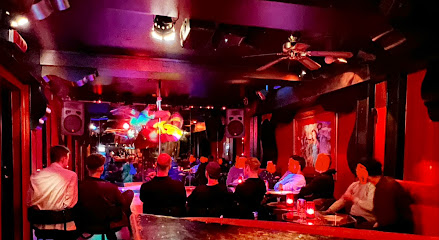
Baggen
2.2 km
Discover the electrifying atmosphere of Baggen, where Copenhagen's nightlife comes alive with vibrant music and unforgettable experiences.
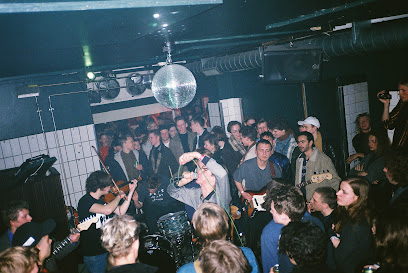
Vela Lesbian Lgbtq+ NightClub
2.3 km
Experience the inclusive spirit and vibrant nightlife at Vela Lesbian LGBTQ+ Nightclub in Copenhagen, where every night is a celebration of love and diversity.
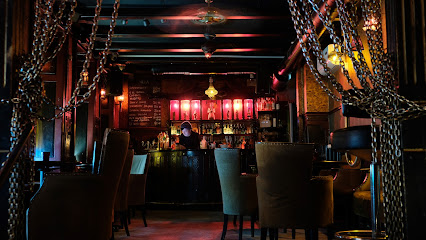
CristalClubCopenhagen
2.3 km
Dive into Copenhagen's nightlife at Cristal Club, where upscale ambiance meets electrifying music and unforgettable experiences.
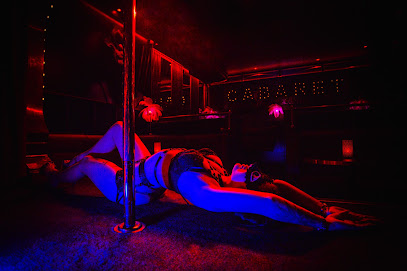
Falafelberg
2.7 km
Discover the pulsating nightlife of Frederiksberg at Falafelberg, a night club offering delicious falafel and electrifying music for an unforgettable experience.
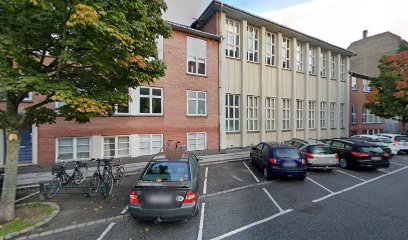
Den Anden Side
2.8 km
Discover the electrifying nightlife of Copenhagen at Den Anden Side, a techno haven for party lovers and night owls.
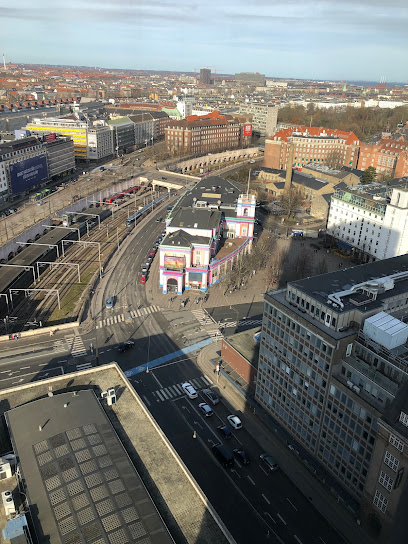
Never Mind
2.8 km
Experience the vibrant nightlife of Copenhagen at Never Mind, where electrifying music meets an eclectic crowd for unforgettable nights.
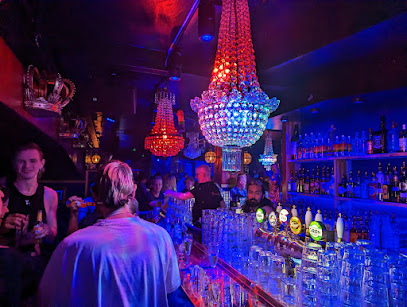
Module
3.0 km
Discover the ultimate nightlife experience at Module Night Club in Copenhagen, where world-class DJs and an electrifying atmosphere await.
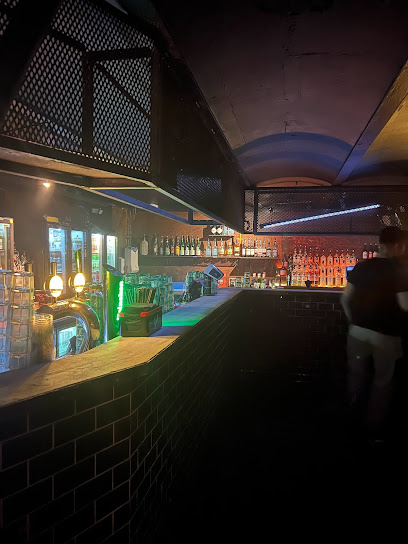
Moon Club
3.0 km
Discover the pulsating nightlife of Copenhagen at Moon Club, where electrifying beats and vibrant energy create unforgettable nights.
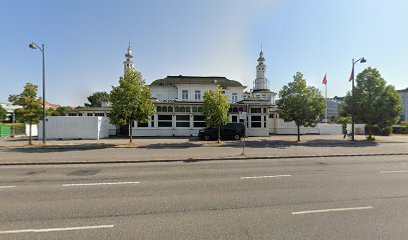
G*A*Y Copenhagen Nightclub
3.1 km
Experience the heart of LGBTQ+ nightlife at G*A*Y Copenhagen Nightclub, where vibrant energy and inclusive atmosphere await every visitor.
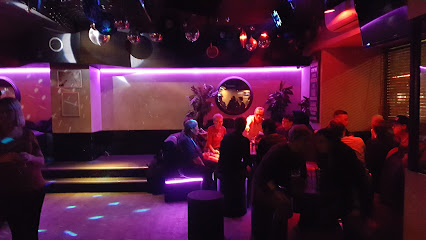
Cosy Bar
3.2 km
Discover the lively atmosphere of Cosy Bar, a top gay nightclub in Copenhagen offering fantastic music, vibrant crowds, and unforgettable nights.
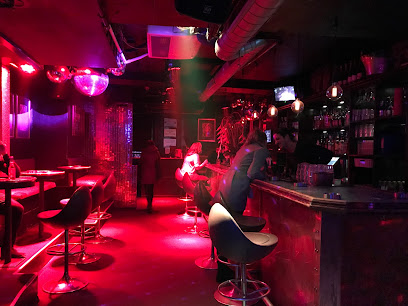
Club Mambo
3.2 km
Experience the energetic nightlife of Copenhagen at Club Mambo, a vibrant night club offering salsa dancing, cocktails, and delicious dining.
For the vibe & atmosphere seeker
- Tranquil
- Scenic
- Unique
- Contemplative
For the design and aesthetic lover
- Historic
- Vintage Styles
- Rustic Designs
For the architecture buff
- Historic
- Landmarks
- Parks & Gardens
- Heritage Neighborhoods
For the view chaser and sunset hunter
- Panoramas
- Iconic Views
For the social media creator & influencer
- Photo Spots
- Architectural Shots
For the eco-conscious traveler
- Protected Area
- Locally Managed
- Wildlife Habitat
For the kind of experience you’re after
- Cultural Heritage
- Myth & Legends
- Photowalk
- Nature Escape
- Day Trip
For how adventurous you want the journey to be
- Easy Access
Location Audience
- Family Friendly
- Senior Friendly
- Solo Friendly
- Couple Friendly
- Wheelchair Access


