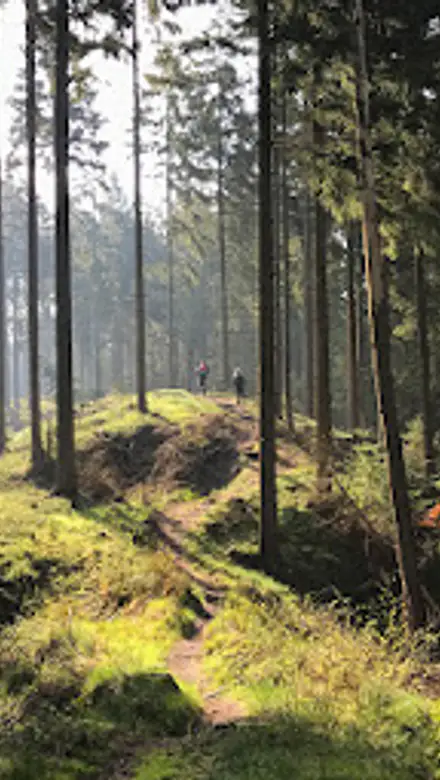
Knagerne Silkeborg Travel Guide
Free Guide: A creaking enclave of old forest in Silkeborg Vesterskov, where gnarled trunks, deadwood and birdsong create a quietly wild escape close to town.


A brief summary of Knagerne Silkeborg
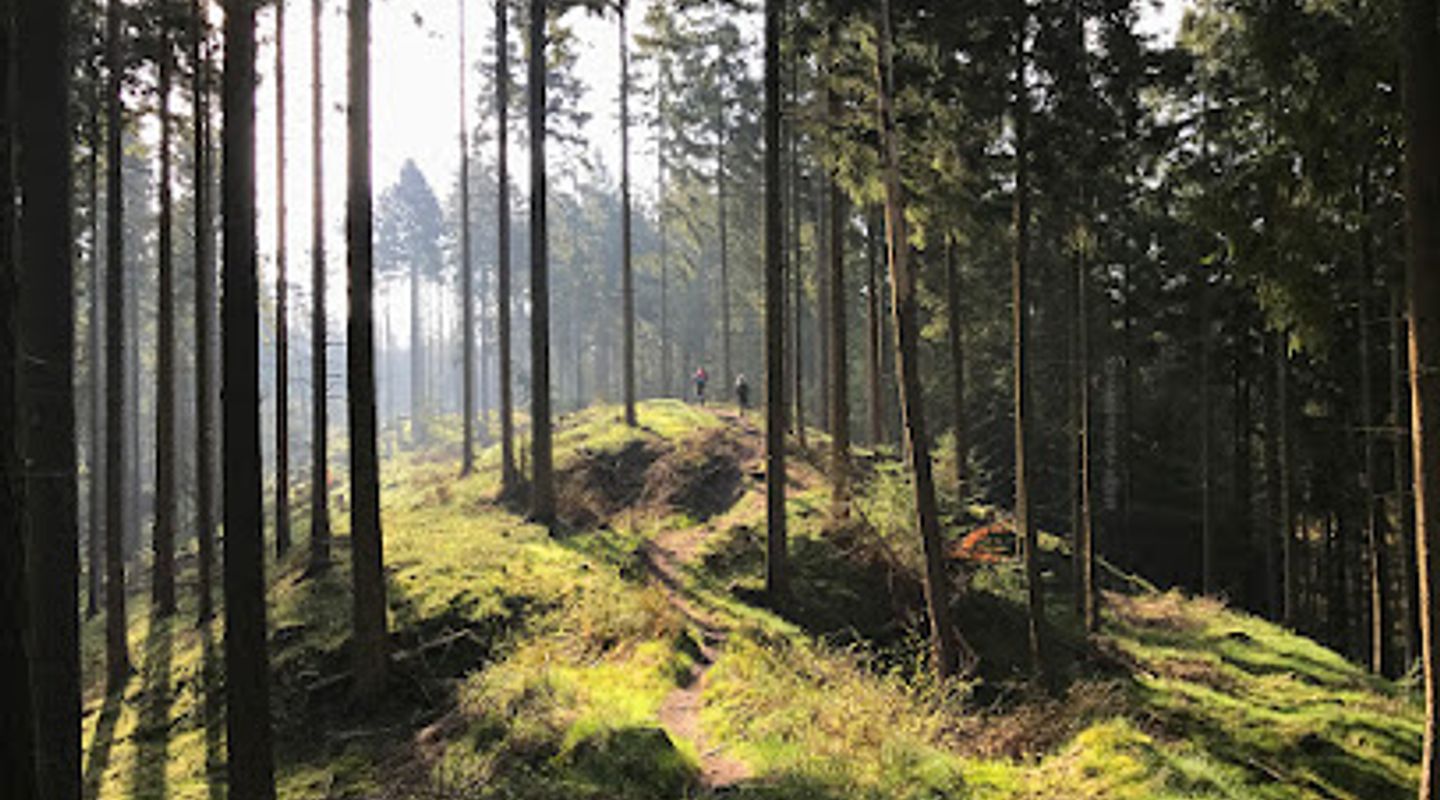
A creaking enclave of old forest in Silkeborg Vesterskov, where gnarled trunks, deadwood and birdsong create a quietly wild escape close to town.
Knagerne is a protected pocket of ancient woodland hidden in Silkeborg Vesterskov, just west of the town centre. This gnarled, uneven forest is known for its old, wind‑creaking trees, deadwood left for insects and birds, and a quietly wild atmosphere that feels far removed from manicured parkland. Well‑marked paths invite gentle hikes and bike rides, while the dense canopy, mossy floor and birdsong make it a tranquil escape in Denmark’s self‑proclaimed outdoor capital.
On-site amenities
 Picnic areas
 Trash bins
 Information boards
Opening hours
- Every dayOpen 24 hours
Opening hours as listed on the venue’s Google Business Profile. Hours can change for services and special events, so check with the venue before you go.
- Address
- 8600 Silkeborg
Getting there
Car
Bicycle
Public transport and walking
Discover more about Knagerne Silkeborg
A creaking corner of Silkeborg’s great western forest
Knagerne sits like a small, timeworn enclave within Silkeborg Vesterskov, the broad belt of woodland west of the town. Step in from the more managed forest around it and the character changes subtly: the trees grow closer, trunks are crooked and bark is furrowed with age. This is a deliberately less‑tidy piece of old forest, where the focus is on letting nature unfold.The name is wonderfully literal. On days with a bit of wind you can hear branches rubbing, trunks shifting and dead limbs moving against each other – a soft but insistent creaking that gave the area its nickname. Combined with the rustle of leaves high above and the muted thud of your own footsteps, it creates a soundscape that feels distinctly alive.
Old trees, deadwood and quiet biodiversity
Unlike production forest planted for timber, Knagerne is characterised by older trees left to age and decay in place. Fallen trunks are often left lying, slowly collapsing into the forest floor. This might look untidy compared with a groomed park, but it is exactly what makes the area valuable for fungi, insects, birds and small mammals.Rotting logs host bracket fungi in remarkable shapes, while cavities in old trees provide nesting spots for birds. The undergrowth can be dense in places, with ferns, brambles and saplings competing for light in the dappled shade. In spring and early summer, the canopy closes in and you walk through a cool green tunnel; in autumn, the same scene transforms into a tapestry of russet and gold, with leaves carpeting the paths.
On foot or by bike through the old forest
Knagerne is criss‑crossed by forest tracks and smaller paths that link easily into the wider Vesterskov trail network. It is well suited to unhurried walks of one to three hours, with mostly gentle gradients and firm forest ground. Cyclists can follow wider gravel tracks skirting the denser core of the old woodland, dipping in where the terrain allows.Because there are no major facilities or attractions built into the forest, the rhythm of a visit is simple: walk, listen, look. Pause to trace the contours of an old beech trunk, notice how mosses climb up shaded sides of trees, or watch sunlight filter through the crown layers like shifting spotlights. The lack of artificial lighting means the mood changes markedly towards dusk, when the forest feels enclosed and intimate.
A natural counterpoint to Denmark’s outdoor capital
Silkeborg promotes itself as Denmark’s outdoor capital, with lakes, hills and organised activities on all sides. Knagerne provides a quieter, more low‑key counterpoint to this energetic landscape. It is a place where the main activity is simply being in the forest, rather than ticking off viewpoints or facilities.Families with nature‑keen children can treat the area as an open‑air classroom, spotting insects on deadwood or comparing tree species. Solitary walkers and runners use the trails as a green refuge close to town. The forest’s modest scale means you are never truly far from the wider Vesterskov, yet its dense feel and creaking trunks create the impression of being deep in the woods.
Seasonal moods and practical expectations
Knagerne is accessible year‑round and in most conditions, but each season shapes the experience. On clear days you enjoy the play of light and shadow across the ground. In light rain, the forest takes on a rich, earthy smell and colours deepen, though paths can become muddy and footwear with grip is helpful. Winter visits reveal the skeletal structure of branches and make the area’s name even more literal when icy winds set the trees creaking.Facilities are minimal: there are no built‑in cafés, playgrounds or ticket offices at the heart of Knagerne itself. This simplicity is part of its appeal and also a cue to come prepared, with water, appropriate clothing and a basic respect for the forest as a living habitat. Stay on paths where possible, avoid disturbing deadwood and leave no trace so that the creaking old trees can continue to host their quiet diversity.
Evendo Review Centre
 Google
Guest reviews
Best time to go
Quietest: Jan, Feb & Dec · before 8am or at 9pm
Busy times are Evendo estimates for a typical year, to help you plan. Actual crowds vary with events, school holidays and the weather.
Explore Knagerne Silkeborg on the map
A handpicked selection of must-see spots near Knagerne Silkeborg, mapped for you.
Get your free copy of our complete guide to Knagerne Silkeborg, delivered straight to you.
Everything on this page, from opening hours and how to get there to Eve’s tips and the best time to go, in one PDF you can read offline, print or share.
Already have an account? Sign in
Your Knagerne Silkeborg guide is ready.
We'll send it to · Not you? Sign out

Getting your guide ready…
We are putting together a fresh copy of the Knagerne Silkeborg guide. This can take up to a minute.
This can take a few moments. If your browser asks, choose Allow so the download can start. You'll find the guide in your Downloads folder.
Nothing happened? Download it again
Sorry, the guide is taking longer than usual. Please try again in a minute, or get it by email instead.
Other nearby places you may find interesting
The closest places of the same kind, if this one is not quite what you had in mind.
-
-
-
-
-


Swipe for more places
More to explore near Knagerne Silkeborg

 Best experiences near Knagerne Silkeborg
 Best hotels near Knagerne Silkeborg
 Best landmarks near Knagerne Silkeborg
 Best attractions near Knagerne Silkeborg
 Best shops near Knagerne Silkeborg
 Best restaurants near Knagerne Silkeborg
 Best bars near Knagerne Silkeborg
Do you manage this location?
Take control to get all the benefits, like improved information, better appearance, and stronger visibility across AI-powered discovery.
Explore more
Explore more of Samsø
Samsø: Explore Denmark's eco-friendly island, rich in natural beauty, culinary delights, and cultural heritage.
Explore Samsø
Explore more of Denmark
Discover Denmark: A perfect blend of history, modern design, and the cozy concept of hygge. Explore vibrant cities, serene landscapes, and world-class cuisine.
Explore Denmark