

Free Samsø Travel Guide & Mobile App
Explore Samsø with free travel guides. Discover regional history, expert tips, proposed trips, and audio guides on web or mobile app.


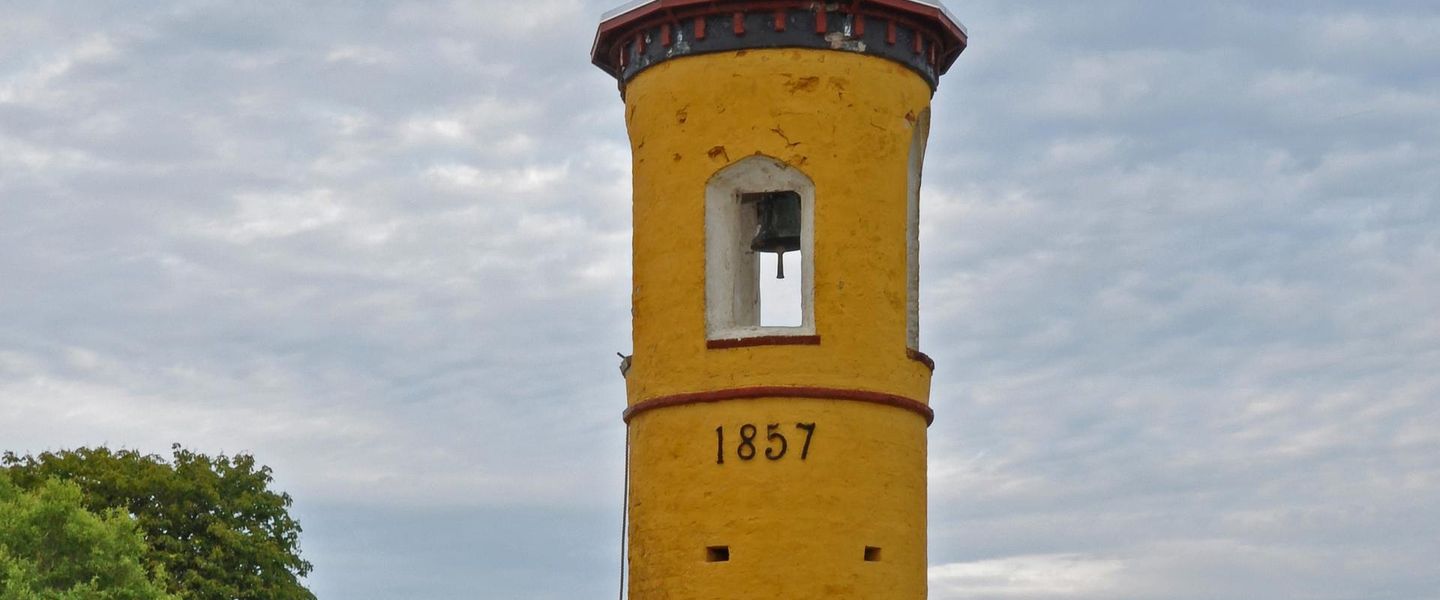


Samsø combines Viking heritage, quiet cycling lanes, Kattegat coastlines, village history and seasonal Danish produce on one welcoming island.
Read more about Samsø
When is the best time to visit Samsø?
Best: June–August · 19–21°C| Month | High (°C) | Rainfall (mm) |
|---|---|---|
| January | 5 | 46 |
| February | 5 | 35 |
| March | 7 | 41 |
| April | 10 | 35 |
| May | 16 | 40 |
| June (best) | 19 | 51 |
| July (best) | 21 | 55 |
| August (best) | 20 | 60 |
| September | 17 | 55 |
| October | 13 | 50 |
| November | 7 | 55 |
| December | 5 | 60 |
Getting to and around Samsø
How to get there
Transportation
Best attractions in Samsø
Samsø's attractions combine open-air landscapes with a concentrated layer of island history. The Samsø Museum in Tranebjerg introduces local archaeology, farming and everyday life, while nearby historic villages offer an opportunity to see traditional buildings and settlement patterns rather than a single monumental centre. Nordby is especially notable for its village pond, lanes and historic houses. At the island's northern and eastern edges, Stavns Fjord, Langør and Besser Reef provide landscapes for walking, birdwatching and quiet coastal observation; access to exposed reefs depends on weather, tides and local guidance. The ruins of Vesborg Castle add a medieval perspective, and the Kanhave Canal connects the island's present landscape with Viking-Age maritime engineering. Beaches and small harbours provide seasonal recreation, while cycling routes link fields, villages and shorelines. In the south, Brattingsborg and the surrounding estate landscape reflect later landholding, although access to private property is restricted. The Samsø Energy Academy offers insight into the island's modern renewable-energy story, a useful complement to its archaeological and agricultural heritage. Together, these experiences favour several shorter excursions over a conventional concentration of major sights.
-
Museum
Moesgaard Museum
World-class archaeology meets innovative architecture in Denmark's premier museum of human history and cultural heritage.
-
Amusement park
Tivoli Friheden
Denmark's beloved forest amusement park where historic charm meets modern thrills in Marselisborg's woodland embrace.
-
Animal park
Marselisborg Deer Park
Free-roaming deer in an ancient Danish forest—a wild escape just minutes from the city.
-
Museum
Memphis Mansion
An Elvis-inspired Graceland replica in rural Jutland, blending museum, American diner, souvenir shop and events into a vivid slice of rock ’n’ roll Americana.


Best landmarks in Samsø
Nordby's village pond, bell tower and closely grouped historic houses form one of Samsø's most recognisable built landscapes, illustrating how water, lanes and traditional buildings shaped an old Danish village. The Kanhave Canal is a subtler but historically important landmark: its parish of land crossing the island records Viking-Age efforts to move vessels through Samsø's strategic position. At the southern tip, Vesborg's castle remains are set above the coast and are associated with medieval control of the surrounding waters. Brattingsborg Castle and its estate represent the later aristocratic landscape of southern Samsø, although much of the property is private and should be viewed only from permitted areas. On the east, Stavns Fjord and Besser Reef are geographical landmarks as much as nature sites, defined by shallow water, low islands, narrow spits and changing tidal conditions. Together they give Samsø a distinctive combination of maritime geography, village architecture, archaeological remains and estate history.
-
Castle
Marselisborg Castle
Elegant royal summer residence on Aarhus Bay, surrounded by English-style gardens, sculptures and sweeping parkland that is open to visitors when the royals are away.
-
Mountain peak
Himmelbjerget
Denmark's iconic 'Sky Mountain' where democracy, history, and panoramic lake views converge.
-
Tourist attraction
Vesborg Fyr
Medieval fortress ruins crowned by a 19th-century lighthouse with sweeping views across the Samsø Belt.
-
Landmark
Issehoved
Denmark's northern gem where land meets sea in raw, ever-changing coastal beauty.


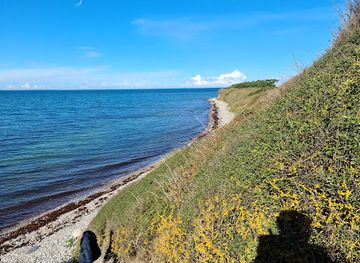
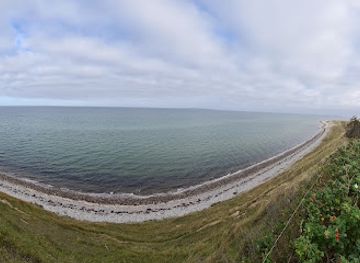
Explore Samsø on the map
Plan your trip on one map. See where the top cities, national parks and sights are, and book hotels and experiences in a few clicks.
Best hotels in Samsø
Best restaurants in Samsø
Eating on Samsø is closely tied to its fields, orchards, coast and seasonal calendar. Early potatoes are the island's best-known produce, while strawberries, asparagus, apples, honey and locally grown vegetables appear in farm shops, roadside stalls, markets and restaurant kitchens at different times of year. Menus may also feature Danish fish, shellfish, lamb and other ingredients from the surrounding region, alongside familiar open sandwiches, pastries and substantial café or pub fare. Ballen and other harbour settlements offer opportunities for relaxed summer dining, while Tranebjerg provides the broadest choice of everyday cafés and restaurants. Rural inns and contemporary kitchens often place more emphasis on local sourcing during the growing season, but availability can be seasonal and advance planning is sensible outside the main visitor months. Tasting produce directly from growers is part of the island's food experience, particularly when roadside stalls are operating on an honesty-payment basis.
-
Restaurant
Restaurant Dokken
Harbourfront restaurant in Ballen blending Samsø’s maritime shipyard heritage, local Danish classics and lively summer terrace vibes right on the water’s edge.
-
Restaurant
Restaurant Skipperly I/S
Island harbor dining where local ingredients and Nordic tradition meet genuine warmth and refined technique.
-
Lunch
søster sidevind
Atmospheric lunch café and curiosity shop in Besser’s old grocery, serving artful smørrebrød, local flavours and coffee in a cosy courtyard and vintage-filled interior.
-
Italian
Don Juan Restaurant & Pizzaria
Relaxed Italian comfort food and takeaway favourite in Tranebjerg, serving stone‑baked pizzas, pastas, meat and fish dishes after long Samsø days outdoors.


Best bars in Samsø
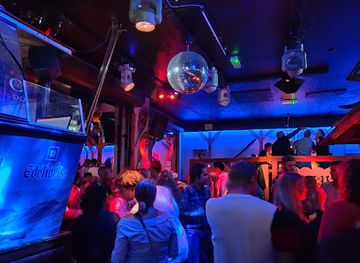
Samsø has a modest evening scene centred on village pubs, restaurants, seasonal harbour venues and occasional live music rather than a large nightclub district. Ballen is one of the livelier summer centres, with visitors gathering around the marina and waterfront, while Tranebjerg provides year-round local services and a smaller selection of places for an evening drink or meal. Traditional Danish pubs and inns remain important social settings, and some cultural or community venues host performances and events at particular times of year. The atmosphere becomes substantially quieter outside summer, especially in the smaller villages. Check current arrangements locally because opening patterns and entertainment schedules can change, and remember that many businesses serve both residents and seasonal visitors rather than operating late into the night.
-
Brewery
Samsø Bryghus
Organic farm brewery and countryside café on Samsø, serving house beers and field‑fresh dishes in a relaxed courtyard of converted farm buildings.
-
Bar
Ræven
Rural Samsø bar and eatery with relaxed island vibes, simple hearty fare, and late-week pub energy in a low-key farmhouse-style setting.
-
 Wine bar
Vinkapellet Samsø
Cosy island wine bar in Brundby specialising in organic, biodynamic and natural wines, where intimate surroundings and slow Samsø evenings invite lingering conversations.
-
Restaurant
Samsø Madhus
Samsø Madhus: Experience Samsø’s celebrated produce transformed into modern Danish cuisine in a warm, atmospheric rural restaurant championing local flavors.


Best nightclubs in Samsø
Samsø has a modest evening scene centred on village pubs, restaurants, seasonal harbour venues and occasional live music rather than a large nightclub district. Ballen is one of the livelier summer centres, with visitors gathering around the marina and waterfront, while Tranebjerg provides year-round local services and a smaller selection of places for an evening drink or meal. Traditional Danish pubs and inns remain important social settings, and some cultural or community venues host performances and events at particular times of year. The atmosphere becomes substantially quieter outside summer, especially in the smaller villages. Check current arrangements locally because opening patterns and entertainment schedules can change, and remember that many businesses serve both residents and seasonal visitors rather than operating late into the night.
-
Disco club
Der Kuhstall
Aarhus's vibrant three-story nightclub where live music, craft beers, and young energy collide until dawn.
-
Night club
Tucan Swinger & wellness Club
Scandinavia's premier discreet wellness and social venue for alternative lifestyle communities.
-
Night club
Sölibat Natklub
High-energy nightclub and bar in central Horsens with DJs, themed events, loud lights and a young crowd dancing late into the night.


Best shops in Samsø
Shopping on Samsø is chiefly about local produce, practical island services and small-scale independent retail rather than extensive urban shopping. Tranebjerg has the broadest concentration of everyday shops, while Nordby, Ballen and other villages offer smaller selections of galleries, craft outlets, cafés and seasonal businesses. Farm shops and roadside stalls are central to the experience, with early potatoes, strawberries, asparagus, honey, apples, preserves and other locally grown goods varying with the season. Visitors may also find ceramics, textiles, artwork, books and island-themed gifts, although stock and opening patterns can be limited outside summer. Markets and temporary producer stalls are worth checking locally, but they should not be treated as year-round fixtures. Buying directly from growers and makers supports the island economy and provides a more meaningful souvenir than generic coastal merchandise.
-
Supermarket
SuperBrugsen
The practical heart of Tranebjerg and Samsø’s go-to supermarket for fresh local produce, Danish staples, and everyday essentials throughout your island stay.
-
Farm shop
Samsø Gårdbutik Svanegården
Historic farm shop in converted barns showcasing Danish wool textiles, outdoor wear, and island crafts since 1876.
-
-
Washer & dryer store
El-Salg Bissø ApS
Island electronics expertise with white goods, appliances, and personal tech backed by professional service.


Get your free copy of our complete guide to Samsø, delivered straight to you.
Everything on this page, from attractions and restaurants to essentials and local phrases, in one PDF you can read offline, print or share.
Already have an account? Sign in
Your Samsø guide is ready.
We'll send it to · Not you? Sign out

Getting your guide ready…
We are putting together a fresh copy of the Samsø guide. This can take up to a minute.
This can take a few moments. If your browser asks, choose Allow so the download can start. You'll find the guide in your Downloads folder.
Nothing happened? Download it again
Sorry, the guide is taking longer than usual. Please try again in a minute, or get it by email instead.
Samsø essentials
Currency and Payment
Safety
Emergency Situations
Do's and Don'ts
Local Tips
From Eve
Local phrases worth knowing
You don't need to get them perfect. A few words go a long way, and locals appreciate the effort.
Basics
| English | Local | Say it |
|---|---|---|
| Hello | Hej | [hay] |
| Goodbye | Farvel | [far-vel] |
| Yes | Ja | [ya] |
| No | Nej | [nigh] |
| Please/You're welcome | Vær så god | [vair soh goo] |
| Thank you | Tak | [tahk] |
| Excuse me/Sorry | Undskyld | [oon-skul] |
| How are you? | Hvordan har du det? | [vor-den har do deh] |
| Fine. And you? | Fint. Og du? | [feent. oh doo] |
| Do you speak English? | Taler du engelsk? | [tailer doo eng-elsk] |
| I don't understand | Jeg forstår ikke | [yai for-stor ee-keh] |
Eating & Drinking
| English | Local | Say it |
|---|---|---|
| I'd like to see the menu, please | Jeg vil gerne se menuen, tak | [yai vil gern-seh meh-noo-en, tahk] |
| I don't eat meat | Jeg spiser ikke kød | [yai spee-ser ee-keh kuhd] |
| Cheers! | Skål! | [skawl] |
| I would like to pay, please | Jeg vil gerne betale, tak | [yai vil gern-eh be-ta-leh, tahk] |
Emergencies
| English | Local | Say it |
|---|---|---|
| Help! | Hjælp! | [yelp] |
| Go away! | Gå væk! | [gaw vek] |
| Call the Police! | Ring til politiet! | [ring til po-li-teet] |
| Call a doctor! | Ring efter en læge! | [ring ef-ter en lay-eh] |
| I'm lost | Jeg er faret vild | [yai air far-et veeld] |
| I'm ill | Jeg er syg | [yai air soo-ee] |
Shopping
| English | Local | Say it |
|---|---|---|
| I'd like to buy... | Jeg vil gerne købe... | [yai vil gern-eh ker-beh] |
| I'm just looking | Jeg kigger bare | [yai kee-ger bar-eh] |
| How much is it? | Hvor meget koster det? | [vor my-ehd kos-ter deh] |
| That's too expensive | Det er for dyrt | [deh air for dyurt] |
| Can you lower the price? | Kan du sænke prisen? | [kan doo sen-keh pree-sen] |
Time & Numbers
| English | Local | Say it |
|---|---|---|
| What time is it? | Hvad tid er det? | [vad teed air deh] |
| It's one o'clock | Klokken er et | [klok-en air et] |
| Half past (10) | Halv efter (10) | [halv ef-ter (10)] |
| Morning | Morgen | [mor-en] |
| Afternoon | Eftermiddag | [ef-ter-mi-dag] |
| Evening | Aften | [af-ten] |
| Yesterday | I går | [ee gor] |
| Today | I dag | [ee day] |
| Tomorrow | I morgen | [ee mor-en] |
| 1 | 1 | [1] |
| 2 | 2 | [2] |
| 3 | 3 | [3] |
| 4 | 4 | [4] |
| 5 | 5 | [5] |
| 6 | 6 | [6] |
| 7 | 7 | [7] |
| 8 | 8 | [8] |
| 9 | 9 | [9] |
| 10 | 10 | [10] |
Transport & Directions
| English | Local | Say it |
|---|---|---|
| Where's a/the...? | Hvor er en/den...? | [vor air en/den] |
| What's the address? | Hvad er adressen? | [vad air a-dress-en] |
| Can you show me (on the map)? | Kan du vise mig (på kortet)? | [kan doo vee-seh mai (poh kor-tet)] |
| When's the next (bus)? | Hvornår går den næste (bus)? | [vor-nor gor den nes-teh (bus)] |
| A ticket (to....) | En billet (til....) | [en bee-let (til)] |
History of Samsø
Prehistoric settlement and burial monuments
Samsø has been inhabited since prehistoric times, and its fields and villages preserve evidence of communities that used the island's fertile soils and maritime position. Burial mounds, stone settings and other archaeological traces belong to a wider pattern of settlement across Denmark, but on Samsø they are especially legible against the open agricultural landscape. These remains show that the island was not an isolated rural outpost: it formed part of networks of movement, farming, exchange and seafaring long before written records.
The Viking-Age Kanhave Canal
Around the early eighth century, a canal was cut across Samsø between Stavns Fjord and the waters to the west. Known as the Kanhave Canal, it allowed vessels to cross the island rather than make a longer and more exposed journey around its southern end. Its construction required organised labour and considerable engineering skill. The canal is an important reminder of Samsø's strategic location in the Kattegat and of the maritime power and coordination associated with Denmark's Viking Age.
Medieval fortifications and church communities
During the Middle Ages, Samsø's position between major Danish waterways gave it continuing strategic value. Fortifications including Vesborg Castle guarded or monitored maritime approaches, although the castle itself survives mainly as archaeological remains. Medieval churches and village structures also reflect the consolidation of Christian communities and settled agriculture. The island's later place names, field patterns and historic settlements preserve elements of this period, when local life was shaped by landholding, parish organisation, fishing and the movement of ships through the surrounding waters.
Crown, estates and Brattingsborg
Samsø was connected with the Danish Crown and later with powerful estate owners, whose influence shaped land use and administration. Brattingsborg became the principal manor of the southern island and remains associated with the estate landscape there. Such estates affected farming arrangements, woodland management and the appearance of roads and settlements. The surviving historic buildings and managed landscapes should be understood as part of Denmark's broader history of aristocratic landholding rather than as an isolated island tradition.
Agricultural development and maritime connections
From the eighteenth and nineteenth centuries onwards, improved farming, market connections and regular maritime links increasingly defined Samsø's economy. Grain, livestock and later horticultural produce were carried by sea, while fishing and small-scale coastal shipping supported communities around the island's harbours. The growth of roads, ferry services and agricultural cooperatives connected Samsø more closely with mainland Denmark without removing its island character. The modern reputation for early potatoes and other produce has roots in this long adaptation of farming to soil, climate and transport.
Samsø in modern Denmark
The twentieth century brought mechanised agriculture, changes in ferry infrastructure and continued population movement between the island and larger Danish centres. Many older working practices declined, while villages and farms retained a strong visual presence in the landscape. Tourism developed around beaches, cycling, village heritage and summer houses, adding a seasonal dimension to the economy. Samsø's history in this period is therefore one of adjustment: a farming and maritime community responding to improved mobility, changing markets and the pressures faced by many small Danish islands.
Renewable energy and community-led transition
From the late 1990s, Samsø became widely associated with a locally organised transition towards renewable energy. Wind turbines, district-heating schemes and other projects helped reduce reliance on fossil fuels, while the Samsø Energy Academy developed as a venue for discussion and learning about energy systems. The transition did not replace agriculture or ferry life; it became another layer of the island's economy and public identity. Its significance lies in the relationship between technical infrastructure, local participation and the practical constraints of an island community.
Samsø in Photos
Browse through our photo collection highlighting the charm and character of the destination.
Neighbouring regions of Samsø
The closest regions to Samsø, if you have time for more than one.
-

-

-

-
-


Swipe for more regions
Explore more

Explore more of Denmark
Discover Denmark: A perfect blend of history, modern design, and the cozy concept of hygge. Explore vibrant cities, serene landscapes, and world-class cuisine.
Explore Denmark