Øm Klostermuseum, Samso Travel Guide
Atmospheric monastery ruins, a unique skeleton collection and Denmark’s oldest cloister garden come together between two lakes in Jutland’s tranquil Søhøjlandet.
Set between the lakes Mossø and Gudensø in the lush Søhøjlandet landscape near Ry, Øm Kloster Museum combines an atmospheric ruin park with a compact, well‑curated museum. Here you walk through the exposed ground plan of a former Cistercian monastery, peer into medieval graves, and explore Denmark’s only dedicated skeleton collection west of the Great Belt. A historic herb garden with around 80 medicinal plants and a small bryghave of brewing crops connect monastery life, medicine, and beer traditions in a tranquil, scenic setting.
A brief summary to Øm Klostermuseum
- Munkevej 8, Ry, 8680, DK
- Click to display
- Click to display
- Duration: 1.5 to 3 hours
- Budget
-
 Mixed
Mixed
- Mobile reception: 4 out of 5
- Tuesday 10 am-4 pm
- Wednesday 10 am-4 pm
- Thursday 10 am-4 pm
- Friday 10 am-4 pm
- Saturday 10 am-4 pm
- Sunday 10 am-4 pm

Know before you go
Hi, I'm Eve. Here are a few practical things to know before exploring Øm Klostermuseum.
- Plan your visit between late March and late October, when the museum and ruin park operate regular hours and the herb garden is in leaf.
- Allow time both indoors and outside; start in the exhibition for context, then walk the ruin park and herb garden to visualise the former monastery.
- Bring a light jacket and sturdy footwear; the lakeside setting can be breezy and the grass paths and stone edges may be uneven after rain.
- If you are interested in medieval medicine, focus on the labelled plants in the cloister garden and compare them with ailments described in the displays.
- Combine your visit with a walk along the nearby lakes to appreciate why a secluded order chose this peaceful, well‑watered location.
Do you manage this location?
Take control to get all the benefits, like improved information, better appearance, and stronger visibility across AI-powered discovery. Learn more about listing your business on Evendo
Activate your presenceOther nearby places you may find interesting
The closest places of the same kind, if this one is not quite what you had in mind.

Explore Øm Klostermuseum on the Map
A handpicked selection of must-see spots near Øm Klostermuseum, mapped for you.
Getting There
-
Car from Ry town centre
From central Ry, Øm Kloster Museum is typically a 10–15 minute drive through the countryside. The route uses local roads with light traffic and is straightforward year‑round, though surfaces can be narrow in places. Parking is available directly by the museum and is generally free, but spaces can fill on busy summer days, so allow extra time then.
-
Car from Aarhus
Travelling from Aarhus, expect 45–60 minutes by car depending on traffic. Most of the journey uses main roads before continuing on smaller rural stretches near the Søhøjlandet lakes. There is no fee to access the area itself, but factor in normal fuel costs and occasional congestion when leaving the city, especially on summer weekends.
-
Public transport via Ry
Øm Kloster is best reached by combining train or regional bus to Ry with a taxi or pre‑arranged lift for the final leg. Trains between Aarhus and Ry generally take around 30–40 minutes, with standard Danish regional fares applying. From Ry station, a taxi ride of roughly 10–15 minutes covers the remaining distance; prices are typically in the range of 150–250 DKK depending on time of day and company.
-
Cycling from Ry
For an active option, many visitors cycle out from Ry in around 30–40 minutes. The route follows undulating country roads and lanes through the Søhøjlandet landscape, with a few hills and sections lacking dedicated cycle paths. Surfaces are paved but can be exposed to wind and weather, so bring appropriate clothing and lights outside high summer.
For the on-the-go comforts that matter to you
-
 Restrooms
-
 Drink Options
-
 Food Options
-
 Seating Areas
-
 Picnic Areas
-
 Trash Bins
-
 Information Boards
-
 Visitor Center
Discover more about Øm Klostermuseum
Cloister Life Between Two Lakes
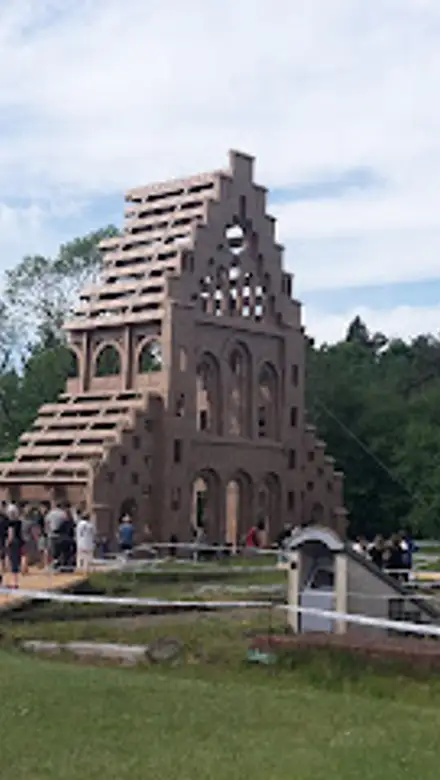
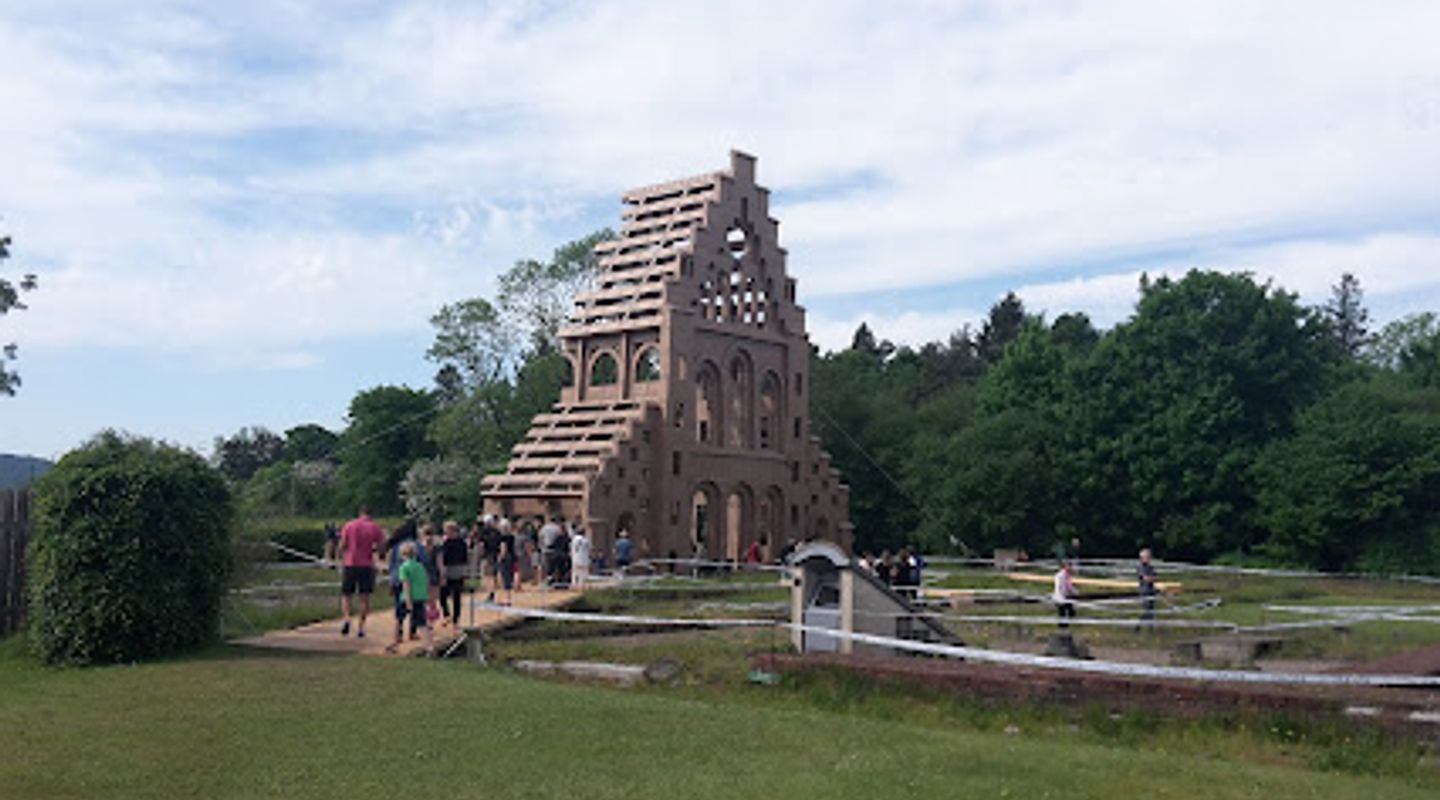
Øm Kloster Museum sits in the rolling lake district of eastern Jutland, framed by Mossø and Gudensø and soft forested hills. The modern museum building opens directly onto a broad ruin park where the outlines of a once‑powerful Cistercian monastery are etched into the grass. From the 1100s until the mid‑1500s this was a self‑contained world of prayer, agriculture, scholarship, and quiet influence, later dismantled when its bricks were reused for Skanderborghus.Today, the sense of an enclosed medieval community still lingers in the way the foundations group around open courtyards and corridors. Low walls suggest former dormitories, refectory and workshops, giving you a physical feel for how strictly ordered monastic life once was in this secluded corner of Jutland.Ruin Park with a Complete Ground Plan
The ruin park covers several acres and is considered one of Denmark’s best‑documented Cistercian monastery layouts. Paths lead you past the church footprint and into the chapter house where five medieval graves remain visible, some with skeletons in situ. Standing here, surrounded by foundations and open sky, it is easy to picture monks processing between choir and cloister, or lay brothers moving towards barns and fields.Simple information panels help decode the many foundation lines, pointing out where key rooms lay and how water and drainage were organized. The openness of the site makes it especially atmospheric in changing weather: mist off the lakes in the morning, or long, golden light drawing out every stone edge on summer evenings.Museum Displays and Skeleton Collection
Inside, the museum concentrates the results of decades of archaeological work. Everyday finds such as tools, pottery, devotional objects and metal fittings reveal the practical side of monastery life. The highlight is an extensive osteological collection, making Øm the only specialised skeleton museum of its kind west of the Great Belt. Carefully presented bones, many recovered from the cloister church and cemetery, tell stories of illness, injuries, hard labour and surprisingly long lives.Explanations bridge archaeology and medical science, showing how diet, work patterns and disease shaped bodies in the Middle Ages. Rather than sensation, the tone is quietly investigative, inviting you to see the skeletons as individuals whose lives can now be reconstructed in detail.Herb Garden and Brewing Traditions
Just beyond the ruins lies Denmark’s oldest reconstructed monastery garden, first laid out in the 1920s. Around 80 different medicinal plants typical of a medieval Danish cloister grow in neat beds, many still recognisable from modern herbal remedies. Signs relate each plant to historic uses, from soothing digestive problems to treating wounds or flavouring food.A separate bryghave brings the monastery’s brewing culture to life with humle, bog myrtle, malt barley and traditional fruit varieties. Together they hint at a time when monastic communities were centres of both medical knowledge and beer production, supplying travellers and locals alike.A Reflective Stop in the Søhøjlandet Landscape
Although compact, Øm Kloster Museum rewards unhurried exploration. Benches invite you to pause among the foundations, listening to birds over the nearby lake while you trace the outlines of refectory or dormitory with your eyes. The mixture of indoor exhibition, open ruin park and cultivated garden makes the site appealing in different seasons, from spring blossoms in the herb beds to clear autumn light on the stones.For travellers touring the Søhøjlandet region, Øm works well as a half‑day cultural stop woven into walks or drives between viewpoints and lakeside villages. It offers a calm, historically rich counterpoint to more energetic outdoor activities, grounding the landscape in centuries of human stories.












Your all‑in‑one travel companion app
Explore expert travel guides, compare and book tours, experiences, hotels, and more—all from the palm of your hand. Download now for seamless trip planning wherever your wanderlust takes you.


Explore More of Samso

Looking beyond Øm Klostermuseum? Discover Samso for broader travel guides, local hot-spots, and regional highlights.
Explore Samso
Historisk mølleskov ved Skanderborg Sø, hvor afmærkede stier, rislende bæk og restaurerede bygninger forener nær natur med levende kulturarv.
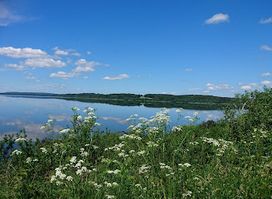
Jutland’s largest lake, where wide horizons, protected birdlife and easygoing outdoor adventures meet in the rolling Danish Lake Highlands.