Antvorskov Klosterruin, Slagelse, Slagelse Travel Guide
Free Guide: Atmospheric monastery and castle ruins on Slagelse’s edge, where low stone walls, open grass and big skies trace the story of a powerful medieval order.


A brief summary of Antvorskov Klosterruin, Slagelse
Atmospheric monastery and castle ruins on Slagelse’s edge, where low stone walls, open grass and big skies trace the story of a powerful medieval order.
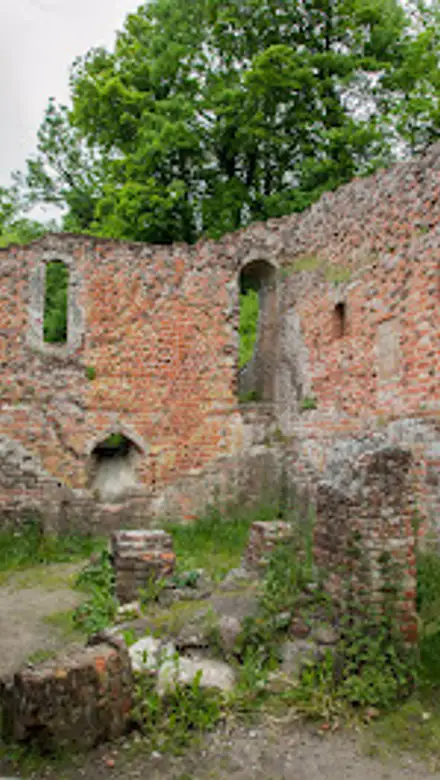
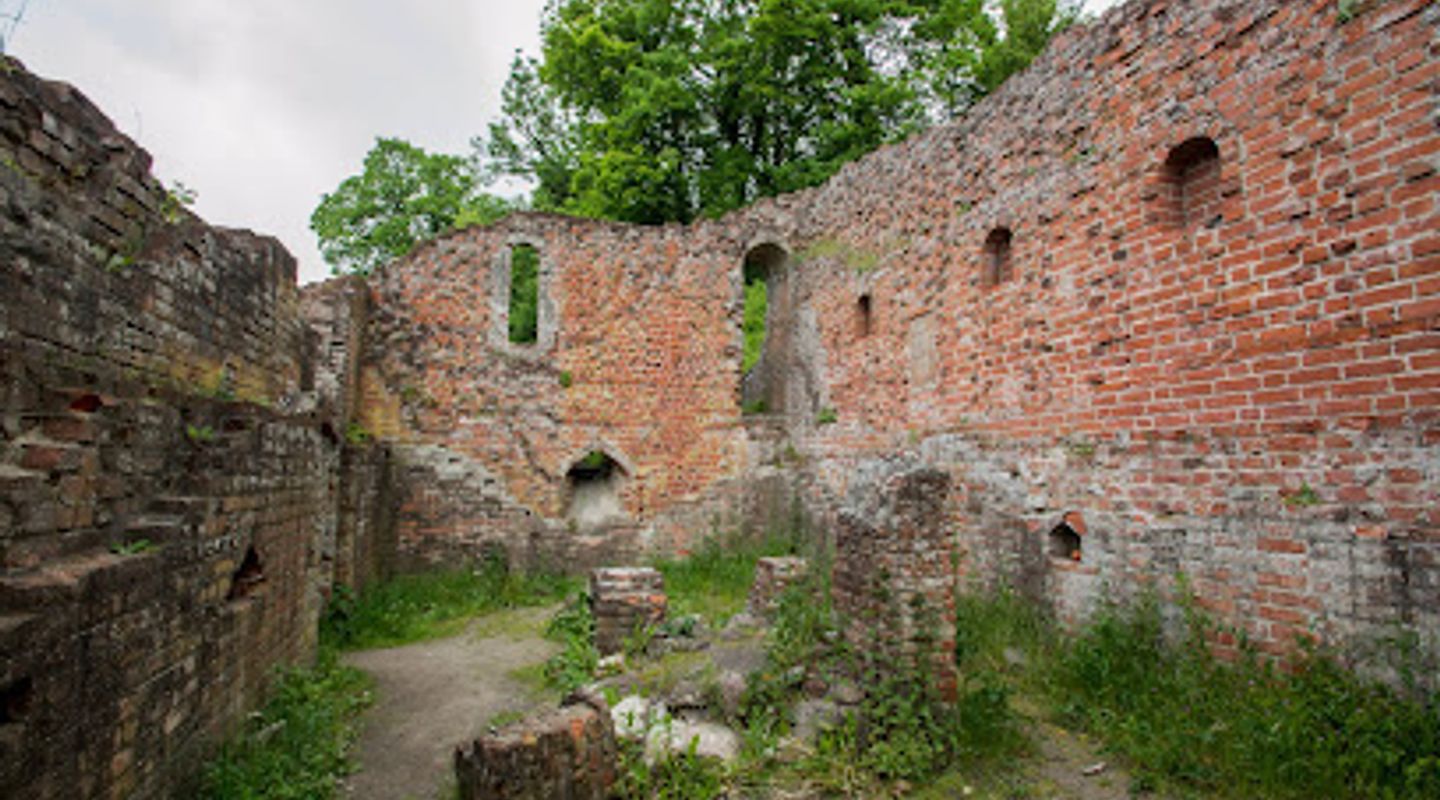
On the southern edge of Slagelse, Antvorskov Klosterruin preserves the footprint of one of medieval Denmark’s most important monasteries. Founded by the Order of St John of Jerusalem, it later became a royal castle before falling into ruin. Today low walls, grassy foundations and information boards sketch out cloister, church and halls, set beside open fields and big skies. It is a peaceful, free-to-enter historic site that invites slow wandering, imagination and quiet reflection on centuries of Danish history.
On-site amenities
 Information boards
 Trash bins
Opening hours
- Every dayOpen 24 hours
Opening hours as listed on the venue’s Google Business Profile. Hours can change for services and special events, so check with the venue before you go.
- Address
- Kongevejen 10, 4200 Slagelse
- Phone
Getting there
Train + bus from Copenhagen
Car from Copenhagen via E20 motorway
Local access from Slagelse town by bicycle or on foot
Discover more about Antvorskov Klosterruin, Slagelse
Traces of a Powerful Medieval Monastery
Antvorskov Klosterruin marks the site of a once-mighty monastery founded in the 12th century by the Order of St John of Jerusalem, also known as the Knights Hospitaller. For centuries this complex was the principal seat of the order in Scandinavia, controlling extensive lands and income across West Zealand and beyond. From here, monks administered estates, cared for the sick and poor, and maintained religious and political ties that reached far beyond rural Slagelse.As you walk among the low stone walls and grassy outlines, you are effectively pacing through the ground plan of a vanished world. The ruins indicate where the church once stood, where cloister walks surrounded an inner courtyard, and where domestic ranges housed kitchens, storage rooms and living quarters. Although only foundations and small wall sections remain, the scale of the footprint hints at the monastery’s former size and influence.
From Sacred House to Royal Castle
The Reformation in the 16th century reshaped Antvorskov’s fate. When Denmark adopted Lutheranism, the monastery was dissolved and its lands passed to the Crown. The complex was gradually transformed into a royal castle and residence, weaving the site into the story of Danish kings who used it as a convenient base in West Zealand. Over the following centuries, changing political priorities and the cost of upkeep led to neglect and partial demolition.Stone from the old buildings was reused in other constructions in the region, a common fate for large religious houses. By the 18th and 19th centuries Antvorskov had largely lost its above-ground architecture, leaving only fragments and buried structures. Archaeological excavations later revealed the layout visitors see suggested today, turning a former power center into an open-air historical landscape.
A Quiet Green Window onto the Past
Today the atmosphere at Antvorskov Klosterruin is strikingly peaceful. The ruins sit in an open grassy area on the edge of town, close to fields and light woodland. Birds call from surrounding trees, traffic hums faintly in the distance, and the stone lines of old foundations warm in the sun. It is the kind of place where you can easily sit on the grass and let the centuries blur together, imagining cloistered monks moving silently through now-empty spaces.Informational signs help you decode what you are seeing, explaining which parts of the foundations belonged to the church, the cloister or service buildings. The setting offers broad skies and a sense of space rather than dramatic vertical ruins, making the experience more contemplative than spectacular. For those interested in monastic life, the Reformation or the military-religious orders, it provides a concrete, walkable plan of an important Scandinavian house.
Exploring the Ruins at Your Own Pace
The site is unfenced and typically accessible at all hours, lending it a relaxed, informal feel. Paths are mostly grass and compacted earth, so comfortable shoes are useful in damp weather. With no fixed route, you are free to wander the outlines, trace the perimeter of the old church or simply follow your curiosity from wall to wall. Families often find the open space easy for children to explore while adults take in the history.Guided tours are occasionally offered by local heritage organizations and museums, adding archaeological context and stories drawn from written sources. These tours delve into everyday life in the monastery, the order’s role in caring for travelers and the sick, and the later transformation into a royal estate. On your own, you can still gain a strong sense of the site using the on-site information and a bit of imagination.
A Free Historical Stop in West Zealand
Antvorskov Klosterruin is free to visit, making it an appealing stop for anyone exploring Slagelse or driving across Zealand. Its proximity to main routes means it works well as a break on a longer journey, yet it also rewards a more deliberate visit with time to wander and read. The open layout and absence of barriers create a casual, low-key experience rather than a formal museum setting.The ruins connect neatly with other cultural attractions in Slagelse and West Zealand, offering a historical counterpoint to town life, beaches and countryside drives. Whether you stay for twenty minutes or linger for an hour or two, Antvorskov invites you to step briefly into the long arc of Danish religious and royal history, now reduced to quiet stones and grass underfoot.
Evendo Review Centre
 Google
Guest reviews
Best time to go
Quietest: Jan, Feb & Mar · before 8am or at 8pm
Busy times are Evendo estimates for a typical year, to help you plan. Actual crowds vary with events, school holidays and the weather.
Explore Antvorskov Klosterruin, Slagelse on the map
A handpicked selection of must-see spots near Antvorskov Klosterruin, Slagelse, mapped for you.
Get your free copy of our complete guide to Antvorskov Klosterruin, Slagelse, delivered straight to you.
Everything on this page, from opening hours and how to get there to Eve’s tips and the best time to go, in one PDF you can read offline, print or share.
Already have an account? Sign in
Your Antvorskov Klosterruin, Slagelse guide is ready.
We'll send it to · Not you? Sign out

Getting your guide ready…
We are putting together a fresh copy of the Antvorskov Klosterruin, Slagelse guide. This can take up to a minute.
This can take a few moments. If your browser asks, choose Allow so the download can start. You'll find the guide in your Downloads folder.
Nothing happened? Download it again
Sorry, the guide is taking longer than usual. Please try again in a minute, or get it by email instead.
Other nearby places you may find interesting
The closest places of the same kind, if this one is not quite what you had in mind.
-
-
-
-
-


Swipe for more places
More to explore near Antvorskov Klosterruin, Slagelse
-
 Best experiences near Antvorskov Klosterruin, Slagelse
-
 Best hotels near Antvorskov Klosterruin, Slagelse
-
 Best landmarks near Antvorskov Klosterruin, Slagelse
-
 Best attractions near Antvorskov Klosterruin, Slagelse
-
 Best shops near Antvorskov Klosterruin, Slagelse
-
 Best restaurants near Antvorskov Klosterruin, Slagelse
-
 Best bars near Antvorskov Klosterruin, Slagelse


Do you manage this location?
Take control to get all the benefits, like improved information, better appearance, and stronger visibility across AI-powered discovery.
Explore more
Explore more of Slagelse
Discover Slagelse: A captivating blend of Viking history, vibrant culture, and natural beauty on the charming island of Zealand, Denmark.
Explore Slagelse
Explore more of Denmark
Discover Denmark: A perfect blend of history, modern design, and the cozy concept of hygge. Explore vibrant cities, serene landscapes, and world-class cuisine.
Explore Denmark