

Free Slagelse Travel Guide & Mobile App
Plan your Slagelse trip with Evendo. Get free guides to top attractions, restaurants, hotels, and bars. Web access or download the mobile app.


Slagelse, Denmark: explore Viking heritage at Trelleborg, medieval churches, Zealand culture, local shopping and easy Great Belt sightseeing.
A Market Town on Zealand
Slagelse lies in western Zealand, between Copenhagen and the Great Belt, with the open agricultural landscapes of central Denmark stretching around its compact urban centre. Its history is unusually visible in the surrounding countryside: medieval churches, monastic ruins and the Viking Age ring fortress of Trelleborg all reveal the strategic importance of this part of the island. Today, Slagelse is a practical regional town with a lively central shopping area, a well-connected railway station and a measured pace of life shaped by local commerce, education and nearby farming communities.Read more about Slagelse
Churches, Ruins and Viking Landscapes
A Regional Base in West Zealand
When is the best time to visit Slagelse?
Best: June–August · 22–24°C| Month | High (°C) | Rainfall (mm) |
|---|---|---|
| January | 4 | 31 |
| February | 4 | 25 |
| March | 7 | 18 |
| April | 12 | 12 |
| May | 18 | 10 |
| June (best) | 22 | 13 |
| July (best) | 24 | 18 |
| August (best) | 24 | 15 |
| September | 20 | 16 |
| October | 15 | 20 |
| November | 11 | 23 |
| December | 6 | 27 |
Getting to and around Slagelse
How to get there
Transportation
Best attractions in Slagelse
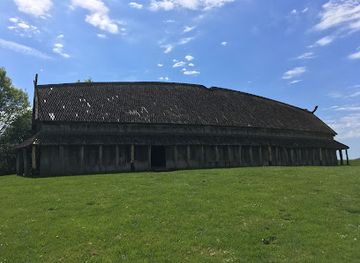
Slagelse's attractions combine a compact town centre with important sites in the surrounding landscape. Trelleborg, west of the town, is the area's principal historical draw: the Viking ring fortress, reconstructed longhouse and archaeological interpretation bring tenth-century Denmark into focus without confusing the rural site with the modern town. In Slagelse itself, St Mikkels Kirke and St Peders Kirke provide layers of medieval architecture, while the remains of Antvorskov Kloster reveal the town's former importance as a religious centre. Slagelse Museum adds local context through exhibitions connected with the area's people, industries and history. The central pedestrian streets and VestsjællandsCentret offer a more contemporary experience, with cafés, everyday Danish retail and opportunities to observe local life. Beyond the centre, cycle routes and country roads open towards West Zealand's villages, agricultural scenery and Great Belt landscapes.
-
History museum
Trelleborg - Museum of the Viking Age
A thousand-year-old Viking ring fortress where Harald Bluetooth’s warriors, longhouses and legends still shape the windswept fields of West Zealand.
16 min drive · 5.2 km from city centre
-
Museum
Panzermuseum East
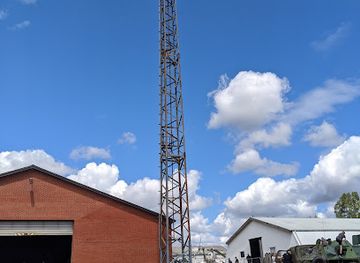
Scandinavia’s largest Eastern Bloc Cold War collection, where tanks, helicopters and hands-on adventure turn quiet Danish countryside into a living history playground.
31 min drive · 11 km from city centre
-
Tourist attraction
Stillinge Strand
A gently shelving sandy beach near Slagelse, where shallow waters, fine sand and wide sunsets create a relaxed slice of Danish west-coast seaside life.
30 min drive · 10 km from city centre
-
Park
Lystanlægget Slagelse
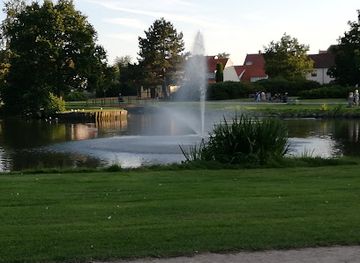
Historisk bypark med søer, blomsterbede og roligt hverdagsliv – et grønt åndehul med legeplads, stier og plads til picnic, lige ved centrum af Slagelse.
5 min walk · 0.4 km from city centre
Best landmarks in Slagelse
St Mikkels Kirke is one of Slagelse's principal historic buildings, its medieval origins reflecting the town's importance as a religious and commercial centre. St Peders Kirke adds another substantial ecclesiastical landmark to the central townscape, helping visitors understand how closely worship and urban development were connected in medieval Slagelse. South of the centre, Antvorskov Klosterruin marks the former Knights Hospitaller monastery founded in the twelfth century; the surviving remains are more fragmentary than monumental, but their historical importance is considerable. Slagelse's railway station and later commercial streets represent the town's transformation into a modern regional centre. Outside the urban area, Trelleborg's circular earthworks and reconstructed Viking buildings form the most distinctive landmark of the wider district, linking present-day West Zealand with the state-building era of Harald Bluetooth.
-
Tourist attraction
Kong Slags Dysse
Ancient stone burial mound with panoramic views, echoing Denmark's Neolithic heritage.
10 min drive · 3.3 km from city centre
-
Tourist attraction
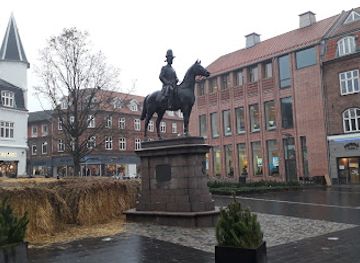
Rytterstatue af Christian IX
Bronze king on horseback surveys Slagelse from Schweizerpladsen—a citizen-honored tribute to Christian IX's enduring reign, sculpted with poised majesty.
3 min walk · 0.3 km from city centre
-
Tourist attraction
Mor Magdas træ
An ancient oak tree steeped in Danish folklore and rural heritage, standing as a living monument to local legend.
30 min drive · 9.9 km from city centre
-
Memorial park
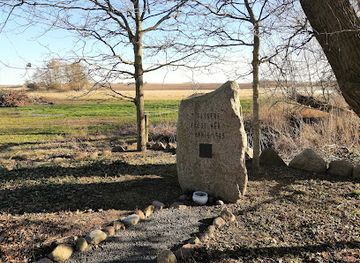
RAF Memorial Stone
Small rural monument, big wartime story: a quiet Danish field where seven RAF airmen are remembered with a single steadfast stone.
27 min drive · 9.0 km from city centre


Explore Slagelse on the map
Plan your Slagelse trip on one map. See where the top attractions, landmarks, restaurants, bars and hotels are, find what's near where you're staying, and book hotels and experiences in a few clicks.
Best hotels in Slagelse
Best restaurants in Slagelse
Slagelse's food scene reflects ordinary Danish regional life rather than a concentrated fine-dining quarter. Traditional menus may include smørrebrød, open sandwiches layered with fish, meat or cheese, as well as seasonal fish, pork dishes and hearty modern interpretations of Danish cooking. Bakeries and cafés are central to the town's daily rhythm, offering rye bread, pastries and coffee, while casual restaurants around the centre provide familiar Scandinavian and international choices. The surrounding agricultural landscape supports an interest in seasonal produce, and visitors may encounter local specialities through farm shops or regional markets rather than a single signature dish. Dining around the central streets and shopping areas is generally more convenient than searching for restaurants at the city's outskirts. As in much of Denmark, reservations can be useful for smaller restaurants, while café service tends to be more relaxed and informal.
-
Restaurant
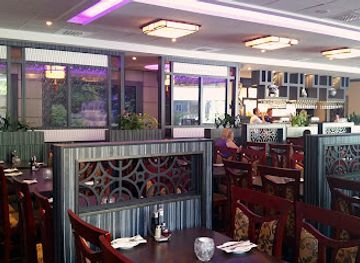
Restaurant Siang Jiang
Authentic Chinese buffet dining with fresh ingredients and warm hospitality in central Slagelse.
1 min walk · 0.1 km from city centre
-
Restaurant
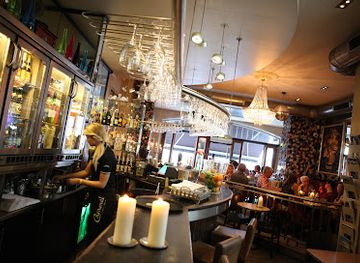
Café Caramel
All‑day brunches, classic café dishes and cocktails in a lively, historic building right on Schweizerpladsen, the social heart of Slagelse.
3 min walk · 0.3 km from city centre
-
Fast Food
Sunset Boulevard
Modern Danish fast-food stop in Slagelse offering burgers, sandwiches and quick, casual meals with long opening hours and convenient takeaway options.
14 min walk · 1.1 km from city centre
-
Fast Food
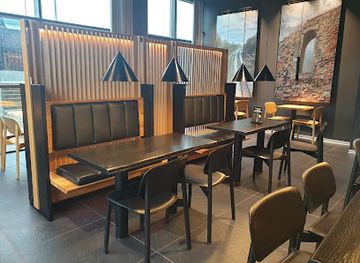
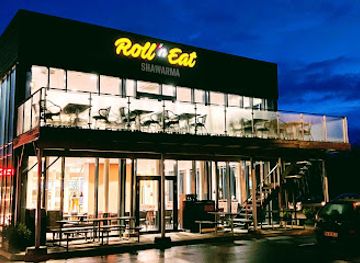
Roll 'n Eat - Slagelse
Denmark's first kebab drive-thru serving fresh shawarma and quality fast food in Slagelse.
13 min walk · 1.1 km from city centre
Best bars in Slagelse
Slagelse has a modest, locally oriented evening scene rather than the extensive club culture associated with Copenhagen. Central bars and pubs provide places for beer, conversation and televised sport, while cafés and restaurants offer quieter evenings around the shopping streets. Student and younger local life can add energy at particular times, but nightlife is generally concentrated in a small area and may vary considerably by day and season. Cultural events, concerts and performances at local venues offer alternatives to drinking, and the town's proximity to larger Zealand centres makes it possible to combine a quiet Slagelse evening with wider regional entertainment when transport arrangements allow. Visitors should expect Danish social habits, including a preference for relaxed conversation and orderly queues, and should check current venue information rather than assume late-night activity throughout the week.
-
Pub
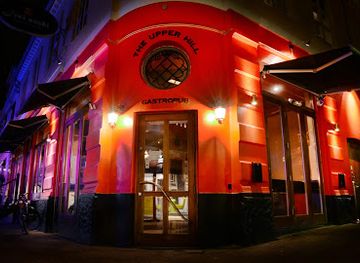
The Upper Hill
Cozy Irish-style pub in central Slagelse, serving generous pub dishes, broad beer and gin selections, live sports and music, plus outdoor tables on Fisketorvet.
2 min walk · 0.2 km from city centre
-
Bodega
Rosen Bodega
Unpretentious neighborhood bodega in central Slagelse, pouring inexpensive drinks and local character in a relaxed, lived-in bar setting.
2 min walk · 0.1 km from city centre
-
Bar
Teater Cafe'en
Cosy neighbourhood bar in central Slagelse, blending café calm by day with a sociable, theatre-tinged bar atmosphere late into the weekend nights.
6 min walk · 0.4 km from city centre
-
Bar
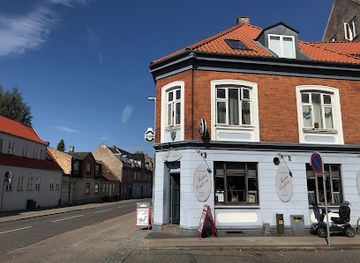
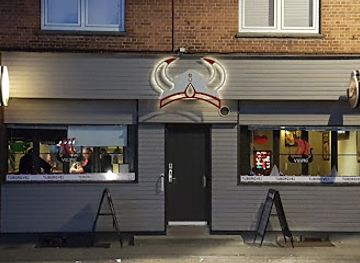
Cafe Viking.
Unpretentious local bar in central Slagelse, serving inexpensive drinks and everyday Danish pub atmosphere from midday into the late evening.
4 min walk · 0.3 km from city centre
Best nightclubs in Slagelse
Slagelse has a modest, locally oriented evening scene rather than the extensive club culture associated with Copenhagen. Central bars and pubs provide places for beer, conversation and televised sport, while cafés and restaurants offer quieter evenings around the shopping streets. Student and younger local life can add energy at particular times, but nightlife is generally concentrated in a small area and may vary considerably by day and season. Cultural events, concerts and performances at local venues offer alternatives to drinking, and the town's proximity to larger Zealand centres makes it possible to combine a quiet Slagelse evening with wider regional entertainment when transport arrangements allow. Visitors should expect Danish social habits, including a preference for relaxed conversation and orderly queues, and should check current venue information rather than assume late-night activity throughout the week.
-
Social club
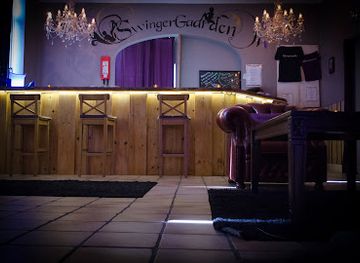
Swingergaarden
Discreet countryside swingers club near Slagelse, offering themed adult nights, intimate play spaces and a rules-based, consent-focused environment for open-minded guests.
24 min drive · 7.9 km from city centre
-
Disco club
Gecco Bar & Natklub
Loud, colorful, and unapologetically party‑focused, Gecco Bar & Natklub is Slagelse’s straightforward late‑night spot for dancing, drinks, and familiar club hits.
1 min walk · 0.1 km from city centre
-
Night club
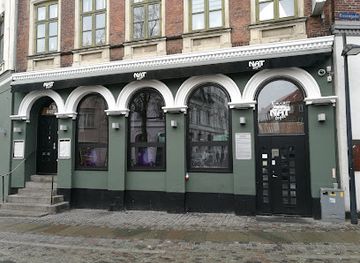
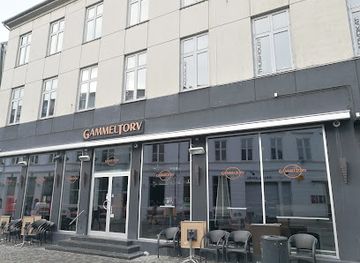
Gammeltorv
Slagelse's vibrant weekend nightclub where locals and visitors dance until dawn.
2 min walk · 0.1 km from city centre
Best shops in Slagelse
Shopping in Slagelse centres on the pedestrian streets and squares of the town centre, where Danish high-street retailers, cafés, service businesses and independent shops occupy a practical regional shopping area. VestsjællandsCentret provides an enclosed retail setting close to the centre, while smaller streets offer opportunities to browse local businesses and everyday Danish design and clothing. Visitors seeking distinctive products should look for regional food, bakery goods, Danish ceramics, homewares and seasonal items rather than expecting a specialised souvenir quarter. Supermarkets and market activity can be useful for assembling a picnic for excursions to Trelleborg or the surrounding countryside. The town's shopping character is primarily local and functional, with traditional urban commerce existing alongside modern retail rather than a large luxury or antique scene.
-
Shopping mall
Vestsjællandscentret
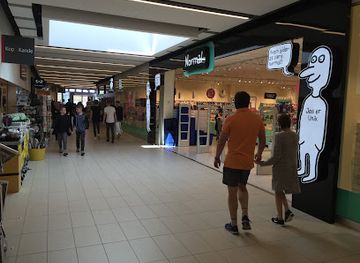
Modern, family-friendly shopping hub in the heart of Slagelse, mixing over 50 stores, cafés and services in a bright, weatherproof mall from 1969.
7 min walk · 0.6 km from city centre
-
Supermarket
Bazar Slagelse
Denmark's largest specialty supermarket bringing 2,000+ global flavors to Slagelse since 2009.
5 min walk · 0.4 km from city centre
-
Store
Normal
Farverig discountbutik midt i Vestsjællandscentret med skønhed, hverdagsting, snacks og festpynt til lave priser – perfekt som hurtigt dagligstop eller spontant fundsted.
7 min walk · 0.5 km from city centre
-
Second hand store
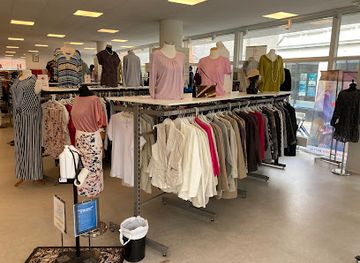
Red Cross charity shop - Slagelse
Volunteer-run second-hand treasure trove in central Slagelse, where ever-changing bargains meet everyday Danish life and each purchase supports Red Cross humanitarian work.
2 min walk · 0.2 km from city centre
Get your free copy of our complete guide to Slagelse, delivered straight to you.
Everything on this page, from attractions and restaurants to essentials and local phrases, in one PDF you can read offline, print or share.
Already have an account? Sign in
Your Slagelse guide is ready.
We'll send it to · Not you? Sign out

Getting your guide ready…
We are putting together a fresh copy of the Slagelse guide. This can take up to a minute.
This can take a few moments. If your browser asks, choose Allow so the download can start. You'll find the guide in your Downloads folder.
Nothing happened? Download it again
Sorry, the guide is taking longer than usual. Please try again in a minute, or get it by email instead.
Slagelse essentials
Currency and Payment
Safety
Emergency Situations
Do's and Don'ts
Local Tips
From Eve
Local phrases worth knowing
You don't need to get them perfect. A few words go a long way, and locals appreciate the effort.
Basics
| English | Local | Say it |
|---|---|---|
| Hello | Hej | [hey] |
| Goodbye | Farvel | [far-vel] |
| Yes | Ja | [ya] |
| No | Nej | [ney] |
| Please/You're welcome | Vær så god | [ver so go] |
| Thank you | Tak | [tak] |
| Excuse me/Sorry | Undskyld | [oon-skool] |
| How are you? | Hvordan har du det? | [vor-dan har doo deh] |
| Fine. And you? | Godt. Og du? | [goht. oh doo] |
| Do you speak English? | Taler du engelsk? | [tah-lehr doo eng-elsk] |
| I don't understand | Jeg forstår ikke | [yeh for-stoer eek-eh] |
Eating & Drinking
| English | Local | Say it |
|---|---|---|
| I'd like to see the menu, please | Jeg vil gerne se menukortet, tak | [yeh vil gern-eh seh menu-kor-teht, tak] |
| I don't eat meat | Jeg spiser ikke kød | [yeh spee-ser eek-eh kuth] |
| Cheers! | Skål! | [skowl] |
| I would like to pay, please | Jeg vil gerne betale, tak | [yeh vil gern-eh beh-tah-leh, tak] |
Emergencies
| English | Local | Say it |
|---|---|---|
| Help! | Hjælp! | [hyelp] |
| Go away! | Gå væk! | [go vehk] |
| Call the Police! | Ring til politiet! | [ring teel po-lee-tee-et] |
| Call a doctor! | Ring efter en læge! | [ring af-ter en lay-eh] |
| I'm lost | Jeg er faret vild | [yeh air fa-ret veeld] |
| I'm ill | Jeg er syg | [yeh air soog] |
Shopping
| English | Local | Say it |
|---|---|---|
| I'd like to buy... | Jeg vil gerne købe... | [yeh vil gern-eh ker-buh] |
| I'm just looking | Jeg kigger bare | [yeh kee-ger bar-eh] |
| How much is it? | Hvor meget koster det? | [vor meh-t kus-teh deh] |
| That's too expensive | Det er for dyrt | [deh eh for doo-airt] |
| Can you lower the price? | Kan du sænke prisen? | [kan doo sen-keh pree-sen] |
Time & Numbers
| English | Local | Say it |
|---|---|---|
| What time is it? | Hvad er klokken? | [vaht air kloh-ken] |
| It's one o'clock | Den er et | [dehn air eht] |
| Half past (10) | Halv ti | [halv tee] |
| Morning | Morgen | [mohr-gen] |
| Afternoon | Eftermiddag | [ef-ter-mee-thah] |
| Evening | Aften | [ahf-ten] |
| Yesterday | Igår | [ee-gohr] |
| Today | I dag | [ee dah] |
| Tomorrow | I morgen | [ee mohr-gen] |
| 1 | Et | [eht] |
| 2 | To | [too] |
| 3 | Tre | [treh] |
| 4 | Fire | [fee-reh] |
| 5 | Fem | [fem] |
| 6 | Seks | [seks] |
| 7 | Syv | [suv] |
| 8 | Otte | [oh-teh] |
| 9 | Ni | [nee] |
| 10 | Ti | [tee] |
Transport & Directions
| English | Local | Say it |
|---|---|---|
| Where's a/the...? | Hvor er en/den...? | [vor air en/dehn] |
| What's the address? | Hvad er adressen? | [vaht air ah-dres-sen] |
| Can you show me (on the map)? | Kan du vise mig (på kortet)? | [kan doo vee-seh meh (poh kor-teht)] |
| When's the next (bus)? | Hvornår går næste (bus)? | [vor-nar gohr nes-teh (boos)] |
| A ticket (to ....) | En billet (til ....) | [en bee-leht (teel ....)] |
History of Slagelse
Early Settlement and Regional Trade
Slagelse developed in a fertile part of western Zealand where roads connected inland settlements with the Great Belt coast and wider trading routes. The area was inhabited long before the medieval town emerged, and archaeological evidence from the region reflects settlement during prehistoric and Viking periods. Slagelse's position helped it become a market and administrative centre for surrounding farming communities. Its name is generally linked to an early settlement rather than a single known foundation event, and the town grew gradually around commerce, religious institutions and routes across Zealand.
Medieval Town Privileges
Slagelse was granted town privileges in 1288 during the reign of Erik Menved, confirming its importance as a market town. Medieval prosperity was supported by trade in agricultural goods and by the presence of churches and religious foundations. St Mikkels Kirke and St Peders Kirke remain important reminders of this period, although both buildings have been altered over the centuries. The medieval town established the urban pattern that still shapes central Slagelse, with ecclesiastical sites and commercial streets gathered within a relatively compact area.
Antvorskov Monastery
Antvorskov Kloster was founded in 1174 by Valdemar the Great for the Knights Hospitaller, a military religious order responsible for caring for the sick and supporting Christian interests in the region. The monastery became one of the order's most important Scandinavian houses and gave Slagelse considerable religious and political significance. After the Reformation in 1536, the monastery was taken by the Crown and later used as a royal residence. Much of the complex eventually disappeared, but the ruins south of Slagelse preserve its connection with medieval religious and administrative life.
The Viking Fortress at Trelleborg
Around the late tenth century, King Harald Bluetooth established a ring fortress at Trelleborg, west of present-day Slagelse. Its precise purpose remains discussed by historians, but the carefully planned fortification demonstrates the organisational reach of the Danish Viking kingdom. Trelleborg contained a circular rampart, internal longhouses and associated burial evidence, and it formed part of a network of similar fortresses in Denmark. The archaeological site is not within Slagelse's urban centre, yet its proximity gives the town an important place in the interpretation of Denmark's Viking Age.
Literary and Educational Connections
Slagelse Grammar School became associated with Hans Christian Andersen, who attended the school from 1822 to 1826 under the headmaster Simon Meisling. Andersen found his school years difficult, but the period was formative in his development as a writer. The connection is part of the town's cultural history rather than evidence that Slagelse was the setting for his best-known tales. More broadly, the school reflects the role of provincial grammar schools in nineteenth-century Denmark, when education helped connect regional towns with the country's developing literary and administrative culture.
Railways and Modern Regional Life
The nineteenth century brought stronger links between Slagelse and the rest of Zealand through improved roads and the railway. The railway connection made it easier for people, agricultural produce and manufactured goods to move between the town, Copenhagen, Funen and Jutland, reinforcing Slagelse's role as a regional service centre. Commercial expansion and later twentieth-century urban growth extended the town beyond its medieval core. Contemporary Slagelse retains this mixed identity: a historic market town, a railway-connected centre and a base for exploring the landscapes and heritage sites of western Zealand.
Slagelse in Photos
Browse through our photo collection highlighting the charm and character of the destination.
Cities near Slagelse
The closest cities to Slagelse, if you have time for more than one stop.
-
-
-

-

-


Swipe for more cities
Explore more

Explore more of Denmark
Discover Denmark: A perfect blend of history, modern design, and the cozy concept of hygge. Explore vibrant cities, serene landscapes, and world-class cuisine.
Explore Denmark