Danish Forsorgshistorisk Museum, Slagelse Travel Guide
Free Guide: A confronting museum in Slagelse’s former Andersvænge institution, tracing Denmark’s disability-care system through original rooms, objects and lived stories.


A brief summary of Danish Forsorgshistorisk Museum
A confronting museum in Slagelse’s former Andersvænge institution, tracing Denmark’s disability-care system through original rooms, objects and lived stories.
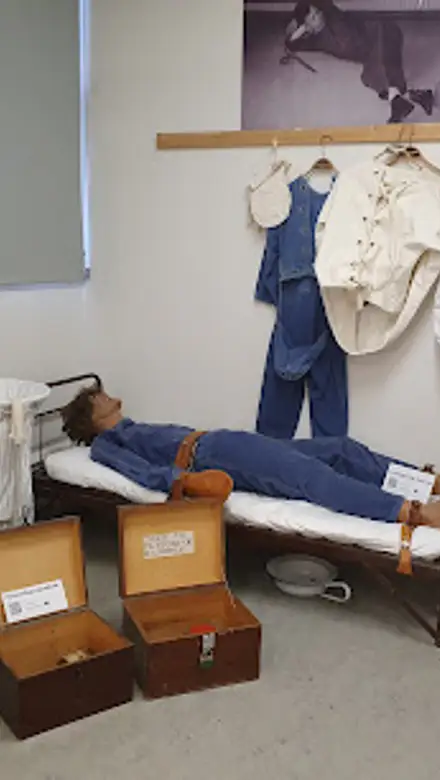
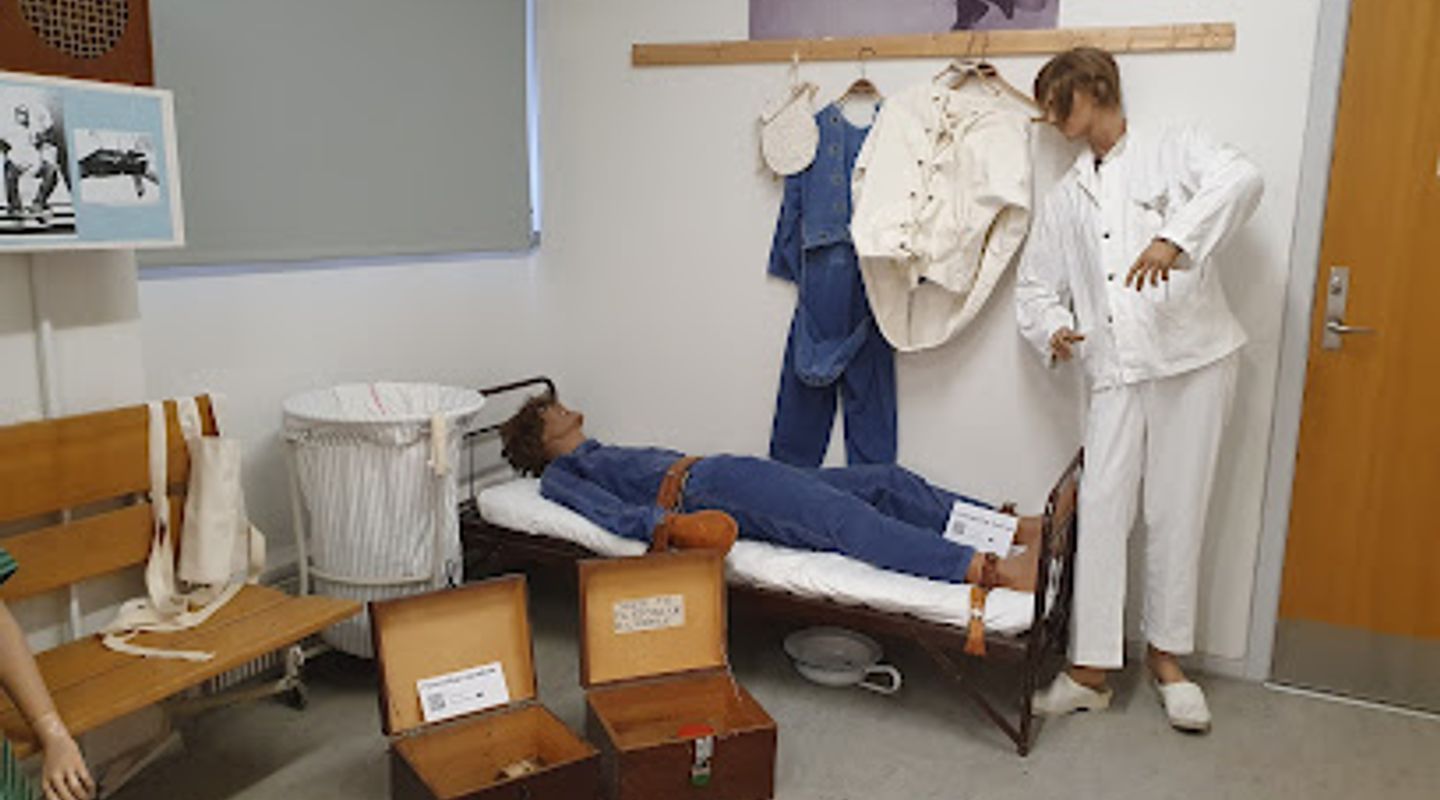
Set inside the former Andersvænge institution in Slagelse, Danish Forsorgshistorisk Museum confronts a rarely told chapter of Denmark’s welfare history: the lives of people once labeled “unfit” and hidden away. Original rooms, everyday objects and photo-rich displays turn policy into human reality—work, routines, control and the long shift from confinement toward rights and inclusion. Expect a reflective, intimate visit rather than a glossy museum day out.
On-site amenities
 Information boards
 Restrooms
Opening hours
- MonClosed
- TueClosed
- WedClosed
- Thu10 am–2 pm
- FriClosed
- SatClosed
- Sun1 pm–3 pm
Opening hours as listed on the venue’s Google Business Profile. Hours can change for services and special events, so check with the venue before you go.
- Address
- Rosenkildevej 59A, 4200 Slagelse
- Phone
- Website
Getting there
Local bus + short walk
Taxi / ride-hail
Bicycle
Walk
Discover more about Danish Forsorgshistorisk Museum
What this museum is—and why it matters
Danish Forsorgshistorisk Museum (Danish Welfare History Museum) is a small, hard-hitting museum on Rosenkildevej in Slagelse, based in original buildings from Andersvænge—one of Denmark’s large institutions within the historic “mental deficiency” care system. The museum’s focus is a social history that often sits outside mainstream narratives: how the state, professionals and society treated people with intellectual disabilities, and how everyday life unfolded behind institutional walls.
The setting: Andersvænge, preserved in place
This is not a neutral “white-box” gallery. The museum is housed in Andersvænge’s original premises, including spaces that once served the institution’s central kitchen and laundry. That physical continuity gives the visit its weight: you’re walking through rooms designed for a closed world of schedules, supervision and labor, not simply reading about them. Slagelse Municipality notes that during World War II Andersvænge housed around 700 residents and was one of Denmark’s 11 large institutions—also one of the city’s major workplaces at the time.
Inside: object-led exhibitions with a human edge
Expect a dense, object-led approach—tools, photographs, documents and institutional material culture—used to trace the shift “from object to human,” as the museum frames it. Multiple compact exhibitions build a picture of categories and hierarchies, the mechanics of daily routines, and the consequences of being separated from family and community. The museum’s own materials emphasize a period marked by internment and coercive policies, followed by a post-1959 turning point in attitudes and legislation toward support and normalization.
The atmosphere: quiet, confronting, and intensely local
The vibe is reflective rather than entertainment-driven. Even if you’ve visited big national museums, this one lands differently because it is rooted in Slagelse’s own landscape and memory: local staff, local buildings, local histories. Guided visits can be especially powerful, with the museum highlighting that some guides have personal links to the institution’s past.
Who should go
This is a must for travelers interested in social justice, welfare-state history, disability history, ethics in medicine and care, or anyone wanting to understand how “good intentions” and fear can shape systems. Families with older teens and university groups often get the most from it, while younger children may find the themes heavy. Accessibility is limited for visitors with reduced mobility and wheelchair users, so plan accordingly.
Evendo Review Centre
 Google
Guest reviews
Best time to go
Quietest: Jan, Feb & Nov · before 12pm or from 1pm
Busy times are Evendo estimates for a typical year, to help you plan. Actual crowds vary with events, school holidays and the weather.
Explore Danish Forsorgshistorisk Museum on the map
A handpicked selection of must-see spots near Danish Forsorgshistorisk Museum, mapped for you.
Get your free copy of our complete guide to Danish Forsorgshistorisk Museum, delivered straight to you.
Everything on this page, from opening hours and how to get there to Eve’s tips and the best time to go, in one PDF you can read offline, print or share.
Already have an account? Sign in
Your Danish Forsorgshistorisk Museum guide is ready.
We'll send it to · Not you? Sign out

Getting your guide ready…
We are putting together a fresh copy of the Danish Forsorgshistorisk Museum guide. This can take up to a minute.
This can take a few moments. If your browser asks, choose Allow so the download can start. You'll find the guide in your Downloads folder.
Nothing happened? Download it again
Sorry, the guide is taking longer than usual. Please try again in a minute, or get it by email instead.
Other nearby places you may find interesting
The closest places of the same kind, if this one is not quite what you had in mind.
-
-
-
-
-


Swipe for more places
More to explore near Danish Forsorgshistorisk Museum
-
 Best experiences near Danish Forsorgshistorisk Museum
-
 Best hotels near Danish Forsorgshistorisk Museum
-
 Best landmarks near Danish Forsorgshistorisk Museum
-
 Best attractions near Danish Forsorgshistorisk Museum
-
 Best shops near Danish Forsorgshistorisk Museum
-
 Best restaurants near Danish Forsorgshistorisk Museum
-
 Best bars near Danish Forsorgshistorisk Museum


Do you manage this location?
Take control to get all the benefits, like improved information, better appearance, and stronger visibility across AI-powered discovery.
Explore more
Explore more of Slagelse
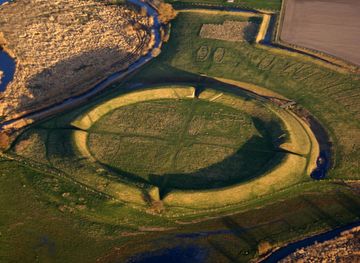
Discover Slagelse: A captivating blend of Viking history, vibrant culture, and natural beauty on the charming island of Zealand, Denmark.
Explore Slagelse
Explore more of Denmark
Discover Denmark: A perfect blend of history, modern design, and the cozy concept of hygge. Explore vibrant cities, serene landscapes, and world-class cuisine.
Explore Denmark