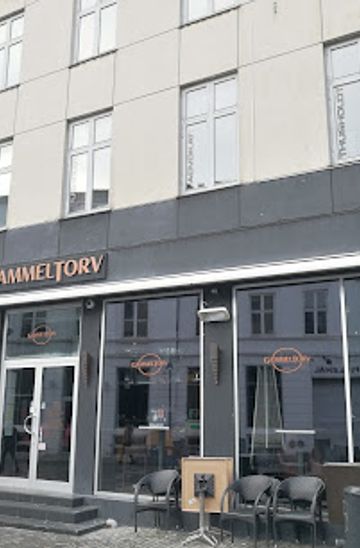
Gammeltorv
Copenhagen's 12th-century heart: Renaissance fountain, Neoclassical facades, and Strøget buzz in one timeless square.
Gammeltorv, Copenhagen's oldest square dating to the 12th century, buzzes with historic charm at its heart along the Strøget pedestrian zone. Centered by the Renaissance Caritas Well from 1610, it blends Neoclassical buildings rebuilt after the 1795 Great Fire with lively street performers, market stalls, and a vibrant atmosphere. Adjacent to Nytorv, it forms a spacious hub ideal for soaking in the city's medieval legacy amid shopping and cafes. In summer, it evokes a South European vibe with crowds and energy. Explore architectural gems like Bachmann House and Stelling House, marking centuries of judicial, political, and market life. Free to visit, it's a must for history lovers.
A brief summary to Gammeltorv
- Gamle Torv 2, Slagelse, 4200, DK
- Click to display
- Duration: 0.5 to 1.5 hours
- Free
-
 Outdoor
- Mobile reception: 5 out of 5
- Friday 9 pm-4 am
- Saturday 9 pm-4 am
Local tips
- Visit early weekday mornings for serene vibes around Caritas Well before crowds arrive.
- Seek out Bachmann House's pilasters and pediment for prime architectural photo angles.
- On April 16, watch for golden apples in the fountain celebrating the queen's birthday tradition.
- Pair your square stroll with Strøget shopping or Latin Quarter detours for a full day.
- Spot the paler paving stones marking the old city hall footprint underfoot.

Do you manage this location?
Take control to get all the benefits, like improved information, better appearance, and stronger visibility across AI-powered discovery. Learn more
Activate your presenceGetting There
-
Metro
Take S-train or metro to Nørreport Station, then 8-minute walk; services every 2-4 minutes daily, DKK 24 single ticket.
-
Walking
From Copenhagen Central Station, 10-12 minute flat walk along Strøget; fully pedestrianized, accessible year-round.
-
Bus
Bus 2A or 350S to Polititorvet stop, 5-minute walk; runs every 10-15 minutes, DKK 24 fare, avoids parking hassles.
-
Cycling
City bike from hubs near Nyhavn or Tivoli, 10-15 minute ride on bike lanes; DKK 30 for 24 hours via app, secure racks nearby.
For the on-the-go comforts that matter to you
-
 Drink Options
-
 Food Options
-
 Seating Areas
-
 Trash Bins
Gammeltorv location weather suitability
-
 Any Weather
-
 Rain / Wet Weather
-
 Mild Temperatures
-
 Clear Skies
Discover more about Gammeltorv
Medieval Origins and Enduring Legacy
Gammeltorv stands as Copenhagen's oldest square, tracing its roots to the city's 12th-century foundation. Historically the epicenter of judicial proceedings, political gatherings, and one of two principal marketplaces, it witnessed executions, celebrations, and daily commerce. Unlike its name suggesting primacy over nearby Amagertorv, Gammeltorv earned its title through sheer antiquity and centrality. The square's paving subtly outlines the footprint of a former city hall, a nod to its administrative past during Otto Käszner's 1993 refurbishment. House numbering in Copenhagen radiates from here, underscoring its role as the urban core.Caritas Well: Renaissance Jewel
At the square's heart rises the Caritas Well, a Renaissance fountain commissioned by King Christian IV in 1610. Adorned with dragon heads and allegorical figures symbolizing charity, it once sprinkled golden apples on the queen's birthday, April 16. This landmark anchors the space, its waters reflecting surrounding facades and drawing eyes upward to the interplay of light and stone. The fountain's survival through fires and rebuilds embodies resilience, inviting quiet contemplation amid the bustle.Architectural Mosaic Post-Great Fire
The Great Fire of 1795 razed much of Gammeltorv, prompting Neoclassical reconstructions from 1795 to 1801 on its north and west sides. Bachmann House at No. 18 boasts Ionic pilasters and a pediment, exuding monumentality. Suhr House at No. 22 mirrors this elegance. Later additions include Johan Schrøder's 1899 corner building with Frederiksborggade, Aage Langeland-Mathiesen's Renaissance-inspired 1898 structure at Nygade, and Ulrik Plesner's Neo-Baroque at No. 8 from 1906. Arne Jacobsen's Functionalist Stelling House introduces modernism, creating a harmonious blend of eras in compact confines.Vibrant Hub Along Strøget
Adjoining Nytorv, Gammeltorv forms a continuous pedestrian expanse along Europe's longest shopping street, Strøget. Summer transforms it into a lively tableau of market stalls, street musicians, and vendors offering churros and gelato. The atmosphere pulses with South European flair—crowds weaving through cobblestones, laughter echoing off facades. Cafes spill onto pavements, blending historic gravitas with contemporary energy. It's a natural pause for people-watching or transitioning to the Latin Quarter's scholarly vibe.Cultural and Sensory Tapestry
Daylight reveals intricate rustications and arched windows; evenings amplify the fountain's glow against shadowed porticos. Scents of fresh pastries mingle with urban hum, while seasonal markets add color bursts. Gammeltorv's small scale belies its density of styles—from Ionic orders to Functionalism—inviting slow exploration. It captures Copenhagen's essence: layered history without ostentation, communal space fostering serendipitous encounters.Explore the best of what Gammeltorv has to offer















More about Slagelse
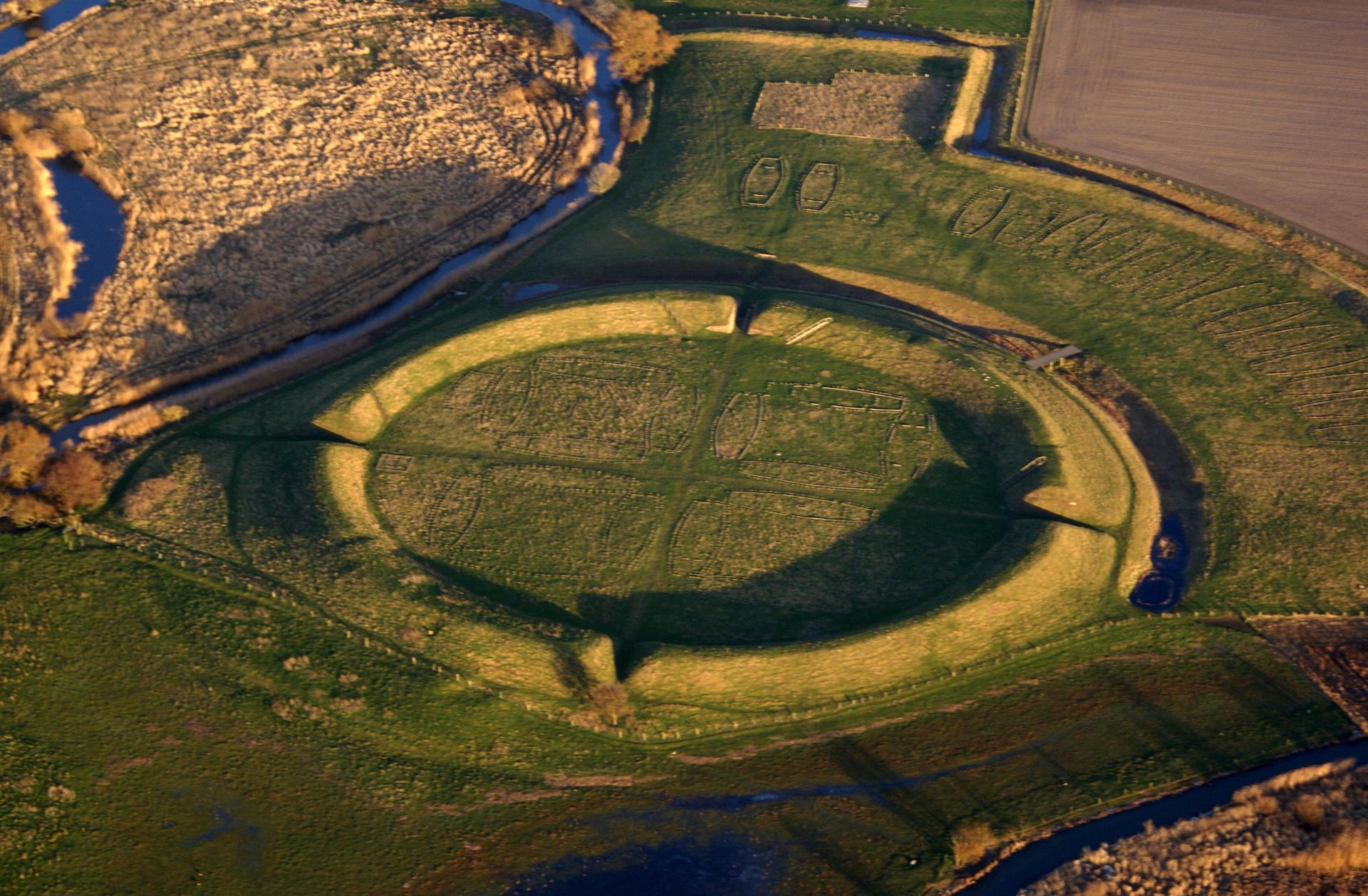
Discover Slagelse: A captivating blend of Viking history, vibrant culture, and natural beauty on the charming island of Zealand, Denmark.
Tell me more about Slagelse