

Tøndermarsken Travel Guide
Free Guide: Endless horizons, dramatic birdlife and centuries of dikes and pumping stations define Tøndermarsken, Denmark’s great marshland between the Wadden Sea and historic Tønder.


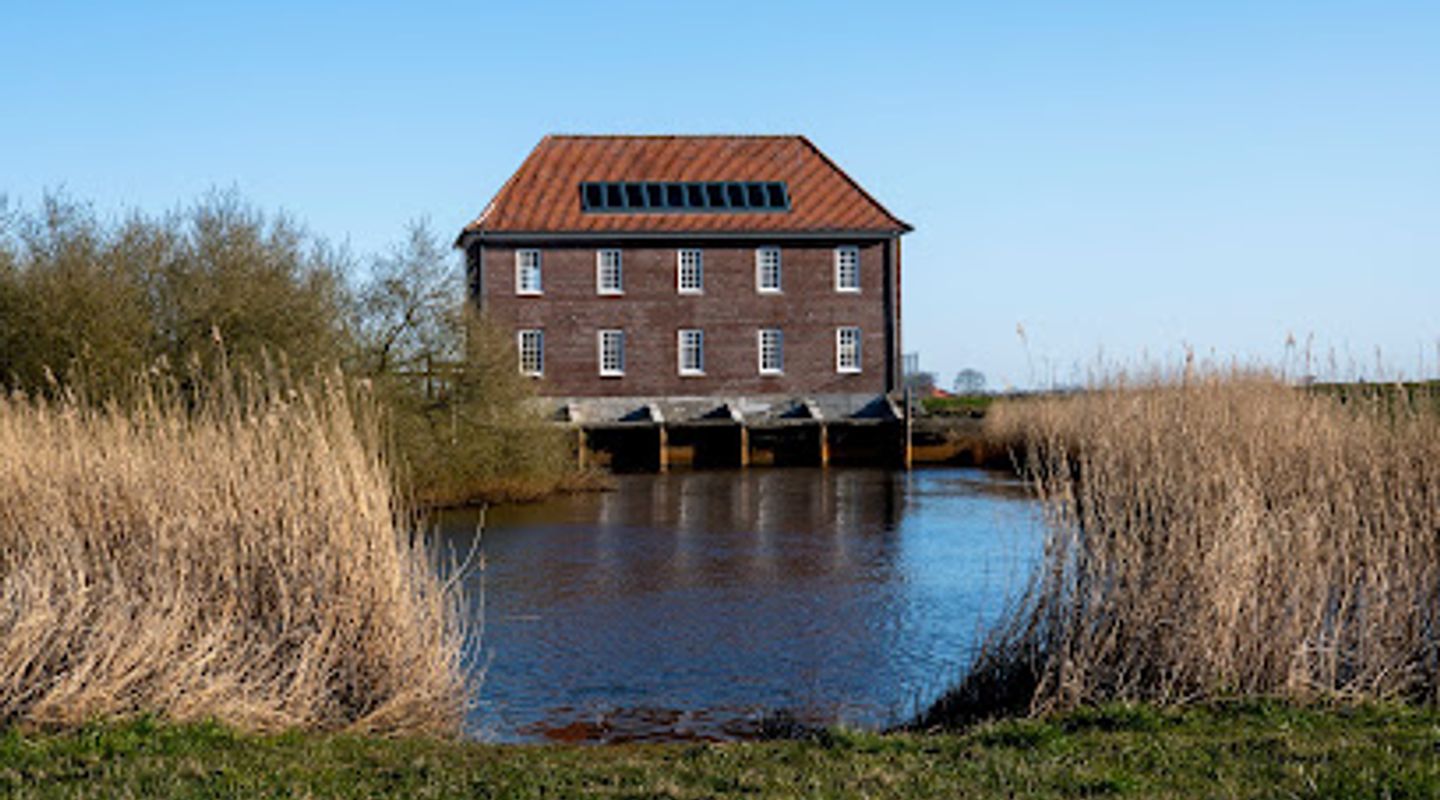
A brief summary of Tøndermarsken
Endless horizons, dramatic birdlife and centuries of dikes and pumping stations define Tøndermarsken, Denmark’s great marshland between the Wadden Sea and historic Tønder.
Tøndermarsken is Denmark’s largest marshland, a vast, low-lying landscape west of Tønder shaped by centuries of dikes, sluices and pumping stations that hold back the Wadden Sea. Open skies, long straight canals and grazing sheep define the scenery, while millions of migratory birds pass through in spring and autumn, creating the famous “Black Sun” starling murmurations. Waymarked trails, cycling routes and historic marsh towns reveal a rich interplay between water, culture and nature.
On-site amenities
 Restrooms
 Drink options
 Drinking water
 Food options
 Seating areas
 Sheltered areas
 Trash bins
 Information boards
 Visitor centre
Opening hours
- Every dayOpen 24 hours
Opening hours as listed on the venue’s Google Business Profile. Hours can change for services and special events, so check with the venue before you go.
- Address
- Wegners Pl. 2, 6270 Tønder
- Website
Getting there
Regional train and local walk
Local bus from Sønderjylland towns
Car from within southern Jutland
Discover more about Tøndermarsken
Where Sea, Sky and Marshland Meet
Tøndermarsken stretches west of Tønder as Denmark’s largest area of marshland, a flat, horizon-wide landscape where sky dominates everything. Here land, sea and brackish waterways blur into one another, interrupted only by dikes, canals and the silhouettes of sheep on distant embankments. Parts of the marsh lie within the Wadden Sea National Park and a wider UNESCO World Heritage setting, underscoring its importance as a cultural and natural landscape of international significance.At first glance the terrain can seem stark, even austere, but spend a little time here and its subtleties appear: shifting light, wind rippling across grasses, and the quiet sound of water moving through ditches and sluices. Long, straight paths make it easy to walk for hours with only the wind and birds for company.
A Landscape Engineered Against the Water
For centuries people in Tøndermarsken have lived both with and against the sea. Early dikes were built in the 1500s to hold back storm surges, followed by ever more sophisticated flood defences as engineering knowledge advanced. Today the area is laced with embankments, sluices and large pumping stations that continually lift freshwater from the low-lying fields into higher, diked waterways.Exhibitions at facilities such as Lægan Pumping Station explain how rainwater flows via field drains and ditches into canals before being raised by powerful pumps into the outer channels. Seeing these installations in the middle of such a flat landscape gives a vivid sense of how precarious life here once was, and how much effort still goes into keeping the land dry and cultivable.
Birdlife and the Drama of the “Black Sun”
Tøndermarsken is one of northern Europe’s key bird habitats, particularly during spring and autumn migration. The wetlands, reed beds and shallow waters provide feeding grounds for countless waders, geese and ducks, while raptors patrol overhead. Birdwatchers come for the sheer abundance of species and for the scale of the flocks that pass through.The most famous spectacle is the so-called “Black Sun,” when hundreds of thousands of starlings gather at dusk and perform swirling aerial dances before settling to roost in the reeds. This phenomenon is most reliably seen around March–April and from late summer into autumn, though smaller murmurations may appear at other times. Even outside peak seasons, the constant bird activity and vast skies make binoculars almost essential.
Trails, Dikes and Slow Journeys
Exploring Tøndermarsken is best done slowly, on foot or by bike. The 54-kilometre Marsh Trail loops through the area, passing dikes, pumping stations, open marshland, lakes and canals. Eight shorter routes allow you to sample sections without committing to the full distance. Surfaces are generally firm and level, though exposed to wind and weather, so layered clothing is sensible.Cyclists can combine the marsh with long-distance routes such as the West Coast Route or the Royal Marsh cycling trail, which glide along dike crests and quiet backroads. The combination of big skies, straight horizons and sparse traffic creates a distinctive sense of freedom, while the ever-present soundscape of wind, distant sheep and bird calls underlines how far you are from city bustle.
Marsh Towns, Windmills and Building Traditions
Scattered around the marsh are small towns and villages whose architecture reflects centuries of life on the edge of the sea. Tønder, the main hub, has historic merchants’ houses, richly decorated doors and a church famed for its Renaissance interior, alongside a water tower that showcases Danish design. In Højer, one of Europe’s largest Dutch windmills overlooks the marsh, a reminder of the region’s agricultural history and the need to grind grain close to where it was grown.Møgeltønder, sometimes described as a castle village, offers cobbled streets lined with linden trees and elegant thatched houses, while large structures such as the Slotfelt Barn demonstrate how hay from the marshes was once stored on a grand scale. Together, these settlements frame Tøndermarsken not just as a natural destination, but as a living cultural landscape where architecture, engineering and agriculture all tell stories of water, risk and resilience.
Evendo Review Centre
 Google
Guest reviews
Best time to go
Quietest: Jan, Feb & Jun · before 6am or from 11pm
Busy times are Evendo estimates for a typical year, to help you plan. Actual crowds vary with events, school holidays and the weather.
Explore Tøndermarsken on the map
A handpicked selection of must-see spots near Tøndermarsken, mapped for you.
Get your free copy of our complete guide to Tøndermarsken, delivered straight to you.
Everything on this page, from opening hours and how to get there to Eve’s tips and the best time to go, in one PDF you can read offline, print or share.
Already have an account? Sign in
Your Tøndermarsken guide is ready.
We'll send it to · Not you? Sign out

Getting your guide ready…
We are putting together a fresh copy of the Tøndermarsken guide. This can take up to a minute.
This can take a few moments. If your browser asks, choose Allow so the download can start. You'll find the guide in your Downloads folder.
Nothing happened? Download it again
Sorry, the guide is taking longer than usual. Please try again in a minute, or get it by email instead.
Other nearby places you may find interesting
The closest places of the same kind, if this one is not quite what you had in mind.
-
Sønderborg Castle An almost 800-year-old waterfront fortress turned museum, Sønderborg Castle explores Southern Jutland’s borderland history amid Renaissance halls, dungeons and a tranquil park.
-
Deutsches Museum Nordschleswig A modern borderland museum in Sønderborg exploring the history, culture and identity of the German minority in Northern Schleswig.
-
Dybbøl Mill A battle-scarred windmill on Dybbøl Banke, Dybbøl Mill combines working machinery, battlefield history and national symbolism above the fjord at Sønderborg.
-
Historiecenter Dybbøl Banke Experience the dramatic 1864 war through immersive reconstructions and sensory storytelling on Denmark's most significant battlefield.
-
Hønekilden A tiny harbourfront oasis where a royal water source, bronze hens and centuries of Sønderborg legends gather around a once-famous spring.
Swipe for more places
More to explore near Tøndermarsken

 Best experiences near Tøndermarsken
 Best hotels near Tøndermarsken
 Best landmarks near Tøndermarsken
 Best attractions near Tøndermarsken
 Best shops near Tøndermarsken
 Best restaurants near Tøndermarsken
 Best bars near Tøndermarsken
Do you manage this location?
Take control to get all the benefits, like improved information, better appearance, and stronger visibility across AI-powered discovery.
Explore more
Explore more of Sønderjylland
Sønderjylland: A Journey Through Denmark's Scenic Landscapes, Rich History, and Vibrant Traditions.
Explore Sønderjylland
Explore more of Denmark
Discover Denmark: A perfect blend of history, modern design, and the cozy concept of hygge. Explore vibrant cities, serene landscapes, and world-class cuisine.
Explore Denmark
