

Stevns Lighthouse Travel Guide
Free Guide: Historic stone lighthouse perched atop Stevns Klint, blending Baltic seascapes, Cold War echoes and sweeping UNESCO-listed cliff-top views.


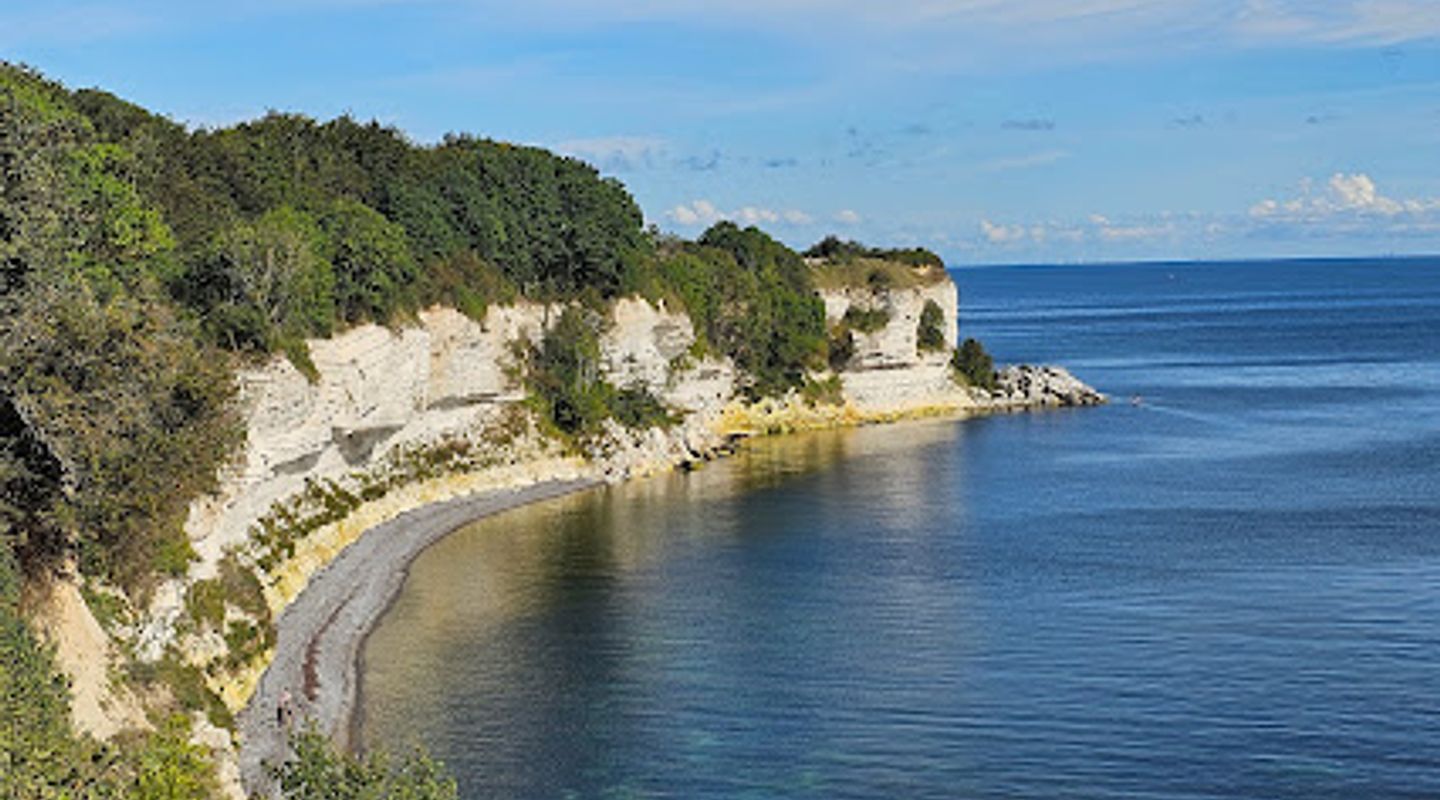
A brief summary of Stevns Lighthouse
Historic stone lighthouse perched atop Stevns Klint, blending Baltic seascapes, Cold War echoes and sweeping UNESCO-listed cliff-top views.
Perched dramatically on the edge of Stevns Klint, Stevns Lighthouse is a 27 m tall beacon rising 42 m above the Baltic Sea on Denmark’s UNESCO-listed coast. This historic light station pairs maritime heritage with sweeping panoramas that can stretch to Sweden on a clear day. Wander the former keeper’s grounds, explore Cold War traces in the surrounding landscape and climb the spiral stairs for a wind-in-your-hair view over flat farm country and sheer white cliffs.
On-site amenities
 Restrooms
 Drink options
 Drinking water
 Food options
 Seating areas
 Sheltered areas
 Picnic areas
 Trash bins
 Information boards
 Visitor centre
Opening hours
- Mon11 am–3 pm
- Tue11 am–3 pm
- Wed11 am–3 pm
- Thu11 am–3 pm
- Fri11 am–5 pm
- Sat11 am–5 pm
- Sun11 am–5 pm
Opening hours as listed on the venue’s Google Business Profile. Hours can change for services and special events, so check with the venue before you go.
- Address
- Fyrvej 2, 4660 Store Heddinge
- Phone
- Website
Getting there
Regional train + local bus from Copenhagen
Car from Copenhagen or Køge
Cycling from Store Heddinge and local area
Walking along sections of Stevns Klint trail
Discover more about Stevns Lighthouse
A Baltic Beacon Above the White Cliffs
Stevns Lighthouse stands at the highest point of Stevns Klint, the chalk cliff coastline on Zealand’s southeastern shore. The 27 m tower sits 42 m above sea level, lifting its lantern high above the Baltic and giving visitors a commanding view of the flat agricultural landscape inland and the broad horizon out to sea. On days with clear visibility, the coastline of Sweden often appears as a faint blue band beyond the shipping lanes.The lighthouse forms part of the wider Stevns Klint area, recognised by UNESCO for its geological story of the asteroid impact that ended the age of the dinosaurs. Here, however, the focus is on navigation, seafaring and the human stories tied to this exposed headland. The site combines open lawns, historic buildings and an unbroken sense of sky and sea.
From 1818 Lantern to 1878 Stone Tower
The first lighthouse at Stevns dates back to 1818, when a then state-of-the-art light was installed in a low building close to the cliff edge. That original structure still stands and offers a tangible link to the early era of modern navigation in the Baltic, when improved beacons helped guide increasingly busy trade routes.By 1878 a new, freestanding lighthouse was needed, and the current circular tower was built in limestone quarried directly from the nearby cliff. Farmworkers from the Gjorslev estate helped carve and raise the stone, anchoring the tower firmly into the local landscape both geologically and socially. The simple, sturdy design reflects practical needs rather than ornament, yet the pale stone against the sky gives the tower a quiet elegance.
Inside the Tower and Around the Keeper’s Yard
When the tower is open, visitors can climb the internal staircase, which narrows as it spirals toward the lantern room. The ascent is relatively short but feels atmospheric, passing old technical installations and thick masonry. At the top, an exterior gallery encircles the lantern, offering an intimate sense of how keepers once checked the light and watched the horizon through all kinds of weather.At ground level, the former keeper’s residence and outbuildings host small exhibitions on maritime navigation and the role of Stevns in Denmark’s coastal defence network. Panels and simple displays introduce the development of lighthouse technology, from oil lamps and lenses to more modern systems. The surrounding yard is defined by traditional buildings, gravel surfaces and clipped lawns, a compact ensemble that feels both functional and homely.
Cold War Watchpoint and Migrating Bird Highway
Stevns Lighthouse shares its clifftop with installations from the Cold War era, when this stretch of coastline formed part of NATO’s front line facing the Baltic. Nearby radar and missile sites once scanned the same sea that the lighthouse lantern illuminated for civilian shipping. Today, remnants of this period lend an extra layer of historical depth, connecting peaceful coastal scenery with decades of quiet military vigilance.The headland is also a notable migration route for birds. Each year, large numbers of seabirds and raptors pass along the cliff, taking advantage of updrafts and following the coast as a natural guide. From the lighthouse grounds and viewing platforms, it is often possible to watch flocks tracing the shoreline or circling in the wind, adding movement and life to the already dramatic backdrop of sea and sky.
Café Lawn, Coastal Air and Cliff-Top Strolls
Next to the lighthouse, a seasonal café serves simple lunches, cakes and drinks, with outdoor tables spilling onto a broad lawn. Visitors linger here between climbs, playing lawn games, reading on benches or simply watching ships slide silently across the horizon. The smell of chalk and seaweed mixes with the aromas of coffee and the constant salt-tinged breeze.Paths lead from the lighthouse into the wider Stevns Klint landscape, where coastal trails follow the cliff edge and connect with other viewpoints, churches and small villages. Even a short stroll around the grounds reveals changing angles on the lighthouse tower, the sheer drop of the cliff and the wide open countryside behind it. It is a compact site, yet one that can absorb an unhurried hour or two of quiet exploration and contemplation.
Evendo Review Centre
 Google
Guest reviews
Best time to go
Quietest: Jan, Feb & Mar · before 7am or from 9pm
Busy times are Evendo estimates for a typical year, to help you plan. Actual crowds vary with events, school holidays and the weather.
Explore Stevns Lighthouse on the map
A handpicked selection of must-see spots near Stevns Lighthouse, mapped for you.
Get your free copy of our complete guide to Stevns Lighthouse, delivered straight to you.
Everything on this page, from opening hours and how to get there to Eve’s tips and the best time to go, in one PDF you can read offline, print or share.
Already have an account? Sign in
Your Stevns Lighthouse guide is ready.
We'll send it to · Not you? Sign out

Getting your guide ready…
We are putting together a fresh copy of the Stevns Lighthouse guide. This can take up to a minute.
This can take a few moments. If your browser asks, choose Allow so the download can start. You'll find the guide in your Downloads folder.
Nothing happened? Download it again
Sorry, the guide is taking longer than usual. Please try again in a minute, or get it by email instead.
Other nearby places you may find interesting
The closest places of the same kind, if this one is not quite what you had in mind.
-
-
-
-
-


Swipe for more places
More to explore near Stevns Lighthouse

 Best experiences near Stevns Lighthouse
 Best hotels near Stevns Lighthouse
 Best landmarks near Stevns Lighthouse
 Best attractions near Stevns Lighthouse
 Best shops near Stevns Lighthouse
 Best restaurants near Stevns Lighthouse
 Best bars near Stevns Lighthouse
Do you manage this location?
Take control to get all the benefits, like improved information, better appearance, and stronger visibility across AI-powered discovery.
Explore more
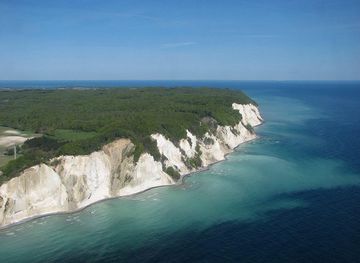
Explore more of South Zealand
Discover South Zealand, where dramatic cliffs, historic castles, and charming coastal towns create the perfect Danish escape.
Explore South Zealand
Explore more of Denmark
Discover Denmark: A perfect blend of history, modern design, and the cozy concept of hygge. Explore vibrant cities, serene landscapes, and world-class cuisine.
Explore Denmark
