

Free South Zealand Travel Guide & Mobile App
Explore South Zealand with free travel guides. Discover regional history, expert tips, proposed trips, and audio guides on web or mobile app.


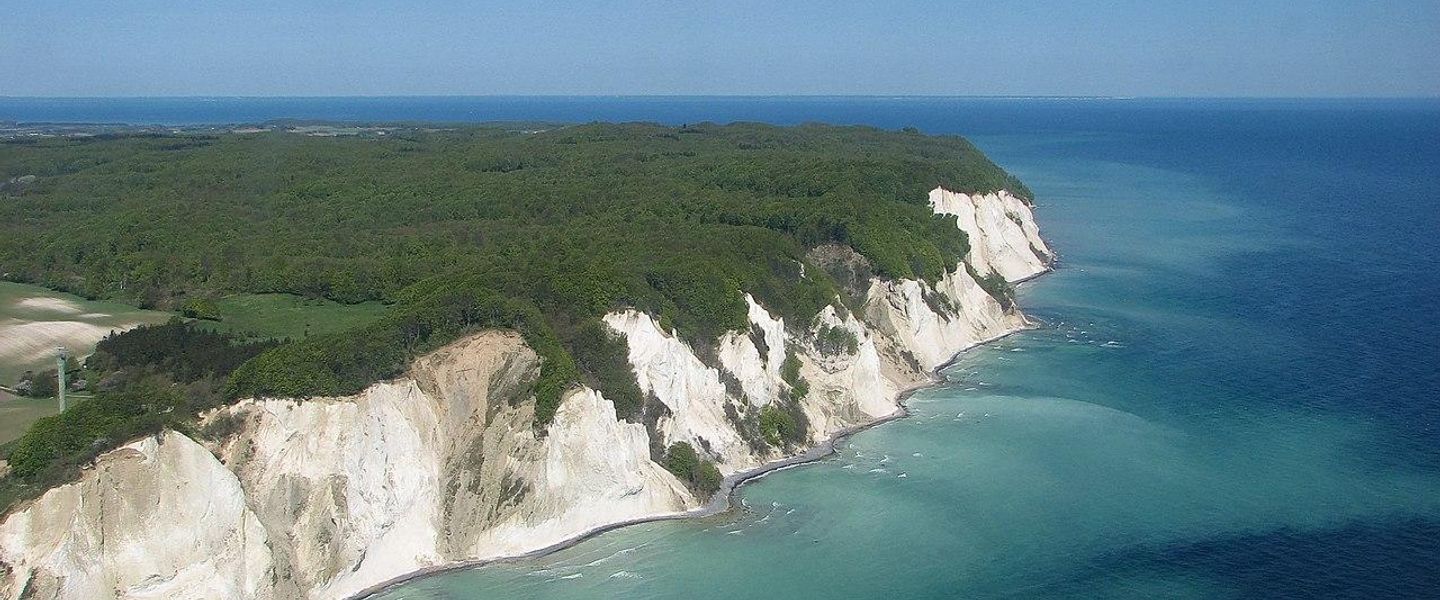


Discover South Zealand, where dramatic cliffs, historic castles, and charming coastal towns create the perfect Danish escape.
Read more about South Zealand
When is the best time to visit South Zealand?
Best: June–August · 19–22°C| Month | High (°C) | Rainfall (mm) |
|---|---|---|
| January | 2 | 46 |
| February | 3 | 35 |
| March | 6 | 36 |
| April | 10 | 36 |
| May | 16 | 42 |
| June (best) | 19 | 53 |
| July (best) | 22 | 63 |
| August (best) | 21 | 63 |
| September | 17 | 61 |
| October | 13 | 56 |
| November | 9 | 56 |
| December | 4 | 56 |
Getting to and around South Zealand
How to get there
Transportation
Top city travel guides in South Zealand
The cities of South Zealand, and the easiest places to base yourself.
-
 Roskilde
Discover Roskilde: A blend of rich history, Viking heritage, and vibrant music culture in the heart of Denmark, just a short journey from Copenhagen.
Roskilde
Discover Roskilde: A blend of rich history, Viking heritage, and vibrant music culture in the heart of Denmark, just a short journey from Copenhagen.
-
 Køge
Explore Køge, Denmark's coastal gem, with its medieval charm, beautiful marina, and close proximity to the stunning Stevns Klint UNESCO World Heritage site.
Køge
Explore Køge, Denmark's coastal gem, with its medieval charm, beautiful marina, and close proximity to the stunning Stevns Klint UNESCO World Heritage site.
-
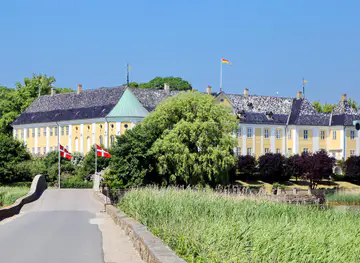 Naestved
Discover Næstved: A charming Danish city with rich history, vibrant arts, stunning nature, and delectable cuisine, perfect for a memorable and diverse vacation.
Naestved
Discover Næstved: A charming Danish city with rich history, vibrant arts, stunning nature, and delectable cuisine, perfect for a memorable and diverse vacation.
-
 Slagelse
Discover Slagelse: A captivating blend of Viking history, vibrant culture, and natural beauty on the charming island of Zealand, Denmark.
Slagelse
Discover Slagelse: A captivating blend of Viking history, vibrant culture, and natural beauty on the charming island of Zealand, Denmark.
Swipe for more cities
Best attractions in South Zealand
South Zealand, Denmark is a treasure trove of historical and natural wonders, offering visitors a rich tapestry of experiences. Explore the ancient Viking ring fortress of Trelleborg and immerse yourself in the vibrant past at the medieval Gavnø Castle, adorned with stunning gardens and art collections. Wander through the charming streets of Køge, where cobblestone lanes are lined with well-preserved half-timbered houses and bustling markets. Nature enthusiasts will be enthralled by the pristine beauty of Møns Klint, with its dramatic chalk cliffs and lush woodlands. The enchanting island of Møn also boasts the UNESCO-listed Stevns Klint, a geological marvel that tells a story millions of years in the making. For a touch of serenity, visit the picturesque village of Præstø, nestled by a tranquil fjord, perfect for leisurely boat rides and sampling local cuisine. South Zealand is a captivating blend of history, culture, and natural splendor, ensuring every traveler finds something to marvel at.
-
Theme park
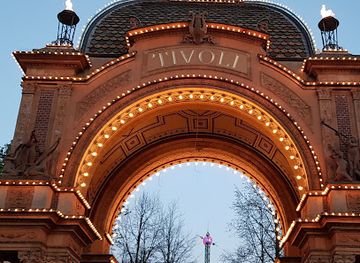
Tivoli Gardens
Historic pleasure gardens, glowing lights and roller coasters meet concerts, theatre and seasonal magic in Copenhagen’s most atmospheric amusement park.
-
Aquarium
National Aquarium Denmark
Northern Europe’s largest aquarium, where bold waterfront architecture, sharks, sea otters and a rainforest dome create a fully immersive journey beneath the surface.
-
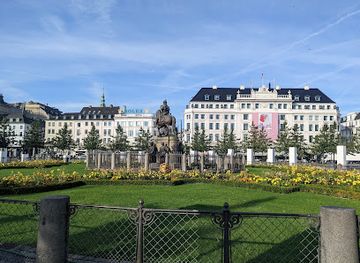
Kongens Nytorv
Copenhagen’s historic showpiece square, where baroque façades, royal monuments and everyday city life meet above a busy modern metro hub.
-
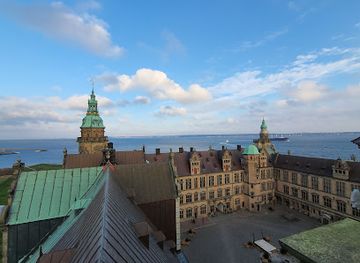
Castle
Kronborg Castle
UNESCO‑listed Renaissance stronghold over the Øresund, famed as Shakespeare’s Elsinore and home to royal grandeur, sea‑battered ramparts and the legend of Holger Danske.

Best landmarks in South Zealand
South Zealand in Denmark is a treasure trove of captivating landmarks that promise a journey through time and nature. Start your exploration at the majestic Gavnø Castle, where you can stroll through enchanting gardens and admire an impressive art collection. Delve into history at the medieval Vordingborg Castle, known for its iconic Goose Tower and panoramic views of the surrounding sea. For a unique experience, visit the Cold War Museum Stevnsfort, a subterranean fortress that offers a chilling glimpse into Denmark's military past. Nature enthusiasts will be mesmerized by the white cliffs of Møns Klint, perfect for hiking and fossil hunting, while the serene shores of Karrebæksminde invite relaxation and beachside fun. Don't miss the charming town of Næstved, where cobblestone streets and vibrant street art create a perfect blend of old and new. Each landmark in South Zealand offers a distinct slice of Danish culture, history, and natural beauty, making it an ideal destination for curious travelers.
-
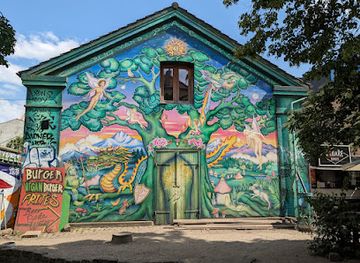
Tourist attraction
Christiania
Christiania is Copenhagen’s colorful, self-governed district, renowned for its bohemian spirit, visionary art, communal living, lush parks, and bold counterculture history.
-
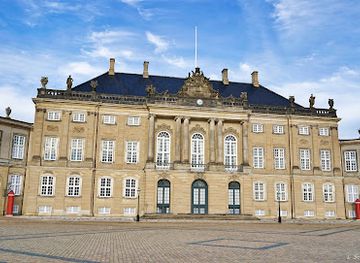
Castle
Amalienborg Palace
Denmark's living royal residence where centuries of monarchy meet daily pageantry and architectural splendor.
-
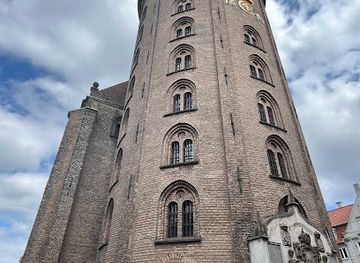
Observatory
The Round Tower
Copenhagen's iconic spiral-ramped observatory and cultural landmark, where 384 years of royal vision meets contemporary art and stargazing.
-
Promenade
Langelinie
Copenhagen's iconic waterfront where maritime heritage, mythological monuments, and the world-famous Little Mermaid converge.
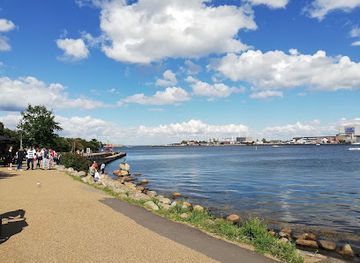
Explore South Zealand on the map
Plan your trip on one map. See where the top cities, national parks and sights are, and book hotels and experiences in a few clicks.
Best hotels in South Zealand
Best restaurants in South Zealand
South Zealand's dining scene is a tantalizing blend of traditional Danish cuisine and modern gastronomic innovation, offering visitors an unforgettable culinary journey. Picture yourself savoring fresh, locally sourced seafood in charming coastal towns like Næstved and Vordingborg, where quaint harborside bistros serve up dishes that are as picturesque as the scenery. Venture inland to explore farm-to-table restaurants in the lush countryside, where the flavors of organic produce and artisanal cheeses tell the story of the region's agricultural heritage. Don't miss the opportunity to indulge in Danish pastry delights at rustic bakeries, or to experience the unique fusion of Nordic and international flavors at contemporary eateries that push the boundaries of taste. South Zealand promises a dining experience that is both deeply rooted in tradition and vibrantly forward-thinking, making it a must-visit for food enthusiasts.
-
Restaurant
Restaurant Tight
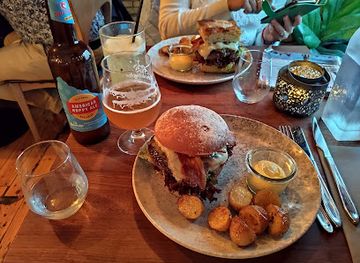
Cozy multi-level Copenhagen hideaway blending Nordic ingredients, global flavors, smoky grill plates and a welcoming bar just steps from the historic city heart.
-
Modern European
Vækst
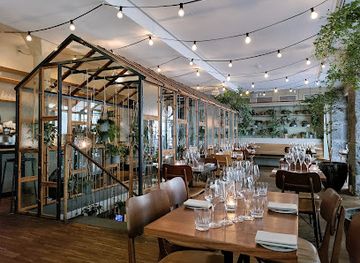
A lush greenhouse restaurant in Copenhagen’s Latin Quarter, serving vegetable‑forward Nordic cuisine in a softly lit, garden‑like interior spread across two intimate floors.
-
Fast food restaurant
McDonald's Ringsted
Denmark's largest McDonald's with playground, McCafé, and 300-seat capacity in Ringsted Designer Outlet.
-
Restaurant
Restaurant Puk
Historic Copenhagen inn turned cozy Danish restaurant, serving smørrebrød, roasts and Nordic–French classics in a cobbled courtyard off Vandkunsten.
Best bars in South Zealand
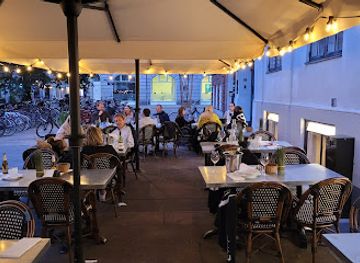
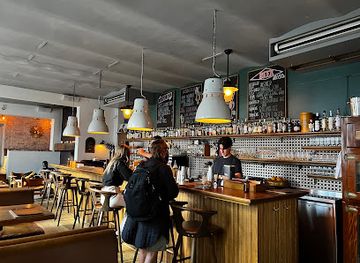
South Zealand's nightlife scene offers a delightful blend of cozy, intimate bars and vibrant nightclubs, each exuding a unique Danish charm. In the historical town of Vordingborg, visitors can enjoy a relaxed evening sipping on craft beers at local pubs steeped in medieval history, while the coastal town of Næstved boasts an array of lively clubs where you can dance the night away to both local and international beats. For those seeking a more tranquil experience, the seaside village of Præstø offers elegant wine bars with stunning views of the fjord, perfect for unwinding after a day of exploration. The region's nightlife is a harmonious mix of the old and new, ensuring an unforgettable experience for every type of traveler.
-
Bar
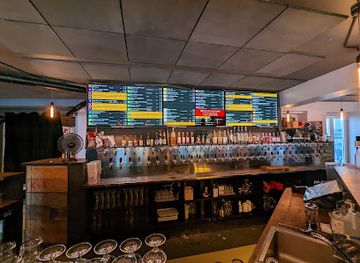
Taphouse
Copenhagen’s central craft beer hub with 60‑plus rotating taps, Nordic minimalism and an easygoing, conversation‑first atmosphere just behind City Hall Square.
-
Cocktail bar
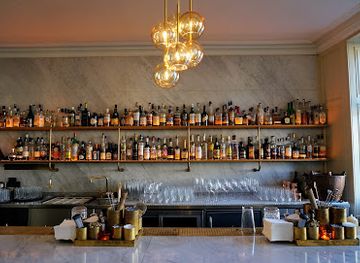
Ruby
An unmarked 18th‑century townhouse on Nybrogade hides Ruby, a quietly glamorous cocktail institution where inventive drinks meet candlelit canal-side charm.
-
Pub
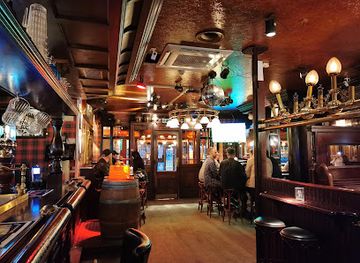
The Scottish Pub
Dark wood, cold beer and late nights on Copenhagen’s main square at this no‑nonsense Scottish‑themed pub with sports, music and a lively mixed crowd.
-
Bar
Lidkoeb
Multi-level Vesterbro cocktail hideaway with fireplaces, a whisky loft and a lantern-lit courtyard blending Nordic coziness with inventive, craft-first drinks.
Best nightclubs in South Zealand
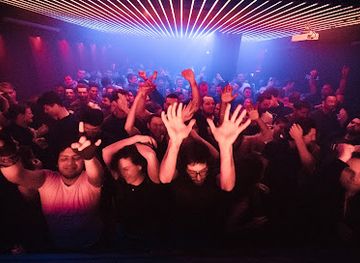
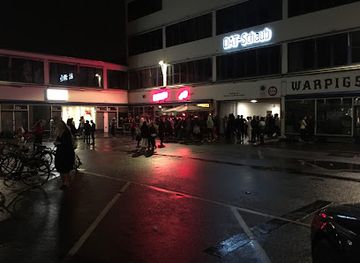
South Zealand's nightlife scene offers a delightful blend of cozy, intimate bars and vibrant nightclubs, each exuding a unique Danish charm. In the historical town of Vordingborg, visitors can enjoy a relaxed evening sipping on craft beers at local pubs steeped in medieval history, while the coastal town of Næstved boasts an array of lively clubs where you can dance the night away to both local and international beats. For those seeking a more tranquil experience, the seaside village of Præstø offers elegant wine bars with stunning views of the fjord, perfect for unwinding after a day of exploration. The region's nightlife is a harmonious mix of the old and new, ensuring an unforgettable experience for every type of traveler.
-
Night club
Culture Box
Denmark's iconic underground electronic music venue, hosting world-class techno and house artists since 2005.
-
Night club
Club Mambo
Latin beats, easygoing dining and late-night dancing come together at this compact salsa-flavoured nightclub just steps from Copenhagen’s City Hall Square.
-
Night club
Baggen
Raw basement club energy in Copenhagen’s Meatpacking District, with late-night electronic beats, an inclusive crowd and an intimate, underground dancefloor.
-
Night club
Chateau Motel
Four stacked dance floors, shifting sounds and late-night energy in a central Copenhagen townhouse that turns every staircase into a pathway to a new party.


Best shops in South Zealand
South Zealand offers an eclectic shopping experience that blends charming local boutiques, artisanal crafts, and contemporary Danish design. Wander through the cobbled streets of towns like Næstved and Vordingborg, where you'll discover quaint shops filled with handmade ceramics, unique textiles, and local delicacies. The region's vibrant markets, such as Præstø Market, brim with fresh produce, antiques, and one-of-a-kind treasures. For a touch of modernity, visit the bustling shopping centers like Næstved Storcenter, where you can find a mix of international brands and Danish fashion. Whether you're hunting for a special souvenir or simply enjoying the ambiance, South Zealand's shopping scene promises an unforgettable experience steeped in both tradition and modernity.
-
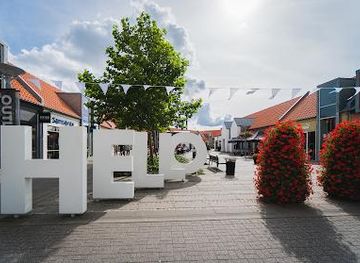
Shopping mall
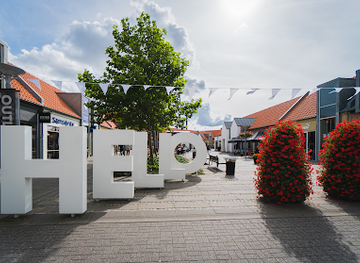
Ringsted Outlet
Denmark’s only true outlet village, blending open-air pedestrian lanes, big-name brands and relaxed cafés into a full-day shopping escape on Zealand.
-
Shopping mall
Ringsted Outlet
Denmark’s only true outlet village, where open-air lanes, international brands and deep year-round discounts turn a day of shopping in Ringsted into an easygoing excursion.
-
Sporting Goods Shop
Nike Factory Store
Discounted Nike performance gear and sneakers in a modern outlet village setting, ideal for kitting out active travellers and families in one convenient stop.
-
Gift shop
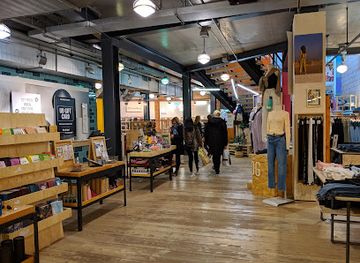
Urban Outfitters
A multi-floor, music-filled lifestyle store on Østergade, blending trend-led fashion, home décor, books and vinyl in the heart of Copenhagen’s Strøget.
Get your free copy of our complete guide to South Zealand, delivered straight to you.
Everything on this page, from attractions and restaurants to essentials and local phrases, in one PDF you can read offline, print or share.
Already have an account? Sign in
Your South Zealand guide is ready.
We'll send it to · Not you? Sign out

Getting your guide ready…
We are putting together a fresh copy of the South Zealand guide. This can take up to a minute.
This can take a few moments. If your browser asks, choose Allow so the download can start. You'll find the guide in your Downloads folder.
Nothing happened? Download it again
Sorry, the guide is taking longer than usual. Please try again in a minute, or get it by email instead.
South Zealand essentials
Currency and Payment
Safety
Emergency Situations
Do's and Don'ts
Local Tips
From Eve
Local phrases worth knowing
You don't need to get them perfect. A few words go a long way, and locals appreciate the effort.
Basics
| English | Local | Say it |
|---|---|---|
| Hello | Hej | [hay] |
| Goodbye | Farvel | [far-vel] |
| Yes | Ja | [yah] |
| No | Nej | [nigh] |
| Please/You're welcome | Vær så venlig | [vair so ven-lee] |
| Thank you | Tak | [tahk] |
| Excuse me/Sorry | Undskyld | [oon-skyl] |
| How are you? | Hvordan har du det? | [vor-den har do deh] |
| Fine. And you? | Fint. Og dig? | [feent. oh die] |
| Do you speak English? | Taler du engelsk? | [tay-ler doo eng-gelsk] |
| I don't understand | Jeg forstår ikke | [yai for-stor ig-keh] |
Eating & Drinking
| English | Local | Say it |
|---|---|---|
| I'd like to see the menu, please | Jeg vil gerne se menuen, tak | [yai vil gair-neh say me-nu-en, tahk] |
| I don't eat meat | Jeg spiser ikke kød | [yai spee-ser ig-keh kuhth] |
| Cheers! | Skål! | [skawl] |
| I would like to pay, please | Jeg vil gerne betale, tak | [yai vil gair-neh be-ta-leh, tahk] |
Emergencies
| English | Local | Say it |
|---|---|---|
| Help! | Hjælp! | [yelp] |
| Go away! | Gå væk! | [gaw vek] |
| Call the Police! | Ring til politiet! | [ring til po-li-tee-et] |
| Call a doctor! | Ring efter en læge! | [ring ef-ter en lay-eh] |
| I'm lost | Jeg er faret vild | [yai er far-et vil] |
| I'm ill | Jeg er syg | [yai er søy] |
Shopping
| English | Local | Say it |
|---|---|---|
| I'd like to buy... | Jeg vil gerne købe... | [yai vil gair-neh kuh-beh...] |
| I'm just looking | Jeg kigger bare | [yai kee-ger bar-eh] |
| How much is it? | Hvor meget koster det? | [vor mai-eth koster deh] |
| That's too expensive | Det er for dyrt | [deh er for dyert] |
| Can you lower the price? | Kan du sænke prisen? | [kan doo sen-ke pree-sen] |
Time & Numbers
| English | Local | Say it |
|---|---|---|
| What time is it? | Hvad tid er det? | [ved teal er deh] |
| It's one o'clock | Det er et klokkeslæt | [deh er et klok-ke-slet] |
| Half past (10) | Halv (10) | [halv (10)] |
| Morning | Morgen | [mor-en] |
| Afternoon | Eftermiddag | [ef-ter-mid-dahg] |
| Evening | Aften | [af-ten] |
| Yesterday | I går | [ee gor] |
| Today | I dag | [ee day] |
| Tomorrow | I morgen | [ee mor-en] |
| 1 | 1 | [1] |
| 2 | 2 | [2] |
| 3 | 3 | [3] |
| 4 | 4 | [4] |
| 5 | 5 | [5] |
| 6 | 6 | [6] |
| 7 | 7 | [7] |
| 8 | 8 | [8] |
| 9 | 9 | [9] |
| 10 | 10 | [10] |
Transport & Directions
| English | Local | Say it |
|---|---|---|
| Where's a/the...? | Hvor er en/den...? | [vor er en/den...?] |
| What's the address? | Hvad er adressen? | [ved er a-dres-sen] |
| Can you show me (on the map)? | Kan du vise mig (på kortet)? | [kan doo vee-seh mai (po kort-et)?] |
| When's the next (bus)? | Hvornår er den næste (bus)? | [vor-nor er den nes-te (bus)?] |
| A ticket (to ....) | En billet (til ....) | [en bi-let (til ....)] |
History of South Zealand
The Viking Age and the Founding of Køge
The town of Køge, located in South Zealand, has roots dating back to the Viking Age. It was founded in the late 10th century and became an important trading hub. The Køge Bay was a strategic location for Viking ships, and archaeological findings, including longhouses and burial mounds, testify to the town’s ancient origins.
Medieval Trade and Prosperity
During the Middle Ages, South Zealand flourished as a center of trade, thanks to its fertile lands and strategic coastal position. The town of Vordingborg, with its impressive castle built by King Valdemar the Great in the 12th century, became a significant power center. The castle remains one of the best-preserved medieval fortresses in Denmark.
The Reformation and Religious Change
The 16th century brought significant religious upheaval as the Protestant Reformation swept through Denmark. South Zealand was no exception, with monasteries like Herlufsholm transitioning from Catholic to Protestant establishments. Herlufsholm School, founded in 1565, still stands today as one of Denmark's oldest educational institutions.
The Wars with Sweden
The 17th century saw South Zealand embroiled in the conflicts between Denmark and Sweden. The Battle of Køge Bay in 1677 was a significant naval engagement during the Scanian War. The Danish fleet, commanded by Niels Juel, achieved a decisive victory over the Swedish navy, securing Danish control of the region.
The Agricultural Revolution
In the 18th and 19th centuries, South Zealand underwent significant agricultural development. The introduction of new farming techniques and crops transformed the rural landscape. Estates like Gisselfeld and Bregentved became prominent examples of agricultural innovation, contributing to Denmark's reputation as a leading agricultural nation.
The Rise of Industrialization
The late 19th and early 20th centuries saw South Zealand transition from an agricultural society to a more industrialized one. The establishment of factories and the expansion of the railway network facilitated economic growth. Towns like Næstved became industrial hubs, with ceramics and textiles among the primary industries.
World War II and Resistance
During World War II, South Zealand played a crucial role in the Danish resistance against German occupation. The area was a hotspot for sabotage activities and the smuggling of Jews to safety in Sweden. The town of Præstø, for instance, was a key point for clandestine operations and resistance meetings.
Modern Cultural Renaissance
In recent decades, South Zealand has experienced a cultural renaissance, with a focus on preserving its rich history while fostering contemporary arts. The town of Stege on the island of Møn, known for its medieval architecture, has become a cultural hub, hosting festivals, art galleries, and historical reenactments that attract visitors from around the world.
South Zealand in Photos
Browse through our photo collection highlighting the charm and character of the destination.
Neighbouring regions of South Zealand
The closest regions to South Zealand, if you have time for more than one.
-
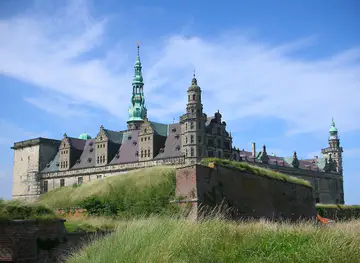 Zealand
Discover the charm of Zealand, Denmark's largest island, blending vibrant city life in Copenhagen with serene coastal beauty and rich cultural heritage.
Zealand
Discover the charm of Zealand, Denmark's largest island, blending vibrant city life in Copenhagen with serene coastal beauty and rich cultural heritage.
-
 Lolland-Falster
Discover Lolland-Falster: Denmark's serene southern islands with stunning beaches, historic castles, and charming coastal towns offering a perfect blend of nature and culture.
Lolland-Falster
Discover Lolland-Falster: Denmark's serene southern islands with stunning beaches, historic castles, and charming coastal towns offering a perfect blend of nature and culture.
-
 Møn
Discover the breathtaking cliffs, rich history, and serene beauty of Møn, Denmark's hidden gem in the Baltic Sea, perfect for nature lovers and history enthusiasts alike.
Møn
Discover the breathtaking cliffs, rich history, and serene beauty of Møn, Denmark's hidden gem in the Baltic Sea, perfect for nature lovers and history enthusiasts alike.
-
 Falster
Discover Falster: A blend of serene beaches, rich history, and lush landscapes in Denmark's southern island treasure.
Falster
Discover Falster: A blend of serene beaches, rich history, and lush landscapes in Denmark's southern island treasure.
-
 Lolland
Discover Lolland, Denmark's tranquil island retreat, offering lush landscapes, historic sites, and delightful local cuisine for an unforgettable escape.
Lolland
Discover Lolland, Denmark's tranquil island retreat, offering lush landscapes, historic sites, and delightful local cuisine for an unforgettable escape.
Swipe for more regions

