Det Gamle Værft, The South Funen Archipelago Travel Guide
Living maritime shipyard and craft venue on Ærøskøbing’s historic harbour, blending seafaring heritage, hands-on workshops and a cosy nautical shop.
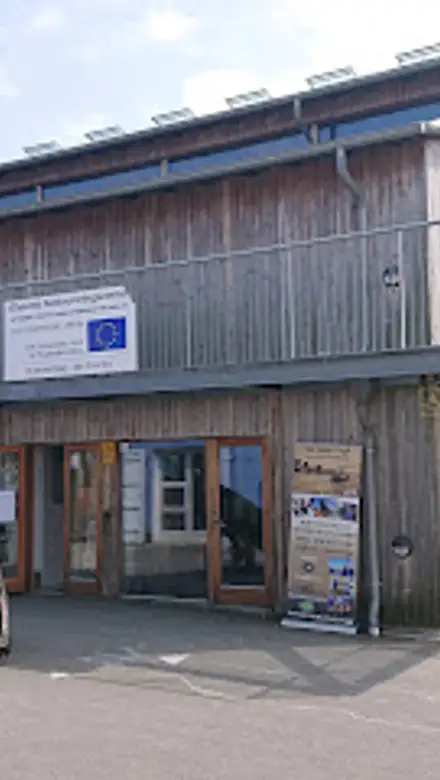
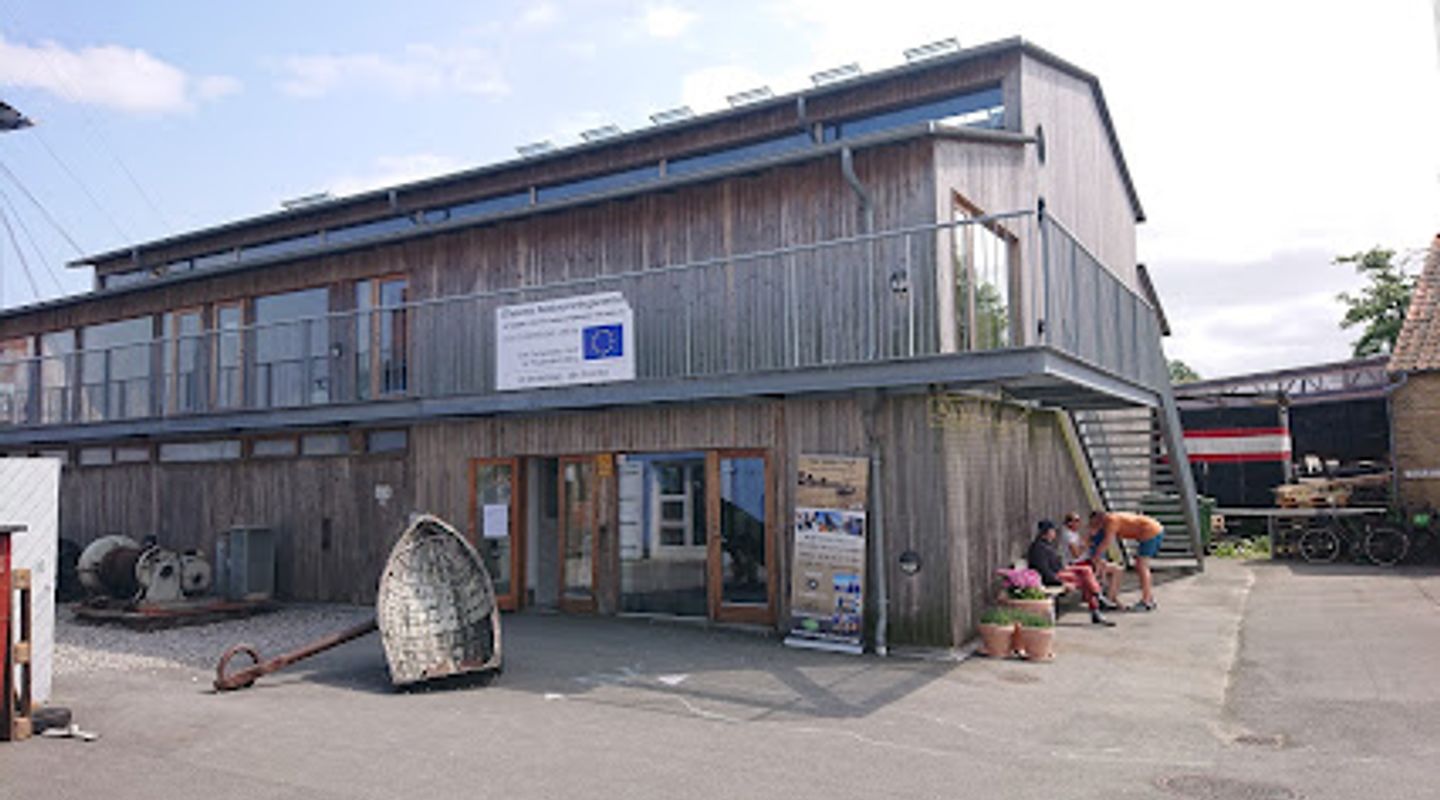
Det Gamle Værft is a living maritime workshop and shipyard set on the historic harbour of Ærøskøbing on the island of Ærø. Part museum, part hands-on experience venue, it showcases traditional Danish shipbuilding and coastal craftsmanship through open workshops, tools, boats and creative activities for all ages. Alongside the working forge and woodshop, a small shop sells maritime clothing, macramé, local crafts and seafaring souvenirs, making it an atmospheric stop right by the waterfront.
A brief summary to Det Gamle Værft
- Ærøskøbing Havn 4B, Ærøskøbing, 5970, DK
- Click to display
- Click to display
- Duration: 1 to 2 hours
- Budget
-
 Mixed
Mixed
- Mobile reception: 4 out of 5
- Monday 10 am-6 pm
- Tuesday 10 am-6 pm
- Wednesday 10 am-6 pm
- Thursday 10 am-6 pm
- Friday 10 am-6 pm
- Saturday 10 am-6 pm
- Sunday 10 am-6 pm

Know before you go
Hi, I'm Eve. Here are a few practical things to know before exploring Det Gamle Værft.
- Allow extra time to browse the shipyard shop, which stocks traditional workwear, macramé, forged hardware and locally made knitwear and sweets.
- If your schedule is flexible, check locally for workshop days when the forge, knot-tying or small craft activities are running for a more interactive visit.
- Combine your stop here with a slow walk through Ærøskøbing’s old streets and along the harbourfront for the full historic island atmosphere.
Do you manage this location?
Take control to get all the benefits, like improved information, better appearance, and stronger visibility across AI-powered discovery. Learn more about listing your business on Evendo
Activate your presenceOther nearby places you may find interesting
The closest places of the same kind, if this one is not quite what you had in mind.

Explore Det Gamle Værft on the Map
A handpicked selection of must-see spots near Det Gamle Værft, mapped for you.
Getting There
-
Ferry and walk from Svendborg
From Svendborg, take the passenger and car ferry to Ærøskøbing, a sailing of about 1 hour 15 minutes each way. Standard adult tickets typically range from 120–170 DKK one way, with additional charges for vehicles and high season. Ferries usually run several times daily but may have fewer departures in winter, so checking the timetable in advance is important. On arrival in Ærøskøbing, the harbour area with Det Gamle Værft is within easy walking distance on flat ground, suitable for most visitors and simple with luggage.
-
Ferry via Faaborg or Rudkøbing and local bus
If you are coming from western Fyn or Langeland, travel by ferry to one of Ærø’s other ports, typically Søby from Faaborg or Rudkøbing. The crossing generally takes 1 hour to 1 hour 15 minutes and adult tickets are usually in the 110–160 DKK one-way range, with seasonal variations. From Søby, a regional bus connects across the island to Ærøskøbing in about 25–35 minutes; the bus fare is modest, often in the 25–40 DKK range depending on ticket type. Services can be less frequent outside summer, so it is wise to plan connections carefully, especially for evening returns.
-
Cycling around Ærø
Ærø is popular for cycling, and many visitors bring or rent a bike to reach Ærøskøbing and Det Gamle Værft. From other island villages and ferry ports, cycling times to Ærøskøbing typically range from 30 minutes to 1 hour 30 minutes, depending on the starting point and route. The roads are generally quiet but can be hilly in places and exposed to wind, so moderate fitness and weather-appropriate clothing are recommended. Bicycle transport on the ferries is usually inexpensive, often around 20–40 DKK, though carrying capacity can be limited on busy summer sailings.
For the on-the-go comforts that matter to you
-
 Restrooms
-
 Drink Options
-
 Food Options
-
 Seating Areas
-
 Trash Bins
-
 Information Boards
Discover more about Det Gamle Værft
Harbour-side window into Ærø’s seafaring past
Det Gamle Værft sits directly on Ærøskøbing’s historic harbour, where low timber buildings, cranes and boat slips evoke centuries of island shipbuilding. The Old Shipyard grew out of this working waterfront, preserving the feel of an active yard rather than a traditional museum. Step inside and you are surrounded by the smell of tar, rope and fresh-cut wood, with tools, workbenches and half-finished projects hinting at the rhythms of maritime life.The setting connects you immediately to the South Funen Archipelago, where small wooden vessels once carried goods, livestock and people between tiny islands and mainland ports. Here you see how those boats were maintained and repaired, and how crucial the harbour was to Ærø’s prosperity and identity.Hands-on craft, metalwork and maritime skills
Unlike many static exhibitions, Det Gamle Værft is designed as an experience venue, inviting you to explore traditional skills close up. On selected days, the forge glows as blacksmiths shape hooks, hinges and decorative ironwork, while elsewhere copper sheets, rivets and tongs reveal how fittings and small items were made for ships. Woodworking benches display planes, chisels and clamps used in wooden hull construction.Workshops sometimes introduce techniques like simple forging, copper jewellery, rope and knot work or rune stamping, making the heritage tangible for children and adults alike. Even when no organised activity is running, the layout and tools give a clear sense of how demanding and collaborative shipyard work once was.The Old Shipyard shop and maritime wardrobe
Attached to the yard is a characterful shop dedicated to seafaring style and archipelago-inspired goods. Racks of sturdy, navy-blue workwear echo the garments worn by travelling craftsmen of the 1800s, alongside practical clothing suited to sailing, coastal walks and island holidays. The textiles and cuts reflect Scandinavia’s working heritage rather than fashion trends.Shelves are lined with maritime souvenirs ranging from postcards and small model boats to macramé pieces by renowned knot expert Jørgen Friis Christensen, as well as knives, hooks and hardware forged on site. Local producers contribute knitwear, sweets and artwork, turning the shop into a mini showcase of Ærø’s creative community and sea-facing culture.A social, community-focused venue
Det Gamle Værft also functions as a socio-economic project for the island, combining cultural preservation with community engagement. The shipyard provides a framework for learning-by-doing, where volunteers, craftspeople and visitors meet around tangible tasks. This mix of education, heritage and social purpose gives the place a warm, informal tone.You may find conversations drifting from the technicalities of clinker-built hulls to stories about local skippers, storms and island traditions. The emphasis is on curiosity and participation rather than formal interpretation, making it approachable for families, small groups and solo travellers alike.Part of a wider Ærøskøbing experience
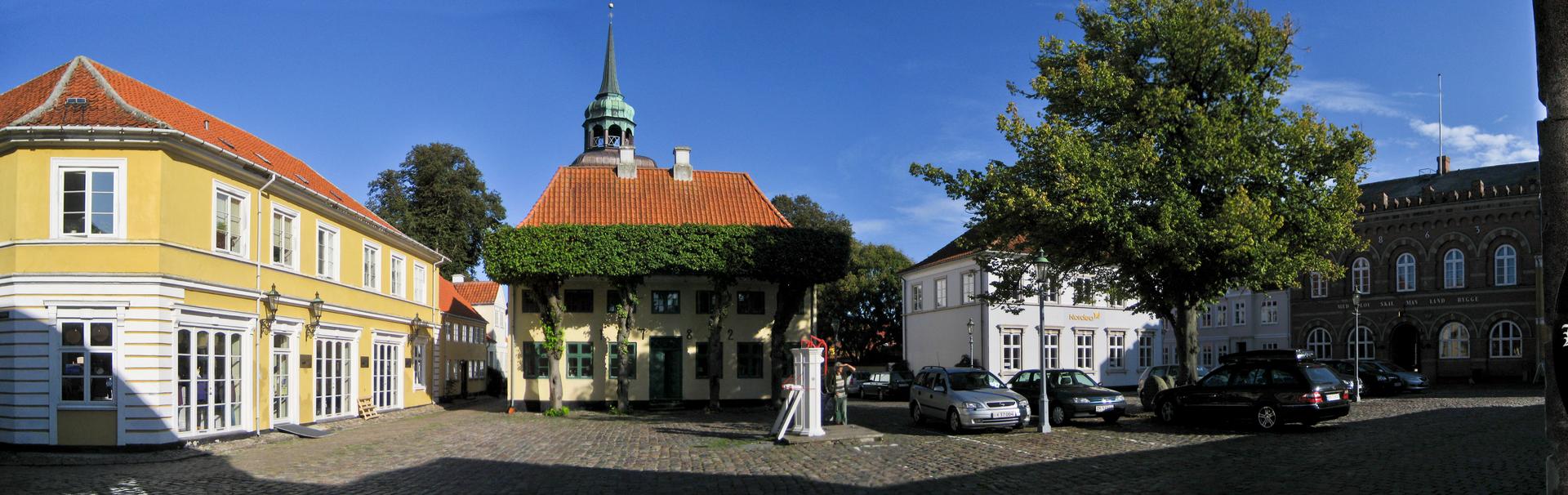
Because it stands right on Ærøskøbing Havn, a visit to Det Gamle Værft naturally links with a stroll among the colourful 18th‑century houses, cobbled streets and nearby harbour cafés. Wooden boats bob just outside, and the low skyline reminds you that Ærø remains a small, sea-oriented island. Many visitors combine an hour or two at the shipyard with time in the town square, the beach cabins at Vesterstrand or other local museums.In all seasons, the Old Shipyard offers a compact yet vivid insight into how the sea has shaped daily life here. Whether you are drawn by craft, history or simply the atmosphere of a working harbour, it adds a distinctive maritime layer to any exploration of Ærø.












Your all‑in‑one travel companion app
Explore expert travel guides, compare and book tours, experiences, hotels, and more—all from the palm of your hand. Download now for seamless trip planning wherever your wanderlust takes you.


Explore More of The South Funen Archipelago
Looking beyond Det Gamle Værft? Discover The South Funen Archipelago for broader travel guides, local hot-spots, and regional highlights.
Explore The South Funen Archipelago
A modest island playground and shelter spot on Ærø’s edge, blending simple outdoor fun, family-friendly space and back-to-basics overnight stays under open skies.

An intimate summer jazz festival in an old island shipyard, where harbour history, Nordic light and live music blend into long, atmospheric nights.