

Free The South Funen Archipelago Travel Guide & Mobile App
Explore The South Funen Archipelago with free travel guides. Discover regional history, expert tips, proposed trips, and audio guides on web or mobile app.


Explore Denmark's South Funen Archipelago for island ferries, maritime towns, coastal paths, historic estates and quiet Baltic landscapes.
Read more about The South Funen Archipelago
When is the best time to visit The South Funen Archipelago?
Best: June–August · 21–23°C| Month | High (°C) | Rainfall (mm) |
|---|---|---|
| January | 4 | 45 |
| February | 4 | 35 |
| March | 8 | 40 |
| April | 12 | 35 |
| May | 17 | 45 |
| June (best) | 21 | 50 |
| July (best) | 23 | 55 |
| August (best) | 22 | 60 |
| September | 19 | 55 |
| October | 14 | 50 |
| November | 9 | 45 |
| December | 6 | 50 |
Getting to and around The South Funen Archipelago
How to get there
Transportation
Top city travel guides in The South Funen Archipelago
The cities of The South Funen Archipelago, and the easiest places to base yourself.

Swipe for more cities
Destinations in The South Funen Archipelago
Resorts, valleys and scenic spots worth a trip of their own.

Swipe for more destinations
Best attractions in The South Funen Archipelago
The archipelago's attractions are distributed across islands rather than concentrated in one resort. Ærø offers the historic streets of Ærøskøbing, the maritime environment of Marstal and a network of quiet lanes, beaches and coastal walks. Langeland combines rural cycling and walking with manor landscapes, village churches, beaches and the cultural facilities of Rudkøbing. Tåsinge is notable for Valdemar Castle, its estate landscape and views across the surrounding waters. The smaller islands provide a different kind of attraction: village lanes, working harbours, bird-rich shores, small museums, local produce and the experience of travelling by a modest ferry. Sailing, kayaking, fishing, cycling and walking are central outdoor activities, although equipment, guided trips and opening arrangements vary by season. The shallow archipelago waters and low-lying coasts are valuable for wildlife, so visitors should follow local access guidance around nesting and feeding areas. Rather than pursuing a checklist of sights, most travellers find the appeal in combining one or two substantial islands with a shorter visit to a smaller community.
-
Castle
Egeskov Castle
Renaissance water castle with award-winning gardens, vintage collections, and family adventures in Denmark's countryside.
-
Natural history museum
Naturama
Denmark's most immersive natural history museum, where dramatic design and living collections reveal nature's interconnected wonders.
-
Castle
Valdemars Slot
Denmark's grandest private palace reimagined as a contemporary art destination in a historic landscape.
-
Maritime museum
Marstal Søfartsmuseum
Immersive maritime museum on Ærø where ship models, vivid interiors and seafaring artefacts bring four centuries of Danish ocean history to life for all ages.


Best landmarks in The South Funen Archipelago
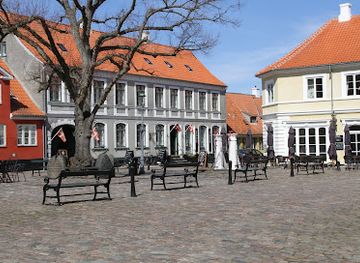
Ærøskøbing's compact historic centre is the archipelago's most recognisable townscape, with cobbled streets, painted houses, small gardens and buildings that reflect its long role as a maritime trading town. Marstal Maritime Museum and the surrounding harbour area represent Ærø's deep connection with shipping and shipbuilding, while the town's streets retain a distinctly working seafaring character. On Tåsinge, Valdemar Castle is a major architectural landmark: the early seventeenth-century residence stands within an estate landscape of avenues, parkland and agricultural surroundings. Langeland's Rudkøbing provides an important historic town centre, with older streets and harbour connections that illustrate the island's commercial role. Across the smaller islands, churches, village clusters, ferry harbours, stone walls and low coastal horizons form a quieter set of landmarks rather than monumental sights. The archipelago itself is also a significant geographical landmark, its shallow sea, scattered islands and drowned glacial landscape defining the region more powerfully than any single building.
-
Protestant church
Saint Nicolai's Church
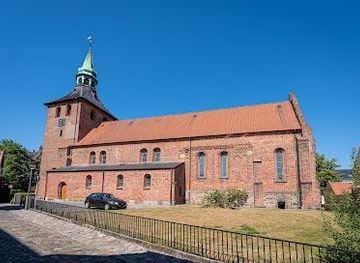
Svendborg’s oldest church and a quiet seafaring sanctuary, where red-brick medieval walls and a calm, whitewashed interior meet just off lively Gerritsgade.
-
Tourist attraction
View Point
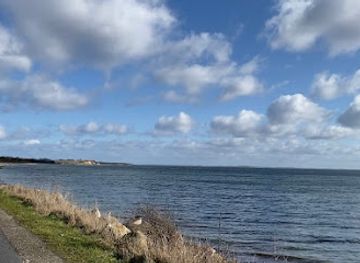
Sweeping Baltic vistas from Ærø's most scenic overlook between two charming harbors.
-
Museum
Anne Hvide's House
Svendborg's oldest house: a ochre-yellow Renaissance gem where nobility, hospitality, and history converge.
Explore The South Funen Archipelago on the map
Plan your trip on one map. See where the top cities, national parks and sights are, and book hotels and experiences in a few clicks.
Best hotels in The South Funen Archipelago
Best restaurants in The South Funen Archipelago
Food in the South Funen Archipelago reflects Danish island agriculture, coastal resources and a strong relationship with small communities. Menus in towns and harbours may feature local vegetables, berries, apples, bread, dairy products, fish and shellfish, while farm shops and seasonal stalls offer produce for picnics. Ærø and Langeland have the broadest choice of cafés, bakeries, traditional inns and contemporary restaurants, with Marstal and Ærøskøbing particularly suited to meals near historic harbour environments. On smaller islands, dining can be limited and seasonal, making it sensible to check arrangements or carry provisions before a ferry trip. Regional drinks and locally made specialities appear in farm shops and independent food businesses, but not every product sold in the archipelago is exclusively local. Danish open sandwiches, pastries and coffee are widely available alongside more modern menus, while seafood is most naturally associated with coastal restaurants and working harbours.
-
Cafe
Under Uret
All-day café and brasserie under the clock on Svendborg’s main pedestrian street, serving cozy comfort food, quality coffee and relaxed drinks from morning to late night.
-
Danish
Restaurant Svendborgsund
Classic Danish cooking and hearty portions served right on Svendborg’s harborfront, with wide views across Svendborgsund and a relaxed, maritime atmosphere all day long.
-
Gastropub
Restaurant Børsen
Central Svendborg gastropub blending Danish comfort cooking, specialty beers and a colourful terrace under floating umbrellas in a set of characterful vintage rooms.
-
Restaurant
Jettes Diner
Cozy harbor-side diner in Svendborg serving generous burgers, changing daily specials and comforting Danish-style dishes in a relaxed, family-friendly setting.


Best bars in The South Funen Archipelago
Evenings in the South Funen Archipelago are generally quiet and social rather than centred on large nightclubs. Ærøskøbing and Marstal have the widest selection of pubs, historic inns, restaurants and small venues, while Rudkøbing and other larger settlements on Langeland provide additional places for a drink or informal evening meal. Local nightlife may include live music, cultural events and seasonal activity around harbours, but programming and opening arrangements change throughout the year. On smaller islands, evening life tends to revolve around community gatherings, a guesthouse, a café or the accommodation itself, with limited late-night transport after the last ferry. Danish beer, cider, aquavit and non-alcoholic drinks are commonly available, but visitors should not regard drinking as essential to island culture. Reserve transport and accommodation thoughtfully if attending an event away from the place where you are staying.
-
Bar
Spillestedet Kammerateriet
Creative cocktail bar and live venue in a converted harbor warehouse on Frederiksø, blending industrial charm, Nordic drinks and Svendborg’s waterfront nightlife.
-
Bar
Kahytten Svendborg
Dimly lit, smoky and disarmingly honest, Kahytten is Svendborg’s cabin-like pub where cheap beers, local regulars and harbor-town character meet under one low ceiling.
-
Bar
HANSTED
Cozy neighborhood bar and intimate live stage bringing late-night music, craft drinks, and local Svendborg atmosphere together on lively Vestergade.
-
Bar
Vinsted
Intimate Svendborg wine bar with shelves of bottles, simple seasonal plates and a warm, candlelit atmosphere on historic Klosterplads.


Best nightclubs in The South Funen Archipelago
Evenings in the South Funen Archipelago are generally quiet and social rather than centred on large nightclubs. Ærøskøbing and Marstal have the widest selection of pubs, historic inns, restaurants and small venues, while Rudkøbing and other larger settlements on Langeland provide additional places for a drink or informal evening meal. Local nightlife may include live music, cultural events and seasonal activity around harbours, but programming and opening arrangements change throughout the year. On smaller islands, evening life tends to revolve around community gatherings, a guesthouse, a café or the accommodation itself, with limited late-night transport after the last ferry. Danish beer, cider, aquavit and non-alcoholic drinks are commonly available, but visitors should not regard drinking as essential to island culture. Reserve transport and accommodation thoughtfully if attending an event away from the place where you are staying.
-
Night club
Crazy Daisy Svendborg
Late-night nightclub in central Svendborg, mixing mainstream beats, bar drinks and a youthful crowd in an unpretentious, high-energy setting.

Best shops in The South Funen Archipelago
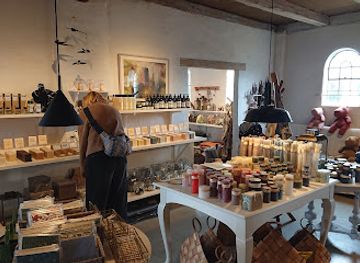
Shopping is modest in scale and closely tied to island communities, local food and practical services. Ærøskøbing and Marstal offer the broadest range of independent shops, galleries, craft businesses, clothing, books, gifts and food products, while Rudkøbing is Langeland's principal town for everyday retail and browsing. Farm shops and roadside stalls sell seasonal fruit, vegetables, preserves, honey and other produce, although opening times can be informal or seasonal. Visitors may also find ceramics, textiles, jewellery, woodwork and locally inspired art in studios and small galleries, particularly during the warmer months. Smaller islands have fewer retail facilities, so provisions should be bought before travelling if required. Danish design goods are available in some town shops, but the most characteristic purchases are often edible products, handmade items or books and craftwork connected with maritime and island life. Market days and cultural events can add temporary opportunities, but dates and participating sellers should be checked locally.
-
Farm shop
Ærø Gårdbutik Uldgården
Rustic island farm shop in Bregninge, where soft wool, natural textiles and sturdy outdoor clothing fill old stables and a hayloft in the heart of Ærø.
-
Grocery store
Den Gamle Købmandsgaard
Historic island grocer turned gourmet shop and café on Ærøskøbing’s main square, blending local flavours, everyday groceries and cozy island atmosphere.
-
Store
Blåbær Gårdbutik
Cosy year-round farm shop in an 1850s three-winged farmhouse, blending organic flavours, island gifts and hygge-filled corners on the edge of Ærøskøbing.
-
Gift shop
Flying Tiger Copenhagen
Colourful, low-cost Danish design and quirky gifts in the heart of Svendborg’s main shopping street, ideal for quick souvenirs, party supplies and everyday essentials.


Get your free copy of our complete guide to The South Funen Archipelago, delivered straight to you.
Everything on this page, from attractions and restaurants to essentials and local phrases, in one PDF you can read offline, print or share.
Already have an account? Sign in
Your The South Funen Archipelago guide is ready.
We'll send it to · Not you? Sign out

Getting your guide ready…
We are putting together a fresh copy of the The South Funen Archipelago guide. This can take up to a minute.
This can take a few moments. If your browser asks, choose Allow so the download can start. You'll find the guide in your Downloads folder.
Nothing happened? Download it again
Sorry, the guide is taking longer than usual. Please try again in a minute, or get it by email instead.
The South Funen Archipelago essentials
Currency and Payment
Safety
Emergency Situations
Do's and Don'ts
Local Tips
From Eve
Local phrases worth knowing
You don't need to get them perfect. A few words go a long way, and locals appreciate the effort.
Basics
| English | Local | Say it |
|---|---|---|
| Hello | Howdy | [haʊdi] |
| Goodbye | See ya later | [si jə ˈleɪtər] |
| Yes | Yup | [jʌp] |
| No | Nah | [nɑː] |
| Please/You're welcome | No problem | [noʊ ˈprɒbləm] |
| Thank you | Thanks a bunch | [θæŋks ə bʌnʧ] |
| Excuse me/Sorry | Pardon me | [ˈpɑrdən mi] |
| How are you? | How y’all doin’? | [haʊ jɔːl ˈduːɪn] |
| Fine. And you? | I’m good. How ’bout you? | [aɪm gʊd haʊ baʊt ju] |
| Do you speak English? | Y’all speakin’ English? | [jɔːl ˈspiːkɪn ˈɪŋɡlɪʃ] |
| I don't understand | I ain't followin’ | [aɪ eɪnt ˈfɑloʊɪn] |
Eating & Drinking
| English | Local | Say it |
|---|---|---|
| I'd like to see the menu, please | Can I see the menu? | [kæn aɪ si ðə ˈmɛnju] |
| I don't eat meat | I don’t eat meat | [aɪ doʊnt iːt miːt] |
| Cheers! | Cheers! | [ʧɪrz] |
| I would like to pay, please | Can I get the check? | [kæn aɪ gɛt ðə ʧɛk] |
Emergencies
| English | Local | Say it |
|---|---|---|
| Help! | Help! | [hɛlp] |
| Go away! | Get outta here! | [ɡɛt ˈaʊtə hɪr] |
| Call the Police! | Call the cops! | [kɔl ðə kɑps] |
| Call a doctor! | Get a doctor! | [ɡɛt ə ˈdɒktər] |
| I'm lost | I’m turned around | [aɪm tɜrnd əˈraʊnd] |
| I'm ill | I ain’t feelin’ well | [aɪ eɪnt ˈfiːlɪn wɛl] |
Shopping
| English | Local | Say it |
|---|---|---|
| I'd like to buy... | I wanna buy... | [aɪ ˈwɑnə baɪ] |
| I'm just looking | Just lookin’ around | [dʒʌst ˈlʊkɪn əˈraʊnd] |
| How much is it? | How much it cost? | [haʊ mʌʧ ɪt kɔst] |
| That's too expensive | That’s too pricey | [ðæts tuː ˈpraɪsi] |
| Can you lower the price? | Can ya drop the price? | [kæn jə drɑp ðə praɪs] |
Time & Numbers
| English | Local | Say it |
|---|---|---|
| What time is it? | What time it be? | [wʌt taɪm ɪt bi] |
| It's one o'clock | It's one o'clock | [ɪts wʌn əˈklɒk] |
| Half past (10) | Half past ten | [hæf pæst tɛn] |
| Morning | Mornin’ | [ˈmɔrnɪn] |
| Afternoon | Afternoon | [ˈæftərˌnun] |
| Evening | Evenin’ | [ˈiːvnɪn] |
| Yesterday | Yesterday | [ˈjɛstərdeɪ] |
| Today | Today | [təˈdeɪ] |
| Tomorrow | Tomorrow | [təˈmɒroʊ] |
| 1 | One | [wʌn] |
| 2 | Two | [tuː] |
| 3 | Three | [θriː] |
| 4 | Four | [fɔːr] |
| 5 | Five | [faɪv] |
| 6 | Six | [sɪks] |
| 7 | Seven | [ˈsɛvən] |
| 8 | Eight | [eɪt] |
| 9 | Nine | [naɪn] |
| 10 | Ten | [tɛn] |
Transport & Directions
| English | Local | Say it |
|---|---|---|
| Where's a/the...? | Where’s the...? | [wɛrz ðə] |
| What's the address? | What’s the address? | [wʌts ði əˈdrɛs] |
| Can you show me (on the map)? | Can you point it out? | [kæn jə pɔɪnt ɪt aʊt] |
| When's the next (bus)? | When the next bus comin’? | [wɛn ðə nɛkst bʌs ˈkʌmɪn] |
| A ticket (to ....) | A ticket to... | [ə ˈtɪkɪt tu] |
History of The South Funen Archipelago
Stone Age settlement and the submerged landscape
People have lived around the waters of the South Funen Archipelago since prehistoric times, using its sheltered coasts, shallow sounds and fertile islands for fishing, hunting, farming and travel. Rising sea levels after the last Ice Age reshaped the landscape, separating former areas of continuous land into the islands and shoals seen today. Archaeological remains and the wider underwater cultural landscape reflect long interaction between human communities and a changing sea.
Medieval island communities and maritime routes
During the Middle Ages, the islands occupied an important position in the passages between Funen, Zealand and the southern Danish waters. Farming villages, churches and small ports developed within a feudal and ecclesiastical society, while the sea linked communities more effectively than roads could. The archipelago's scattered geography encouraged local self-sufficiency but also made ferrying, fishing and coastal trade essential to everyday life.
Valdemar Castle and the estates of Tåsinge
Valdemar Castle on Tåsinge was built in the early seventeenth century for King Christian IV's son, Valdemar Christian, and became the centre of a large estate. Its architecture and later history reflect the power of the Danish monarchy and landed aristocracy. The estate remains one of the archipelago's most prominent historic environments, while nearby manor landscapes, avenues and villages illustrate how agriculture and elite landholding shaped Tåsinge.
Ærø's maritime towns and shipbuilding tradition
Ærø developed a strong seafaring economy, supported by its position between the archipelago and the wider Baltic. Ærøskøbing grew as a trading town with a remarkably coherent historic centre, while Marstal became particularly associated with shipbuilding, shipping and maritime families. Wooden sailing vessels carried cargo across northern European waters, and the island's maritime economy influenced architecture, social life and migration for generations.
Agricultural reform and the modern island landscape
From the eighteenth and nineteenth centuries, changes in land ownership and agricultural practice transformed many Danish rural communities. Fields were reorganised, farms became more dispersed in some areas and improved transport connected island produce with larger markets. The patchwork of small fields, farmsteads, village roads, hedgerows and coastal meadows visible across Langeland, Tåsinge, Ærø and the smaller islands is partly the result of these agricultural changes.
Ferries, postal links and the changing meaning of distance
Regular ferry and mail connections gradually reduced the isolation imposed by the archipelago's geography, although weather and seasonal conditions continued to matter. Ferries became vital for residents, students, workers, goods and visitors, linking islands with Svendborg, Faaborg and Langeland. The twentieth century brought roads, motor vehicles and new welfare services, but also population pressures and the loss of some traditional maritime occupations.
Island heritage and contemporary rural life
Today, the archipelago's identity is shaped by both continuity and adaptation. Fishing and commercial shipping are less dominant than they once were, while tourism, agriculture, public services, creative work and ferry-based commuting play larger roles. Historic villages, working harbours, local associations and small cultural institutions preserve elements of island heritage, whereas environmental management and sustainable travel have become increasingly important in a densely settled but ecologically sensitive sea landscape.
The South Funen Archipelago in Photos
Browse through our photo collection highlighting the charm and character of the destination.
Neighbouring regions of The South Funen Archipelago
The closest regions to The South Funen Archipelago, if you have time for more than one.
-

-

-

-
-


Swipe for more regions
Explore more

Explore more of Denmark
Discover Denmark: A perfect blend of history, modern design, and the cozy concept of hygge. Explore vibrant cities, serene landscapes, and world-class cuisine.
Explore Denmark