

Brendhøj gravhøj Travel Guide
Free Guide: A quiet Bronze Age burial mound on the Thy plains, Brendhøj Gravhøj offers open skies, soft contours and a contemplative brush with Denmark’s deep prehistory.


A brief summary of Brendhøj gravhøj
A quiet Bronze Age burial mound on the Thy plains, Brendhøj Gravhøj offers open skies, soft contours and a contemplative brush with Denmark’s deep prehistory.
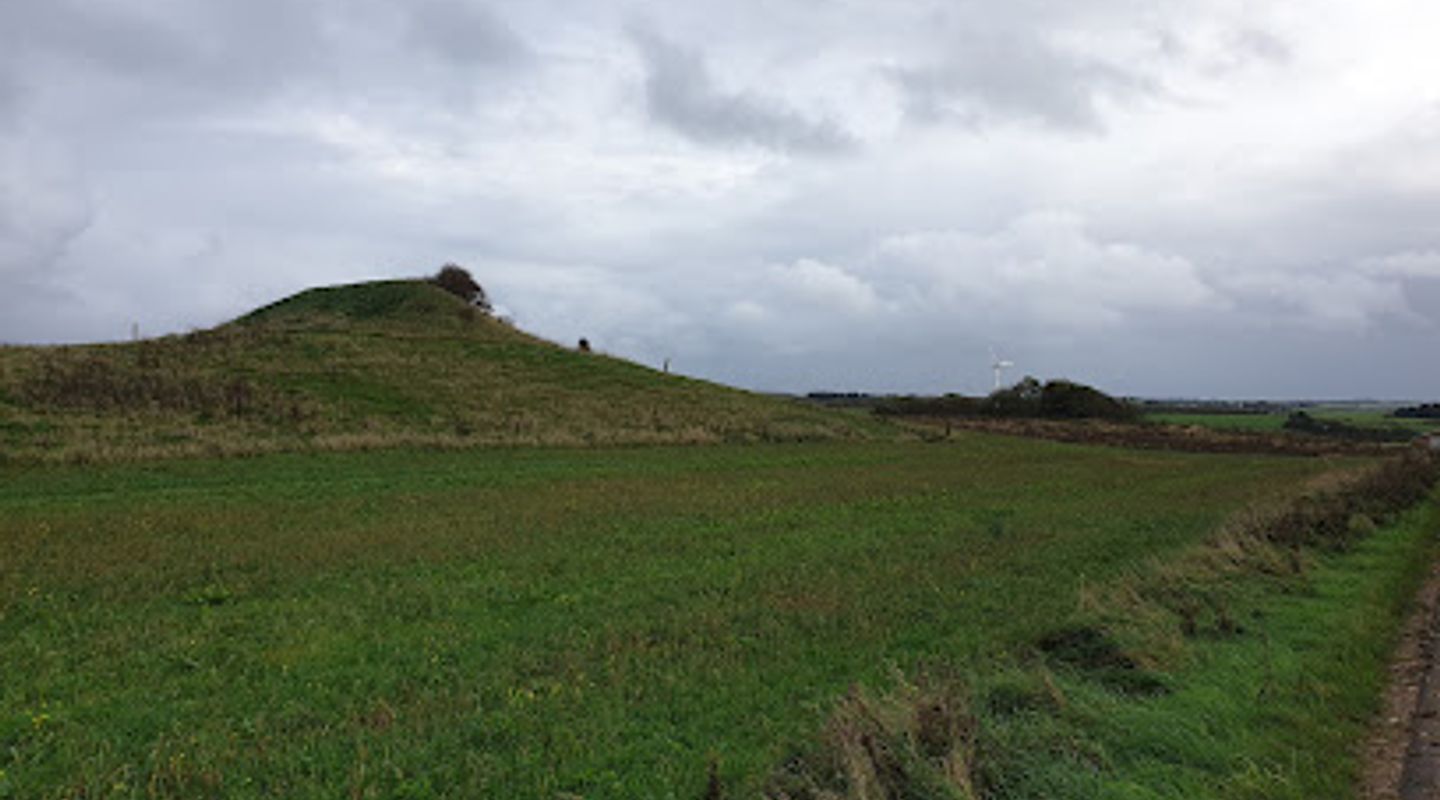
Brendhøj Gravhøj is a solitary Bronze Age burial mound set on the wind-brushed plains near Thisted in northwestern Jutland. Rising gently above the surrounding farmland and heath, it offers quiet panoramic views and a tangible link to Denmark’s prehistoric past. Simple, unfenced and open at all hours, this modest grassy hill invites unhurried contemplation rather than spectacle, rewarding curious visitors with atmosphere, landscape and a strong sense of time depth.
Opening hours
- Every dayOpen 24 hours
Opening hours as listed on the venue’s Google Business Profile. Hours can change for services and special events, so check with the venue before you go.
- Address
- 7700 Thisted
Getting there
Car from central Thisted
Bicycle from Thisted town
Regional bus plus short walk
Discover more about Brendhøj gravhøj
Ancient mound on the Thy landscape
Brendhøj Gravhøj is a rounded, grass-covered burial mound from the Bronze Age, standing slightly above the open fields south of Thy. From a distance it looks like a simple green dome, but up close you notice the carefully raised shape that once held an elite grave more than three thousand years ago. In a region dotted with prehistoric sites, Brendhøj is one of the quieter mounds, left mostly to the wind, birds and passing walkers.Unlike large reconstructed monuments, Brendhøj remains largely unembellished. There are no dramatic stone façades or towering markers, just the soft form of the hill and the surrounding sky. That simplicity makes it easier to imagine the site as it might have appeared when local communities gathered here to bury and honour their dead.
Life and death in the Nordic Bronze Age
Mounds like Brendhøj were constructed during the Nordic Bronze Age, when metalworking, trade and social hierarchies took shape across Scandinavia. A mound could signal the resting place of a powerful individual, raised by many hands using soil, turf and stone. Though Brendhøj is not excavated for public viewing, similar mounds in Denmark have revealed oak log coffins, bronze weapons, jewellery and finely woven textiles.Standing here, you trace the outline of the mound and sense the labour involved. Each layer of turf was cut from the surrounding area and stacked to create a lasting memorial. Over centuries, shifting beliefs and daily life carried on around the mound, yet it remained a landmark, surviving agriculture, boundary changes and modern infrastructure.
Views across fields and distant dunes
Part of Brendhøj’s appeal lies in its setting on the edge of Thy, not far from Denmark’s first national park and the North Sea coast. From the crown of the mound, you look over patchwork fields, shelterbelts and the faint undulations of glacial terrain. In clear weather, the horizon feels wide and slightly wild, hinting at dunes, heath and coastal plantations further west.The elevation is modest, but enough to give a sense of overview. Skylarks, crows and occasionally raptors circle overhead, while the soundscape is dominated by wind, rustling crops and distant farm machinery. On overcast days the mound feels introspective and muted; in bright low sun, especially in spring and autumn, its contours cast long shadows across the grass.
A quiet stop on a cultural detour
Brendhøj Gravhøj is the kind of place best visited without haste. There are no ticket booths, exhibitions or cafés; access is usually along a short track or field edge, so sturdy shoes are useful in wet weather. Because the site is open, it can be visited at any time of year, from frosty mornings with rimed grass to high-summer evenings when the light lingers late.Many travellers combine a short stop here with broader explorations of Thy’s cultural landscape: other burial mounds, stone graves, small churches and farmsteads that trace later periods of settlement. Brendhøj acts as a modest anchor point in this network, reminding you how long people have lived, worked and remembered their dead in this corner of Jutland.
Respecting a protected monument
As an ancient burial site, Brendhøj is protected heritage. That protection is mostly invisible, relying on visitors to tread lightly. Staying on existing paths, avoiding erosion of the mound and leaving stones, flowers or other offerings undisturbed helps preserve its shape for the future. Livestock may sometimes graze nearby, a traditional way of keeping vegetation in check without heavy machinery.Because there is little on-site interpretation, it can be helpful to read about Bronze Age Denmark before or after your visit. Understanding the role of the sun in Nordic religion, the importance of long-distance trade in bronze, and the symbolism of burial gifts adds extra depth to this otherwise understated hill. With that knowledge in mind, Brendhøj transforms from a simple bump in the landscape into a powerful marker of human memory over millennia.
Evendo Review Centre
 Google
Guest reviews
Best time to go
Quietest: Jan, Feb & Dec · before 6am or from 8pm
Busy times are Evendo estimates for a typical year, to help you plan. Actual crowds vary with events, school holidays and the weather.
Explore Brendhøj gravhøj on the map
A handpicked selection of must-see spots near Brendhøj gravhøj, mapped for you.
Get your free copy of our complete guide to Brendhøj gravhøj, delivered straight to you.
Everything on this page, from opening hours and how to get there to Eve’s tips and the best time to go, in one PDF you can read offline, print or share.
Already have an account? Sign in
Your Brendhøj gravhøj guide is ready.
We'll send it to · Not you? Sign out

Getting your guide ready…
We are putting together a fresh copy of the Brendhøj gravhøj guide. This can take up to a minute.
This can take a few moments. If your browser asks, choose Allow so the download can start. You'll find the guide in your Downloads folder.
Nothing happened? Download it again
Sorry, the guide is taking longer than usual. Please try again in a minute, or get it by email instead.
Other nearby places you may find interesting
The closest places of the same kind, if this one is not quite what you had in mind.
-
-
-
-
-


Swipe for more places
More to explore near Brendhøj gravhøj

 Best experiences near Brendhøj gravhøj
 Best hotels near Brendhøj gravhøj
 Best landmarks near Brendhøj gravhøj
 Best attractions near Brendhøj gravhøj
 Best shops near Brendhøj gravhøj
 Best restaurants near Brendhøj gravhøj
 Best bars near Brendhøj gravhøj
Do you manage this location?
Take control to get all the benefits, like improved information, better appearance, and stronger visibility across AI-powered discovery.
Explore more

Explore more of Thy National Park
Discover Thy National Park, Denmark's first national park, a coastal wilderness offering diverse landscapes, rich wildlife, and countless outdoor activities for nature lovers.
Explore Thy National Park
Explore more of Denmark
Discover Denmark: A perfect blend of history, modern design, and the cozy concept of hygge. Explore vibrant cities, serene landscapes, and world-class cuisine.
Explore Denmark
