

Thy National Park Travel Guide - Free Web & App
Your ultimate guide to Thy National Park. Discover top landmarks, proposed trips, and local tips. Free on the web or via the Evendo companion app.


Thy National Park, Denmark, combines North Sea dunes, windswept heath, lakes, forests, coastal villages, wildlife and Cold Hawaii surfing adventures.
Dunes, Heath and Open Sea
Thy National Park occupies a long, exposed stretch of north-western Jutland where the North Sea meets shifting dunes, salt marshes, heathland, plantation forests and freshwater lakes. Established in 2008 as Denmark’s first national park, it extends along the coast between Agger Tange in the south and Hanstholm in the north, with inland landscapes shaped by wind, sand and centuries of land management. Unlike a compact park with a single entrance, Thy is a broad rural area explored through scattered roads, paths, settlements and nature sites.Read more about Thy National Park
Villages and Coastal Character
Wildlife and Outdoor Experiences
When is the best time to visit Thy National Park?
Best: June–August · 25–26°C| Month | High (°C) | Rainfall (mm) |
|---|---|---|
| January | 4 | 40 |
| February | 4 | 35 |
| March | 7 | 30 |
| April | 14 | 25 |
| May | 22 | 20 |
| June (best) | 25 | 15 |
| July (best) | 26 | 10 |
| August (best) | 25 | 15 |
| September | 20 | 25 |
| October | 15 | 30 |
| November | 8 | 35 |
| December | 3 | 40 |
Getting to and around Thy National Park
How to get there
Transportation
Best attractions in Thy National Park
Thy National Park’s attractions are distributed across a broad coastal and inland landscape. Along the North Sea, Stenbjerg Landingsplads preserves the appearance of a traditional boat-landing place, while Vorupør combines a working coastal character with opportunities to watch waves and fishing activity. Klitmøller, known as Cold Hawaii, is associated with surfing and the exposed conditions that draw watersports enthusiasts. Inland, Nors Sø and Vandet Sø offer contrasting lake landscapes surrounded by woodland, heath and walking routes. Lodbjerg Lighthouse stands among dunes and plantations in the southern part of the park, and the extensive Hanstholm area adds open coast, heath and wildlife habitat near the northern gateway. Agger Tange, at the southern end, is a significant coastal setting for birdwatching and views across lagoons and sea. Villages, forests, dune systems and quiet roads are attractions in their own right, revealing the park’s changing environments rather than a single concentrated sightseeing centre.
-
National park
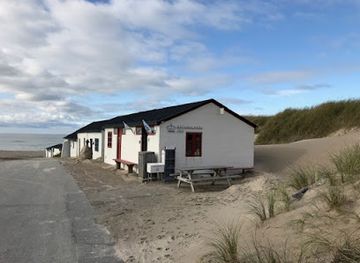
Nationalpark Thy, visitor centre Stenbjerg Landingsplads
Atmospheric fishermen’s cottages, a compact park visitor centre and a wild North Sea beach combine at Stenbjerg Landingsplads, a characterful gateway to Nationalpark Thy.
-
National park
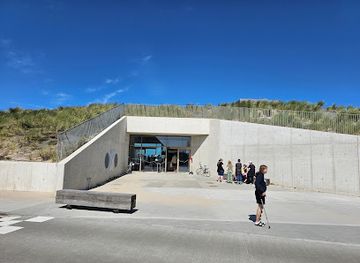
National Park Center Thy
Immersive dune-integrated visitor center and gateway to Denmark’s first national park, blending striking coastal architecture with rich insight into Thy’s wild nature.
-
Tourist attraction
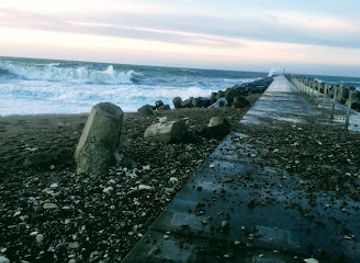
Havbad
A sheltered North Sea sea-bath on Thisted’s wild west coast, blending safe swimming, sandy dunes and working-fishing-village charm in compact form.
-
Tourist attraction
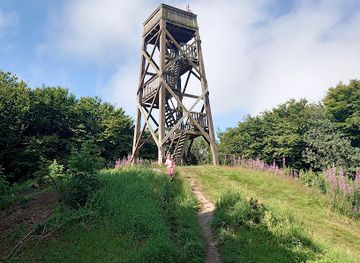
Trolden Ask fra Ashøj
Hidden in a forest clearing on Thy’s highest hill, the giant wooden troll Ask fra Ashøj blends playful sculpture, folk tale magic and wide Danish landscapes.
Best landmarks in Thy National Park
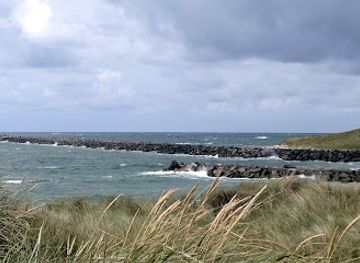
The defining landmarks of Thy are largely natural: the long North Sea shoreline, shifting dune ridges, open coastal heath and the freshwater lakes of Nors Sø and Vandet Sø. These features express the forces of wind, sea and sand that have shaped the region and distinguish it from more intensively farmed parts of Denmark. Lodbjerg Lighthouse is one of the park’s best-known built landmarks, standing as a navigational reminder within a landscape of dunes and plantation forest. Stenbjerg Landingsplads is culturally important for its association with open-beach fishing, while the coastal villages of Vorupør and Klitmøller preserve working maritime identities. At the southern end, Agger Tange forms a prominent low-lying barrier landscape of sea, lagoon and wetland, valued particularly for birdlife. Together, these natural and cultural markers explain why Thy is recognised as a national landscape rather than simply a collection of separate sights.
-
Visitor center
Lodbjerg Fyr, National Park Thy Visitor centre
Historic lighthouse beacon offering North Sea views, organic café, and access to Denmark's largest wilderness trails.
-
Nature preserve
Isbjerg - Nationalpark Thy
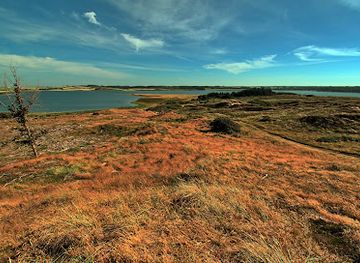
Denmark's highest point in a wild coastal reserve where ancient cliffs meet pristine heathlands and soaring eagles.
-
National park
Vesterhavet Nationalpark Thy
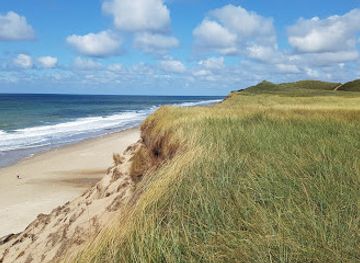
Denmark's wild coastal wilderness where towering dunes, pristine beaches, and ancient heaths meet the powerful North Sea.
-
Observation deck
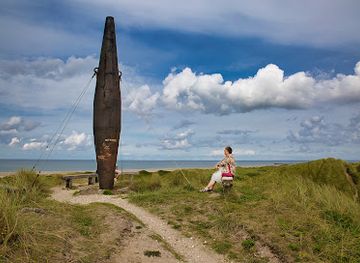
Vorupør-cigaren - udsigtspunkt og skulptur
A striking cigar-shaped sculpture offering panoramic North Sea views from Thy's windswept cliffs.
Explore Thy National Park on the map
Plan your trip on one map. See where the top attractions, landmarks, restaurants and hotels are, and book hotels and experiences in a few clicks.
Best hotels in Thy National Park
Best restaurants in Thy National Park
Dining in and around Thy National Park reflects its rural settlements and maritime setting rather than a dense restaurant scene. Cafés, bakeries, inns, pubs and restaurants are concentrated in places such as Thisted, Hanstholm, Klitmøller, Vorupør and Agger, with smaller villages offering more limited services. Menus may draw on Danish comfort food, locally available fish and seafood, seasonal produce and the broader food traditions of north-western Jutland, while farm shops and food producers provide opportunities to buy regional ingredients. Coastal communities retain a connection with fishing, although visitors should not assume that every landing place has a seafood restaurant or that a particular product is always available. The most remote beaches, heathlands and lake areas have few or no dining facilities, so a packed meal and water are sensible additions to a full day’s exploration.
-
Restaurant
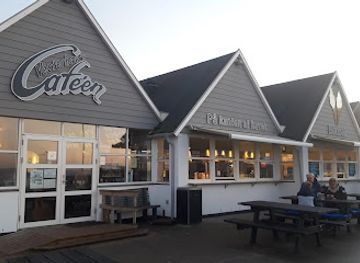
Vesterhavscaféen ved Nørre Vorupør Landingsplads
Casual seaside dining practically on the sand at Vorupør’s landingsplads, with hearty coastal fare and front-row views of the North Sea and Cold Hawaii surf.
-
Hotel
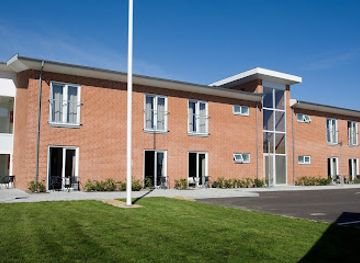
Hotel Thinggaard
Modern country hotel in Hurup Thy pairing comfortable rooms and hearty breakfasts with ambitious gourmet dining, near Thy National Park, sea, and fjord.
-
Restaurant
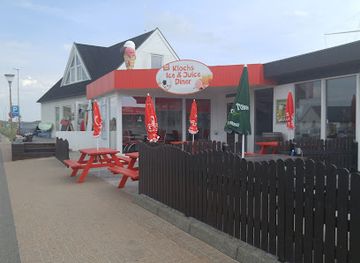
Klochs Spisested
Hearty burgers, steaks and spareribs in a laid‑back American‑style diner by the North Sea in Nørre Vorupør, a cozy coastal stop on Denmark’s wild west coast.
-
Pizza
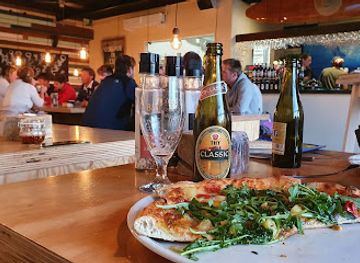
Vø Pizzabar
Surf-town pizza and bar in Vorupør, serving creative pies, vegan-friendly options and drinks in a relaxed Cold Hawaii coastal atmosphere.
Best bars in Thy National Park
Evenings in Thy National Park are generally quiet and community-focused rather than centred on nightclubs. Traditional pubs, hotel bars and informal hospitality venues in towns and coastal villages provide places for a drink and conversation, especially in Klitmøller, Vorupør, Agger, Hanstholm and Thisted. Klitmøller’s surfing culture gives it a more youthful seasonal atmosphere than many rural parts of the park, but the overall evening character remains relaxed and dependent on the time of year. Cultural events and live entertainment may take place in local communities, though visitors should check current programmes rather than expect a regular nightlife schedule. Outside the settlements, darkness, open sky and the sound of the sea are the principal evening experiences; remote nature areas do not contain bars or entertainment venues.
-
Bar
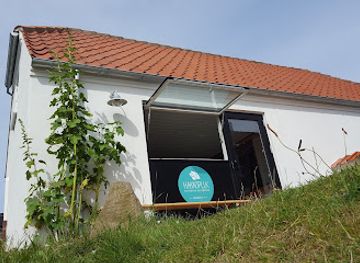
Haandpluk Kaffebar og delikatesse
Intimate Klitmøller hangout blending specialty coffee, craft beer, curated wine and deli treats in a cosy garage-style space near the windswept northwest coast.
-
Bar
Harmonien
Thisted's welcoming bar and restaurant serving generous brunches and curated drinks in the town centre.
-
Bar
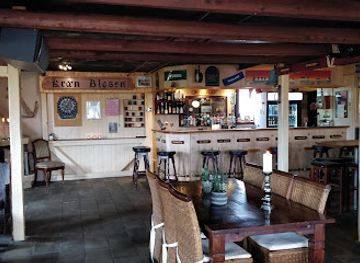
Stalden Klitmøller
A timeworn village bar on Klitmøller’s main street, where North Sea surf culture, local life and simple drinks come together in a cosy, unpretentious setting.
-
Bar
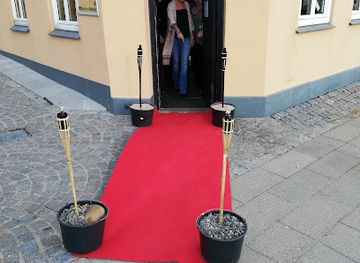
Heidi's Bier Bar
Loud, lively and drenched in Tyrolean après‑ski flair, Heidi’s Bier Bar Thisted turns coastal North Jutland nights into all‑season Oktoberfest parties.

Best nightclubs in Thy National Park
Evenings in Thy National Park are generally quiet and community-focused rather than centred on nightclubs. Traditional pubs, hotel bars and informal hospitality venues in towns and coastal villages provide places for a drink and conversation, especially in Klitmøller, Vorupør, Agger, Hanstholm and Thisted. Klitmøller’s surfing culture gives it a more youthful seasonal atmosphere than many rural parts of the park, but the overall evening character remains relaxed and dependent on the time of year. Cultural events and live entertainment may take place in local communities, though visitors should check current programmes rather than expect a regular nightlife schedule. Outside the settlements, darkness, open sky and the sound of the sea are the principal evening experiences; remote nature areas do not contain bars or entertainment venues.
-
Disco club
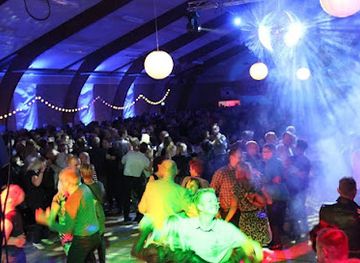
Dampmøllen Thisted
High‑energy nightclub and bar in a former steam‑mill building, bringing big‑city beats, bright lights and late‑night partying to the coastal town of Thisted.
-
Disco club
Diskotek Showoff
Thisted's energetic disco club for dancing, music, and vibrant nightlife entertainment.
-
Night club
HQ-CSI
Small-town Thisted’s intimate late-night hangout for loud music, casual drinks and a straightforward dance floor vibe on Kr Kolds Gade.


Best shops in Thy National Park
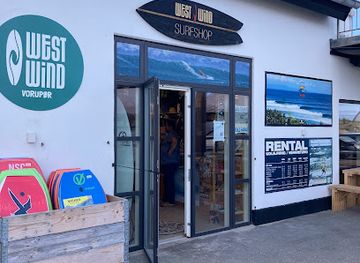
Shopping within Thy National Park is modest and concentrated in its villages and gateway towns rather than organised around a large retail district. Thisted provides the broadest range of everyday shops and services, while Hanstholm, Klitmøller, Vorupør and Agger have smaller selections that may include local food, practical supplies, galleries, surf-related goods and independent businesses. Farm shops and regional producers can offer a more direct connection with the agricultural landscape, although opening arrangements and product ranges vary. Visitors may find Danish food specialities, locally made crafts, artwork inspired by the coast and practical outdoor clothing, particularly in places with strong tourism or surfing connections. Remote areas such as the dune coast, heath and lake landscapes have no meaningful retail provision, so food, water and specialist equipment should be purchased before setting out from a settlement.
-
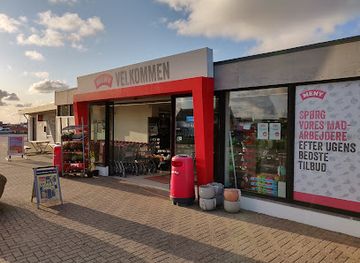
Supermarket
Meny
A welcoming supermarket where quality, service, and local character converge in coastal Vorupør.
-
Fish store
Fiskercompagniet
Bustling coastal fish shop and smokehouse in Vorupør, serving ultra-fresh North Sea seafood, easy takeaway meals and smoked specialities steps from the beach.
-
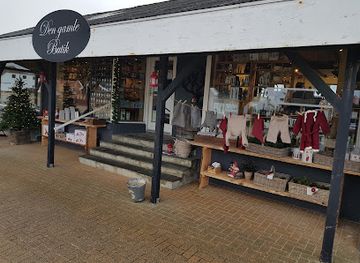
Store
Den Gamle Butik I/S
A cosy, nostalgia-filled shop in coastal Vorupør where Nordic design, year-round Christmas magic and the scent of freshly ground coffee create a timeless hygge retreat.
-
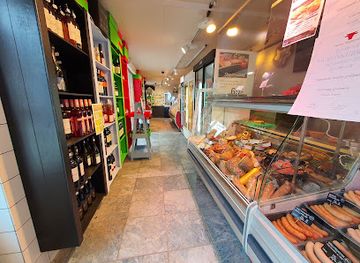
Butcher shop
Vorupør Slagterforetning v/Søren Odder Jensen
Three generations of Danish butchery craft, sourcing local meats with personal expertise and regional pride.
Get your free copy of our complete guide to Thy National Park, delivered straight to you.
Everything on this page, from attractions and restaurants to essentials and local phrases, in one PDF you can read offline, print or share.
Already have an account? Sign in
Your Thy National Park guide is ready.
We'll send it to · Not you? Sign out

Getting your guide ready…
We are putting together a fresh copy of the Thy National Park guide. This can take up to a minute.
This can take a few moments. If your browser asks, choose Allow so the download can start. You'll find the guide in your Downloads folder.
Nothing happened? Download it again
Sorry, the guide is taking longer than usual. Please try again in a minute, or get it by email instead.
Thy National Park essentials
Currency and Payment
Safety
Emergency Situations
Do's and Don'ts
Local Tips
From Eve
Local phrases worth knowing
You don't need to get them perfect. A few words go a long way, and locals appreciate the effort.
Basics
| English | Local | Say it |
|---|---|---|
| Hello | Hej | [hey] |
| Goodbye | Farvel | [far-vel] |
| Yes | Ja | [ya] |
| No | Nej | [nay] |
| Please/You're welcome | Vær så god | [ver sa go] |
| Thank you | Tak | [tak] |
| Excuse me/Sorry | Undskyld | [oon-skeeld] |
| How are you? | Hvordan har du det? | [vor-dan har doo deh] |
| Fine. And you? | Fint. Og dig? | [feent. oh deh] |
| Do you speak English? | Taler du engelsk? | [tah-ler doo eng-elsk] |
| I don't understand | Jeg forstår ikke | [yay for-stor ee-keh] |
Eating & Drinking
| English | Local | Say it |
|---|---|---|
| I'd like to see the menu, please | Jeg vil gerne se menuen, tak | [yay vil gehr-neh seh meh-noo-en, tak] |
| I don't eat meat | Jeg spiser ikke kød | [yay spee-ser ee-keh kuhd] |
| Cheers! | Skål! | [skol] |
| I would like to pay, please | Jeg vil gerne betale, tak | [yay vil gehr-neh beh-tah-leh, tak] |
Emergencies
| English | Local | Say it |
|---|---|---|
| Help! | Hjælp! | [yahlp] |
| Go away! | Gå væk! | [goh veck] |
| Call the Police! | Ring til politiet! | [ring teel poh-lee-tee-et] |
| Call a doctor! | Ring efter en læge! | [ring ef-ter en lay-eh] |
| I'm lost | Jeg er faret vild | [yay er fah-ret veeld] |
| I'm ill | Jeg er syg | [yay er soog] |
Shopping
| English | Local | Say it |
|---|---|---|
| I'd like to buy... | Jeg vil gerne købe... | [yay vil gehr-neh kuh-beh] |
| I'm just looking | Jeg kigger bare | [yay kee-ger bah-reh] |
| How much is it? | Hvor meget koster det? | [vor meh-geh koh-ster deh] |
| That's too expensive | Det er for dyrt | [deh er for deert] |
| Can you lower the price? | Kan du sænke prisen? | [kan doo sen-keh pree-sen] |
Time & Numbers
| English | Local | Say it |
|---|---|---|
| What time is it? | Hvad er klokken? | [vad er kloh-ken] |
| It's one o'clock | Den er et | [dehn er et] |
| Half past (10) | Halv ti | [halv tee] |
| Morning | Morgen | [mor-gen] |
| Afternoon | Eftermiddag | [ef-ter-mee-dag] |
| Evening | Aften | [af-ten] |
| Yesterday | I går | [ee gohr] |
| Today | I dag | [ee day] |
| Tomorrow | I morgen | [ee mor-gen] |
| 1 | Et | [et] |
| 2 | To | [toh] |
| 3 | Tre | [treh] |
| 4 | Fire | [fee-reh] |
| 5 | Fem | [fem] |
| 6 | Seks | [seks] |
| 7 | Syv | [soov] |
| 8 | Otte | [o-teh] |
| 9 | Ni | [nee] |
| 10 | Ti | [tee] |
Transport & Directions
| English | Local | Say it |
|---|---|---|
| Where's a/the...? | Hvor er en/den...? | [vor er en/dehn] |
| What's the address? | Hvad er adressen? | [vad er ah-dreh-sen] |
| Can you show me (on the map)? | Kan du vise mig (på kortet)? | [kan doo vee-seh meeh (poh koh-teh)] |
| When's the next (bus)? | Hvornår er næste (bus)? | [vor-nor er nes-teh (boos)] |
| A ticket (to ....) | En billet (til ....) | [en bee-leht (teel)] |
History of Thy National Park
A Coast Shaped by Ice and Sand
Thy’s present landscape developed through glacial processes, marine change and the continual movement of wind-blown sand. The low, open terrain of dunes, coastal plains, lakes and heath differs markedly from Denmark’s more intensively cultivated interior. Inland lakes such as Nors Sø and Vandet Sø occupy depressions left by earlier geological processes, while the coast remains a dynamic meeting point between land and sea. This physical setting created both opportunities and difficulties for settlement, farming and transport, and it continues to determine the character of the national park.
Early Settlement and Sacred Places
People have lived in the Thy region since prehistoric times, leaving traces in the wider landscape through burial monuments, settlements and cultivated land. The region’s early communities used the coast, wetlands and heath as sources of food and materials while gradually establishing agriculture. Later religious centres helped shape local identity, most notably Vestervig Abbey and Vestervig Church south of the national park’s central landscapes. Although not every historic site lies within the park boundary, the surviving monuments and settlements around Thy show how long human activity has been intertwined with the area’s exposed environment.
Fishing, Farming and Coastal Villages
For centuries, Thy’s communities adapted to poor sandy soils, salt-laden winds and a hazardous coast. Fishing, small-scale farming and animal husbandry formed the basis of life, while coastal villages developed distinctive relationships with the sea. At places such as Stenbjerg and Vorupør, boats were traditionally launched directly from the beach rather than from a sheltered harbour. The coastal economy was practical and resilient, but storms, sand movement and isolation imposed constant limits. The surviving landing places and village patterns preserve evidence of this maritime way of life.
The Age of Sand Drift
From the early modern period into the nineteenth century, extensive sand drift damaged farmland and threatened settlements across western Jutland. Wind-blown sand could cover fields, alter tracks and make cultivation unreliable. Efforts to control it included the planting of hardy vegetation and plantation forests, measures that gradually stabilised parts of the dunes and created some of the wooded landscapes now found in Thy. The contrast between open heath, moving dunes and planted forest is therefore partly natural and partly the result of long-term attempts to manage an unstable coast.
From Protected Landscape to National Park
Twentieth-century conservation recognised the value of Thy’s dunes, heaths, lakes, forests and coastal habitats at a time when land use and recreation were increasing. Nature management has sought to maintain open habitats, protect wildlife and balance public access with the needs of sensitive environments. Thy became Denmark’s first national park in 2008, formalising its national importance while retaining its character as a lived-in rural landscape rather than a fenced reserve. Today, conservation, outdoor recreation, coastal communities and working land remain closely connected.
Thy National Park in Photos
Browse through our photo collection highlighting the charm and character of the destination.
Neighbouring destination travel guides
The closest destinations to Thy National Park, if you have time for more than one.
-

-

-

-

-


Swipe for more destinations
Explore more
Explore more of North Jutland
Explore North Jutland for Skagen’s sea meeting, Aalborg’s culture, Limfjord islands, windswept beaches and distinctive Danish coastal heritage.
Explore North Jutland
Explore more of Denmark
Discover Denmark: A perfect blend of history, modern design, and the cozy concept of hygge. Explore vibrant cities, serene landscapes, and world-class cuisine.
Explore Denmark