Eshøj gravhøj, North Jutland Travel Guide
A Bronze Age burial mound preserving 3,000 years of Danish prehistoric heritage on a windswept Jutland plateau.
Eshøj is a Bronze Age burial mound located near Thisted in northwestern Denmark. Once part of a vast cemetery containing over 40 burial mounds from the Bronze and Iron Ages, this ancient site preserves the memory of prehistoric communities who inhabited the region thousands of years ago. The mound offers visitors a tangible connection to Denmark's earliest civilizations.
A brief summary to Eshøj gravhøj
- Grønlundsvej, Thisted, 7700, DK
- Duration: 0.5 to 1.5 hours
- Free
-
 Outdoor
- Mobile reception: 3 out of 5

Know before you go
Hi, I'm Eve. Here are a few practical things to know before exploring Eshøj gravhøj.
- Visit the Moesgaard Museum in Aarhus to see the exceptionally preserved oak coffin graves and skeletal remains excavated from Eshøj, providing essential context for understanding the site.
- The site is best visited in clear weather to appreciate the expansive views across the Eshøj Plateau and to understand why Bronze Age communities chose this elevated location for their burial grounds.
- The mound is modest in size compared to its original Bronze Age dimensions; much of the earthwork has been reduced by agricultural plowing over the centuries, so manage expectations accordingly.
- Combine a visit with exploration of other Bronze Age sites on the Eshøj Plateau, where additional burial mounds—though heavily plowed—remain visible across the landscape.
Do you manage this location?
Take control to get all the benefits, like improved information, better appearance, and stronger visibility across AI-powered discovery. Learn more about listing your business on Evendo
Activate your presenceOther nearby places you may find interesting
The closest places of the same kind, if this one is not quite what you had in mind.

Explore Eshøj gravhøj on the Map
A handpicked selection of must-see spots near Eshøj gravhøj, mapped for you.
Getting There
-
Car
From Thisted town center, drive approximately 8 kilometers northwest on regional roads toward Grønlundsvej. The journey takes roughly 15–20 minutes depending on traffic. Parking is available near the mound site. This is the most practical option for accessing the remote location.
-
Bicycle
From Thisted, cycling to Eshøj takes approximately 30–40 minutes via local roads. The route is relatively flat but exposed to wind. Bicycle infrastructure varies; some sections follow quiet country roads. This option suits experienced cyclists comfortable with rural terrain.
-
Bus
Local bus services operate from Thisted, though frequency is limited and journey times range from 25–45 minutes depending on the route and connections. Service may be seasonal or reduced during winter months. Confirm schedules with local transport providers before traveling.
For the on-the-go comforts that matter to you
-
 Information Boards
Discover more about Eshøj gravhøj
A Monument to Bronze Age Society
Eshøj stands as one of Denmark's most significant Bronze Age burial mounds, situated on the Eshøj Plateau near Thisted in northwestern Jutland. The mound represents more than just a grave—it embodies the monumental efforts of early Bronze Age communities to honor their dead and ensure their memory endured for generations. Originally part of a vast cemetery spanning 4 square kilometers, the plateau once contained more than 40 burial mounds, though only a handful remain visible today, many heavily altered by agricultural activity over the centuries.Excavation and Archaeological Discovery
The mound's archaeological significance became apparent in 1871 when portions of the mound were being removed and the first grave was discovered. Systematic excavation in 1875 revealed three oak coffin graves containing exceptionally well-preserved human remains—two men and one woman—whose bodies had survived millennia in the anaerobic environment created by the oak wood and surrounding soil. These Bronze Age individuals, along with their grave goods, provide invaluable insights into the lives, social structures, and burial practices of prehistoric Denmark. The preserved remains and artifacts from Eshøj are now housed at the Moesgaard Museum in Aarhus, where they continue to inform scholarly understanding of Bronze Age society.Landscape and Setting
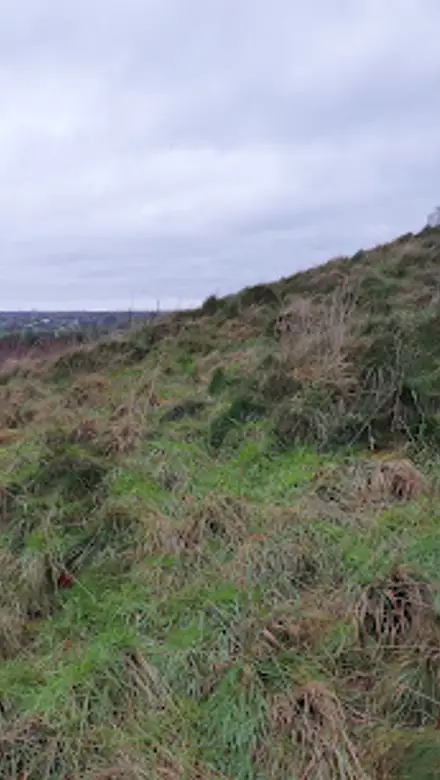
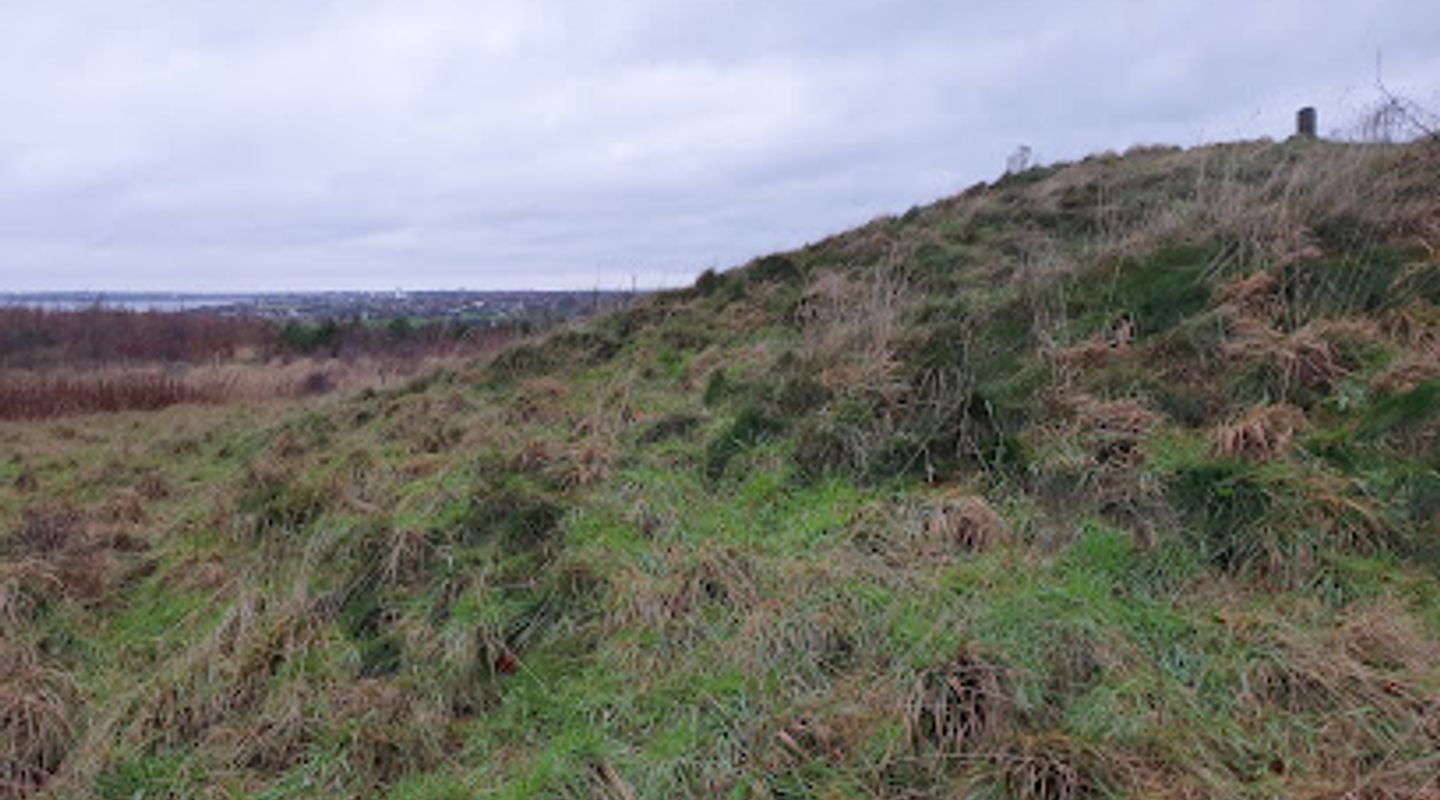
The burial mound occupies a prominent position on a windswept hill with expansive views across the surrounding landscape. This elevated location was deliberately chosen by Bronze Age communities, serving both practical and symbolic purposes. The visible mound commands attention across the plateau, ensuring that the graves and the memory of the deceased remained prominent features of the ancestral landscape. The windy, open terrain offers visitors a sense of the environment as it would have appeared to Bronze Age inhabitants, though the modern agricultural landscape has transformed much of the surrounding area.Bronze Age Burial Practices
The construction and use of Eshøj reflects broader Bronze Age burial traditions across Scandinavia. Rather than serving as a single grave, the mound functioned as a communal burial site to which communities returned repeatedly over centuries. Successive generations added new burials to the mound, layering their dead within the earthwork and reinforcing its role as a focal point for collective memory. The oak coffins discovered at Eshøj represent a sophisticated burial technology, with the wood providing exceptional preservation conditions that have allowed modern archaeologists to recover organic remains rarely found at other prehistoric sites.Contemporary Significance
Today, Eshøj remains a modest but evocative archaeological site. While only a fraction of the original mound survives—reduced by centuries of plowing and development—the remaining earthwork still conveys the scale and ambition of Bronze Age monument construction. For visitors, the site offers a direct encounter with Denmark's prehistoric past, a tangible reminder of communities who lived more than 3,000 years ago and whose efforts to memorialize their dead have preserved their legacy into the modern era.












Your all‑in‑one travel companion app
Explore expert travel guides, compare and book tours, experiences, hotels, and more—all from the palm of your hand. Download now for seamless trip planning wherever your wanderlust takes you.


Explore More of North Jutland
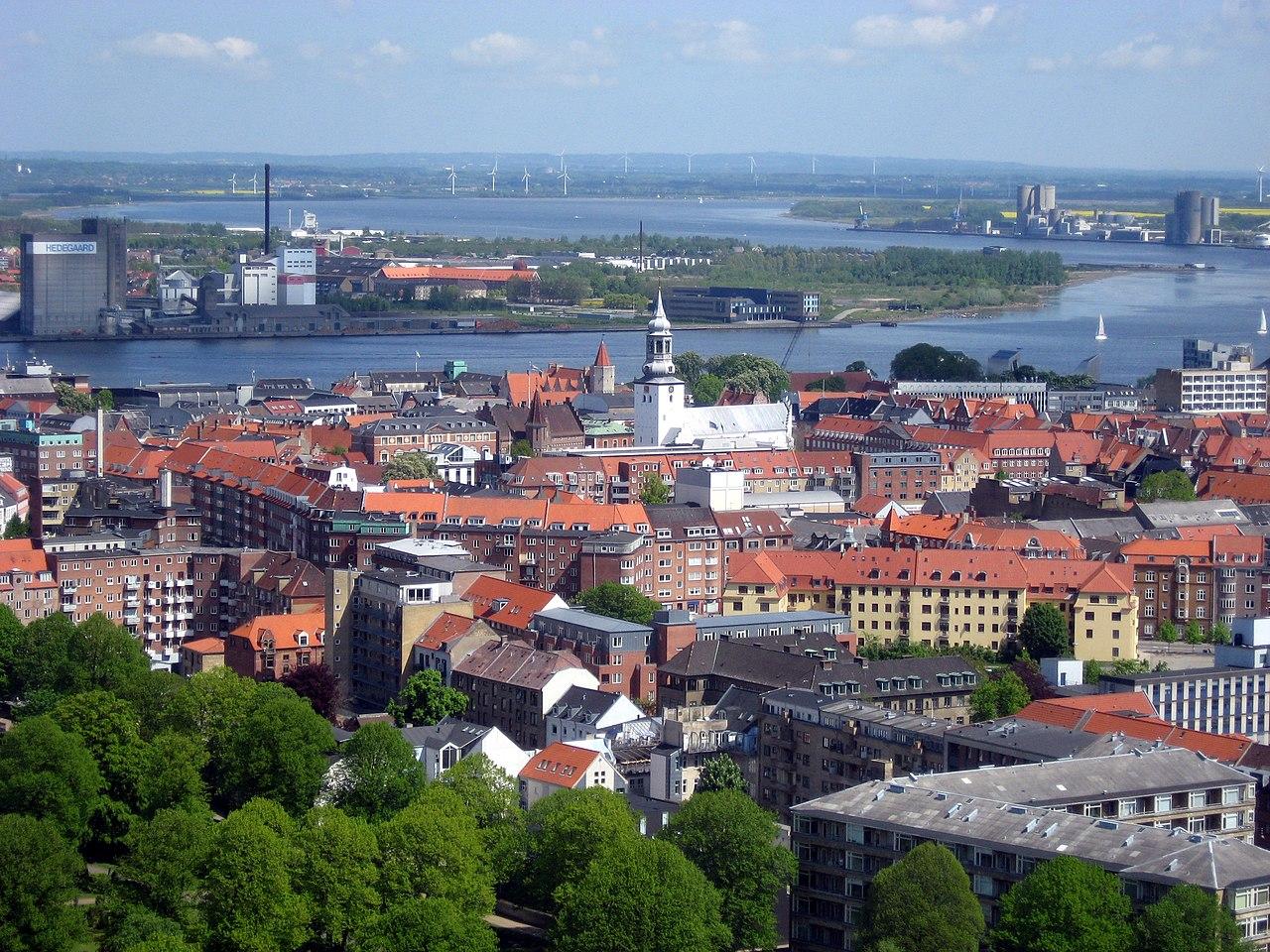
Looking beyond Eshøj gravhøj? Discover North Jutland for broader travel guides, local hot-spots, and regional highlights.
Explore North Jutland